



Transactional Fears→ [Transactional Fears] & For more info on other fears Phoenix Real Estate → [Phoenix Real Estate Fears Guide]
Written by: Renee Burke
You’ve found that perfect Chandler home near the community trails, but your sale isn’t quite lined up — or as a seller, your buyer has a contingency hanging. Enter backup offers, kick-out clauses, and smart Plan B’s: the drama-free tools that keep Phoenix deals moving without ultimatums or bad blood.
In our Valley market, where 3-4 months’ supply means options exist but timing matters, these strategies balance risk gracefully. Let’s unpack how they work, when to use them, and how to execute without tension.
Backup Offers: Your Quiet Safety Net
A backup offer positions you as #2 if the primary deal falls through — accepted but not active until contingencies clear or cancel.
How it works in Phoenix:
- Seller notifies primary buyer of backup (transparency builds trust).
- Primary has set time (often 24-72 hours) to remove contingencies or proceed.
- If primary fails, backup jumps to first position seamlessly.
Buyer benefits:
- Low competition entry; next in line for desirable inventory (e.g., Gilbert agritopias).
- Negotiate terms like escalation clauses for priority.
Seller advantages:
- Leverage without rejecting strong bids; keeps momentum in 50-70 DOM market.
No-drama execution:
- Submit via AAR Buyer Contingency Addendum; specify position (#1 or #2 backup).
- Get updates weekly on primary status — no surprises.
Kick-Out Clauses: Flexibility Without Force
A kick-out (or bump clause) lets sellers accept contingent offers while continuing showings and backups. If better terms arrive, primary buyer gets notice to waive contingencies or step aside.
Phoenix mechanics:
- Timeline: 24-72 hours response (negotiable; 48 common).
- Notice via escrow/agent; written waiver required.
- Primary keeps earnest money if waiving; refundable if walking.
For contingent buyers:
- Accept if motivated (e.g., need to sell current home).
- Strengthen with larger earnest ($10K+), short inspections (7 days).
Seller strategy:
- Ideal for sale contingencies; protects against fall-through (15-20% risk).
- Continue marketing until contingencies removed.
Drama-free tips:
- Clear addendum language: “Seller may accept backup upon 48-hour notice.”
- Communicate proactively: “We love your offer; keeping options open for security.”
| Scenario | Kick-Out Response Time | Outcome if No Waiver |
|---|---|---|
| Primary contingent | 48 hours | Backup activates |
| No kick-out | N/A | Locked in, no showings |
| Right of First Refusal | 72 hours match new offer | Primary matches/waives |
Plan B Strategies: Layered Security
Combine tools for robust backups without pressure:
- Multiple backups: #1 and #2 offers; ladder terms (higher earnest on #1).
- Due diligence fee: Non-refundable post-inspection (negotiated $1K-$5K) shows skin in game.
- Escalation clauses: Auto-beat competitors up to cap + proof of funds.
- Short contingencies: 7-day inspections, 21-day loans — minimizes exposure.
- Proof requirements: VOD/employment letters upfront.
Buyer Plan B:
- Submit backups on 20% of “contingent/active under contract” listings (MLS flags them).
- Price to net seller post-concessions.
Seller Plan B:
- Show contingent homes; note “backups welcome.”
- Net sheet all offers: Price + terms + risk.
Phoenix 2026 Context: When These Shine
Stabilizing market favors contingencies (affordability pressures), but low inventory rewards backups. East Valley (Queen Creek) sees more due to growth; West (Buckeye) has builder alternatives. 15% contingent listings stay open to backups.
Real Valley Win
Fulton Ranch seller accepted contingent $515K (buyer selling Mesa home). Backup at $510K with kick-out. Primary lagged; 48-hour notice triggered waiver — deal closed. Backup walked happily to next listing. Zero drama, full price.
These keep everyone positioned, not pitted. If you’re crafting a contingent offer, positioning as backup, or managing as seller in Phoenix metro, you don’t have to strategize solo. Reach out — let’s tailor your Plan B with precision, keeping stress low and options high. I’m your calm Valley navigator.
Get the full Phoenix Market Insights → [Market Insights]


-

Separating Lifestyle Spending From Homeownership Costs
-
How Usage Changes Monthly Ownership Costs
-

Planning Around Utility Cost Volatility
-
Why Variable Expenses Drive Most Budget Stress
-

Fixed Costs That Aren’t Actually Fixed
-

Budgeting for the House You’ll Own in Five Years
-

Why Ownership Cash Flow Feels Tighter Over Time
-
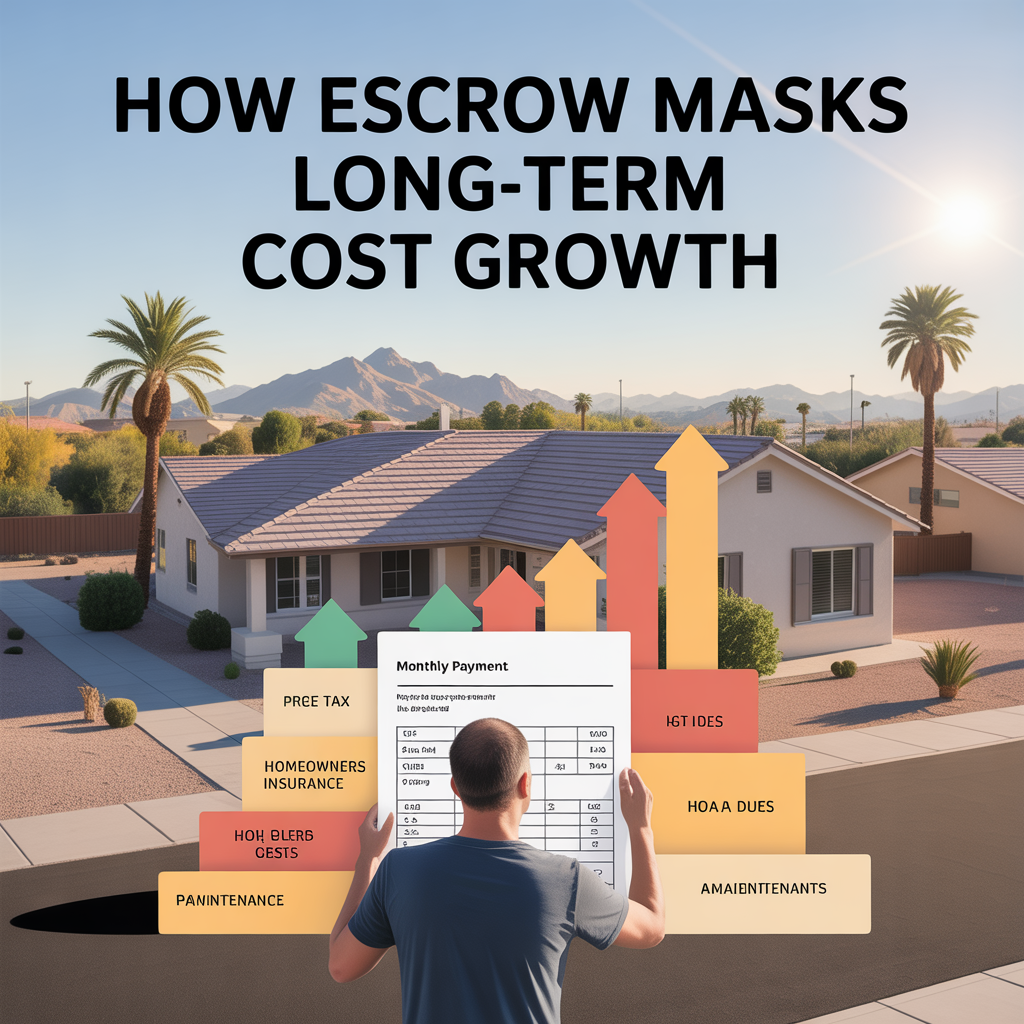
How Escrow Masks Long-Term Cost Growth
-

Why Your Mortgage Payment Isn’t Your True Housing Cost
-

Cross-Valley Trips: When They Feel Easy vs Heavy
-

Remote-Work Friendly Pockets in Glendale
-

School-Run Congestion Zones and Timing
-

Arterial Routing and “Daily Loop” Efficiency
-

State Farm Stadium and it’s Effect on Life and Property Value
-

Freeway Access as a Lifestyle Multiplier in Glendale
-

Event-Night Traffic Impacts and Avoidance Strategies
-
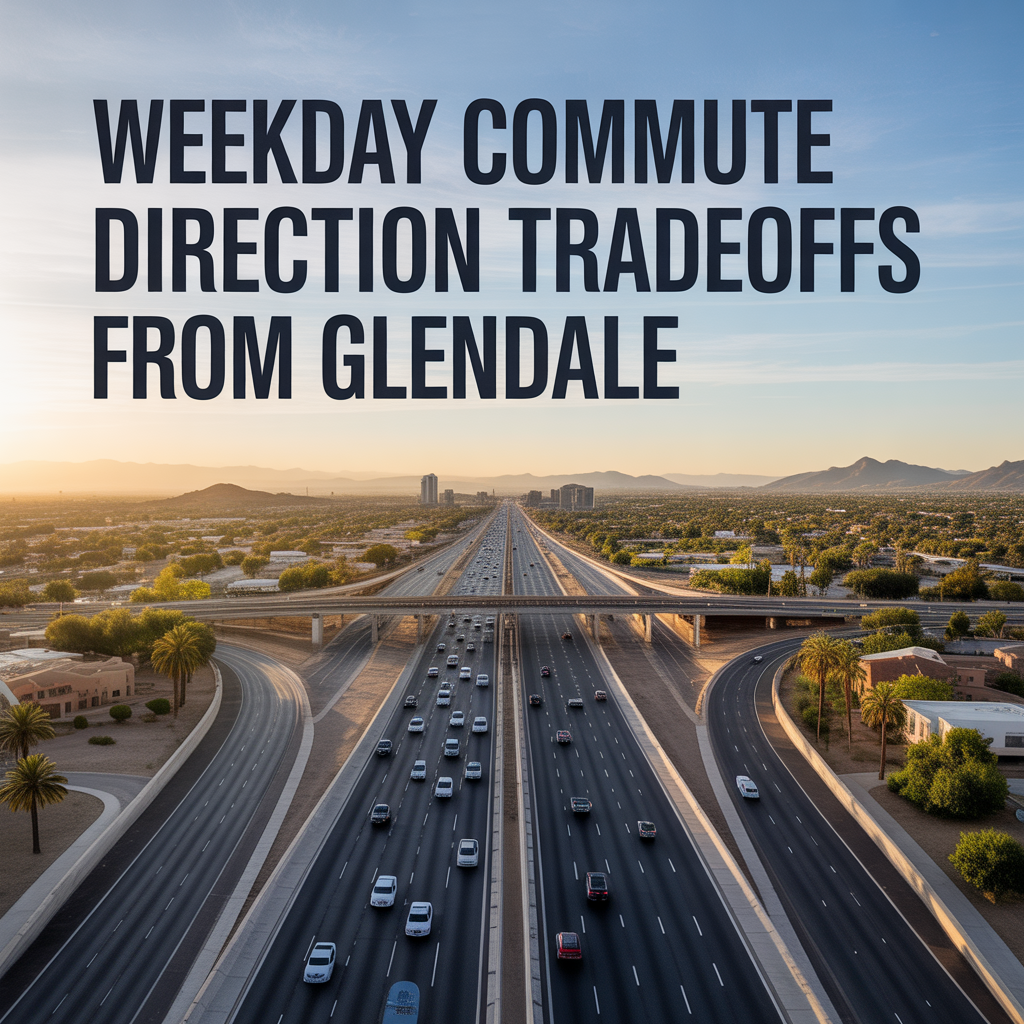
Weekday Commute Direction Tradeoffs From Glendale
-

Season Shifts in Outdoor Time in Glendale
-

Shade, Tree Cover, and Neighborhood Comfort
-

Dog and Kid Friendly Outdoor Routines
-

Trail Access That Feels Routine-Friendly
-

Sports Parks and Family Recreation Patterns
-

Map Proximity vs Summer Usability in Glendale
-

Daily-Use Parks vs Weekend Outdoor Trips
-

Top 10 “Date Night Out” Spots in Glendale