



Transactional Fears→ [Transactional Fears] & For more info on other fears Phoenix Real Estate → [Phoenix Real Estate Fears Guide]
Written by: Renee Burke
Buying a home anywhere is a balancing act, but here in the Phoenix metro, it often feels like learning to walk a tightrope. You want to stand up for your needs—maybe a repair credit, maybe more time to close—but you also don’t want to seem demanding and risk losing the home you love.
It’s one of the hardest parts of buying: finding the line between advocating for yourself and keeping trust alive with the seller on the other side. Especially in a market like ours, where homes can still move quickly in popular areas and first impressions matter, tone and timing can make all the difference.
Let’s talk about how to navigate that delicate middle ground—the art of asking for what you need while building confidence and goodwill at the same time.
The Phoenix Buyer Reality: Competition with Personality
The greater Phoenix market has matured in fascinating ways over the past few years. Prices have stabilized after the rapid growth of 2021–2022, but desirable homes—well-maintained, well-located, and priced right—still attract heavy attention.
In neighborhoods like Chandler’s Ocotillo, North Peoria’s newer master-planned communities, or anything walkable in Arcadia Lite, multiple offers remain common. Sellers remember what it felt like when buyers were lined up down the street, and while things have cooled since then, many still expect courtesy and decisiveness.
What that really means is this: buyers who communicate thoughtfully—not reactively—stand out. The way you ask for what you need often carries more weight than the request itself.
Step 1: Understand Your Win Condition
Before you ask for a single thing, take a moment to clarify what really matters.
Do you need closing cost help to make the numbers work?
Do you need extra time to finalize your sale or move across the Valley?
Do you simply want reassurance that key systems are sound after an inspection?
Knowing your non-negotiables keeps the conversation clean and intentional. When you know your “why,” it’s easier for your agent to frame the request respectfully and strategically.
In the Phoenix market, it’s not unusual for buyers to carry overlapping timelines—selling in one suburb, buying in another—so transparency helps both sides plan. Trust begins when everyone knows what truly matters and what’s simply “nice to have.”
Step 2: Let Your Lender and Paperwork Speak for You
Nothing strengthens your position like financial credibility. In Arizona, pre-qualification forms are standard with every offer, but there’s a wide gap between a basic pre-qual and a full underwriting approval.
When sellers see that your financing is secure with a respected local lender—one who actually answers the phone—they relax. That sense of stability builds trust long before your first request ever lands.
If your offer includes 5–10% down and a letter from a reliable Phoenix-based lender, you’re already signaling that you’re not a “maybe” buyer. You’re solid, you respect the process, and you plan to finish what you start. That foundation allows you to ask for what you need later—without losing credibility.
Step 3: Lead with Gratitude, Not Demands
This one might sound simple, but it’s a game-changer. The tone of your communication shapes the seller’s openness from beginning to end.
For example, instead of saying:
“We need the seller to fix the water heater before closing.”
You might say:
“We really appreciate how well this home has been maintained. The inspection did note the water heater’s age, so we wanted to ask if a replacement or credit might be considered.”
Same message. Completely different energy.
Phoenix sellers—especially those who’ve lived in their homes for years—often feel personally tied to them. A tone of respect and awareness invites cooperation. When you ask without accusation, you maintain trust and often get a better outcome.
Step 4: Know the Market Context Before You Ask
This is where local strategy comes in. The power of your request depends on what kind of market you’re standing in.
If you’re writing on a home that just hit the market yesterday in Gilbert or North Scottsdale and already has multiple showings lined up, this isn’t the time for heavy concessions. But if the property has been active for 30 days in an area with higher inventory, like parts of Mesa or Surprise, the seller may already be more open.
Understanding that rhythm is part of what keeps a deal alive. You’re not trying to “win” negotiations—you’re seeking alignment. An experienced local agent helps you read those cues before any ask even leaves your lips.
Step 5: Use the Inspection Process Wisely
This is often the moment when things feel most tense. You’ve gone under contract, the inspection comes back, and the list of repairs looks longer than you hoped. How you respond here sets the tone for the rest of escrow.
Here’s my advice: don’t use the inspection report as a wish list; use it as a conversation guide. Focus only on what’s material—items that affect safety, structure, or significant expense.
Asking for every scratch and paint touch-up signals distrust or nitpicking. Focusing on major systems (roof issues, HVAC performance, electrical safety) communicates reasonableness—and reasonableness builds trust.
Remember, Phoenix homes face unique wear from heat and sun exposure, so roof tile sealant, AC units, and exterior paint are common pain points. Sellers know these realities; they’re far more open when they feel you respect the home’s age and context rather than holding it to a brand-new standard.
Step 6: Frame Every Request Around Partnership
In real estate, language is leverage. How you phrase your needs can turn a “no” into a “let’s see what we can do.”
For instance, instead of saying,
“We won’t buy unless you fix this,”
You might frame it as,
“We love this home and we’re excited to move forward, but our budget is tight after bringing this down payment together. Would the seller be open to covering part of this cost so we can close with confidence?”
That simple shift—from demand to partnership—keeps the emotional temperature low and the transaction steady. In a market fueled by communication as much as competition, empathy becomes your secret advantage.
Step 7: Remember—Time Is Its Own Currency
Another truth of the Phoenix market: timelines can be as valuable as money. Summer moves revolve around school calendars, and snowbird sellers often target specific relocation windows.
If you can offer flexibility on close or possession—like allowing the seller to rent back briefly—it can soften your other requests. Sometimes giving time buys you goodwill that money can’t. In this area, where many transactions involve lifestyle transitions, mutual grace goes a long way.
Step 8: Trust Your Agent’s Delivery
Even the most respectful request can land wrong if it’s delivered poorly. That’s where your agent’s local reputation, tone, and timing matter.
A seasoned Phoenix buyer’s agent doesn’t just send emails—they read the room. They know which listing agents prefer direct calls, which prefer written proposals, and when to time your request in rhythm with appraisal or inspection deadlines.
When your agent builds calm, professional rapport behind the scenes, you gain the power to ask for important things without losing the seller’s confidence. It’s one of the quiet advantages that makes a measurable difference.
Phoenix Wisdom: Balance Is Beautiful
Buying a home here isn’t a zero-sum game. It’s a dance between two people—one moving on, one moving in—both trying to protect their next chapter. You don’t need to be loud or tough to get what you need. You just need clarity, kindness, and strategy.
When handled well, you’ll walk away not only with a home that fits your life but also with a transaction that felt dignified and fair from start to finish.
If You’re Thinking About Buying in Phoenix
The truth is, asking for what you need shouldn’t feel risky—it should feel natural. That’s where I come in. I guide Phoenix buyers through every phase of negotiation with clear strategy, calm communication, and honest market insight, so your voice is heard without compromising your credibility.
If you’re preparing to buy in the Valley—whether in Mesa, Scottsdale, Chandler, or anywhere in between—you don’t have to figure it out alone. Let’s talk about what matters most to you and how to secure it confidently.
If you’re thinking about making a move in Phoenix, you don’t have to figure it out alone.
Get the full Phoenix Market Insights → [Market Insights]


-

Signs Your Phoenix Roof Needs Inspection or Repair
-

How Long Tile Roofs and Roof Underlayment Last in Phoenix
-

How Smart Thermostats Improve Cooling Efficiency in Arizona Homes
-

Why AC Systems Struggle During Extreme Phoenix Heat Waves
-

How Long Air Conditioning Units Last in Phoenix Homes
-

Warning Signs Your Air Conditioner Is About to Fail
-

How Often Phoenix AC Systems Need Maintenance
-
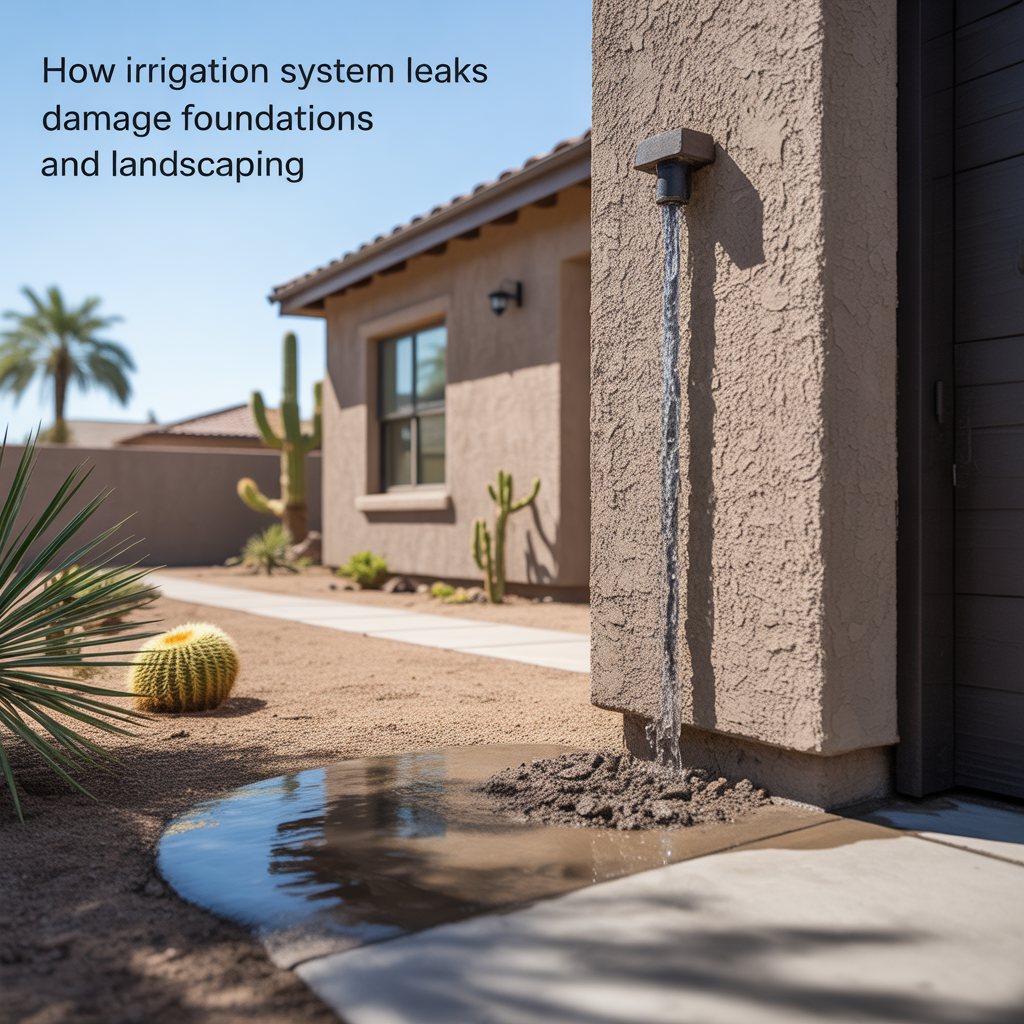
How Irrigation System Leaks Damage Foundations and Landscaping
-

Preventing Roof Damage Before Arizona Monsoon Storms
-

Why AC Tune-Ups Are Critical for Phoenix Homes
-

What Homeowners Should Inspect Before Phoenix Summer Heat Arrives
-
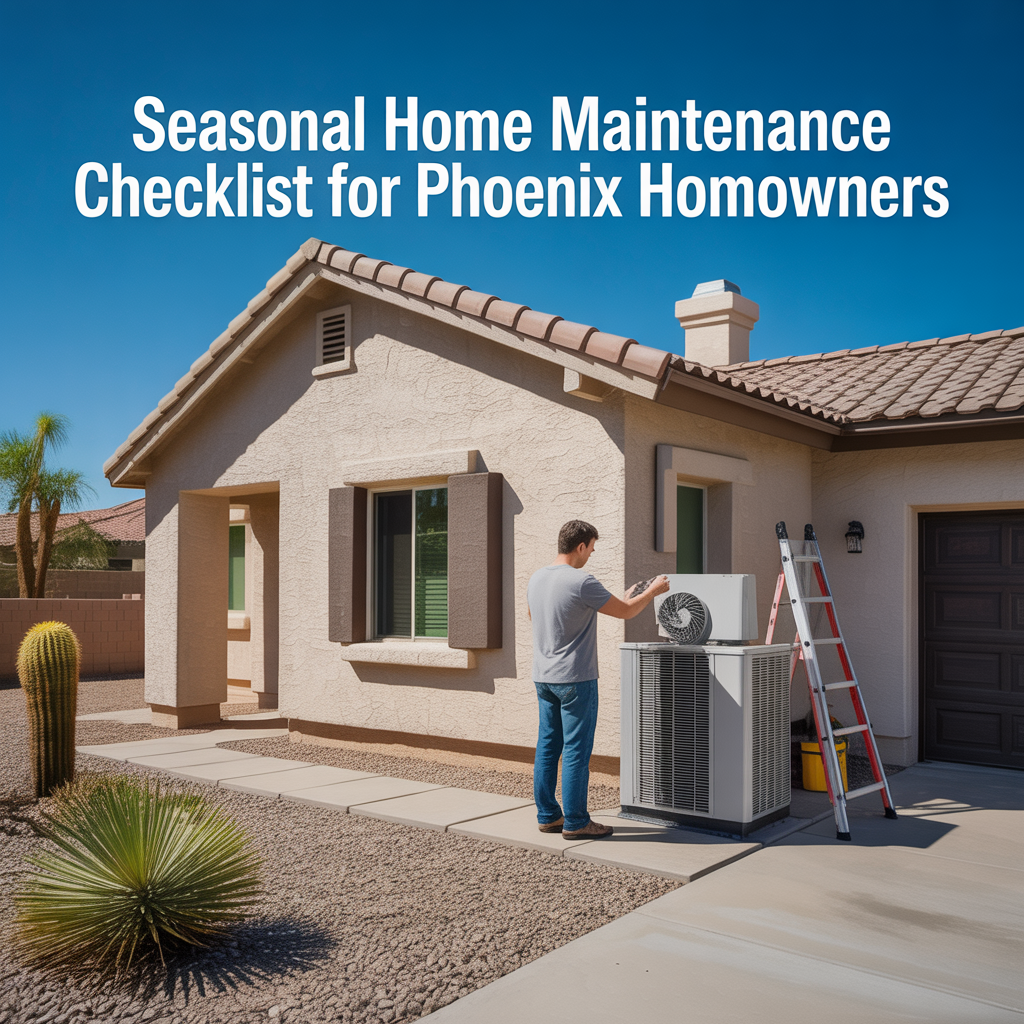
Seasonal Home Maintenance Checklist for Phoenix Homeowners
-
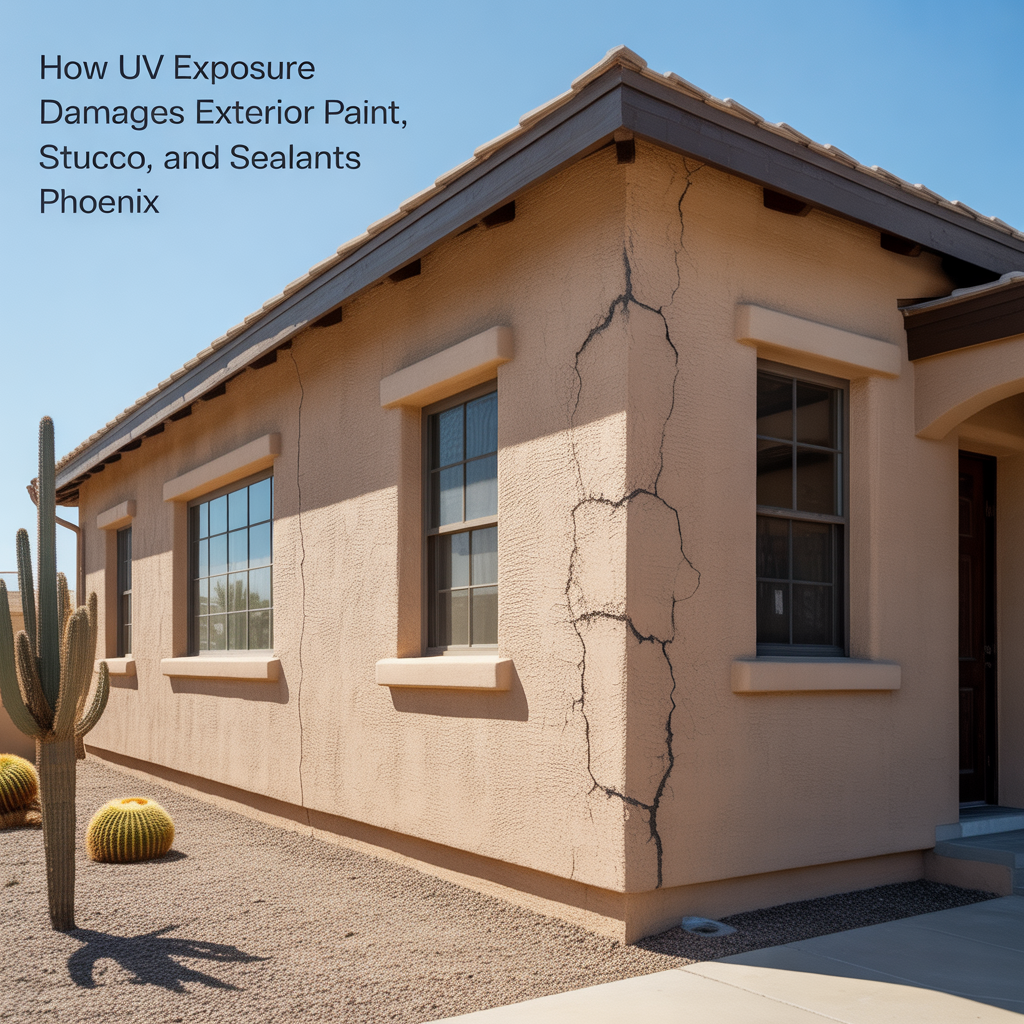
How UV Exposure Damages Exterior Paint, Stucco, and Sealants
-

How Extreme Heat Shortens the Lifespan of Home Systems
-

Why Phoenix Roofs Wear Out Faster Than Many Other Cities
-
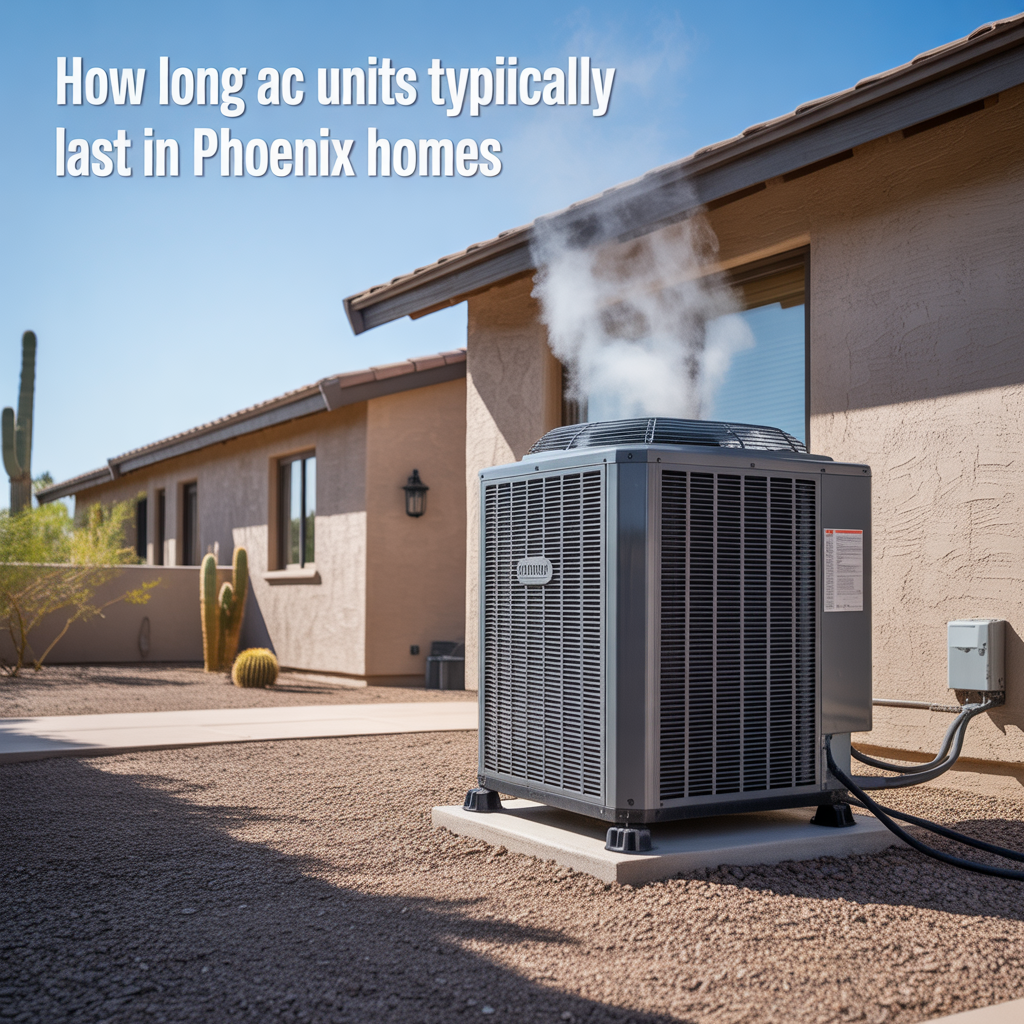
How Long AC Units Typically Last in Phoenix Homes
-

Building a Long-Term Protection Strategy
-
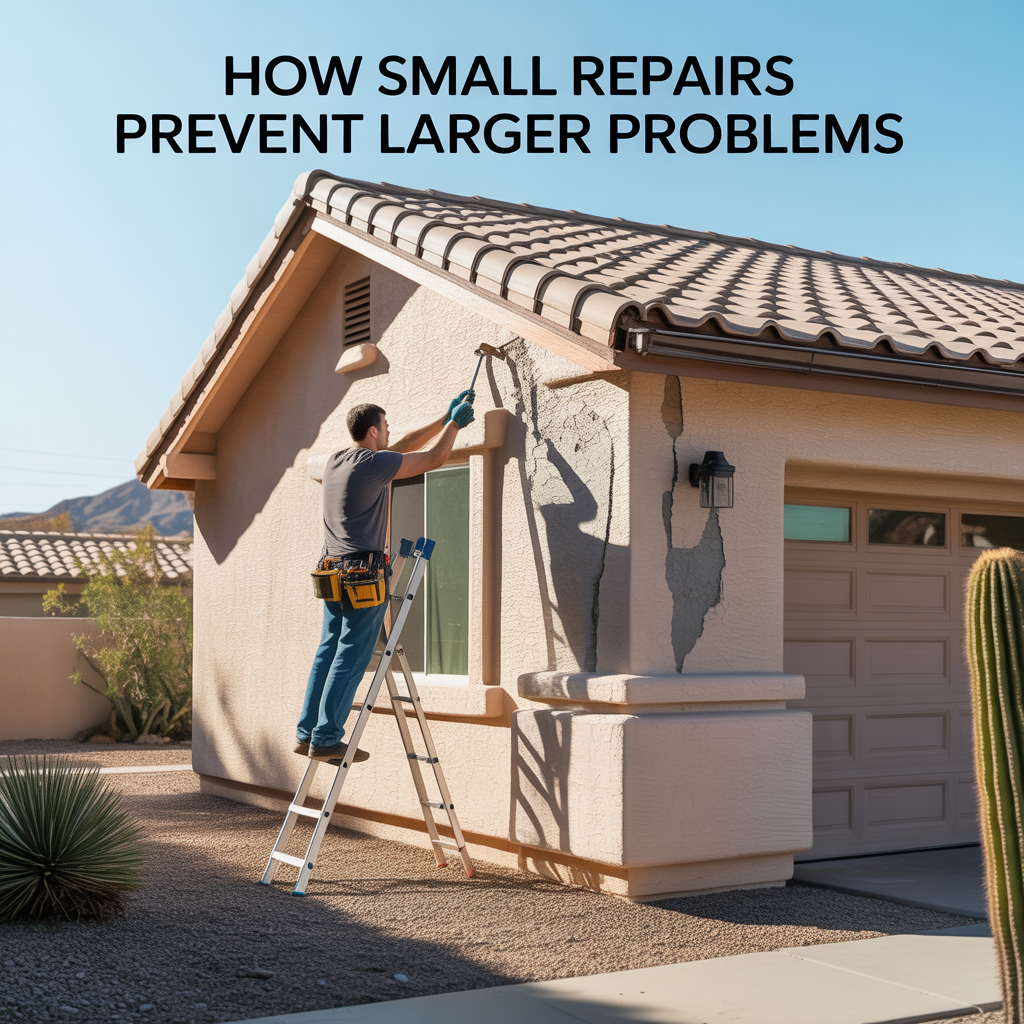
How Small Repairs Prevent Larger Problems
-

Protecting Older Phoenix Homes
-

Warning Signs of Hidden Home Risks
-

Preventative Maintenance That Reduces Insurance Claims
-

Reducing Liability Exposure Around Your Property
-

Liability Coverage Limits Explained
-

When Umbrella Insurance Makes Sense
-

Protecting Yourself From Guest Injury Claims