



Transactional Fears→ [Transactional Fears] & For more info on other fears Phoenix Real Estate → [Phoenix Real Estate Fears Guide]
Written by: Renee Burke
There’s a quiet ache that every seasoned Phoenix agent knows well—the one that comes when a deal you’ve nurtured for weeks simply falls apart. Not because anyone wanted it to, but because small warning signs, the kind we all hope won’t matter, were brushed aside until they couldn’t be anymore.
If you’ve ever bought or sold a home here in the Valley, you might know that feeling too. Most transactions glide from handshake to closing with only modest bumps along the way. But every so often, a deal crumbles—and in nearly every one of those cases, the signals were there early on. They just got lost beneath excitement, emotion, or fatigue.
I’ve chosen a few case studies from right here in the Phoenix metro—because understanding why good deals sometimes go bad is one of the best ways to make your next one stronger.
Case Study #1: The Financing That Was “Mostly Approved”
In Peoria, a young couple was purchasing their first home—a charming three-bedroom with a pool. Their lender had issued a prequalification letter that looked fine on paper. We went under contract smoothly, inspections went well, and everyone felt optimistic.
But subtle delays kept creeping in. The lender asked for pay stubs twice. Then came questions about gift funds and verification of employment. Still, the buyers insisted everything was “good to go.”
The truth surfaced about a week before closing: their down payment source didn’t meet the lender’s seasoning requirement. The deal collapsed.
The early signs had been there—the lender’s vague updates, the buyers hesitating when financial documents were mentioned, the lack of a full underwriting approval.
Lesson: In Phoenix, strong prequalification isn’t just a piece of paper—it’s a process. Local lenders who know our pace and programs (especially under first-time buyer or jumbo scenarios) make all the difference. When updates feel uncertain, assume that clarity early can save heartbreak later.
Case Study #2: The Overconfident Seller in Ahwatukee
This was a beautiful hillside home with sweeping views, listed well above nearby comps. The seller was charismatic, certain his home deserved a premium because of “all the memories and upgrades.” When offers started coming in slightly lower than hoped, he declined them all, confident that “the right buyer” would pay full price.
Three weeks later, momentum slowed. Feedback pointed to pricing. A lovely offer came in—just 10K under ask—but by then the seller felt worn down and grew defensive. He decided to pull the home entirely. Six months later, after sitting vacant and unsold, he relisted—this time at a lower price than the offer he’d turned down.
Lesson: The first two weeks on the Phoenix market matter immensely. The right buyer often appears quickly, while pricing energy is fresh. Local agents watch tempo closely because, in our sun-driven lifestyle market, timing is value. Overconfidence is easy; recalibration grows costly.
Case Study #3: Inspection Anxiety in Tempe
A mid-century ranch in Tempe had all the curb appeal in the world—orange trees, a shaded carport, and design character buyers crave. But once the inspection report landed, the buyer grew visibly uneasy. Notes about the electrical panel, slight roof wear, and plumbing from the 1960s piled up.
None of it was alarming to a local eye; these were normal Tempe issues—fixable, even expected in that age of construction. But the out-of-state buyer saw red flags everywhere. Her tone changed overnight, and communication slowed.
Rather than discussing manageable solutions, she withdrew during the inspection period, citing “too many unknowns.”
Lesson: Fear grows in silence. In Phoenix, where aging homes meet desert conditions, inspection results can sound scarier than they are. The fix is information—walking through line by line with a trusted local agent, so perspective replaces panic before emotion takes hold.
Case Study #4: When the Relationship Shifted Mid-Escrow
In one Scottsdale transaction, both sides started off cooperative and kind. The buyers admired the sellers’ pride in ownership; the sellers were generous during showings and flexible on timing.
Then a misunderstanding over patio furniture snowballed into suspicion. Every email became more formal, every response slower. By the time the appraisal came in slightly low, neither side trusted the other enough to compromise. Escrow dissolved a week later.
Lesson: Emotional tone matters as much as paperwork. In Phoenix, we close thousands of homes each month—but beneath the contracts are people. A transaction can survive tough negotiations or tough numbers, but rarely both at once without mutual respect.
Case Study #5: The Investor Who Didn’t Know the HOA Rules
A small investment duplex near North Phoenix went under contract with a cash buyer planning to rent both units long-term. The price was fair, inspections quick, and timeline tight—a seemingly perfect close.
Then two days before signing, the HOA’s rental restrictions surfaced during final disclosure: no leases under 12 months, limited total rentable units per year. The buyer’s model relied on short-term leasing.
Because the due diligence deadlines had already expired, cancelling meant forfeiting earnest money. The buyer walked anyway, unwilling to hold a property that didn’t fit his plan.
Lesson: Always verify HOA restrictions, not just fees. Phoenix has a patchwork of older and newer deed communities, each with different rules about rentals, RV storage, or even landscaping. Your agent should prompt you to confirm those details before inspection periods close—not after.
Case Study #6: The Appraisal Gap Nobody Prepared For
A beautiful North Glendale property, newly remodeled, attracted multiple offers. The winning bid came in significantly above list, driven by emotion and competition. But when the appraisal came back nearly $25,000 short, everyone froze.
The buyers didn’t have the extra cash. The sellers felt entitled to the winning number. Neither had discussed what would happen if there was a gap.
The deal folded.
Lesson: In multiple-offer Phoenix markets, every strong offer includes a plan for appraisal gaps. Talking through “what ifs” early—before signatures—lets both sides act decisively instead of reactively when surprises hit.
Why These Deals Collapsed
Looking back, these weren’t disasters—they were lessons about clarity, timing, and communication. In nearly every example, there were early cues whispering that something wasn’t lining up:
- Vague lender updates or missing documentation.
- Overpriced listings driven by emotion, not evidence.
- Inspection overwhelm with no local context.
- Tone shifts between parties that eroded goodwill.
- Due diligence shortcuts on HOAs or loan structures.
- Unspoken expectations about appraisals or cash reserves.
When those moments appear, slowing down—even for a day—to clarify can often save the deal entirely.
Phoenix’s Quiet Truth: The Market Rewards Communication
Our market is dynamic but deeply human. Sunlight, heat, and pace define it—but more than that, so does integrity. The best transactions in Phoenix succeed not because of luck but because of consistency: timely answers, transparent updates, and proactive problem-solving before stress snowballs.
Sometimes, even with the best guidance, a deal will simply drift apart. And that’s okay too. Every one of those moments teaches both clients and agents to read signals faster next time, to catch what’s quietly off before it turns irreversible. It’s part of how experience is earned here—and how confidence is built for the next journey forward.
If you’re preparing to buy or sell in Phoenix and want to understand how to recognize early signals of a fading deal—or, better yet, how to prevent them—I’d love to help. Together, we’ll talk through what to watch for, how to stay grounded through every stage, and how to create the kind of clean, calm transactions Phoenix buyers and sellers appreciate most.
You don’t have to navigate it alone. I’m here to guide you through it, step by steady step.
Get the full Phoenix Market Insights → [Market Insights]


-

How the Phoenix Desert Climate Shapes Everyday Life Inside the Home
-

How Phoenix Weather Patterns Shape Everyday Home Routines
-

Why Homes Often Feel More Comfortable After the First Year of Ownership
-

How Living in Phoenix Changes the Way Homeowners Use Their Homes
-

What New Phoenix Homeowners Learn During Their First Year of Ownership
-

How Daily Life Changes After the First Year of Living in a Phoenix Home
-
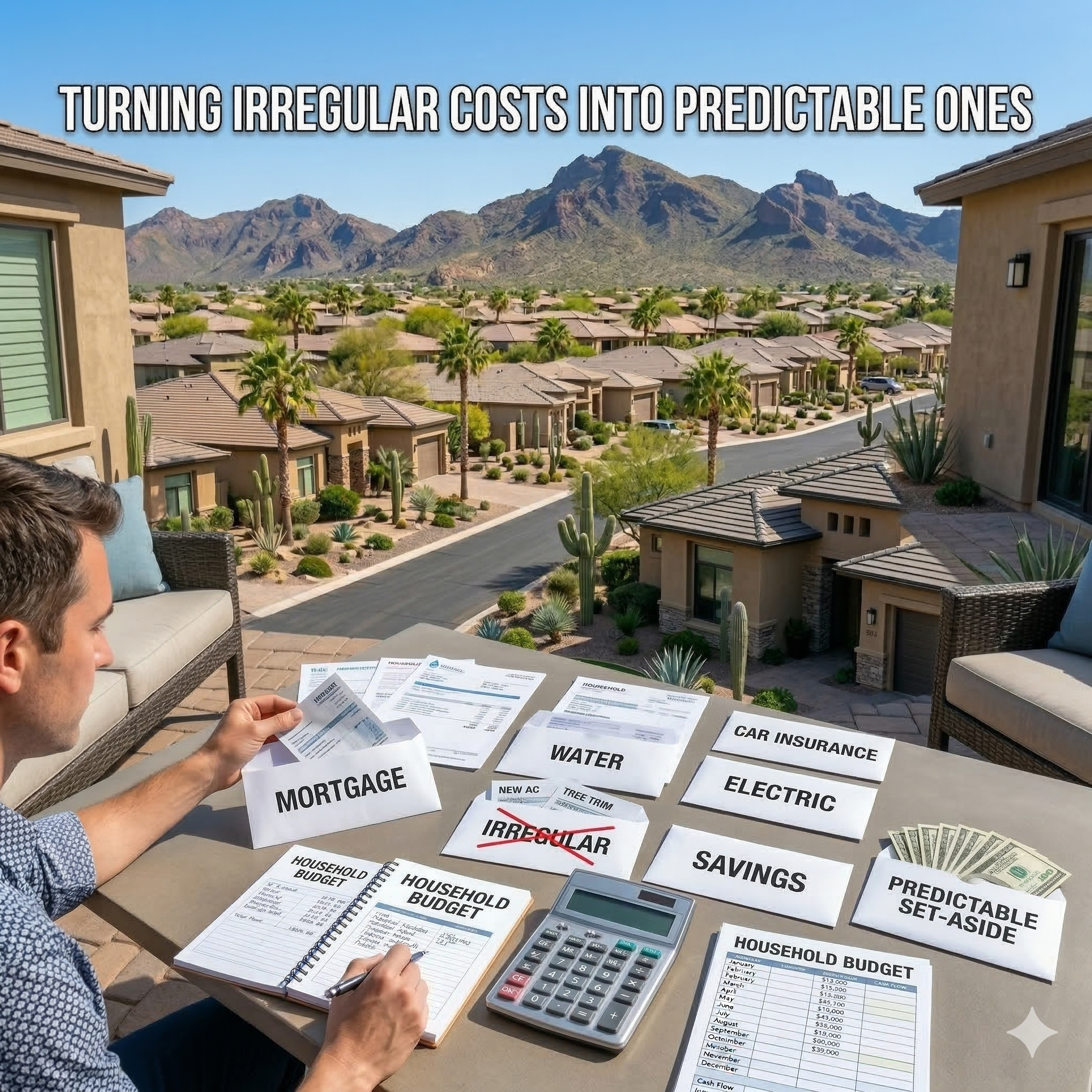
Turning Irregular Costs Into Predictable Ones
-

Budgeting for Ongoing Ownership
-
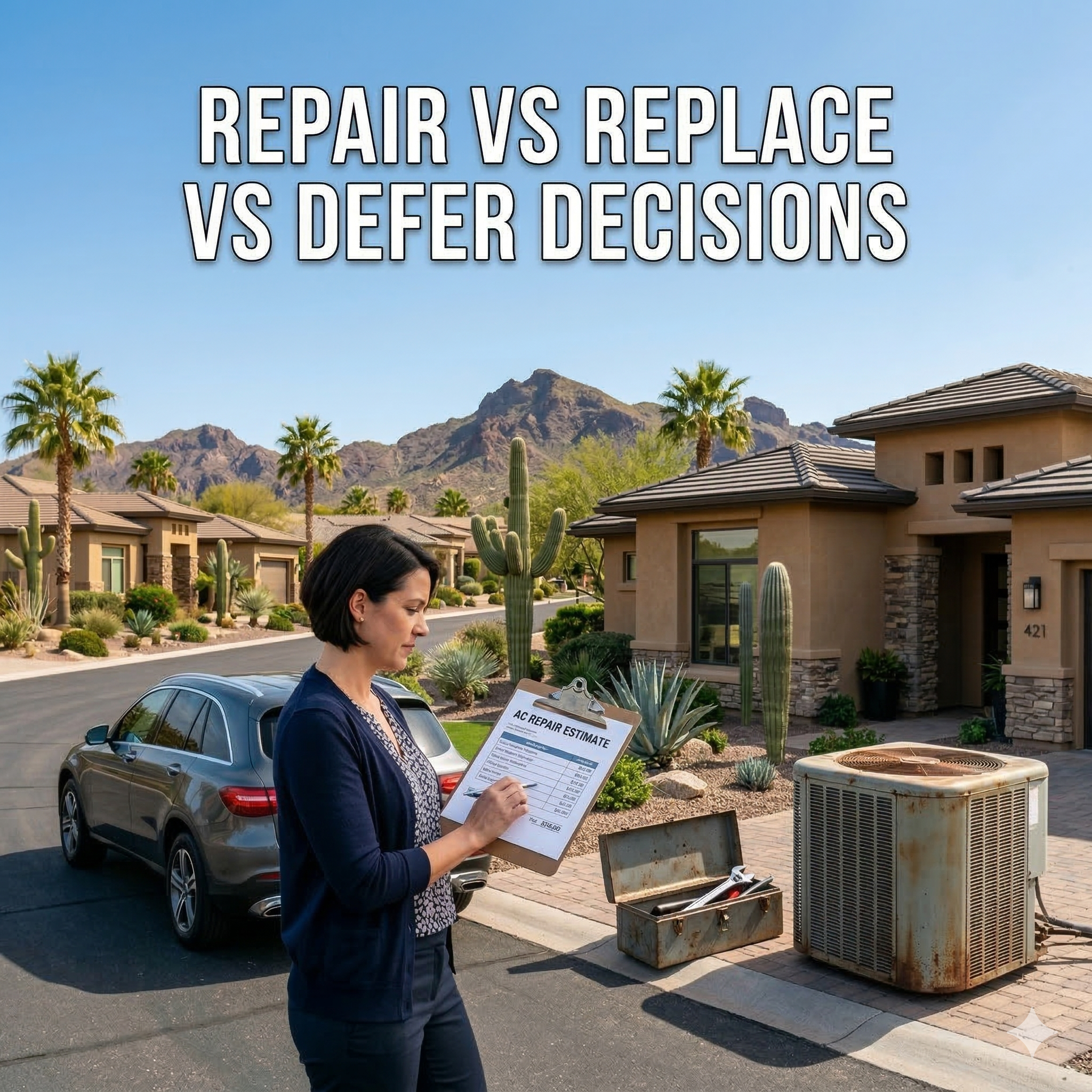
Repair vs Replace vs Defer Decisions
-

Planning Homeownership Like a Long-Term Asset
-

What Home Expenses You Can Safely Delay
-

Stopping Cost Creep Early
-

Cash Flow vs Net Worth Stress
-

Why “It’s Not That Much” Adds Up
-

Warning Signs Your Ownership Budget Is Tightening
-

The Cumulative Cost of Small Home Repairs
-

Designing Budgets Around Local Conditions
-

Utility Costs Over Time in Desert Climates
-

Insurance Increases Explained for Arizona Homeowners
-

How Inflation Impacts Phoenix Homeownership Costs
-

Avoiding Debt-Driven Homeownership Decisions
-

Replacing Systems on Your Timeline
-

Why Emergency Repairs Cost More
-

Timing Major Expenses Without Financial Shock
-
How Much to Keep in a Phoenix Home Reserve Fund