


Transactional Fears→ [Transactional Fears] & For more info on other fears Phoenix Real Estate → [Phoenix Real Estate Fears Guide]
Written by: Renee Burke
If there’s one part of a Phoenix home purchase that makes everyone just a little nervous, it’s the earnest money—those funds showing the buyer’s good faith during escrow.
Earnest money sits quietly with the title company for most of the process, rarely noticed once contracts are signed. Yet when a deal starts to wobble, those same funds can suddenly take center stage. Who gets them—and why—can turn tense quickly if expectations aren’t set early.
But here’s the truth I’ve seen after years of guiding Phoenix buyers and sellers: most earnest money disputes aren’t about greed. They’re about timing, communication, and misunderstanding what the contract actually says. And with the right guidance, even a dispute can end amicably.
These real-life case studies, drawn from transactions across the Valley, show what went wrong, what could’ve prevented it, and how cooler heads found resolution.
Case Study #1: The Inspection “Walk-Away” That Nearly Got Costly
A family buying a home in Gilbert fell in love quickly, went under contract at full price, and scheduled inspection the following week. The report revealed several plumbing and roofing issues they hadn’t expected. Worried about costs, they decided to cancel.
The issue? They sent notice two days after the inspection period expired. The seller claimed they were outside their contractual window and refused to release the buyer’s $10,000 earnest deposit.
That triggered what’s called an earnest money dispute hold at the title company—meaning no funds moved until both parties agreed in writing or a legal ruling decided the matter.
After review, both agents confirmed emails showing reasonable inspection delays and communication prior to the expiration. The seller eventually released funds, but not without weeks of tension.
Lesson: Phoenix’s contract timelines are strict. A single missed day can jeopardize earnest money. We always tell buyers—don’t wait until the last day of inspection to decide. If issues arise, send formal notice early, even if negotiations continue after.
Case Study #2: The “Financing Fell Through” Scenario in Surprise
A buyer purchasing a home in Surprise was prequalified but not yet fully approved. He lost his job halfway through escrow and couldn’t meet loan conditions. Everyone empathized—but empathy doesn’t automatically equal a refund.
The financing contingency clause in the Arizona Residential Purchase Contract allows buyers to cancel and retain earnest funds only if they acted in good faith to complete financing. The sellers questioned that, claiming his employment risk should’ve been disclosed.
The title company held the funds for 60 days until the parties agreed to split the deposit—half refunded to the buyer, half released to the seller for time lost.
Lesson: Intent and documentation matter. Keeping your lender looped in and responding promptly demonstrates good faith—crucial if financing problems arise later. Sellers are more inclined to compromise when they can see genuine effort from the buyer’s side.
Case Study #3: The “Silent Buyer” in Scottsdale
A high-end Scottsdale property went under contract with a large $50,000 earnest deposit. Throughout escrow, the buyer’s communication slowed—missed document requests, unanswered inspection confirmations, no lender contact.
Then deadline day arrived for signing closing documents—and the buyer disappeared completely. No reason, no message, just silence.
The seller waited the required contractual period and then issued a Cure Notice—a formal document giving the buyer three days to comply. When those three days passed with no response, the contract was canceled and the earnest money awarded to the seller.
Lesson: Buyers sometimes underestimate how seriously Arizona law takes written timelines. Silence, even if unintentional, is rarely forgiven. Sellers who follow procedure—especially within documented cure periods—usually prevail when communication ceases.
Case Study #4: The Appraisal Gap Argument in North Phoenix
A home near Moon Valley went under contract during a competitive spring season. The agreed price topped the last comparable sale by nearly $25,000. Everyone expected the appraisal to be tight—and it was.
When the appraisal came in low, the buyer wanted to renegotiate. The seller, citing the contract’s Appraisal Contingency Removal addendum, refused—arguing the buyers had waived that protection up front to win the offer.
The buyer walked away, expecting their $15,000 earnest deposit to be refunded. The seller disagreed.
This case went to mediation—a process built into Arizona real estate contracts. After reviewing timelines and documents, the mediator sided with the seller. The waiver clause was clear, and the buyer’s withdrawal was considered voluntary, not protective.
Lesson: In Phoenix’s competitive markets—especially in North Phoenix, Arcadia, or Chandler—buyers sometimes waive contingencies to stand out. It can win you the deal, but if the appraisal falls short, it can also cost your deposit.
Case Study #5: The Post-Inspection Repair Standoff in Glendale
A Glendale homeowner selling a midcentury property had agreed to several small post-inspection repairs—replacing a stovetop, fixing a loose step, and patching minor stucco cracks.
The buyers later requested several more items, including a full roof coating and new gutters—repairs not covered in the original agreement. When the seller declined, the buyers canceled two days later, citing “failure to repair.”
Because no written acceptance of the new repair list had ever been signed, title determined the seller had never breached the contract’s terms. The buyers forfeited their earnest deposit.
Lesson: Addenda and correction requests only hold power once both parties sign. In Phoenix, verbal “yes we’ll handle that” agreements mean little unless captured in writing by deadline.
Case Study #6: The HOA Disclosure Delay in Tempe
A condominium in Tempe went under contract, with the seller responsible for providing HOA disclosure documents within five days. Unfortunately, the management company took nearly ten—delaying delivery of official resale packages.
By contract, that five-day timeline triggers a new five-day cancel window for the buyer, starting the day disclosures are received. The seller—frustrated that the buyer canceled nine days later—tried to claim the earnest money.
The title company sided with the buyer, citing the clear timeline reset once those documents were served.
Lesson: HOA delays can reset timetables. In our Phoenix metro—where condos, townhomes, and planned communities are common—knowing how these built-in protections work is crucial for both sides.
How Earnest Money Disputes Are Actually Resolved in Phoenix
Most people are surprised to learn that title companies never decide who wins an earnest money dispute. In Arizona, they can only release funds when both sides sign mutual instructions—or when directed by clear contractual authority or court/mediation result.
This means if either side disagrees, those funds sit in limbo until resolution.
Disputes are typically handled through one of three paths:
- Mutual release: Once emotions cool, most parties negotiate a fair split.
- Mediation or arbitration: Standard clauses in Arizona contracts guide both sides toward a neutral mediator before court involvement.
- Attorney involvement: Rare, but sometimes necessary when large deposits or multiple breaches are claimed.
Having a calm, knowledgeable agent who communicates clearly during those tense days can turn conflict into closure faster than legal letters ever could.
The Subtler Truth: Most “Disputes” Are Preventable
After watching these play out for years across the Valley, I can tell you — very few earnest money battles stem from bad faith. They stem from fear, confusion, or timing missteps.
Here’s what consistently prevents them:
- Setting expectations early. Before the ink dries, both parties should understand what triggers refund rights and what doesn’t.
- Respecting deadlines. Arizona contracts are calendar-day driven—no weekends or holidays off. If your deadline is Sunday, that still counts.
- Using clear written communication. Text threads don’t always hold up. Email through your agent or official forms matter most.
- Choosing reputable title partners. Valley title companies that communicate daily—especially near the inspection and underwriting stages—often prevent disputes before they start.
- Keeping your tone calm. When emotions climb, escrow stalls. Calm voices get funds released faster and protect long-term relationships.
Perspective and Trust
Phoenix homes move quickly. Buyers and sellers alike get swept up in the pace, the paperwork, the excitement of closing. But the smaller details—deadlines, addenda, communication—carry quiet authority.
Earnest money disputes remind us that clarity isn’t just procedural; it’s emotional protection too. When expectations are clear and trust is built in from the start, funds stay safe—and relationships stay intact.
Even when tensions rise, respectful handling keeps futures open. Because every negotiation, even a tough one, teaches everyone involved how to do it better next time.
If you’re preparing to buy or sell a home in Phoenix and want to understand exactly how earnest money works—and how to protect yours through every stage—I’d be honored to help. With clear timelines, local title partnerships, and calm communication, I’ll guide you through each decision so nothing slips through the cracks.
If you’re thinking about making a move in Phoenix, you don’t have to figure it out alone. Let’s make sure your next contract—and your earnest money—stay secure every step of the way.
Get the full Phoenix Market Insights → [Market Insights]


-

Signs Your Phoenix Roof Needs Inspection or Repair
-

How Long Tile Roofs and Roof Underlayment Last in Phoenix
-

How Smart Thermostats Improve Cooling Efficiency in Arizona Homes
-

Why AC Systems Struggle During Extreme Phoenix Heat Waves
-

How Long Air Conditioning Units Last in Phoenix Homes
-

Warning Signs Your Air Conditioner Is About to Fail
-

How Often Phoenix AC Systems Need Maintenance
-
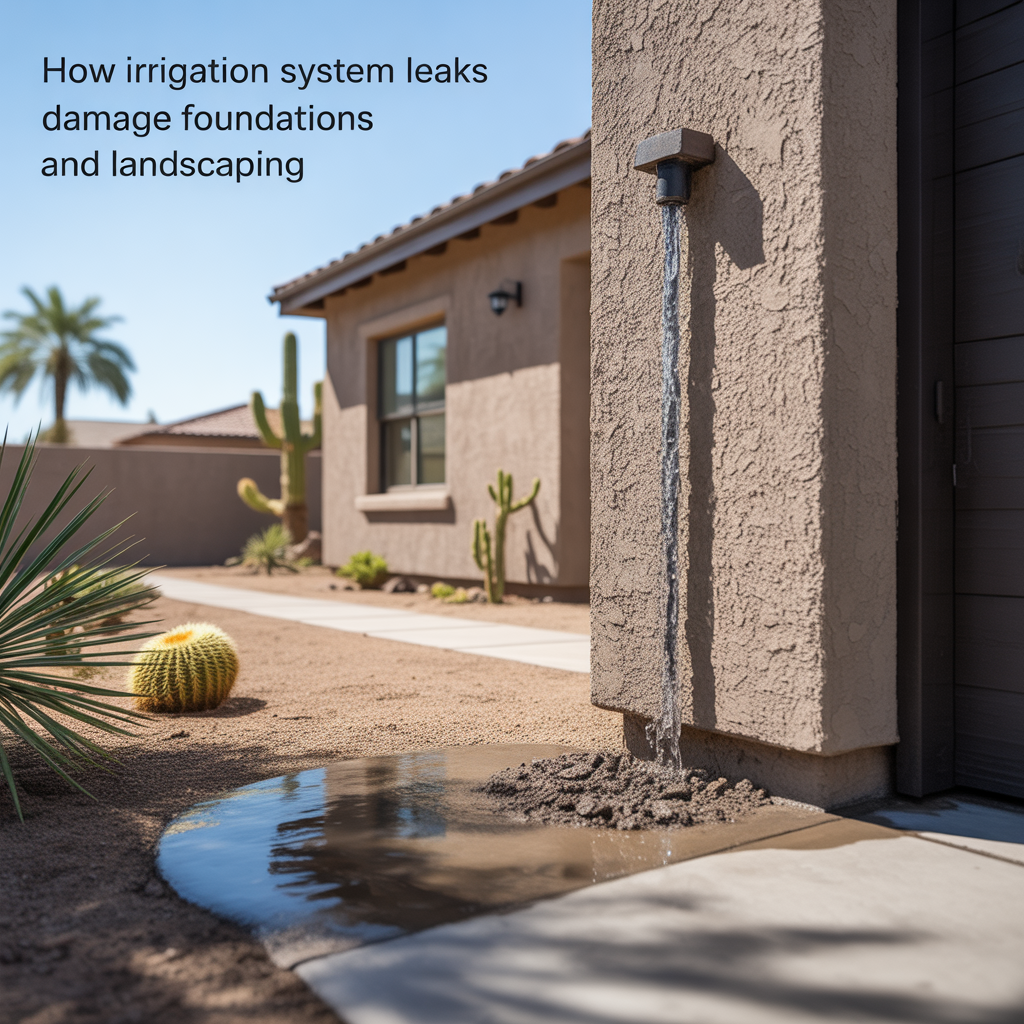
How Irrigation System Leaks Damage Foundations and Landscaping
-

Preventing Roof Damage Before Arizona Monsoon Storms
-

Why AC Tune-Ups Are Critical for Phoenix Homes
-

What Homeowners Should Inspect Before Phoenix Summer Heat Arrives
-

Seasonal Home Maintenance Checklist for Phoenix Homeowners
-
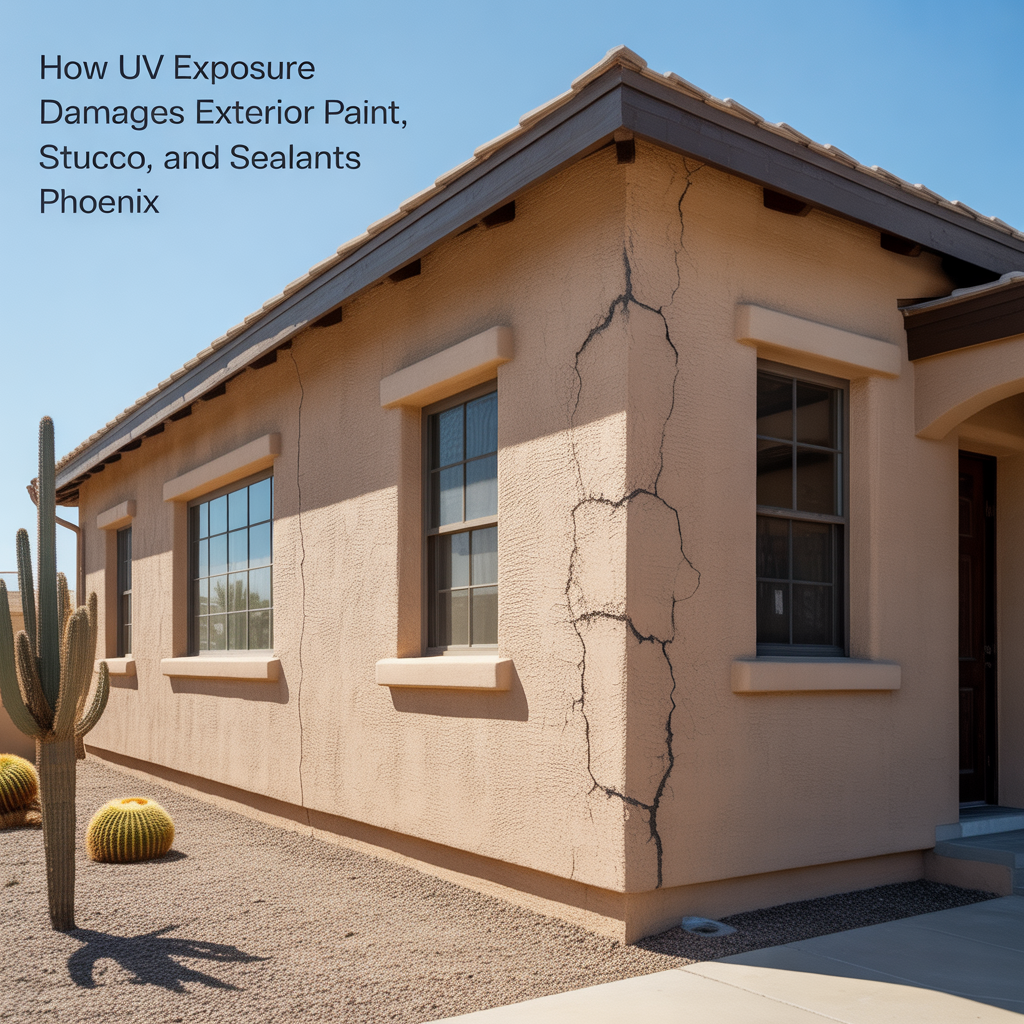
How UV Exposure Damages Exterior Paint, Stucco, and Sealants
-

How Extreme Heat Shortens the Lifespan of Home Systems
-

Why Phoenix Roofs Wear Out Faster Than Many Other Cities
-
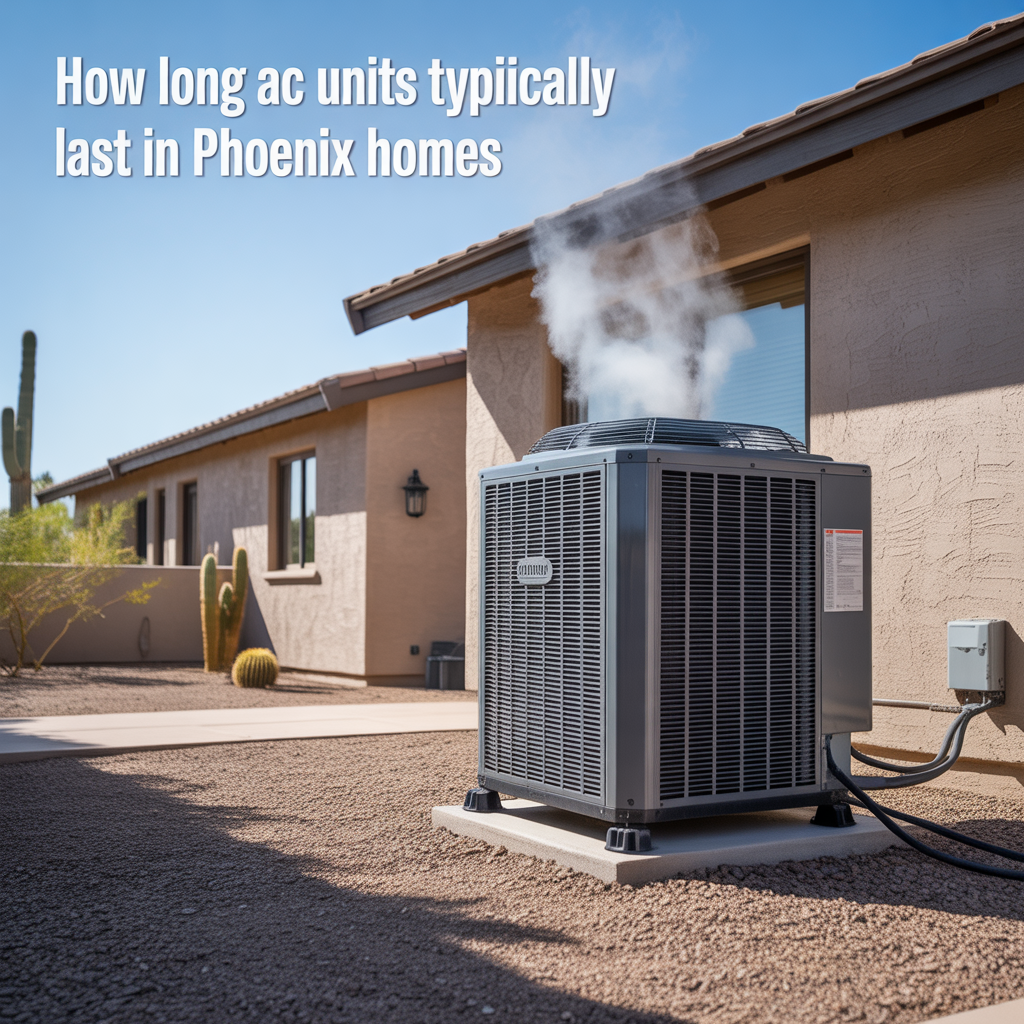
How Long AC Units Typically Last in Phoenix Homes
-

Building a Long-Term Protection Strategy
-
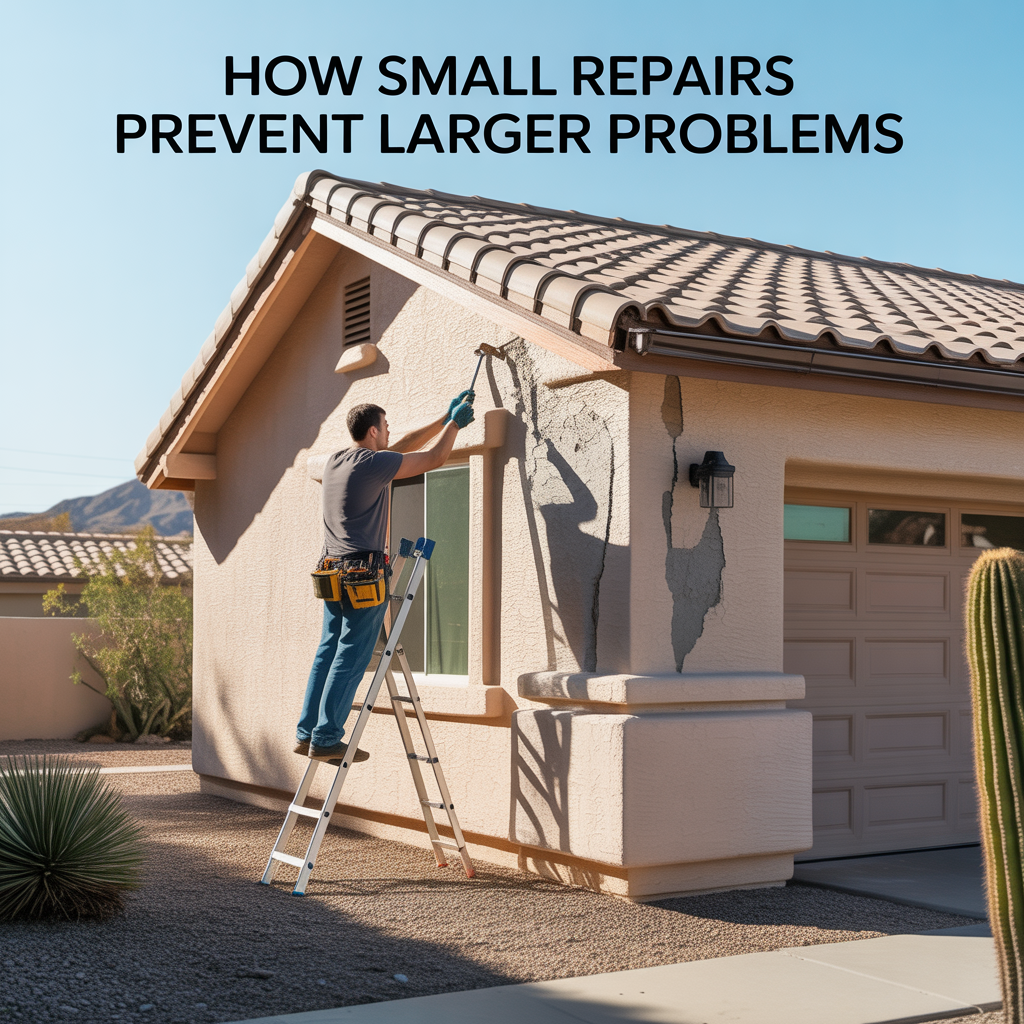
How Small Repairs Prevent Larger Problems
-

Protecting Older Phoenix Homes
-

Warning Signs of Hidden Home Risks
-

Preventative Maintenance That Reduces Insurance Claims
-

Reducing Liability Exposure Around Your Property
-

Liability Coverage Limits Explained
-

When Umbrella Insurance Makes Sense
-

Protecting Yourself From Guest Injury Claims