



Transactional Fears→ [Transactional Fears] & For more info on other fears Phoenix Real Estate → [Phoenix Real Estate Fears Guide]
Written by: Renee Burke
If you’ve been anywhere near the Phoenix market over the past few years, you’ve probably heard at least one story about an appraisal coming in low. It’s one of those phrases that makes even the calmest buyer or seller tense up — and understandably so.
A low appraisal can feel like a verdict, an outsider’s number suddenly deciding whether months of preparation, negotiation, and emotion can move forward. But I’ll let you in on something that seasoned Phoenix agents know for sure: a low appraisal doesn’t have to end a deal.
When handled with patience, facts, and some creative problem-solving, it’s often just a speed bump — not a roadblock. Let me share a few local examples that show exactly how.
Case Study #1: The East Valley Starter Home Appraisal
In Mesa, a young couple finally found the starter home they loved — a tidy 1970s ranch with a lush backyard and a comfortable price point at $460,000. Their offer was strong but not excessive, and both sides felt good about it.
Then came the appraisal — $445,000. Fifteen thousand dollars lower than the contract price.
The sellers were disappointed but not surprised; they’d seen comps that didn’t quite reflect the home’s recent updates. Instead of reacting with frustration, both sides took a breath and reviewed details together.
The sellers agreed to lower the price halfway, to $452,500, while the buyers brought in the remaining $7,500 difference through additional cash. Why did this work? Because both parties wanted the same outcome — a fair, final price that kept momentum.
Lesson: Phoenix appraisals sometimes lag behind real-time market shifts, especially in fast-moving pockets of Mesa or Gilbert. Collaborative spirit, not blame, keeps transactions alive.
Case Study #2: The Appraiser Who Missed the Renovation in North Central Phoenix
A well-renovated ranch in North Central Phoenix went under contract at $975,000 — the going rate for similar size and style in that neighborhood. But when the appraisal report landed, it used several comps from homes that hadn’t been updated since the mid-2000s. The appraiser’s valuation came in at $935,000.
The sellers were crushed. They’d invested heavily in a full kitchen and primary suite remodel and felt the upgrades hadn’t been represented.
We knew this was an appraisal worth challenging. So, we carefully built a data packet: itemized lists of upgrades, receipts, photos of comparable remodels that had closed post-report, and a clean summary of how these specific improvements aligned with neighborhood trends.
After review, the lender sent the file for reconsideration. The appraisal wasn’t fully overturned, but it was adjusted upward to $955,000 — enough to bridge the gap through a modest $10,000 seller concession.
Lesson: Appraisers are human. They rely on available data, and sometimes that data doesn’t tell the full story. A professional, well-documented request for reconsideration can shift outcomes — but only if done factually and respectfully.
Case Study #3: The Queen Creek New Build vs. Existing Home
In newer parts of the Southeast Valley, especially Queen Creek and San Tan, appraisals sometimes struggle to keep pace with what buyers are willing to pay for barely-finished, high-demand new builds.
One recent sale involved a nearly new property listed at $640,000. The buyers offered the full amount, knowing the builder next door had closed months earlier at $615,000 — but with far fewer upgrades. The appraisal came in right at $615,000, ignoring the premium materials, upgraded pool, and landscaping.
The buyers were heartbroken, thinking their dream home might slip away. But the seller’s agent and I both recognized opportunity: the home’s improvements alone justified the difference.
After re-submitting detailed cost breakdowns of the installed features and including neighborhood comps that had since risen in sale price, the lender accepted a second appraisal request. That report matched the contract price exactly — and the sale closed without either side giving in.
Lesson: In Phoenix’s expanding outer communities, new-build appraisals can trail reality. Clear documentation of upgrades can win the argument every time.
Case Study #4: Scottsdale Luxury and the Art of Comp Context
Luxury properties in Scottsdale have a unique challenge — there are fewer true “comps.” Even slight differences in location, view corridor, or lot size can swing value by tens of thousands of dollars.
One million-dollar home came in short by $40,000. Rather than push for a price drop, the seller offered to cover a portion of the buyer’s closing costs, framing it as a gesture of partnership rather than concession. It gave the buyer breathing room and preserved the contract price on paper.
Both parties left the table happy because they focused on total value exchange, not just the number assigned by an appraiser’s model.
Lesson: In higher-end Phoenix neighborhoods, value isn’t just statistical — it’s experiential. Creative solutions like concessions, crediting repairs, or rate buydowns often soften the impact of a low appraisal without anyone “losing.”
Case Study #5: Tempe Townhome—Numbers Meet Neighborhood
A Tempe townhome went under contract for $540,000 in a small, competitive complex near the university. When the appraisal came in at $520,000, both the buyer and seller were startled.
Digging deeper, we found that two of the “comparable” units used in the appraisal lacked garages — a rare feature this unit had. Once that oversight was identified, we requested reconsideration, accompanied by new comps within the same subdivision that truly matched.
The adjusted valuation came back at $535,000, and both parties agreed to split the remaining $5,000 difference. The deal stayed intact, and everyone walked away feeling respected.
Lesson: Phoenix’s condo and townhome communities often have micro-markets — one street or amenity can meaningfully change value. The key is refining comparisons until you’re comparing like-for-like.
Why Low Appraisals Happen
In the Phoenix metro area, appraisals typically lag behind the market for three main reasons:
- Rapid appreciation. In high-demand areas like Eastmark, Arcadia Lite, and Desert Ridge, values can climb faster than recorded sales, making “proof” tricky.
- Renewed listings with hidden upgrades. Many remodels aren’t fully captured in public records, leaving appraisers with incomplete data.
- Out-of-area appraisers. Some lenders assign professionals not familiar with specific Valley micro-markets—like the nuances between Biltmore and Midtown—which can skew accuracy.
Knowing these patterns upfront helps both buyers and sellers manage expectations and prepare their strategy.
How Experienced Agents Keep the Deal Alive
A low appraisal doesn’t automatically mean starting over. Here’s how I guide clients through the process when it happens:
- Review and verify. Always begin with calm examination. Appraisals contain layers — supporting comps, adjustments, condition notes. Look for mismatches or missing details.
- Communicate with respect. When requesting reconsideration, tone matters. A professional packet that educates, rather than criticizes, has far greater impact.
- Explore shared solutions. Between small price adjustments, cash contributions, or seller credits, there’s often neutral ground that preserves balance.
- Remember the end goal. In a community-driven market like Phoenix, relationships and reputations matter. Deals that close with grace often circle back later as referrals or repeat business.
The Phoenix Mindset
Phoenix isn’t a market defined by shortcuts or panic. It rewards buyers, sellers, and agents who approach each moment — even stressful ones like low appraisals — with collaboration and clarity.
I’ve watched deals succeed not because everything went perfectly, but because both sides were willing to keep talking, keep learning, and keep trusting the process. That’s what sets our Valley apart: steady problem-solving built on respect.
A low appraisal isn’t the end. It’s an invitation to look more closely at real value — not just on paper, but in the warmth of a home, the strength of a neighborhood, and the commitment of everyone working together to get to closing day.
If you’re thinking about buying or selling in Phoenix, and you want to understand how appraisals, pricing, and strategy fit together in today’s market, you don’t have to figure it out alone. I’m here to walk through those numbers with you—patiently, honestly, and with the insight that comes from truly knowing this city. Whether you’re navigating your first purchase or preparing to sell a longtime home, I’ll help you move forward with confidence and calm.
Get the full Phoenix Market Insights → [Market Insights]


-

Signs Your Phoenix Roof Needs Inspection or Repair
-

How Long Tile Roofs and Roof Underlayment Last in Phoenix
-

How Smart Thermostats Improve Cooling Efficiency in Arizona Homes
-

Why AC Systems Struggle During Extreme Phoenix Heat Waves
-

How Long Air Conditioning Units Last in Phoenix Homes
-

Warning Signs Your Air Conditioner Is About to Fail
-

How Often Phoenix AC Systems Need Maintenance
-
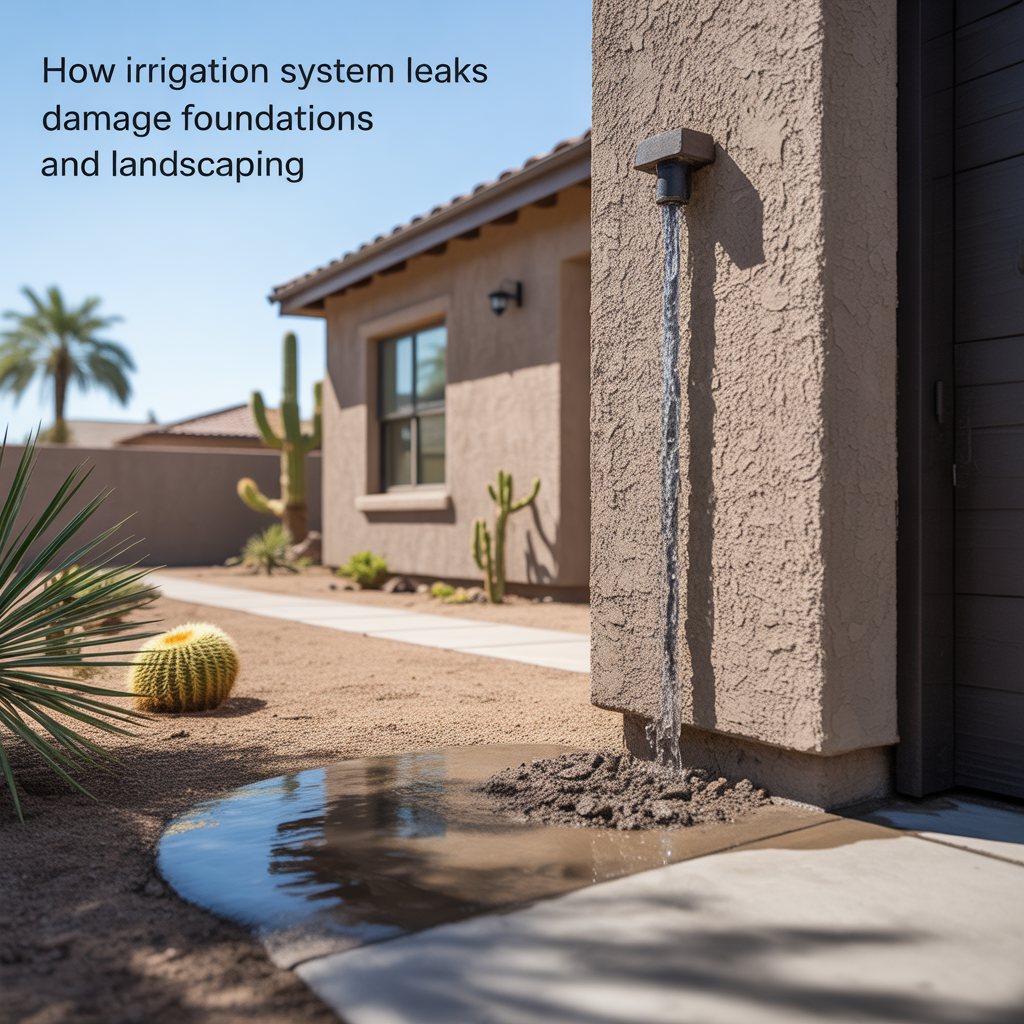
How Irrigation System Leaks Damage Foundations and Landscaping
-

Preventing Roof Damage Before Arizona Monsoon Storms
-

Why AC Tune-Ups Are Critical for Phoenix Homes
-

What Homeowners Should Inspect Before Phoenix Summer Heat Arrives
-

Seasonal Home Maintenance Checklist for Phoenix Homeowners
-

How UV Exposure Damages Exterior Paint, Stucco, and Sealants
-

How Extreme Heat Shortens the Lifespan of Home Systems
-

Why Phoenix Roofs Wear Out Faster Than Many Other Cities
-
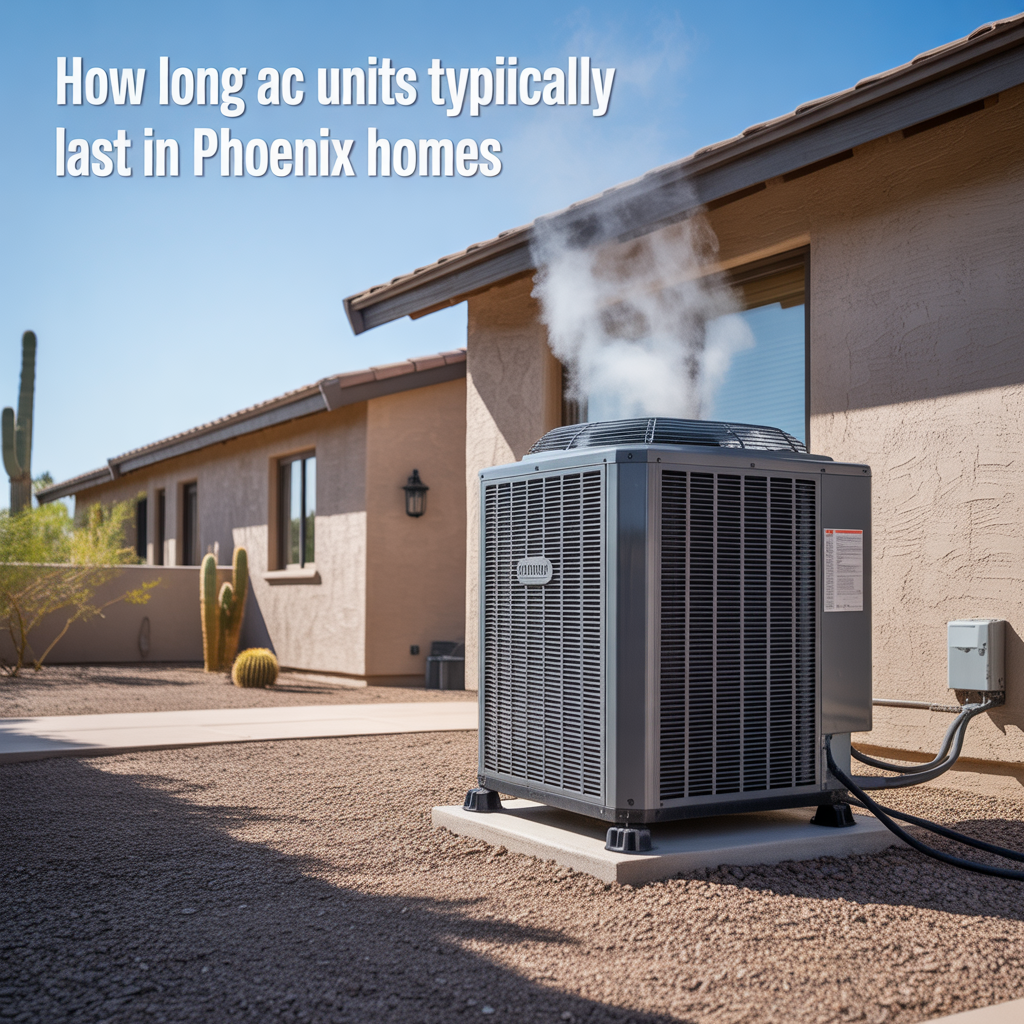
How Long AC Units Typically Last in Phoenix Homes
-

Building a Long-Term Protection Strategy
-
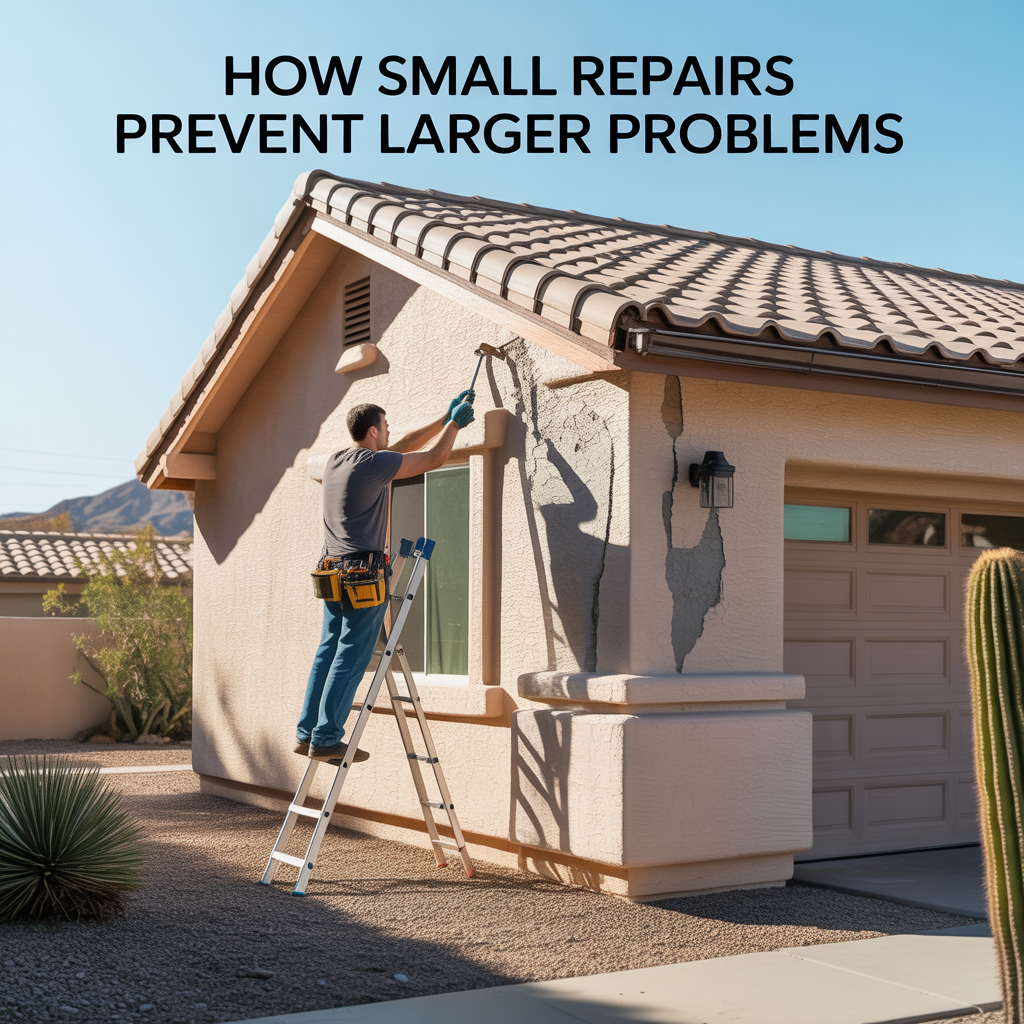
How Small Repairs Prevent Larger Problems
-

Protecting Older Phoenix Homes
-

Warning Signs of Hidden Home Risks
-

Preventative Maintenance That Reduces Insurance Claims
-

Reducing Liability Exposure Around Your Property
-

Liability Coverage Limits Explained
-

When Umbrella Insurance Makes Sense
-

Protecting Yourself From Guest Injury Claims