



Transactional Fears→ [Transactional Fears] & For more info on other fears Phoenix Real Estate → [Phoenix Real Estate Fears Guide]
Written by: Renee Burke
You’re under contract on that sunlit Gilbert two-story near the Riparian Preserve trails, or selling your North Phoenix retreat with views to Black Mountain. The excitement builds, but beneath the surface, contingency deadlines tick like a quiet metronome — inspection windows, loan approvals, title reviews. Miss one, and leverage silently shifts. In Arizona’s structured real estate world, these dates aren’t just calendar marks; they’re the hinges on which your deal turns.
Living and working the Phoenix metro for years, I’ve seen how these timelines favor the prepared. They protect both sides, but awareness turns them into your advantage. Let’s map the standard Arizona Residential Resale Real Estate Purchase Contract (AAR) deadlines — the ones that quietly decide who holds the stronger hand — and how to navigate them with calm confidence.
The Core Contingency Timeline: Day Zero to Close
Arizona contracts start the clock on “Contract Acceptance” — when both parties sign off. From there, days are calendar-based (not business days), and missing a response often waives your rights automatically. Here’s the typical flow in our Valley market, where escrows run 30-45 days:
- Days 0-3: Earnest Money and SPDS. Seller delivers the Seller’s Property Disclosure Statement (SPDS). Buyer reviews and objects within 5 days of receipt (or inspection period, whichever later). Earnest money (1-3% of price) lands in escrow fast — non-negotiable for momentum.
- Days 0-10: Inspection Period. Standard 10 days for buyer’s full home inspection, pest, roof, pool, sewer scope — whatever fits our desert realities like AC strain or stucco settling. Respond with repair requests, credits, or cancellation by end-of-day 10.
- Days 0-10: Title/HOA Review. 5-10 days to flag liens, easements, or HOA docs. In Power Ranch or DC Ranch, estoppels can lag; object promptly or accept.
- Days 7-21: Appraisal. Lender orders post-inspection; results due around 7-21 days. Low appraisal? Renegotiate or cover gap by loan deadline.
- Days 21-30: Loan Contingency Removal. Final approval without “Prior to Documents” (PTD) conditions, typically 3 days pre-close-of-escrow (COE). Sign docs or notify inability.
- Close-of-Escrow (COE): 30-45 days total. Funds, keys, done.
These flex with negotiation — hot Scottsdale bids shorten inspections to 5 days; rural Cave Creek stretches to 14. But defaults hold power.
How Deadlines Shift Leverage: Buyer’s View
As a buyer eyeing that Chandler Ocotillo gem, early deadlines are your shield — exit cleanly if the pool pump wheezes or Kyrene schools don’t align. But let them lapse, and you’re “in” without outs:
- Inspection (Day 10): No notice? You accept “as-is.” Leverage lost; stuck negotiating post-contingency.
- Loan (Day 21-30): Waive removal, and seller can demand close or cancel, claiming your deposit.
- Appraisal: Untied to loan? Gap is yours post-deadline.
Phoenix tip: In balanced 2026 markets, sellers honor short extensions for solid buyers — but backups lurk. Stay proactive to keep options open.
Seller’s Leverage: When Buyer Deadlines Pass
Sellers of that Ahwatukee four-bedroom, your power peaks as buyer contingencies fade. No inspection notice by Day 10? Contract proceeds “as-is.” Loan not removed? Issue Demand to Close Escrow (DCE), grab earnest money after cure period.
Local edge: HOA-heavy Gilbert sales shine here — buyers must object to fees early, or live with them. In slower segments under $500K, missed deadlines let you pivot to the next offer amid 3-4 months’ inventory.
Reality check: Most communicate before escalation; rigid enforcement feels rare in our neighborly Valley.
Special Contingencies: Home Sale, 1031, and More
Not all deals fit the standard:
- Home Sale Contingency: Buyer must close their sale first; timelines per addendum (30-60 days common). Sellers add kick-outs (24-72 hours to match backups).
- 1031 Exchange: Federal rules — 45 days to ID replacement, 180 to close. Investor must-haves in flipping Eastmark spec homes.
- Sale Contingency: Starts after buyer’s property offer acceptance; inspection clock pauses until then.
Negotiate these upfront — Phoenix luxury shortens, investors extend.
The Quiet Power: Why Dates Decide Everything
These deadlines create “decision gates.” Pre-inspection, buyer rules. Post-loan removal, seller dominates. In Maricopa County, where conventional loans take 21-30 days and VA/FHA longer, alignment prevents slips. Misconception: “A day late is fine.” Contracts disagree — silence waives.
Phoenix nuance: Seasonal rushes (spring training buys) compress timelines; monsoons delay inspections. Track via shared calendars; agents send alerts.
A Local Deadline Drama Resolved
Guiding a Mesa family on a $489K Superstition Springs purchase, their inspection response hit Day 11 — one day late due to email glitch. Seller noticed, but we filed mutual extension addendum same-day, plus $300 credit. Closed smoothly. Had we missed loan removal? Deposit risked. Early vigilance saved leverage — and smiles over backyard citrus.
Your Timeline Mastery Plan
- Calendar everything: Day 0 acceptance triggers all. Alerts 48 hours pre-deadline.
- Weekly check-ins: Agent/lender syncs flag drifts.
- Negotiate wisely: Shorten for seller appeal in Arcadia; extend for peace in Peoria.
- Document digitally: Notices via escrow — no “I didn’t get it” excuses.
- Buffer mindset: Build 3-5 extra days where possible.
Mastery turns deadlines from threats to tools.
Leverage Lives in the Details — Yours Awaits
Arizona’s contingency deadlines quietly steer Phoenix deals toward success for the mindful. They protect, they pressure, they empower. Know them deeply, and your transaction flows with grace amid our saguaro sunrises.
If you’re crafting an offer or sale in the Phoenix metro — or decoding deadlines mid-escrow — you don’t have to track it alone. Reach out; let’s calendar your path, balance the leverage, and move you forward confidently. I’m your Valley insider, here every step.
Get the full Phoenix Market Insights → [Market Insights]


-
Cost of Living in Rhode Island: Housing, Taxes, Utilities, and Everyday Expenses
-

What If My Commute Becomes Worse Than Expected?
-

How Aging Home Systems Affect Property Value
-

Energy Efficiency Upgrades for Phoenix Homes
-
How to Plan for Major Home System Replacements
-

When Phoenix Homeowners Should Replace Water Heaters
-

Repair vs Replace Decisions for Phoenix HVAC Systems
-

Creating a Long-Term Home Maintenance Plan
-

How Often Phoenix Homes Should Be Professionally Inspected
-

Early Warning Signs of Major Home System Failures
-

How Preventative Maintenance Protects Phoenix Property Value
-

The Best Annual Home Maintenance Plan for Phoenix Homes
-

Electrical Safety Inspections for Older Phoenix Homes
-

Why Whole-Home Surge Protection Matters in Arizona
-

Preparing a Phoenix Home for Electric Vehicle Charging
-

Signs Your Home’s Electrical System Is Overloaded
-
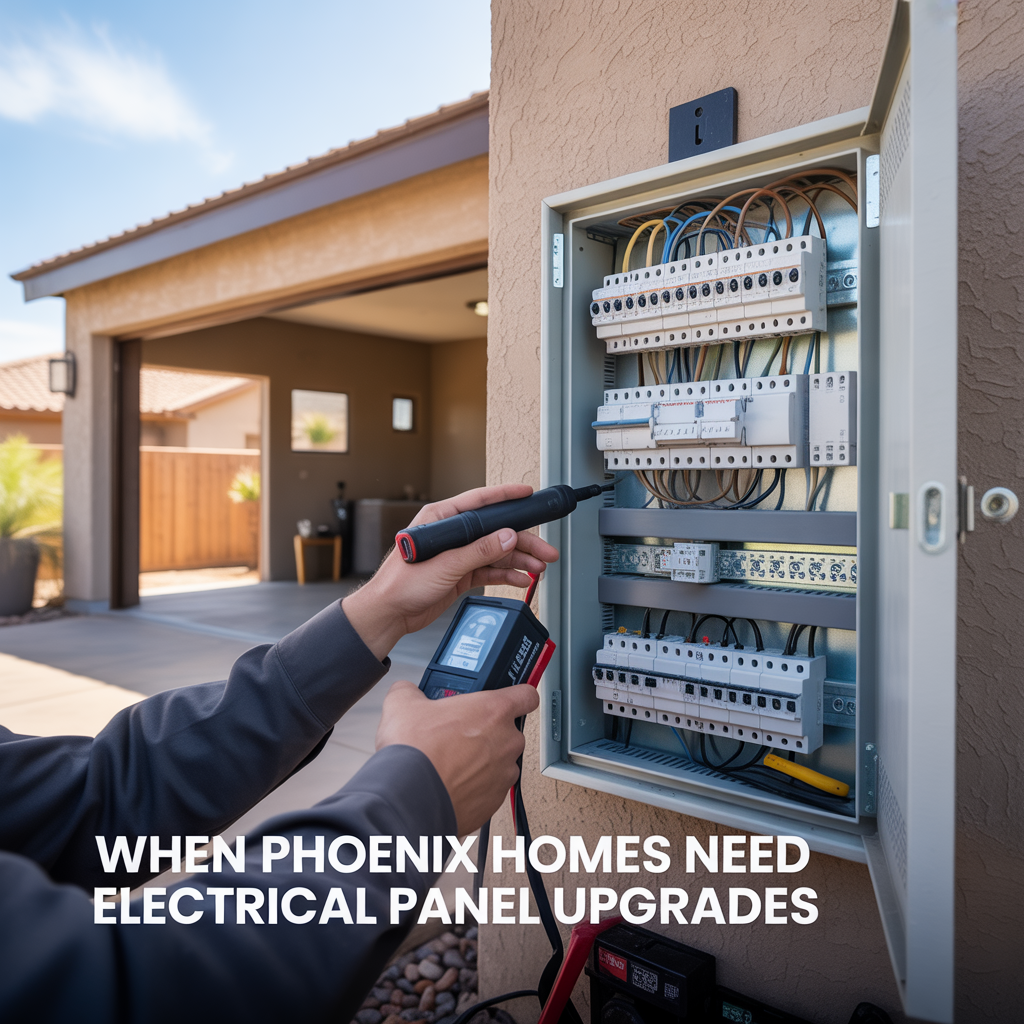
When Phoenix Homes Need Electrical Panel Upgrades
-

Water Pressure Problems in Phoenix Homes Explained
-

Preventing Irrigation Leaks That Waste Water in Desert Landscapes
-

Signs of Hidden Plumbing Leaks in Phoenix Houses
-

How Long Water Heaters Last in Arizona Homes
-

How Hard Water Affects Plumbing Systems in Phoenix Homes
-

Preventing Water Damage in Phoenix Homes During Storms
-

Roof Maintenance Tips Before Phoenix Monsoon Season
-

How Arizona Sun Damages Roofing Materials Over Time