



Transactional Fears→ [Transactional Fears] & For more info on other fears Phoenix Real Estate → [Phoenix Real Estate Fears Guide]
Written by: Renee Burke
You’re hours from closing on your Phoenix home, the buyer’s walking through for that final check, and suddenly they spot something—a scuff, a fixture askew, or worse. I’ve been right there with sellers across the Valley, from cozy Chandler bungalows to spacious Ahwatukee spreads, calming nerves when these moments arise. The final walk-through is meant to confirm your home’s condition hasn’t changed since inspection and repairs are done, but it often stirs last-minute jitters. Breathe easy: most issues are minor annoyances, not deal-breakers, and knowing the difference keeps your close on track.
As your local guide who knows Maricopa County escrows inside out, I’ll sort the true concerns from the cosmetic, with practical ways to handle each. You’ve worked hard to get here—let’s protect that progress.
The Purpose: Quick Confirmation, Not Re-Negotiation
In Arizona’s standard AAR contracts, the final walk-through happens 24–48 hours before closing, giving buyers a final peek to verify agreed repairs, no new damage, and contract inclusions like that Sub-Zero fridge or garage shelving. It’s not a white-glove inspection or chance to nitpick—our desert market moves fast, and buyers know delays cost them earnest money.
Phoenix twists: heat-warped doors or monsoon-prepped AC units might get a glance, but pros focus on function over perfection. Sellers prep by broom-cleaning, testing systems, and snapping photos as your baseline. If trouble brews, your agent mediates calmly—no panic needed.
What Truly Matters: Safety, Systems, and Contract Breaches
These are the red flags that could legitimately pause closing. Address them promptly, as they tie to warranties, codes, or your agreement.
- Major new damage or unrepaired inspection items.
A cracked pool plaster from hasty draining in Queen Creek or an unfixed roof leak in older Tempe—things flagged pre-contract and ignored. Matters because it breaches the “same or better condition” clause. Fix: Show receipts/proof; minor holds from proceeds cover the rest. - Broken or missing major systems/appliances.
HVAC not cooling (critical in our 110° summers), non-flushing toilets, or the sold refrigerator yanked last-minute. Test everything pre-walk: lights, outlets, faucets, oven igniters. In Gilbert HOAs, confirm garage door openers work—buyers check religiously. - Utility disruptions or hazards.
No hot water, smoke detectors yanked, or GFCIs tripped. Phoenix codes demand functional detectors; missing ones halt recording. New water stains? Flag for possible hidden leaks, especially post-mover scuffs. - Missing inclusions or surprise exclusions.
Contract said washer/dryer stays, but they’re gone. Or those custom Cave Creek horse stalls dismantled without notice. Review your addendum—buyers can demand return or credits.
These warrant action because they risk post-close disputes or lender pullbacks. I’ve seen a single dead AC unit delay a Scottsdale close by 72 hours—easy fix with a service call.
What’s Just Annoying: Normal Wear and Buyer Pickiness
These don’t derail deals; they’re life in a lived-in home. Educate buyers gently—our market rewards realism.
- Minor cosmetic scuffs or cleaning lapses.
Wall dings from movers, dusty blinds, or crumbs in cabinets. Broom-swept is standard, not spotless. Annoying? Yes. Walk-away? No—vacuums and rags fix it pre-walk. - Furniture ghosts or staging removal marks.
Nail holes from pictures or dimples in low-pile carpet from that heavy couch. Expected in Phoenix flips; buyers touring empty homes anticipate it. - Outdoor weathering.
Sun-faded patio cushions (if included), pebble shifts in xeriscaped yards, or a loose gate latch. Desert elements move fast—minor tweaks suffice, no overhaul. - Personal taste flags.
“This paint’s too beige” or “Curtains look tired”—irrelevant unless contracted. Valley buyers know custom touches come later.
Your agent reminds: “Broom-clean and functional” is the bar. I coach sellers to walk the property themselves first, noting “annoyings” for quick polish.
Phoenix-Specific Walk-Through Watch-Outs
Our climate and communities add flavor:
| Issue Type | Valley Example | Matters or Annoying? | Seller Fix |
|---|---|---|---|
| HVAC | Pool pump tripped by heat | Matters—test runtime | Service ticket if off |
| Exterior | Fence post wobble post-wind | Annoying if minor | Tighten screws |
| HOA | Mailbox key missing | Matters—estoppel req. | Duplicate from assoc. |
| Unique | Solar inverter blink | Matters—verify output | Panel tech check |
| Cosmetic | Stucco touch-up needed | Annoying | Spackle kit |
This quick reference has smoothed dozens of my closings—printable peace of mind.
Handling Problems Gracefully: Your Playbook
- Pre-walk prep ritual. 24 hours prior: run all systems, clean visibly, stage per contract. Leave manuals/warranties, extra keys, remotes.
- During the walk. Agent present? Ideal—they note issues neutrally, photos timestamped. Buyers flag? Respond: “Let’s verify against inspection.” Escrow hold for fixes if legit.
- Post-walk resolutions. Minor: Seller handles same-day. Major: Amendment for credits/time. No agreement? Contract deadlines protect—closing proceeds unless safety voids it.
- Worst case. Rare refusal halts funding; backups activate. But 95% resolve with goodwill.
I’ve turned a furious “missing chandelier” into laughs over coffee—communication wins.
A Real Chandler Close Story
Seller vacuumed, tested AC—buyer gripes about fridge shelves shifted in moving. Annoying, not material. Agent shows photos, buyer signs off. Keys at recordation, seller toasting in new Gilbert kitchen by dusk. Contrast: Ignored HVAC? Week-long delay. Prep prevails.
Step Into Closing with Confidence
Final walk-throughs test patience, not partnerships. Focus on function and fairness—Phoenix pros know the rhythm, keeping your equity secure.
If your walk-through’s looming or a buyer’s list feels endless, you don’t have to navigate it alone. I’m here in the Valley, ready to review your contract, prep your property, and stand by for that smooth handoff. Reach out—let’s make your close as reassuring as the rest of your journey.
Get the full Phoenix Market Insights → [Market Insights]


-

Signs Your Phoenix Roof Needs Inspection or Repair
-

How Long Tile Roofs and Roof Underlayment Last in Phoenix
-

How Smart Thermostats Improve Cooling Efficiency in Arizona Homes
-

Why AC Systems Struggle During Extreme Phoenix Heat Waves
-

How Long Air Conditioning Units Last in Phoenix Homes
-

Warning Signs Your Air Conditioner Is About to Fail
-

How Often Phoenix AC Systems Need Maintenance
-

How Irrigation System Leaks Damage Foundations and Landscaping
-

Preventing Roof Damage Before Arizona Monsoon Storms
-

Why AC Tune-Ups Are Critical for Phoenix Homes
-

What Homeowners Should Inspect Before Phoenix Summer Heat Arrives
-

Seasonal Home Maintenance Checklist for Phoenix Homeowners
-
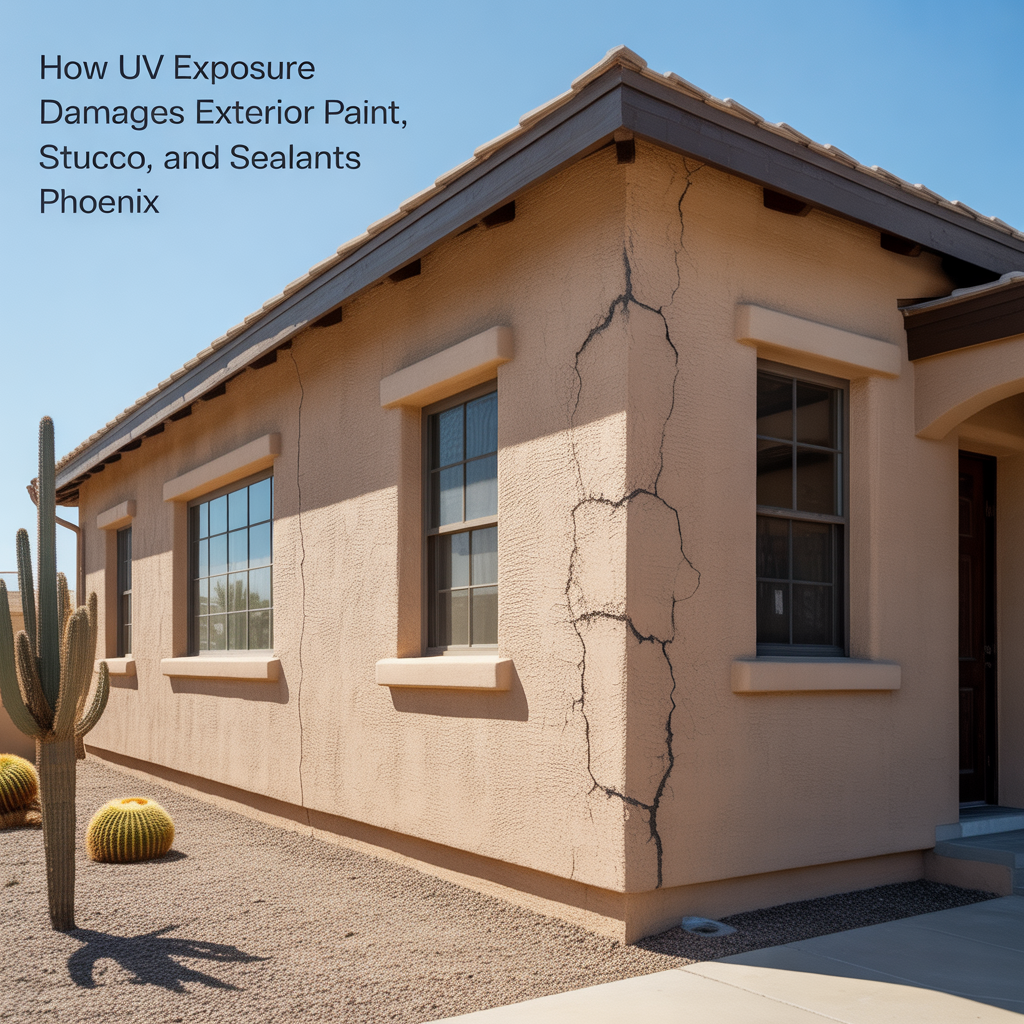
How UV Exposure Damages Exterior Paint, Stucco, and Sealants
-

How Extreme Heat Shortens the Lifespan of Home Systems
-

Why Phoenix Roofs Wear Out Faster Than Many Other Cities
-
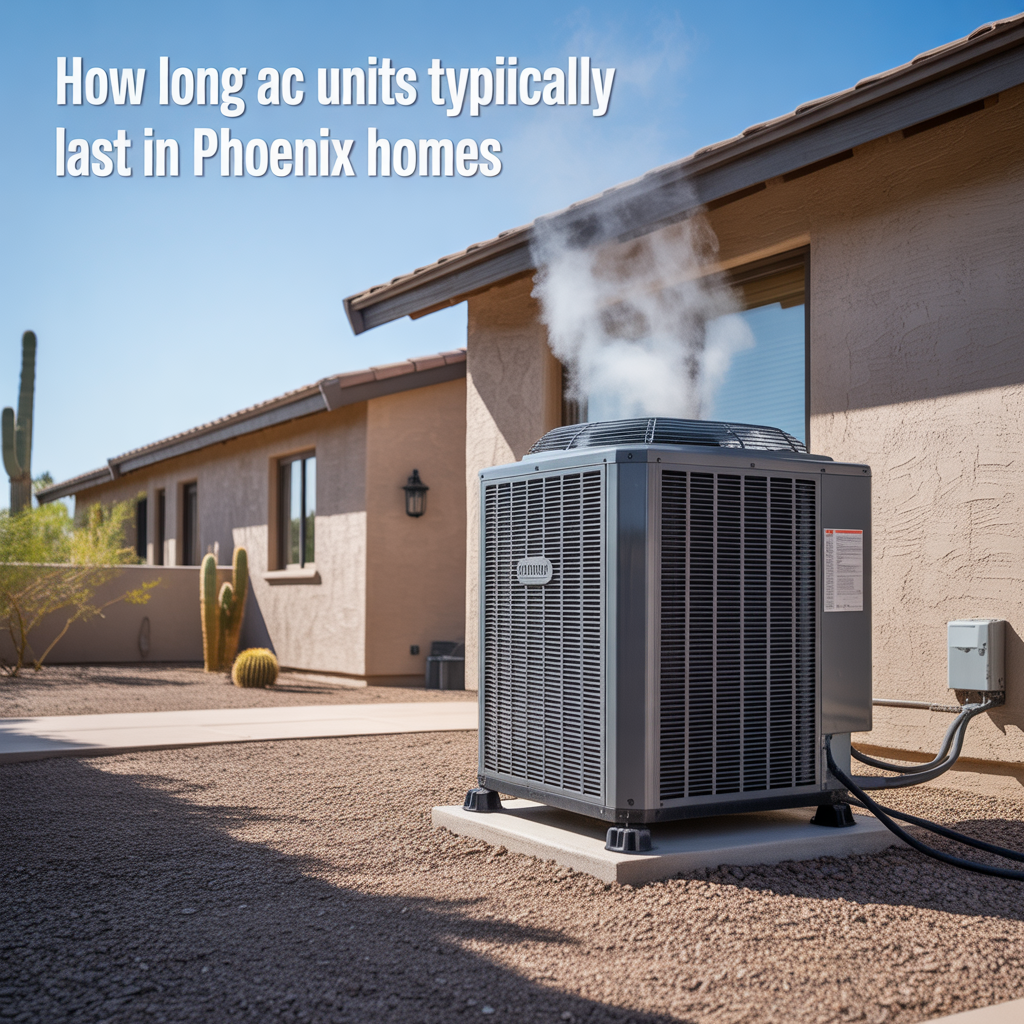
How Long AC Units Typically Last in Phoenix Homes
-

Building a Long-Term Protection Strategy
-
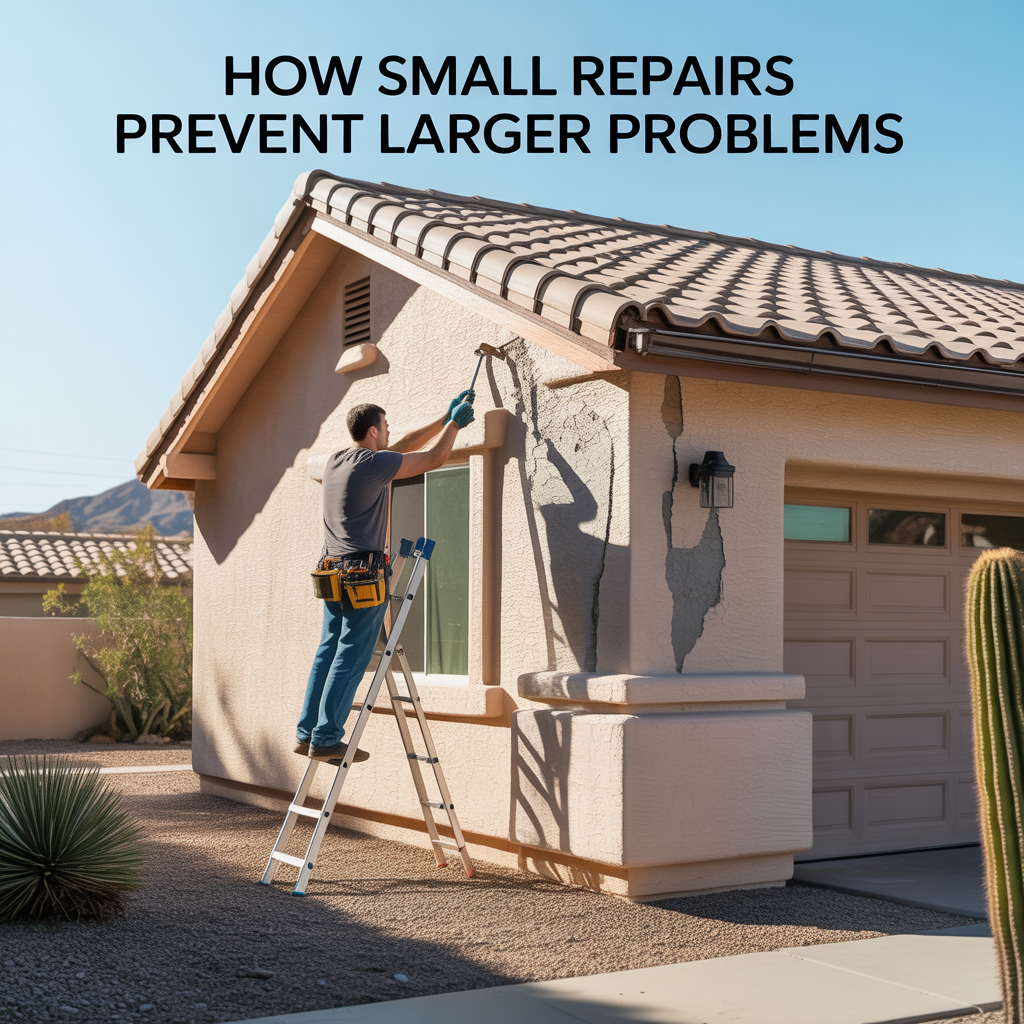
How Small Repairs Prevent Larger Problems
-

Protecting Older Phoenix Homes
-

Warning Signs of Hidden Home Risks
-

Preventative Maintenance That Reduces Insurance Claims
-

Reducing Liability Exposure Around Your Property
-

Liability Coverage Limits Explained
-

When Umbrella Insurance Makes Sense
-

Protecting Yourself From Guest Injury Claims