



Transactional Fears→ [Transactional Fears] & For more info on other fears Phoenix Real Estate → [Phoenix Real Estate Fears Guide]
Written by: Renee Burke
I’ve been guiding Phoenix sellers through escrow for years, and there’s one phrase that can make even the most patient homeowner’s stomach drop: “We just need one more thing from the buyer.” It’s frustrating, I know—especially when you’re packing boxes and envisioning your next chapter in the Valley. But here’s the reassuring truth: these requests are far more common than you might think, and with the right approach, they don’t have to derail your peace or your timeline.
In our Phoenix market, where escrows hum along at 30–45 days for financed deals, lender nitpicks are often just the final polish on an otherwise solid file. Let’s walk through how to handle them gracefully, keeping your sale on track without losing sleep.
Why Lenders Ask for “One More Thing”—and Why It’s Often Normal
Lenders aren’t trying to torture anyone; they’re bound by strict regulations to verify every detail before funding. In Arizona, underwriting teams double-check income, assets, and credit right up to the wire, often requesting updated pay stubs, bank statements, or explanations for a large deposit. It’s their way of ensuring the loan is bulletproof.
These asks peak in the last 7–10 days before closing, when the Closing Disclosure must sit for three business days. A single missing item—like a utility bill trace or gift fund letter—can feel endless, but it’s usually resolved quickly if everyone stays proactive. Think of it as the escrow equivalent of a flight delay: annoying, but rarely a cancellation.
The key difference in Phoenix? Our local lenders, familiar with Maricopa County title processes and HOA quirks, often turn these around faster than out-of-state ones. Patience here protects your progress.
Stay Calm by Getting Specific—Immediately
The first step to de-escalating frustration is clarity. When that “one more thing” email lands, don’t stew—loop in your agent to ask three simple questions:
- What exactly is needed, and why?
- When is the drop-dead deadline for submission?
- Who is accountable—the buyer, processor, or underwriter?
In my experience, vague responses breed anxiety, but specifics bring control. For instance, if it’s “updated bank statements,” your agent can nudge the buyer’s side: “Send the last two months’ worth, directly from the bank portal, by end of day tomorrow.” Clear parameters turn chaos into a checklist.
I’ve seen this shift a tense 48-hour standoff into a same-day fix more times than I can count—especially in neighborhoods like Gilbert or Chandler, where buyers are often local and responsive.
Your Agent’s Role: The Buffer That Keeps Things Smooth
This is where having a steady-handed Phoenix pro shines. A great listing agent doesn’t just forward emails—they quarterback the response. They’ll call the lender directly (yes, pick up the phone), confirm receipt of documents in real time, and CC everyone so there’s a paper trail.
If requests start piling up, your agent can also request a “clear to close” timeline from the lender, complete with milestones. In Arizona’s AAR contract world, this transparency holds feet to the fire without confrontation. It’s like having a calm translator between you and the frenzy—freeing you to focus on your move, not the minutiae.
And remember, if it’s a repeat offender lender, we note it for future reference. Valley-savvy teams know which local players deliver without the drama.
Practical Steps to Minimize the “One More Thing” Spiral
Here’s how to head off escalation before it starts. These are the quiet strategies that keep escrow humming in our market:
- Prep buyers early. From day one under contract, remind them (gently, via agent) to freeze credit, avoid new debt, and hoard recent financial docs. A buyer who’s ready dodges 80% of these hiccups.
- Set expectations at contract signing. In your purchase addendum, include language about timely document submission. It’s not aggressive—it’s protective, signaling everyone plays by Phoenix escrow norms.
- Build in buffer days. Aim for a 35–40 day close, even if the buyer pushes for 30. That cushion absorbs the inevitable without panic. Cash deals? Still pad 10–14 days for title and recording quirks in busy Maricopa County.
- Document everything. Screenshot submissions, log dates, and share a shared status sheet if needed. When tensions rise, facts calm the room faster than promises.
- Escalate thoughtfully. If “one more thing” becomes five, request a lender conference call. No accusations—just “Let’s align on the path to clear to close.” It’s collaborative, not combative.
These aren’t gimmicks; they’re battle-tested from closings in Ahwatukee tract homes to custom builds in Cave Creek. They work because they respect the process while honoring your timeline.
When to Draw a Line: Protecting Your Position
Most lender requests are benign, but instincts matter. If asks feel endless—shifting from “pay stubs” to “full tax returns” with no end in sight—or communication goes dark, it’s time to reassess. Red flags include:
- No progress after 72 hours on a “urgent” item.
- Buyer unresponsiveness, pointing to deeper qualification issues.
- Lender changing terms late, like down payment hikes.
In those moments, activate backups: enforce extension fees per contract, pursue your backup offer, or renegotiate earnest money release. Your home isn’t a pawn—Phoenix sellers hold strong cards in a balanced market.
But 9 times out of 10, steady handling nips it in the bud. You deserve a closing that feels predictable, not precarious.
The Emotional Side: Breathing Through the Frustration
Let’s be real—escrow stress hits different when it’s your home, your equity, your move to that dream spot in South Tempe or a quieter Gilbert enclave. Those lender loops can stir fears of “What if it all falls apart?” Take a beat: pour a coffee, walk the neighborhood, remind yourself this is temporary.
I’ve held hands (figuratively) through dozens of these with clients—many who started frazzled and ended grateful. The ones who stayed centered closed stronger, often on or ahead of schedule. Your calm sets the tone; the deal follows.
A Real Phoenix Example
Picture this: a Chandler seller with a 35-day close. Week four hits, and the lender wants “one more” bank statement, then a gift letter trace. Frustration builds. Agent steps in, gets verbal confirmations, buyer submits by noon the next day. Lender clears by evening. Closing happens on time, keys in hand Friday.
Without that coordination? Two-week delay, double rent, mover reschedules. See the difference? Proactive poise pays off.
You’ve Got This—With the Right Support
Navigating lender curveballs doesn’t have to rattle your world. By leaning on clear communication, agent expertise, and a few smart safeguards, you turn potential chaos into just another step toward closing day.
If you’re in escrow now and those “one more thing” emails are stacking up, you don’t have to manage the worry alone. I’m here in the Phoenix metro, ready to review your updates, call the lender if needed, and guide you to a calm, confident close—every step of the way. Reach out anytime; let’s keep your deal moving smoothly.
Get the full Phoenix Market Insights → [Market Insights]


-

How the Phoenix Desert Climate Shapes Everyday Life Inside the Home
-

How Phoenix Weather Patterns Shape Everyday Home Routines
-

Why Homes Often Feel More Comfortable After the First Year of Ownership
-

How Living in Phoenix Changes the Way Homeowners Use Their Homes
-

What New Phoenix Homeowners Learn During Their First Year of Ownership
-

How Daily Life Changes After the First Year of Living in a Phoenix Home
-
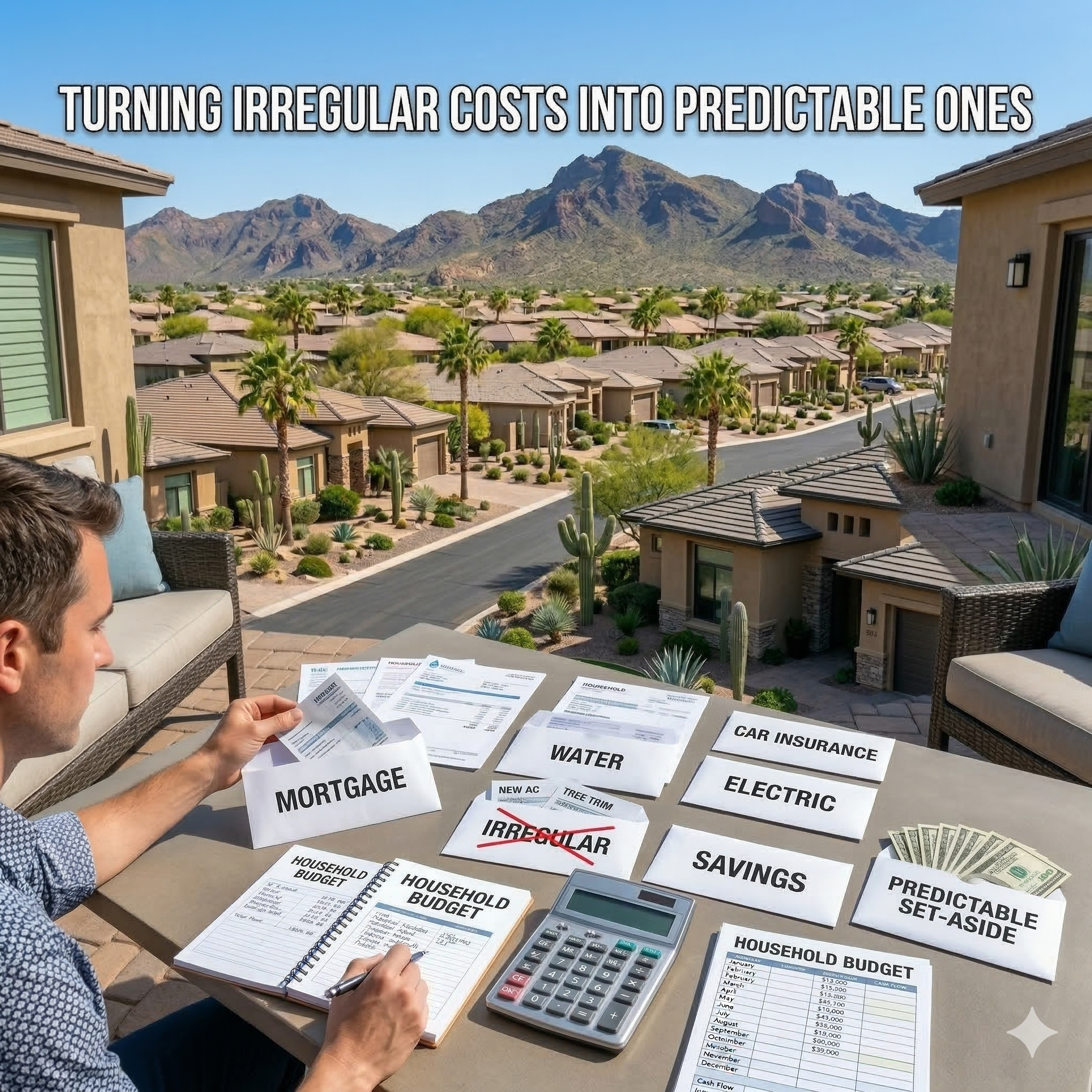
Turning Irregular Costs Into Predictable Ones
-

Budgeting for Ongoing Ownership
-

Repair vs Replace vs Defer Decisions
-

Planning Homeownership Like a Long-Term Asset
-

What Home Expenses You Can Safely Delay
-

Stopping Cost Creep Early
-

Cash Flow vs Net Worth Stress
-

Why “It’s Not That Much” Adds Up
-

Warning Signs Your Ownership Budget Is Tightening
-

The Cumulative Cost of Small Home Repairs
-

Designing Budgets Around Local Conditions
-

Utility Costs Over Time in Desert Climates
-

Insurance Increases Explained for Arizona Homeowners
-

How Inflation Impacts Phoenix Homeownership Costs
-

Avoiding Debt-Driven Homeownership Decisions
-

Replacing Systems on Your Timeline
-

Why Emergency Repairs Cost More
-

Timing Major Expenses Without Financial Shock
-

How Much to Keep in a Phoenix Home Reserve Fund