


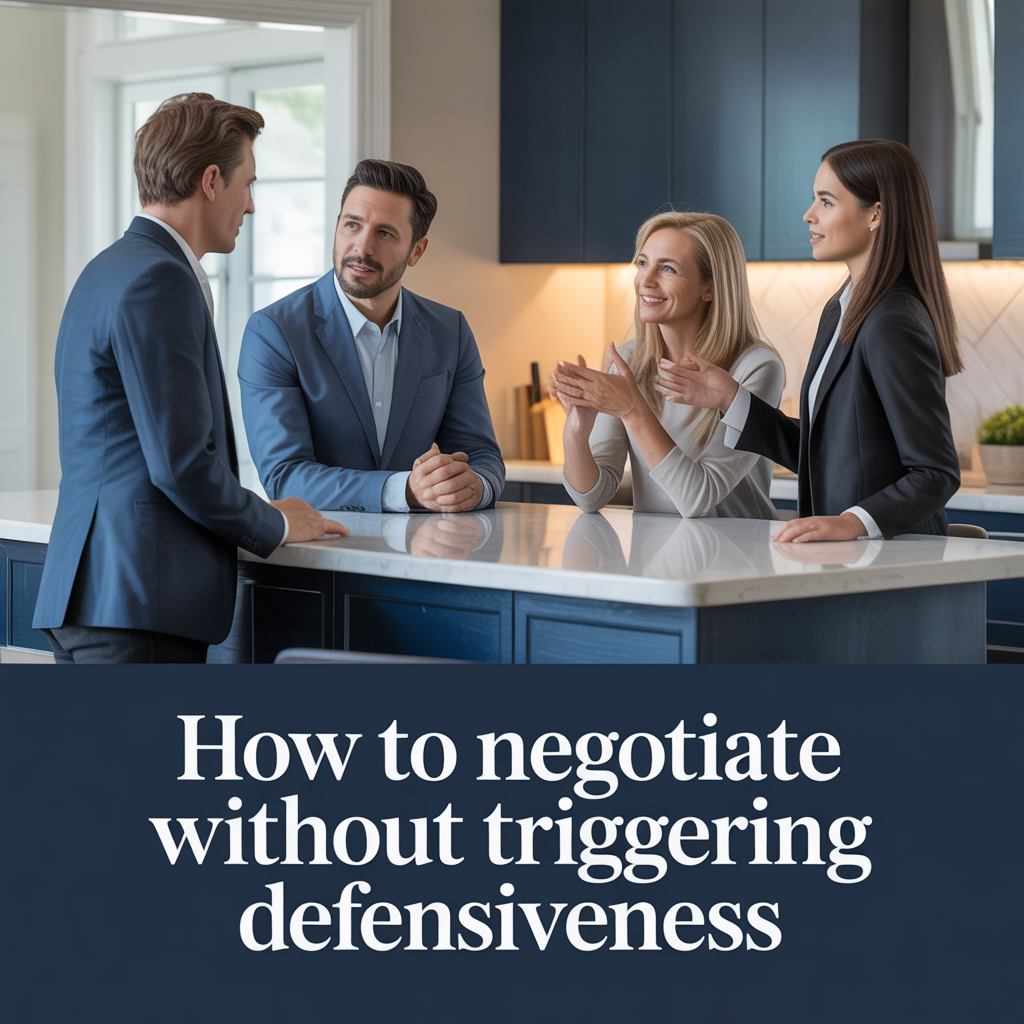
Transactional Fears→ [Transactional Fears] & For more info on other fears Phoenix Real Estate → [Phoenix Real Estate Fears Guide]
Written by: Renee Burke
Negotiations in Phoenix real estate can feel like a delicate dance, especially when everyone’s emotions run deep. You’re eyeing a cozy Chandler ranch with a dipping pool or a North Phoenix townhome steps from the trailhead, and the back-and-forth over price or repairs begins. One wrong word, though, and the other side digs in—defensiveness rises, trust frays, and the deal wobbles.
I’ve guided hundreds of Valley families through these moments, and the secret isn’t outmaneuvering anyone. It’s framing every ask with empathy and facts, so conversations stay collaborative, not combative. You can advocate strongly while keeping hearts open—let’s see how.
Why Defensiveness Derails Phoenix Deals
Here in the metro area, sellers pour years into battling desert heat—new tile roofs, beefed-up ACs, drought-proof yards. Buyers dream of foothill sunsets or Gilbert Unified schools. When negotiations poke at those efforts or dreams, it feels personal, not professional.
Defensiveness flares fastest from tone, surprises, or blame. A curt “This is too high” stings like rejection. But lead with understanding—“I see the care you’ve put into this yard through our summers”—and walls stay down. In our tight-knit communities, where neighbors often become the other side, preserving rapport pays dividends.
Step 1: Start with Shared Ground
Open every exchange by naming what unites you. “We both want this to work for your family’s next chapter and ours starting fresh.” Or “This home shows like it’s been loved—let’s find a path that honors that.”
This isn’t fluff; it resets the mindset from “us versus them” to “we’re in this together.” Phoenix sellers warm to buyers who get our lifestyle—pool parties in 110-degree heat, monsoon prep. That common ground disarms before the first ask lands.
Step 2: Lead with Questions, Not Demands
Questions invite dialogue; statements shut it down. Instead of “Fix the pool pump or we walk,” try “The inspection noted the pool pump—what’s the best way to handle that for a smooth close?”
This shows curiosity, not criticism. In East Valley deals, where HOA rules add layers, questions like “How has the AC held up in peak summer?” uncover motivations without accusation. Active listening follows—paraphrase back: “So maintenance has been solid, but replacement is due soon?” It builds trust, reveals priorities, and keeps defensiveness at bay.
Step 3: Anchor in Facts, Not Feelings
Data calms nerves; opinions spark debate. Back every position with Valley specifics: “Comps in Ocotillo show similar updates selling at $X per square foot.” Or “Recent appraisals near Loop 202 average 2% below list for this footprint.”
Phoenix’s patchwork market—from Scottsdale luxury to Surprise value—demands local intel. Share recent closings in the buyer’s or seller’s neighborhood, not national trends. Facts feel objective; they invite “Let’s verify” instead of “You’re wrong.”
Step 4: Frame Asks as Options, Not Ultimatums
Give choices to preserve autonomy. “Would a credit toward the fence repair work, or prefer to handle it pre-close?” Multiple paths signal flexibility, not rigidity.
In appraisal gaps—common after our boom years—this shines. “We could cover the difference, split it, or revisit comps together.” Sellers feel control, not cornered. For repairs, “New quote at $2,500, or seller picks the vendor?” Options turn potential fights into partnerships.
Step 5: Use “I” Statements for Your Side
Own your perspective to avoid blame. “Our budget stretches tight with the down payment we’re bringing” lands softer than “You’re asking too much.” “We’d love more time to align our sale in Peoria” feels vulnerable, not demanding.
This mirrors how we talk in real life—heartfelt, direct. Phoenix families relocating for jobs or schools appreciate candor wrapped in care. It humanizes you, lowering defenses naturally.
Step 6: Mirror Their Language and Energy
Subtly echo the other side’s words: If they say “pride in updates,” respond “That pride shows—we value those updates too.” Match their pace—thoughtful for retirees, brisk for young families.
In our diverse Valley—California transplants, Midwest movers, lifelong locals—this builds instant connection. It’s subconscious rapport: “They get me.” Defensiveness fades when people feel seen.
Step 7: Know When to Pause and Reconnect
Silence after an offer isn’t weakness—it’s wisdom. Let it sit; rushing fills space with pressure. If heat rises, “Let’s take a beat and circle back tomorrow?” gives breathing room.
Phoenix’s summer slowdown teaches this: not every monsoon needs battling head-on. A cooling-off period often yields concessions as emotions settle. Follow with positivity: “Appreciate the quick response—here’s where we land.”
Step 8: End with Forward Momentum
Close every round positively: “This moves us closer—excited for the finish line.” Even firm counters: “Grateful for the offer; here’s our path forward.” It plants optimism, not standoff.
In multi-offer scenarios around Ahwatukee or Fountain Hills, this keeps you top-of-mind. Sellers remember the respectful negotiator when choosing who to trust with their home.
Phoenix Grace in Every Deal
Negotiating here blends market savvy with desert hospitality—firm handshakes under palm shade. When you prioritize empathy over edge, outcomes improve and relationships endure. You might even gain a neighbor.
Defensiveness dies in understanding. Advocate boldly, but with open hands—that’s how great Valley deals close.
If Negotiation Feels Tricky Right Now
You don’t need to master this alone. I’ve honed these approaches through years of Phoenix deals, turning tense talks into trusted closes. Whether buyer or seller, let’s craft your strategy with calm confidence.
Reach out—I’m here to make your words work wonders.
If you’re thinking about making a move in Phoenix, you don’t have to figure it out alone.
Get the full Phoenix Market Insights → [Market Insights]


-

Using Monsoon Season to Reveal Roof and Drainage Issues (Before Buyers Do)
-
Pre-Listing Inspection vs Waiting: When It Helps and When It Doesn’t
-

Most Common Phoenix Inspection Findings Sellers Should Expect (and How to Prepare)
-

How to Make an Older Phoenix Home Feel Low-Risk Without Over-Renovating
-

When “Upgraded” Backfires: The Finishes Phoenix Buyers Love vs Skip
-
Master-Planned Communities vs Older Infill: How Buyer Expectations Change
-

Pre-Listing Prep on 10-, 20-, and 40-Year-Old Phoenix Homes: What’s Worth It
-

How Roof Age, HVAC Age, and Water Heater Age Affect Negotiations in Phoenix
-
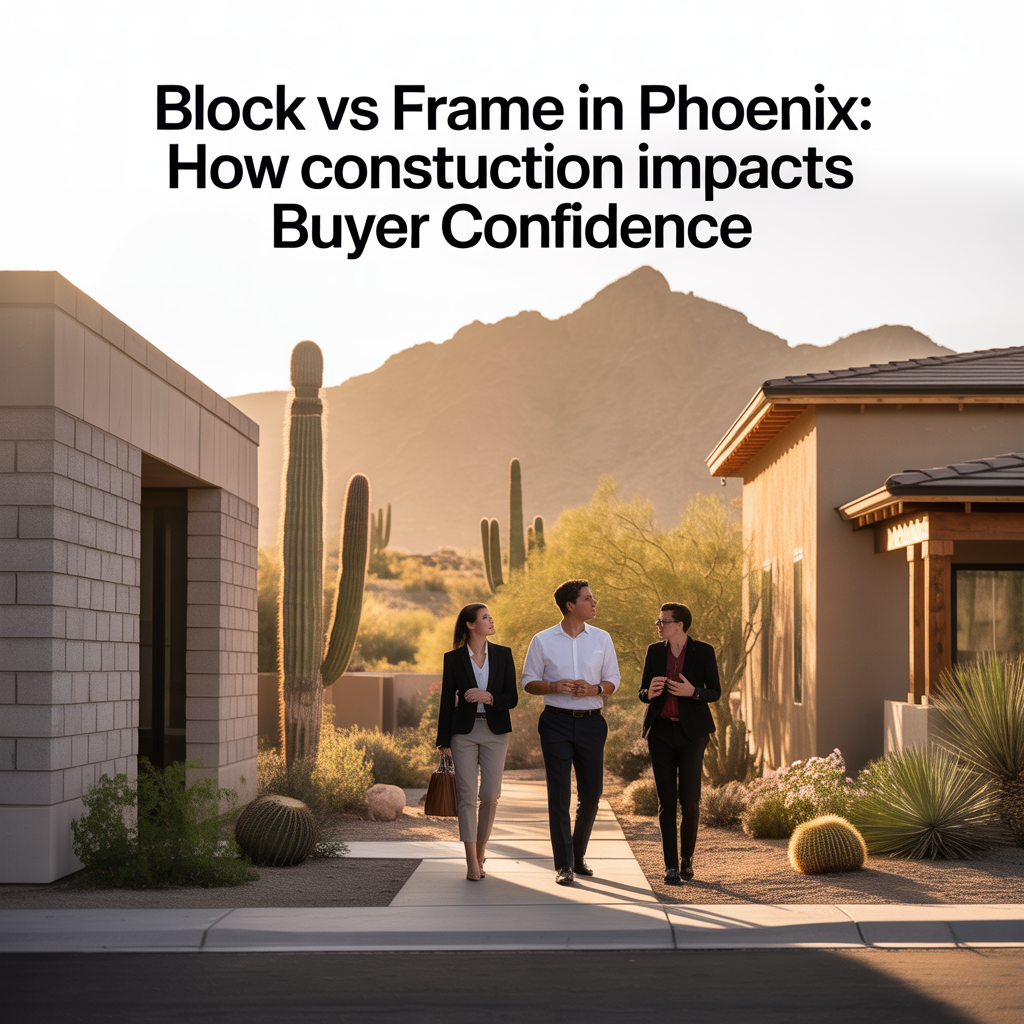
Block vs Frame in Phoenix: How Construction Impacts Buyer Confidence
-

Newer vs Older Phoenix Homes: What Buyers Actually Pay More For
-
How to Align Your Sale With School Calendars, Lease End Dates, and Life Timing
-
When Waiting Makes Sense — and When It Quietly Costs You More as a Seller
-

Pricing for Momentum: The Strategy That Prevents “Stale Listing” Discounts
-

How Interest-Rate Changes Are Affecting Phoenix Buyers (and Your Offers)
-

What Days on Market Really Tells You About Seller Leverage in Phoenix
-

Phoenix Selling Seasonality: Best and Worst Times to List
-

Is Now a Bad Time to Sell in Phoenix?
-

Three Questions to Answer Before You Ever Pick a List Price in Phoenix
-

How to Separate Social Media Fear from Local Phoenix Selling Data
-

What Long-Term Phoenix Sellers Say They Feared That Never Mattered
-

The Biggest Mindset Traps Phoenix Sellers Fall Into (and How to Avoid Them)
-

How Phoenix Really Behaves in Boom and Cool-Down Cycles (Through a Seller Lens)
-

Phoenix Housing Headlines vs What Sellers Actually Feel on the Ground
-

Case Studies: Real Phoenix Buyers, Their Fears, and What Actually Happened
-

How I Track and Interpret Phoenix Housing Data for My Clients