



Transactional Fears→ [Transactional Fears] & For more info on other fears Phoenix Real Estate → [Phoenix Real Estate Fears Guide]
Written by: Renee Burke
Home inspections in the Phoenix metro can feel overwhelming, especially when that thick report lands in your inbox full of notes, photos, and terms you’ve never heard. I get it — as a seller or buyer walking through escrow on a Chandler single-family or a Scottsdale condo, you want clarity without the panic.
The key is approaching it like a conversation with your home: listen carefully, prioritize what matters, and let the rest inform your next steps. Here in our Valley neighborhoods, where stucco cracks from settling soil and AC units work overtime in the heat, I’ve walked hundreds of clients through these reports with calm focus.
Start with the Big Picture
Every Arizona home inspection report follows a standard structure, thanks to our state standards — think summary page up front, followed by detailed sections on roof, structure, electrical, plumbing, HVAC, and more.
Don’t dive into every line first. Flip to the executive summary or “major findings” section — it’s designed for exactly this moment, highlighting safety issues like exposed wiring or foundation shifts that need immediate attention. In Phoenix, where monsoon runoff tests drainage every summer, these summaries often flag lot grading or irrigation line concerns right away.
Take a breath. Most reports list 20-50 items, but only a handful truly move the needle on your decision.
Decode the Language and Ratings
Inspectors use consistent terms to keep things objective: “satisfactory” means all good, “marginal” suggests watch it, “deficient” calls for repairs, and “not inspected” covers attics too packed or roofs too steep to climb.
Phoenix-specific quirks show up here — our block construction and foam insulation mean “normal settling cracks” in stucco aren’t always a crisis, but widening ones in a North Mesa foundation could point to expansive clay soil. Photos are your friend; match them to notes for context, like spotting efflorescence (that white powdery residue) near a Chandler pool pump signaling possible water intrusion.
Overreacting happens when we treat every “recommend further evaluation” as a deal-breaker. It’s often just the inspector wisely deferring to specialists, like pool pros for our backyard oases.
Prioritize Like a Local: Safety First, Then Systems
Break it down into tiers that reflect Valley living realities.
Safety Red Flags (Address Now): Gas leaks, faulty GFCIs near the sink, or missing smoke detectors — these protect your family through haboob season and beyond. In Ahwatukee homes with hillside lots, deck railings or retaining walls get extra scrutiny for stability.
Core Systems (Budget for Soon): HVAC is huge here; a 12-year-old unit in Gilbert might run but struggle with 115-degree days — check run times and refrigerant levels noted in the report. Roofing often flags wear on tile or foam flats, especially post-hail; our insurance claims history (disclosed by sellers) ties right into this. Plumbing? Scope those sewer lines if trees overhang, as roots love invading pre-2000 cast iron.
Cosmetic or Deferred (Plan Later): Peeling pool plaster, worn attic insulation, or minor outlet issues — these add up but rarely kill deals. Our dry climate hides slow drip leaks until they don’t, so focus on active evidence over speculation.
Here’s a quick priority table tailored to Phoenix homes:
Phoenix Nuances That Trip People Up
Our market has layers national guides miss. Sellers in East Valley master-planned spots like Power Ranch often see HOA-specific flags, like irrigation controller glitches affecting community turf.
Buyers relocating to Peoria from wetter states freak over “dry rot” mentions — it’s rarely as dire as it sounds without moisture source confirmation. And don’t overlook the Seller’s Property Disclosure Statement (SPDS), required within five days of contract; cross-reference it with the report for past roof claims or HVAC swaps. Pre-1995 homes? Expect extra love on polybutylene plumbing reroutes.
Appraisal gaps widen if unaddressed foundation notes linger, especially in soil-shifting areas like North Phoenix.
Negotiate Without Burning Bridges
Once you’ve triaged, request repairs thoughtfully — aim for safety and longevity, not perfection. I advise sellers to offer credits for HVAC tune-ups rather than full replacements, preserving goodwill in our buyer-friendly spring market.
Buyers, use the report to ask for receipts on recent work, like a 2024 pool re-plaster in Verrado. Escrow extensions for specialist follow-ups (sewer cams, termite tents) are standard here — just document everything. Avoid knee-jerk walkaways; 80% of Valley deals recover from solid reports with clear communication.
Walk Away Empowered, Not Rattled
Reading like a pro means trusting the process: the report educates, it doesn’t dictate. Pair it with your agent’s eyes and a contractor’s bid for the full picture — I’ve seen Mesa families turn “scary” electrical notes into simple panel upgrades that added equity.
You’ll sleep better knowing your new home’s quirks, ready for saguaro sunsets and foothill hikes.
If you’re thinking about making a move in Phoenix, you don’t have to figure it out alone. I’m always here to help you make sense of an inspection report — or any step along the way. Reach out anytime; we’ll move through it, thoughtfully and confidently, together.
Get the full Phoenix Market Insights → [Market Insights]


-

Pool Liability and Insurance in Phoenix
-

Protecting Outdoor Structures and Shade Systems
-

HVAC Failures and Insurance Coverage
-
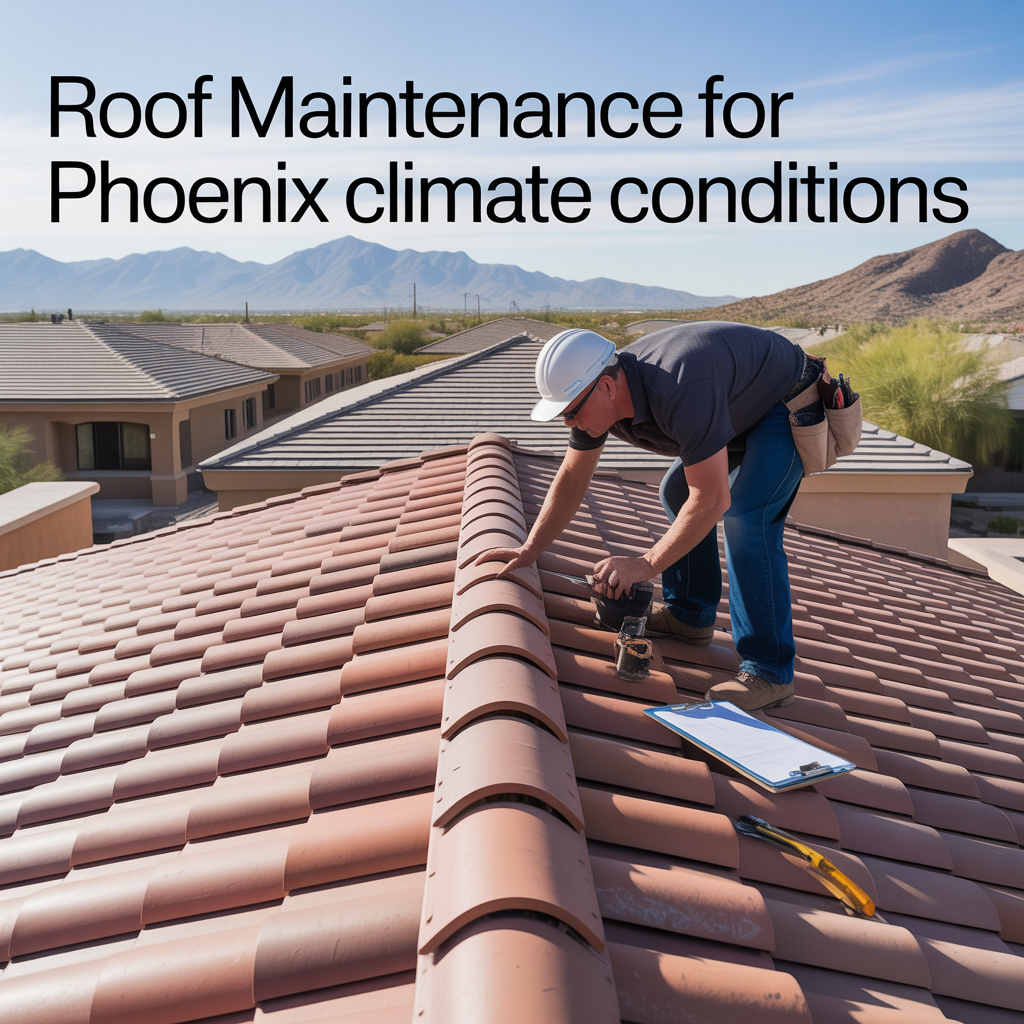
Roof Maintenance for Phoenix Climate Conditions
-

Preventing Water Damage in Desert Landscapes
-

How Monsoon Storms Affect Phoenix Homes
-

Why Policy Structure Matters More Than Premium
-

Understanding Coverage Limits and Exclusions
-

What Personal Property Coverage Actually Includes
-

How Liability Coverage Protects Homeowners
-

Replacement Cost vs Market Value in Phoenix Insurance
-

Understanding Deductibles Before You Need Them
-

How Renovations Affect Insurance Coverage
-

When to Review Your Home Insurance Policy
-

Why Replacement Cost Matters in Phoenix Insurance Policies
-

When a House Truly Starts to Feel Like Home
-

How Phoenix Neighborhood Living Builds a Sense of Belonging
-

Why Stability Plays a Major Role in Long-Term Home Satisfaction
-

How Familiarity Changes the Experience of Living in a Home
-

Renovate or Move? Deciding What to Do When Your Phoenix Home No Longer Fits
-

How Lifestyle Changes Affect Space Needs in Phoenix Homes
-
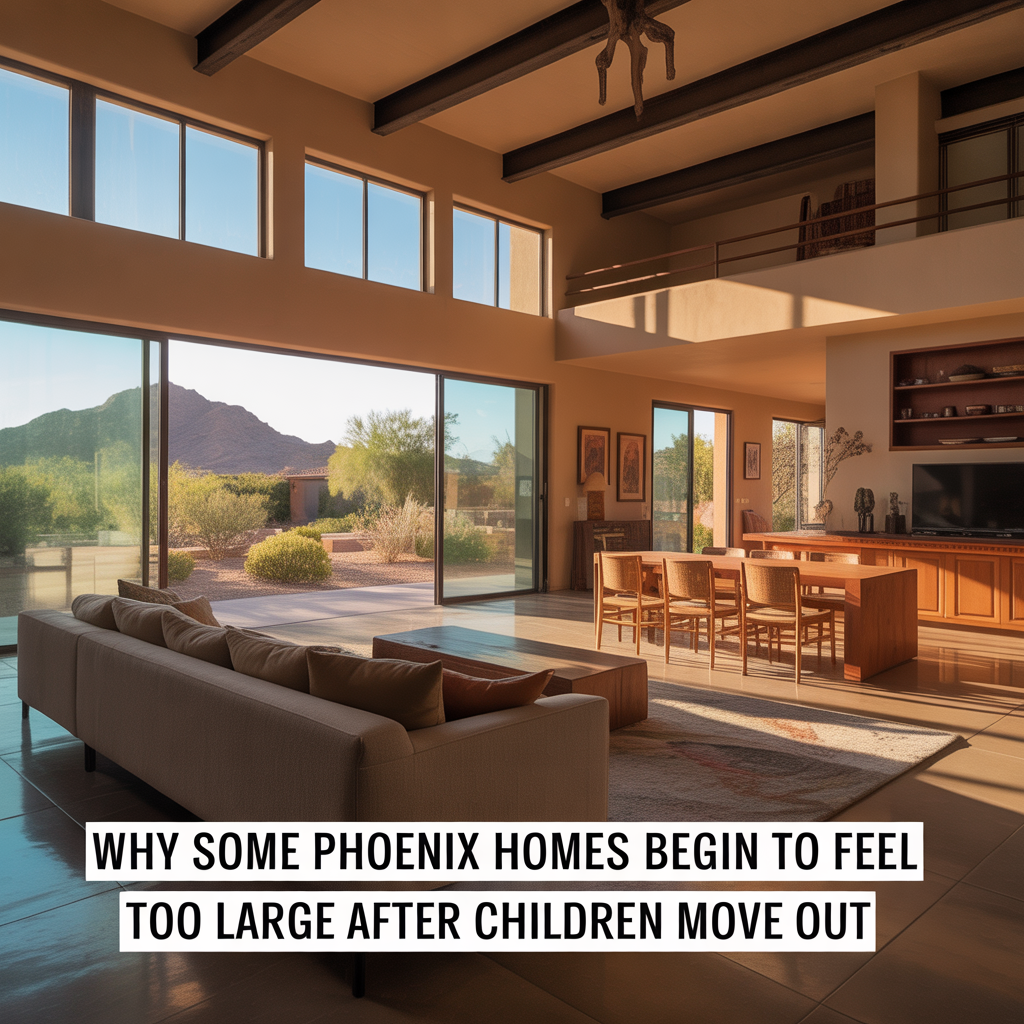
Why Some Phoenix Homes Begin to Feel Too Large After Children Move Out
-

When Homeowners Begin Considering Moving to a Larger Phoenix Home
-

Signs Your Phoenix Home Is Starting to Feel Too Small for Your Family
-

How Desert Landscaping Evolves Over Years of Phoenix Homeownership