



Transactional Fears→ [Transactional Fears] & For more info on other fears Phoenix Real Estate → [Phoenix Real Estate Fears Guide]
Written by: Renee Burke
In Phoenix, where neighborhoods like Gilbert’s agritopias and Scottsdale’s DC Ranch each have their own rhythm, price grabs headlines — but it’s the terms underneath that quietly make or break a deal. Sellers see through the highest bid if it’s shaky; buyers win with clean execution over a slight premium.
What truly moves the needle? Let’s look at the offer terms that matter far more than dollars, from both sides of the table in our 2026 Valley market.
1. Financing Strength: Pre-Approval Power Over Price
Sellers prioritize offers where the buyer will close, not just might. A full lender commitment (not basic pre-qual) with proof of funds trumps a $10K overbid from a flaky applicant.
- Buyer edge: Conditional approval + down payment verification signals “ready now.” Bridge loans or HELOCs remove sale contingencies.
- Seller view: Local lenders (familiar with Maricopa HOAs) beat national chains; VA/FHA add scrutiny but close reliably.
In balanced markets (3-4 months’ supply), this term alone sways 70% of choices.
2. Contingency Lengths: Short Windows Seal Deals
Arizona AAR contracts default to 10-day inspections, 21-30 day loans — but offers shortening these shine.
| Term | Buyer Trade-Off | Seller Benefit | Phoenix Impact |
|---|---|---|---|
| Inspection (7 days vs. 10) | Less due diligence time | Faster path to “as-is” | Reduces seller carrying costs in hot Chandler/Gilbert |
| Loan Removal (21 days) | Pressure on lender | Predictable close | Key for relocators to TSMC/Intel |
| Appraisal Gap Coverage | Cash commitment ($10K+) | Shields low-appraisal risk | Vital in appreciating East Valley |
Short terms show confidence; kick-outs protect sellers on contingent buys.
3. Earnest Money Amount: Commitment Currency
1-3% is standard ($5K-$15K on $500K homes), but larger deposits (or non-refundable portions post-contingencies) scream seriousness.
- Buyer leverage: Bigger deposit wins ties, especially under $500K where affordability bites.
- Seller preference: Ties to strong financing; refundable until contingencies waive.
Phoenix sellers favor this over $5K over-ask in backups.
4. Closing Timeline Flexibility: Life Matches Market
30-45 days standard, but tailored dates rule.
- Buyer wins: Match seller’s urgency (e.g., pre-summer move).
- Seller priority: Quick closes minimize double payments; rent-backs ($100/day) for transitions.
In West Valley growth (Buckeye), fast timelines beat premiums amid builder competition.
5. Seller Concessions and Incentives: Net Proceeds Trump Gross
Buyers offering no concessions (closing costs, buydowns) stand out. Sellers love rate buydowns (2-1-1 temp drops) or capped repairs.
- 2026 trend: Builders in Queen Creek offer these; resales match to compete.
- Quantified: $10K concession-free > $485K with $15K asks.
Net sheet analysis reveals true value.
6. Possession Terms: Post-Closing Grace
Rent-back (seller stays 30-60 days) or early buyer occupancy smooths lives.
- Mutual appeal: Sellers stage moves; buyers store via pods near 101.
- Phoenix fit: Empty-nesters to Sun City love this flexibility.
Written clearly, it’s low-risk gold.
7. Personal Property and Extras: Low-Cost Wins
Appliances, furniture, solar panels included (or excluded) — specifics avoid fights.
- Buyer perk: Free washer/dryer > minor price cut.
- Seller relief: “As-shown” addendum prevents walk-through drama.
Details differentiate in move-in-ready demand.
Market Context: Why Terms Rule Phoenix 2026
Stabilizing prices ($445K-$470K medians), 50-70 DOM, millennial/Gen Z focus on amenities — terms navigate affordability better than bids. Escalation clauses auto-beat competitors up to cap.
Real Deal Example
Chandler $515K Ocotillo: Offer A ($520K, 10-day inspect, $8K earnest). Offer B ($515K, 7-day inspect, $12K earnest, strong pre-app, rent-back). B won — closed fast, no hiccups.
Terms craft certainty; price just starts conversation.
If you’re prepping an offer or reviewing bids in Phoenix metro, you don’t have to decode alone. Reach out — let’s build terms that win for your goals, balancing risk and reward. I’m your local strategist, here through every signature.
Get the full Phoenix Market Insights → [Market Insights]


-

Shade Coverage and Tree Canopy Differences by Corridor
-

Summer Walkability Reality Near ASU and Mill Avenue
-

Choosing Proximity Based on Personality and Routine
-

How Tempe Town Lake Changes Social Routines
-
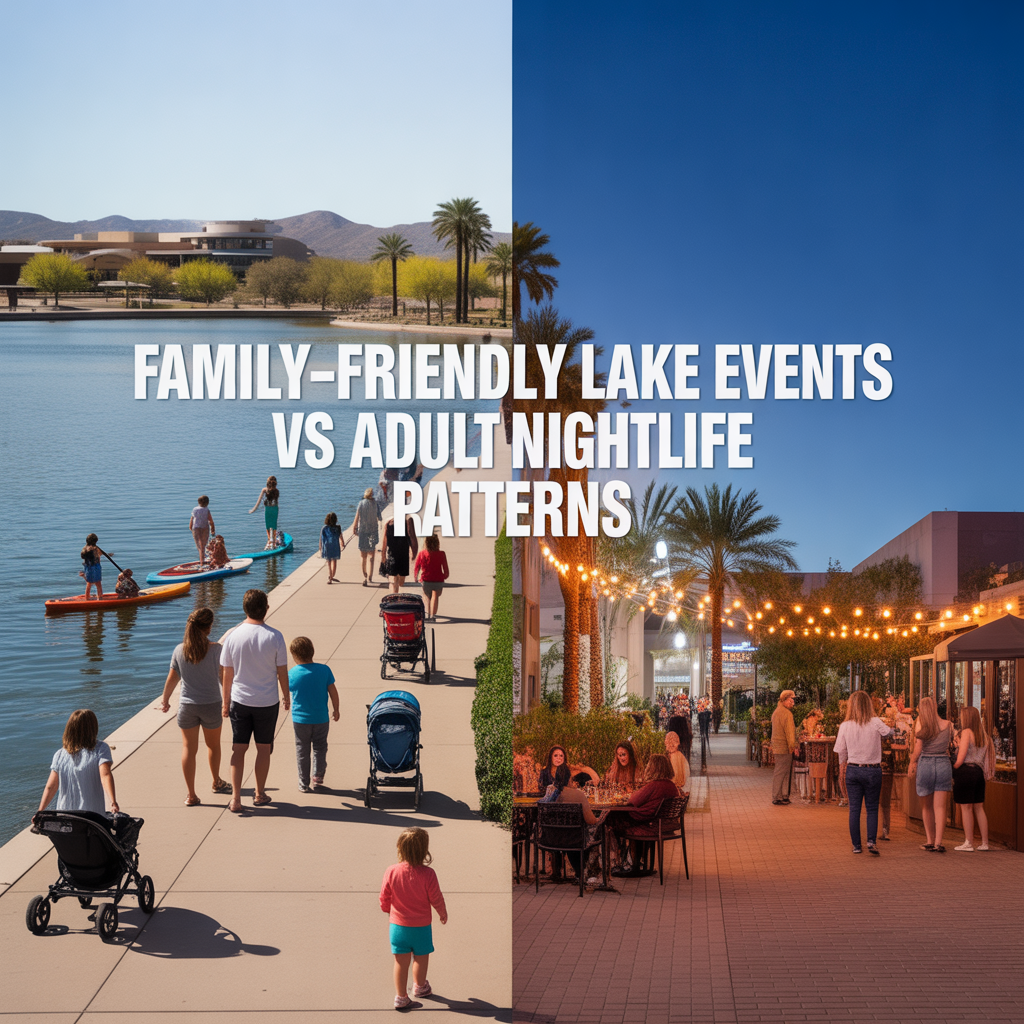
Family-Friendly Lake Events vs Adult Nightlife Patterns
-

Parking Structures and Rideshare Realities on Peak Nights
-
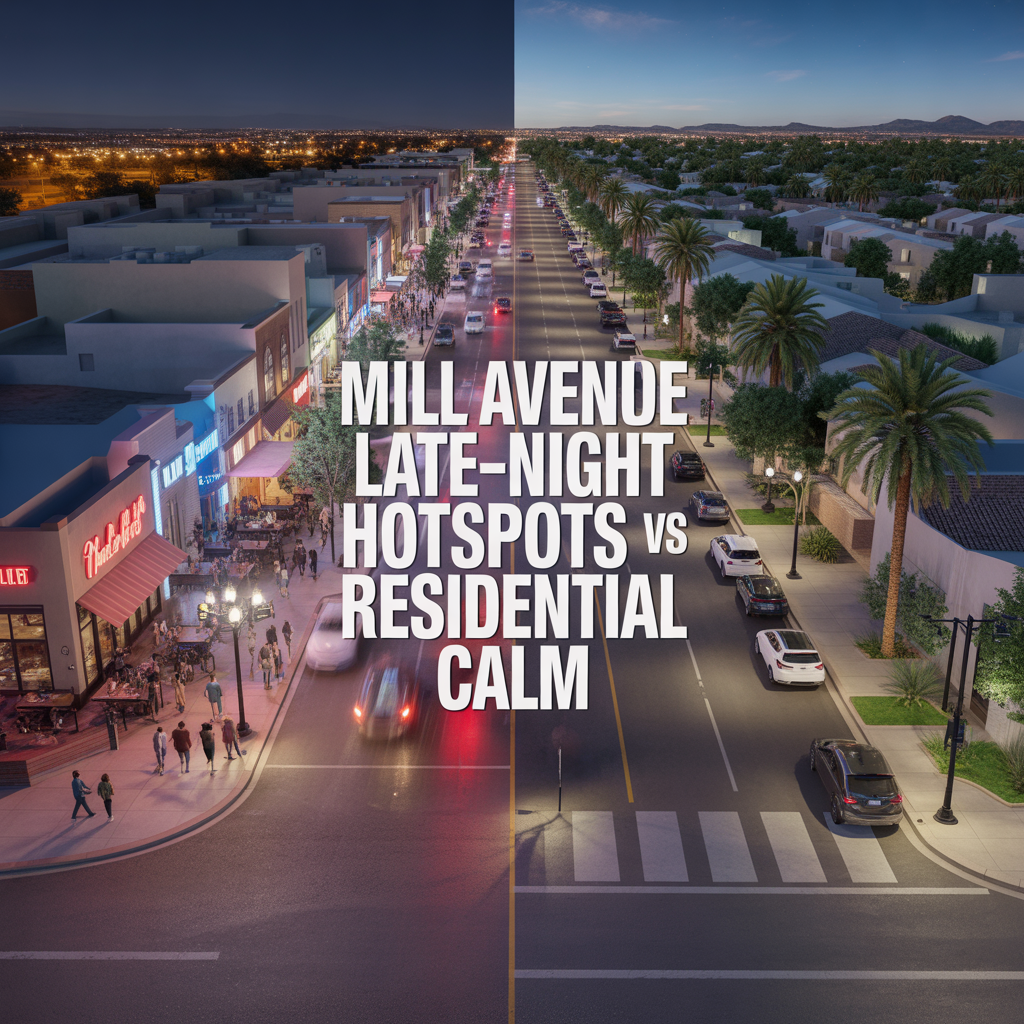
Mill Avenue Late-Night Hotspots vs Residential Calm
-

ASU Game Days and Event Calendar Impacts
-

Cross-Valley Trip Efficiency From Tempe
-

Micro-Mobility and Bike Utility by Corridor
-

Park-And-Ride, Game Day, and Event Access Patterns
-

Airport Timing Strategy Around ASU and Rush Hour Traffic
-

Light Rail Use Cases That Actually Improve Daily Life
-

Freeway vs Arterial Routing During Peak Windows
-

Real-World Drive Times to Sky Harbor From Different Tempe Pockets
-

How Traffic and Commute Direction Affect Daily Life in North vs South Tempe
-

Bike Paths, Walkability, and Short-Distance Transportation in Tempe
-

Driving Access From Tempe to Phoenix Sky Harbor Airport
-

Light Rail Access Between Tempe, Downtown Phoenix, and Mesa
-

Major Tempe Arterial Roads Including Rural Road, McClintock Drive, and Baseline Road
-

ASU Traffic Patterns and Peak Congestion Near Campus
-

Typical Commute Times From Tempe to Phoenix, Scottsdale, and Chandler
-

Tempe Freeway Access to US-60, Loop 101, and Loop 202
-

Shade, Tree Coverage, and Summer Outdoor Usability in Tempe
-

Outdoor Recreation Near Downtown Tempe and ASU