


Transactional Fears→ [Transactional Fears] & For more info on other fears Phoenix Real Estate → [Phoenix Real Estate Fears Guide]
Written by: Renee Burke
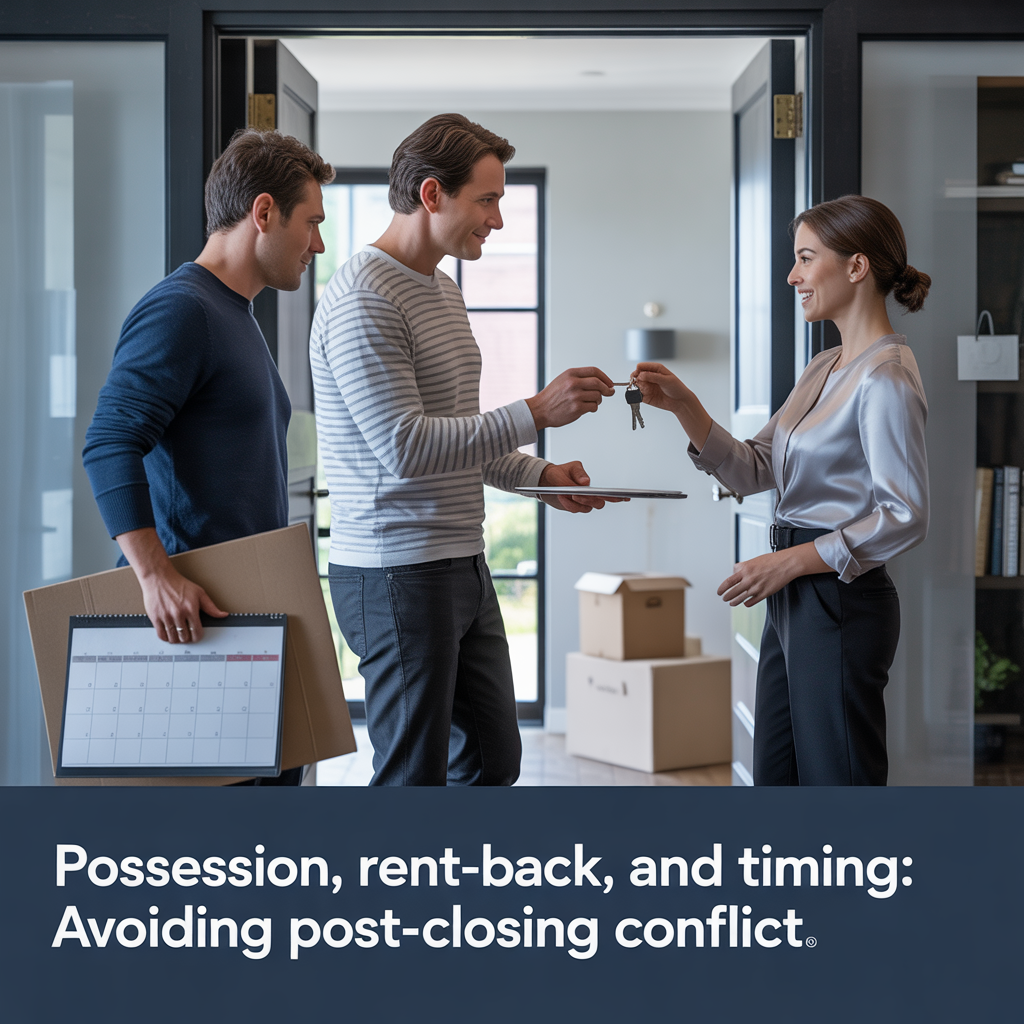
You’ve signed the papers, the deed’s recorded with Maricopa County, and now it’s time to hand over the keys to your Phoenix home—but what if you need a few extra days to move into that new Chandler place or wrap up a cross-country relocation? I’ve guided so many Valley families through these transitions, from Ahwatukee sellers lingering in their beloved patios to Gilbert folks coordinating school switches. Possession timing is one of those details that feels small until it isn’t, but with clear agreements and gentle planning, it never has to spark tension.
In our Arizona market, where closings hum along post-recording but life doesn’t always sync perfectly, rent-backs and post-possession setups are common and workable. Let’s unpack how they function under AAR contracts, what to watch for, and simple steps to keep harmony all the way to your next front door.
Standard Possession: At Recording, Unless You Plan Otherwise
Arizona’s Residential Resale Purchase Contract sets the default: buyers get possession upon close of escrow, defined as deed recordation. That means once the title company confirms the filing—often same-day or next business morning—you vacate, and keys transfer. It’s clean, low-risk, and matches our Valley’s fast pace.
Phoenix nuance: Recording cutoffs vary by county office hours, so a late Friday signing might mean Monday keys. Sellers often build in 24–48 hours post-recording for move-out, noted in the contract’s possession section. No drama if everyone’s aligned—no one’s surprised.
Rent-Back Agreements: Seller Stays as Tenant Pre-Closing
Sometimes buyers close first and let you rent back while escrow finishes—ideal if their lender demands possession at their funding. You stay in your home, paying daily rent (often 0.1% of price), with a cap like 30–60 days.
Pros for Phoenix sellers: Continuity for kids’ last Desert Ridge days or pool maintenance through monsoons. Cons: You’re a tenant mid-escrow; damage or disputes could snag closing. Use the AAR Rent-Back Addendum—covers rent, security hold from proceeds, utilities (yours), and move-out condition matching final walk-through.
Local tip: In HOA spots like Power Ranch, confirm pool/landscaping duties in writing. I’ve seen vague terms lead to overgrown yards—spell it out.
Post-Closing Possession: Seller Stays After Title Transfers
More common here: you close, title passes, but stay 7–30 days as occupant. Buyers love the premium from a vacant home; you get breathing room. Arizona law allows this via Post-Possession Occupancy Agreement—not a full lease under Landlord-Tenant Act if short-term, dodging eviction hassles.
Key elements to lock in:
- Exact dates: “Possession to Buyer 5:00 PM on [date], 30 days post-recording.”
- Daily use fee (rent): 0.05–0.1% of price, held from your proceeds.
- Security/cleaning deposit: Equivalent to 1–2 months’ rent, refunded post-walk.
- Utilities, maintenance, repairs: Seller pays all; no changes to property.
- Occupants: List names; pets need deposit.
- Risk of loss: Buyer insures at closing; you’re responsible for damage.
- Holdover: Double rent daily if late, plus eviction waiver.
Phoenix watch-out: Monsoon leaks or AC failures during your stay? Your liability—carry renter’s insurance bridging the gap.
Common Pitfalls—and How to Dodge Them
These setups shine with preparation; conflict brews from assumptions.
| Scenario | Risk | Prevention |
|---|---|---|
| Vague dates | Seller overstays | Contract: “No later than 5 PM [hard date]” |
| Damage disputes | Fridge dent during move | Pre/post-walk photos; neutral inspector |
| Utility mix-ups | Buyer billed for pool | Addendum: Seller 100% responsible |
| No deposit | Seller skips cleaning | Hold from proceeds via escrow |
| Life delays | Seller’s truck breaks | Build 2-day buffer; backup plan |
This table’s my checklist for every Valley rent-back—saves heartaches.
Phoenix-Specific Timing Twists
Our market adds layers:
- HOA transfers: Estoppels delay keys 3–5 days; factor into possession.
- County recording: Maricopa’s volume means afternoon filings might next-day.
- Seasonal squeezes: Summer moves amid heat; winter snowbird rushes—pad agreements.
- Customs: Horse properties in Queen Creek need trailer hauls; spell out access.
Agents draft via AAR forms, title holds funds—standard, secure.
Real-Life Harmony: A Cave Creek Example
Seller needed 21 days post-close for custom stalls dismantle. Agreement: $150/day, $3k deposit, utilities theirs, buyer insures. Seller left spotless early; deposit back same week. Buyer thrilled with rent stream; seller stress-free. Vague handshake version? Month-long standoff. Paper protects.
Guiding Principles for Peaceful Passes
- Communicate early: Discuss needs at offer; amend if life shifts.
- Document everything: Verbal “no problem” fails courts.
- Lean on pros: Your agent/title crafts ironclad addendums.
- Stay gracious: Small gestures like forwarding mail build goodwill.
These aren’t rigid rules—they’re guardrails for mutual respect in our close-knit communities.
Your Smooth Transition Awaits
Possession doesn’t have to complicate your Phoenix move; thoughtful timing turns it into a bridge, not a barrier. You’ve built equity here—let’s ensure your exit matches that care.
If rent-back or post-possession feels tricky, or you’re mapping your timeline now, you don’t have to puzzle it out alone. I’m right here in the Valley, ready to review your contract, draft the perfect addendum, and guide you to a handoff that feels as warm as our Arizona sun. Reach out—let’s make your next chapter start seamlessly.
Get the full Phoenix Market Insights → [Market Insights]


-

Shade Coverage and Tree Canopy Differences by Corridor
-

Summer Walkability Reality Near ASU and Mill Avenue
-

Choosing Proximity Based on Personality and Routine
-

How Tempe Town Lake Changes Social Routines
-

Family-Friendly Lake Events vs Adult Nightlife Patterns
-

Parking Structures and Rideshare Realities on Peak Nights
-
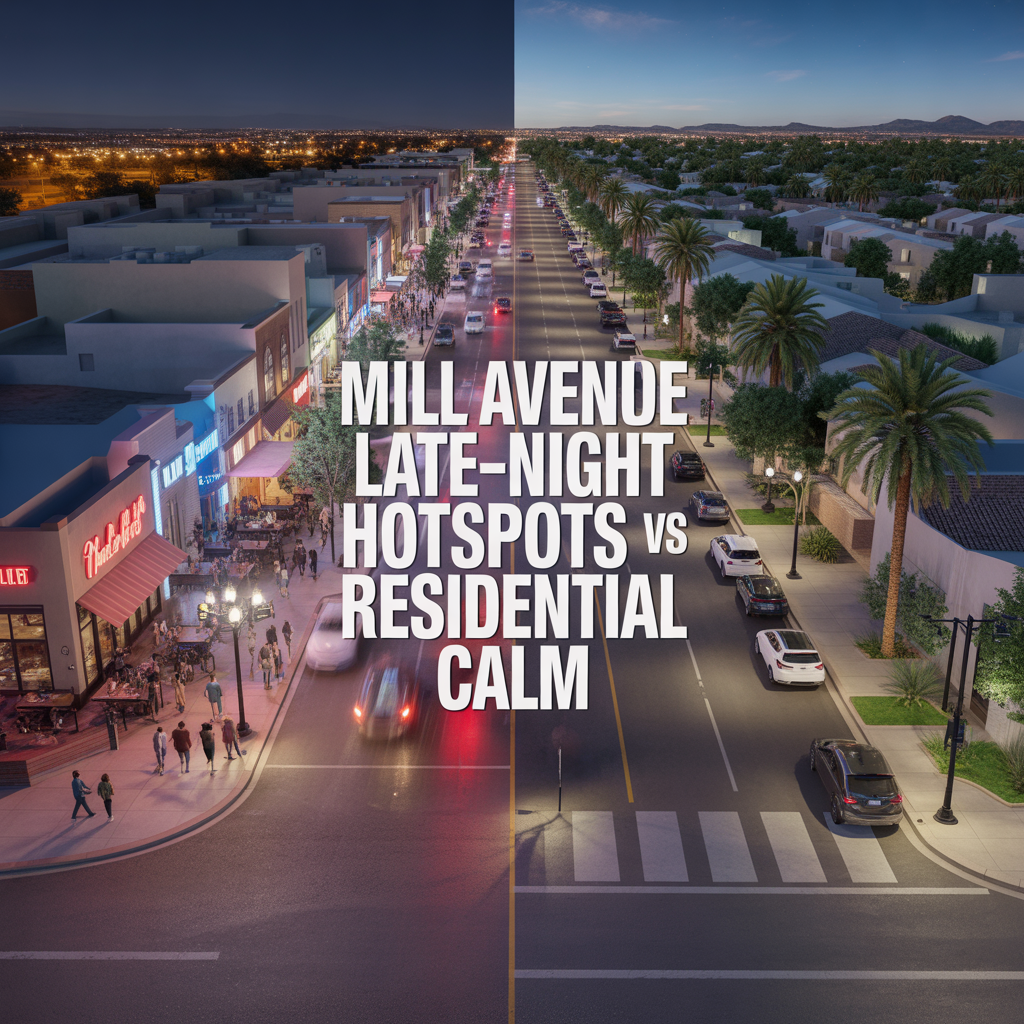
Mill Avenue Late-Night Hotspots vs Residential Calm
-

ASU Game Days and Event Calendar Impacts
-

Cross-Valley Trip Efficiency From Tempe
-

Micro-Mobility and Bike Utility by Corridor
-

Park-And-Ride, Game Day, and Event Access Patterns
-

Airport Timing Strategy Around ASU and Rush Hour Traffic
-

Light Rail Use Cases That Actually Improve Daily Life
-

Freeway vs Arterial Routing During Peak Windows
-

Real-World Drive Times to Sky Harbor From Different Tempe Pockets
-

How Traffic and Commute Direction Affect Daily Life in North vs South Tempe
-

Bike Paths, Walkability, and Short-Distance Transportation in Tempe
-

Driving Access From Tempe to Phoenix Sky Harbor Airport
-

Light Rail Access Between Tempe, Downtown Phoenix, and Mesa
-

Major Tempe Arterial Roads Including Rural Road, McClintock Drive, and Baseline Road
-

ASU Traffic Patterns and Peak Congestion Near Campus
-

Typical Commute Times From Tempe to Phoenix, Scottsdale, and Chandler
-

Tempe Freeway Access to US-60, Loop 101, and Loop 202
-

Shade, Tree Coverage, and Summer Outdoor Usability in Tempe
-

Outdoor Recreation Near Downtown Tempe and ASU