



Transactional Fears→ [Transactional Fears] & For more info on other fears Phoenix Real Estate → [Phoenix Real Estate Fears Guide]
Written by: Renee Burke
Phoenix escrow can feel like a delicate dance, especially after the inspection report comes in with its list of findings — from AC strain in a Gilbert tract home to subtle stucco settling in Ahwatukee. I’ve guided countless sellers and buyers through these moments, helping them choose between repairs, credits, or simply letting things be, all while keeping the deal on track.
The goal isn’t perfection; it’s progress. With a clear framework rooted in our local market rhythms, you can negotiate thoughtfully, protect your interests, and close with confidence.
Understand Your Three Core Options
Every inspection response boils down to these paths: repair, credit, or no action. Each has its place in Phoenix transactions, where heat, soil shifts, and monsoon wear shape what’s truly urgent.
Repair: Seller fixes the issue before closing, often with licensed pros for things like electrical panels or roof patches.
Credit: Seller offers a price reduction or closing cost help, letting you handle it post-close on your terms.
No Action: Accept as-is, ideal for minor wear that won’t impact safety or value.
Choosing wisely depends on severity, cost, and timing — not emotion. In our Valley, where summers test every system, I lean toward options that build trust without derailing timelines.
When Repairs Make Sense (And When They Don’t)
Asking for — or offering — repairs works best for safety and big-ticket items that appraisers flag.
Opt for repairs when:
- Issues pose immediate risks, like faulty pool bonding in a Chandler backyard or exposed wiring in an older Mesa ranch.
- The fix is straightforward and local contractors handle routinely, such as replacing a worn water heater before 115-degree days hit.
- Sellers want to maintain full asking price and have the bandwidth to coordinate.
In Phoenix, repairs shine for HVAC tune-ups or sewer line scopes — common in foothill neighborhoods where tree roots invade clay pipes. Sellers, this shows goodwill; buyers, it ensures work meets your standards.
But skip repairs for:
- Cosmetic touches like peeling pool plaster.
- Deferred maintenance you’d tweak anyway, like attic insulation in a North Peoria flip.
Repairs can extend escrow by 10-14 days here, so weigh that against spring market momentum.
The Power of Credits (With Realistic Numbers)
Credits give flexibility — cash back at closing for you to fix on your schedule, often the smoothest path in competitive deals.
Use credits for:
- Mid-level systems like a 15-year roof in Verrado needing recoat, or minor foundation cracks from expansive soils.
- Uncertain costs, such as irrigation controller upgrades in Eastmark HOAs.
- When sellers prefer simplicity over managing subs.
Aim for 1.5x estimated costs to cover surprises — a $3,000 AC repair might warrant $4,500 credit. Back it with two local bids; Phoenix pros like those in the East Valley charge predictably for stucco patches or pool pumps.
Sellers, credits preserve your net proceeds without vacancy risks. Buyers, they empower you to choose quality over rushed jobs. In our market, credits close 70% of wobbly inspections without drama.
Knowing When No Action Is the Strongest Move
Sometimes, the report reveals normal wear — not defects. No action keeps momentum alive.
Choose no action for:
- Age-expected issues, like dusty pool filters or faded foam roofs pre-monsoon.
- Low-cost cosmetics, such as outlet covers or caulk lines in a Scottsdale townhome.
- Items covered by warranties, like a 2024 HVAC swap disclosed in the SPDS.
Phoenix homes settle uniquely on caliche soil; hairline stucco cracks under 1/8-inch often need no response. Accepting these signals confidence to sellers, avoiding nickel-and-dime fatigue that kills deals.
Here’s a Phoenix-tuned decision framework:
A Step-by-Step Negotiation Framework
Turn options into action with this local process — it’s kept my clients closing smoothly through every season.
- Triage Together: Review the report side-by-side. Categorize into safety, systems, cosmetics using the table above. Get 1-2 bids fast from trusted Valley contractors.
- Prioritize 2-3 Items: Focus on what moves the needle — not the full list. Submit a clean, written request via agents: “$2,500 credit for irrigation repair, per attached estimate.”
- Counter Thoughtfully: Sellers, offer a mix — repair the safety item, credit the rest. Buyers, flex on timelines if they cover costs.
- Document Everything: Arizona’s AAR contract requires it; add photos, bids, and agreed terms to amendments.
- Set a Walkaway Point: Within the 10-day objection period, know your line. Most Phoenix deals land at compromise.
This framework minimizes back-and-forth, respecting our tight escrow windows.
Phoenix Market Nuances That Tip the Scales
Our Valley adds flavor: Spring buyers push hard on AC notes, knowing summer looms. HOA-heavy spots like Power Ranch scrutinize community systems. Out-of-state relocators overestimate “desert rot” — educate gently.
Sellers in stabilizing 2026 markets hold leverage; offer credits generously to lock inventory-scarce buyers. Monsoon-season deals favor repairs for drainage flags.
Appraisals watch closely — unresolved roof or foundation notes can tank value, so align negotiations there.
Deals Close When Everyone Wins a Little
The beauty of this framework? It turns potential standoffs into partnerships. I’ve seen Gilbert families split a $5,000 HVAC credit, closing a week early. Peoria sellers repair a deck, buyers waive cosmetics — smiles all around.
You walk away with a home that fits, not a battle scar.
If you’re thinking about making a move in Phoenix, you don’t have to figure it out alone. I’m always here to help you navigate repairs, credits, or any negotiation step. Reach out anytime; we’ll move through it, thoughtfully and confidently, together.
Get the full Phoenix Market Insights → [Market Insights]


-

Signs Your Phoenix Roof Needs Inspection or Repair
-

How Long Tile Roofs and Roof Underlayment Last in Phoenix
-

How Smart Thermostats Improve Cooling Efficiency in Arizona Homes
-

Why AC Systems Struggle During Extreme Phoenix Heat Waves
-
How Long Air Conditioning Units Last in Phoenix Homes
-

Warning Signs Your Air Conditioner Is About to Fail
-

How Often Phoenix AC Systems Need Maintenance
-
How Irrigation System Leaks Damage Foundations and Landscaping
-

Preventing Roof Damage Before Arizona Monsoon Storms
-

Why AC Tune-Ups Are Critical for Phoenix Homes
-

What Homeowners Should Inspect Before Phoenix Summer Heat Arrives
-
Seasonal Home Maintenance Checklist for Phoenix Homeowners
-
How UV Exposure Damages Exterior Paint, Stucco, and Sealants
-

How Extreme Heat Shortens the Lifespan of Home Systems
-

Why Phoenix Roofs Wear Out Faster Than Many Other Cities
-
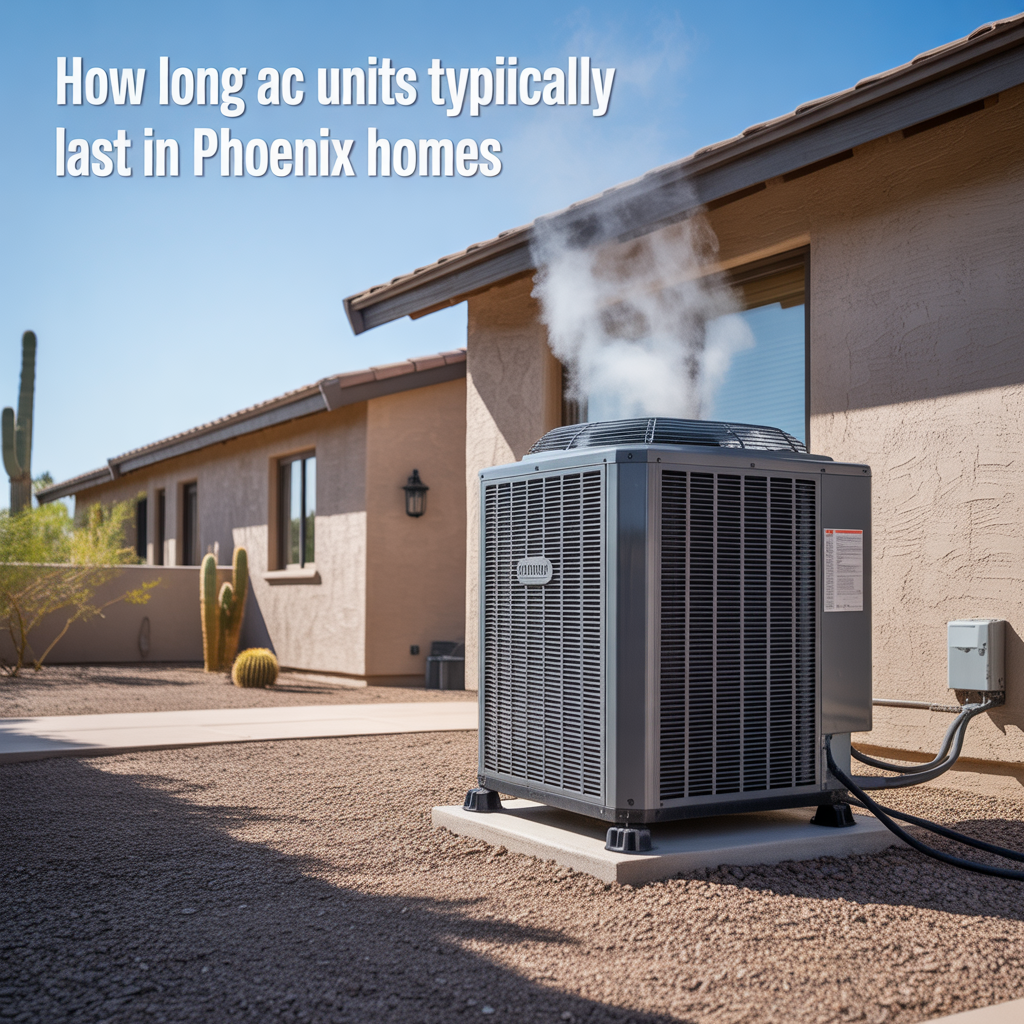
How Long AC Units Typically Last in Phoenix Homes
-

Building a Long-Term Protection Strategy
-
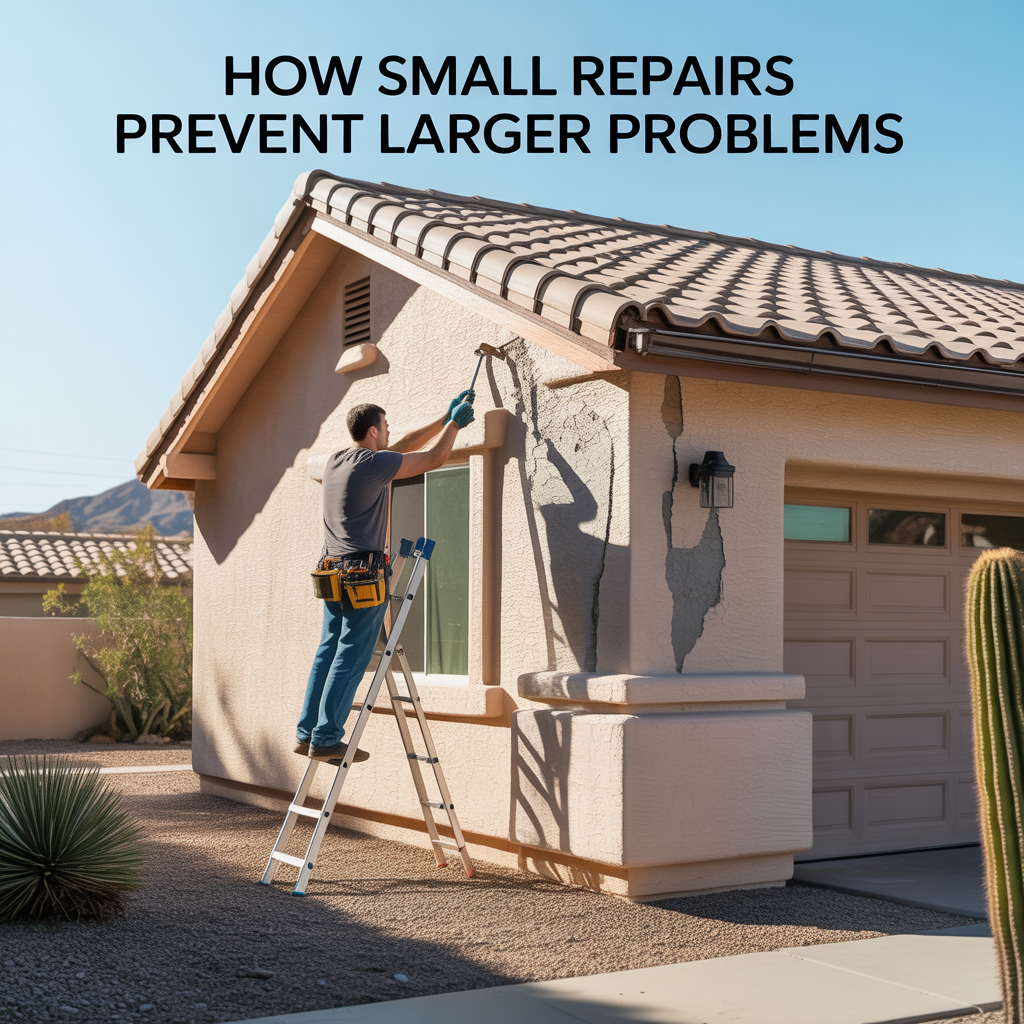
How Small Repairs Prevent Larger Problems
-

Protecting Older Phoenix Homes
-
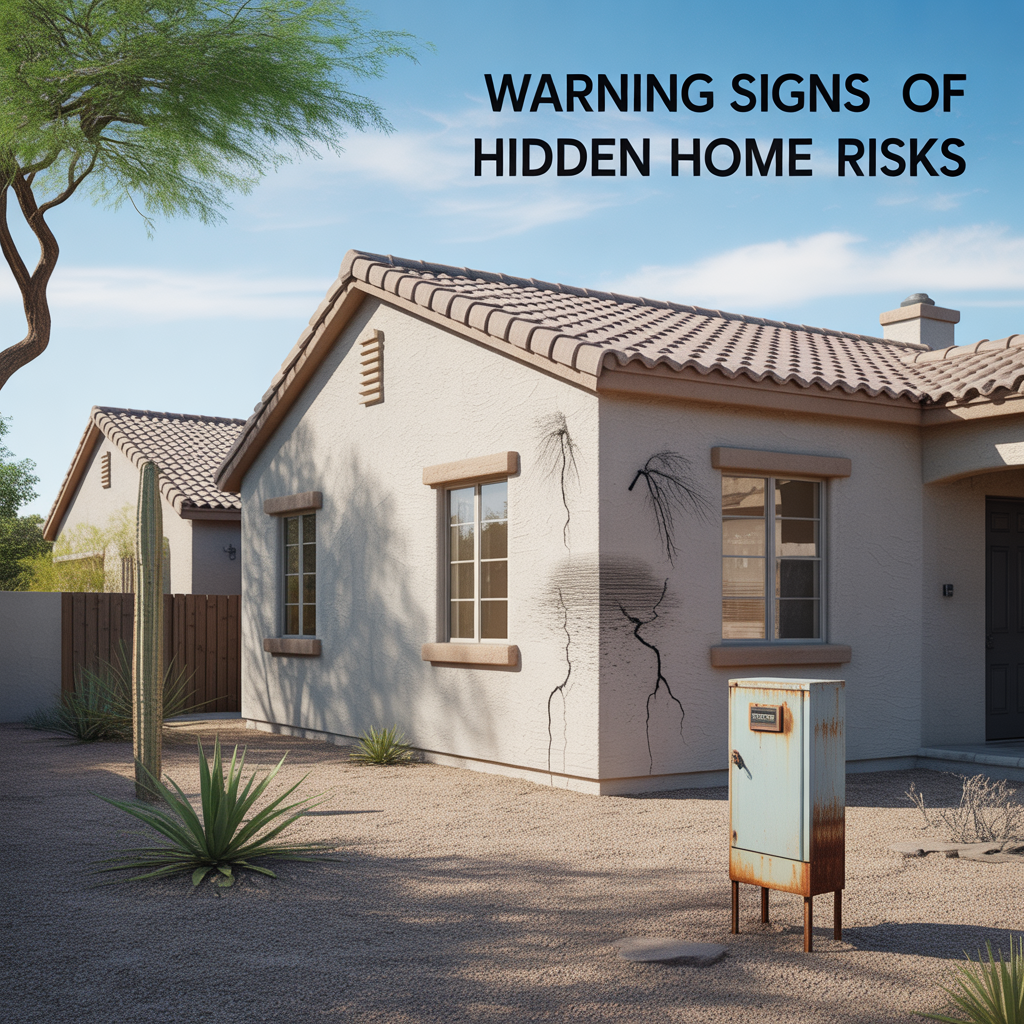
Warning Signs of Hidden Home Risks
-

Preventative Maintenance That Reduces Insurance Claims
-

Reducing Liability Exposure Around Your Property
-

Liability Coverage Limits Explained
-

When Umbrella Insurance Makes Sense
-

Protecting Yourself From Guest Injury Claims