



Transactional Fears→ [Transactional Fears] & For more info on other fears Phoenix Real Estate → [Phoenix Real Estate Fears Guide]
Written by: Renee Burke
If you’ve owned property in the Phoenix metro area for a while, you’ve probably heard the phrase “a strong offer” more times than you can count. It’s one of those real estate terms that seems simple on the surface—but when you’re sitting at your kitchen table reviewing multiple offers, the details behind financing strength suddenly feel anything but simple.
For Phoenix sellers especially, understanding how to evaluate a buyer’s financing can mean the difference between a smooth, timely sale and a frustrating, uncertain escrow. In a market where demand and interest rates continue to ebb and flow, one of the smartest strategic moves a seller can make is to look beyond the highest number on the purchase contract.
Because in Phoenix real estate, the strongest offer isn’t always the highest one.
Why Financing Strength Matters More Than Ever
Over the past few years, our Valley market has seen every kind of buyer dynamic possible—surging competition, lightning-fast cash purchases, and now, a more balanced tempo where well-positioned buyers are still active but cautious. Lenders have adjusted alongside these trends, tightening standards and requiring more documentation in certain loan types.
As a seller, you want to know not only that an offer looks good on paper, but that it can confidently perform all the way to closing day. The last thing you need is to have your home go under contract only for the buyer’s financing to fall apart midway through inspection or appraisal.
Think of it this way: the buyer’s financing strength is like the foundation beneath your offer price. If it’s solid, everything else stands securely on top. If it’s shaky, even an impressive number can crumble under pressure.
The Phoenix Context: Why Local Knowledge Counts
Our local market nuances matter enormously when evaluating financing. In certain parts of Phoenix, like Ahwatukee or Chandler, where appraisals can vary block by block, a lender’s local experience can make all the difference in keeping an approval on track. In newer developments in Gilbert or Queen Creek, appraisers often rely on builder comps, which may not tell the full story of real value.
Even the type of home—condos in midtown Phoenix, single-level homes in Scottsdale, or horse properties in Cave Creek—can affect how financing moves through the system. Some lenders breeze through these property types; others get tangled in underwriting details that delay everything.
When you’re represented by someone who lives and breathes this market daily, these red flags are easier to spot early, before you accept an offer built on wishful thinking.
What “Strong Financing” Really Looks Like
Every loan type has its own strengths and potential complications. Here’s how to read between the lines of those pre-qualification letters and lender documents.
- Conventional Loans: Generally considered the most stable. Buyers typically have higher credit scores and larger down payments. Conventional loans can close quickly—often within three weeks—and tend to trigger fewer appraisal concerns.
- FHA Loans: Designed to help first-time buyers or those with smaller down payments. These are perfectly valid offers, but sellers should know FHA appraisals are a bit stricter about property condition. If your home has older paint, a roof needing attention, or minor safety repairs, you may face more repair negotiations.
- VA Loans: Backed by the Department of Veterans Affairs, these allow for no down payment and excellent buyer terms. While sellers sometimes worry about VA appraisals being tough, the reality is that a well-maintained home rarely runs into serious issues. The benefit here is that VA buyers are often deeply committed and prepared.
- Cash Offers: In Phoenix, cash offers always catch attention, especially in mid-priced neighborhoods like Desert Ridge or South Tempe. But even a cash offer deserves verification. Ask for proof of funds—a recent bank or brokerage statement—to confirm the money is liquid and immediately available.
Beyond the Loan Type: Questions That Really Matter
A seasoned seller agent will look beyond the label on the loan and ask:
- Who is the lender?
Local lenders who know Phoenix underwriters and appraisers can move more efficiently than out-of-state call centers. - How far along is the loan process?
A buyer who’s only spoken with a loan officer once is not as strong as one who’s fully pre-underwritten. A “TBD underwrite” or verified approval means the buyer’s credit, income, and assets have already been reviewed—reducing surprises later. - What’s the down payment?
A higher down payment can show flexibility if the appraisal comes in a bit low. For example, a buyer putting 20% down can often adjust if value and price don’t align perfectly. - Are there contingencies tied to another home sale?
Phoenix sellers sometimes face offers where the buyer must sell their own home first. If that sale is out-of-state or in escrow limbo, you’ll want your agent to vet that timing carefully. - What’s the proposed closing timeline?
A shorter close isn’t always better if it doesn’t align with your move-out needs. Strong financing means flexibility—the buyer and lender can adapt if either side needs an extra week.
Appraisal Realities in the Valley
Appraisals cause more stress for sellers than almost any other part of the process, and for good reason. In established neighborhoods—say, the Coronado Historic District or central Tempe—homes often have unique character that doesn’t fit neatly into a comparable analysis.
When appraisers can’t find recent sales that mirror your property, the purchase price might come under scrutiny. That’s why a buyer’s appraisal gap coverage (their promise to cover a shortfall in appraised value) can be a key differentiator between two otherwise similar offers.
If a buyer writes that they’ll pay up to a certain amount above the appraised value from their own funds, that tells you they have financial capacity and genuine commitment—to own your home, not just to chase a deal.
Reading the Subtle Clues in Pre-Qualification Letters
Arizona is one of the few states where sellers receive a standardized AAR Pre-Qualification Form, which must accompany an offer. It’s one of the most valuable tools you have—but only if you know what to look for.
- Check whether the buyer’s credit, income, and assets have been verified or just verbally discussed.
- Make sure the loan type and down payment percentage align with what’s written in the contract.
- Note any listed conditions that could delay funding (employment verifications, documentation of funds, debt payoffs).
A letter that’s fully verified with minimal conditions is gold. One with empty boxes or vague wording signals more uncertainty than promise.
How Your Agent Helps You See What You Can’t
As sellers, you shouldn’t be expected to decode lender jargon or second-guess pre-approval letters. This is where having an experienced, locally rooted agent becomes invaluable.
A good listing agent doesn’t just open doors and collect offers; she calls the lenders behind those offers. She asks pointed questions—Has underwriting reviewed the file? Have assets been verified? Are there any co-signers involved?—and listens closely to the confidence in the responses.
That diligence can save weeks of potential worry later. It’s one reason homes represented by seasoned Phoenix professionals tend to reach closing faster and with fewer contract cancellations.
The Lifestyle Angle: Why This Matters for You
If you’re selling a home in Phoenix, chances are your life is already busy—maybe you’re relocating for work, downsizing as kids head off to college, or simply ready for a new neighborhood. A delayed or failed escrow doesn’t just disrupt your finances; it affects your planning, your moving schedule, and sometimes even school timelines or job start dates.
Evaluating financing strength up front helps protect your peace of mind. It ensures that once you accept an offer, you can start packing with confidence rather than anxious refreshes of your email inbox.
The Human Side of the Decision
It’s easy to get caught up in spreadsheets and loan abbreviations, but remember: behind every offer is a person or family eager to call your home their own. Strong financing doesn’t mean cold, impersonal numbers—it means reliability, commitment, and respect for your time.
When both sides are financially prepared, the transaction feels collaborative rather than transactional. That’s the environment where closings go smoothly and everyone walks away satisfied.
A Quick Example
Imagine two offers on your Ahwatukee home:
- Offer A is $10,000 higher but comes with a minimal 3% down FHA loan, an out-of-state lender, and no appraisal gap coverage.
- Offer B is slightly lower but includes a 20% down conventional loan, full asset verification, and a local lender who’s closed three homes in your subdivision recently.
Offer B may sound less exciting at first glance—but it’s almost always the smarter play. Your escrow will likely run smoother, your risk of financing fallout drops dramatically, and your closing timeline stays intact.
Guided, Informed, and Confident
When you take a step back from the numbers and focus on the quality of the financing, you gain something beyond a strong sale—you gain control of your experience. You’re no longer waiting to see if a buyer “can make it work.” You’ve chosen an offer that already can.
That’s the mark of a seller strategy built on maturity and insight rather than momentum or fear of missing out. And in a Valley as dynamic as ours, that kind of wisdom always wins out.
If you’re thinking about selling your home in Phoenix—or even just preparing for what your next step might look like—you don’t have to figure it all out alone. I’m always happy to walk through your options, talk about what financing strength really looks like in today’s market, and make sure your next move feels calm, confident, and fully supported.
Get the full Phoenix Market Insights → [Market Insights]


-

Signs Your Phoenix Roof Needs Inspection or Repair
-
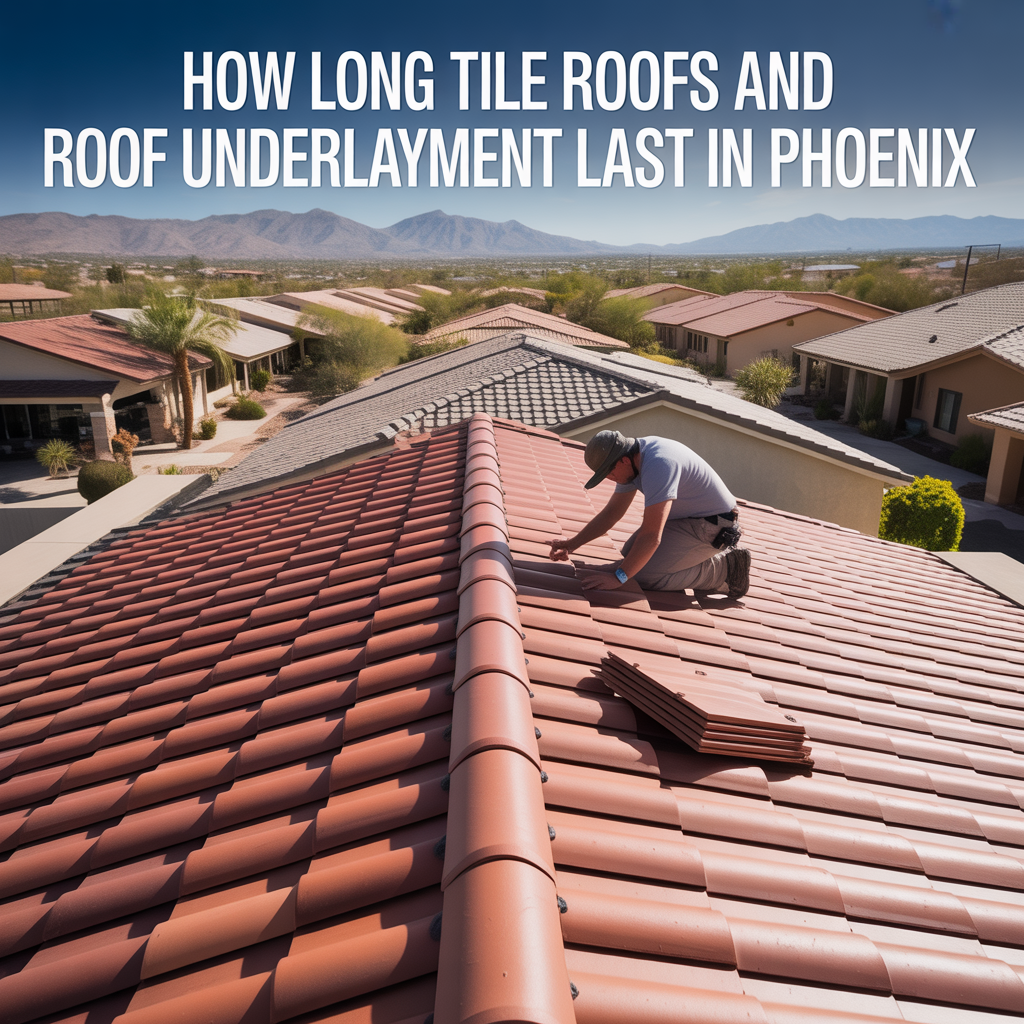
How Long Tile Roofs and Roof Underlayment Last in Phoenix
-

How Smart Thermostats Improve Cooling Efficiency in Arizona Homes
-

Why AC Systems Struggle During Extreme Phoenix Heat Waves
-

How Long Air Conditioning Units Last in Phoenix Homes
-

Warning Signs Your Air Conditioner Is About to Fail
-

How Often Phoenix AC Systems Need Maintenance
-
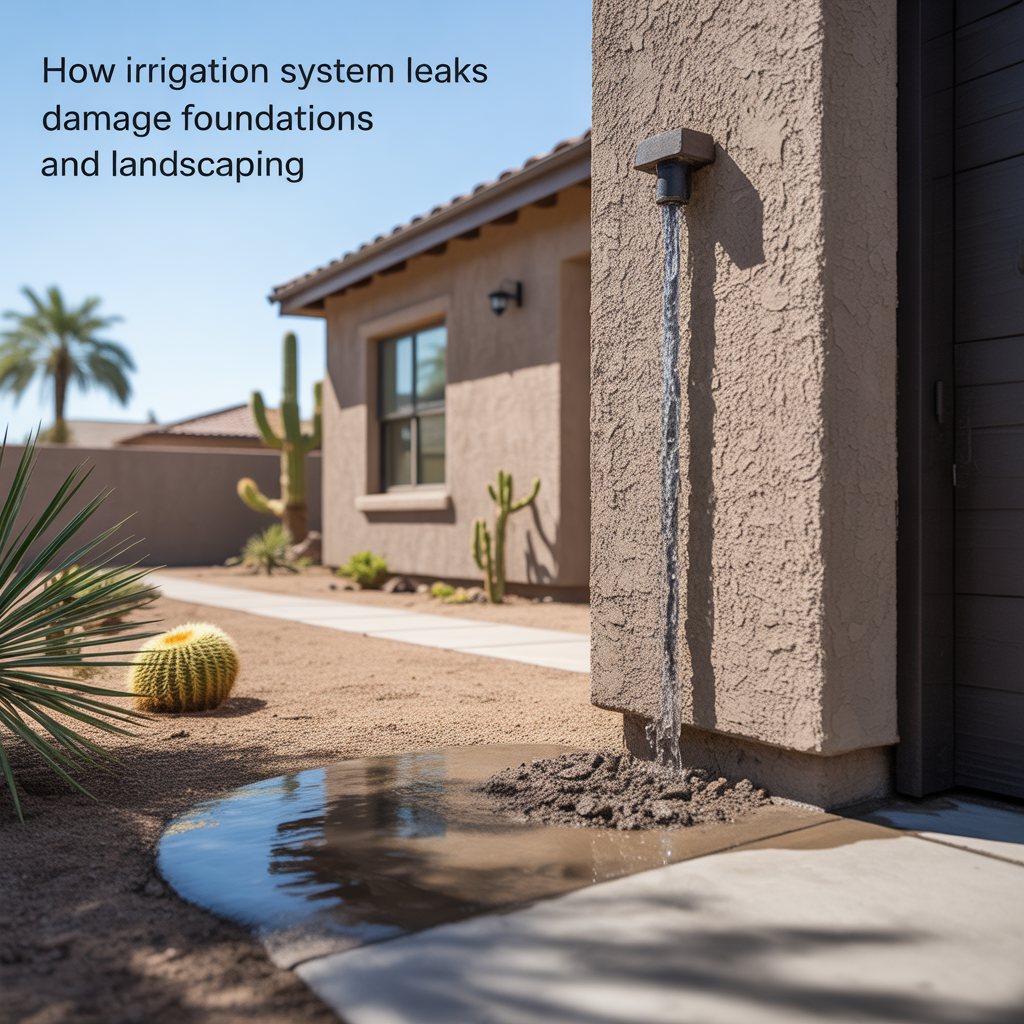
How Irrigation System Leaks Damage Foundations and Landscaping
-

Preventing Roof Damage Before Arizona Monsoon Storms
-

Why AC Tune-Ups Are Critical for Phoenix Homes
-

What Homeowners Should Inspect Before Phoenix Summer Heat Arrives
-

Seasonal Home Maintenance Checklist for Phoenix Homeowners
-
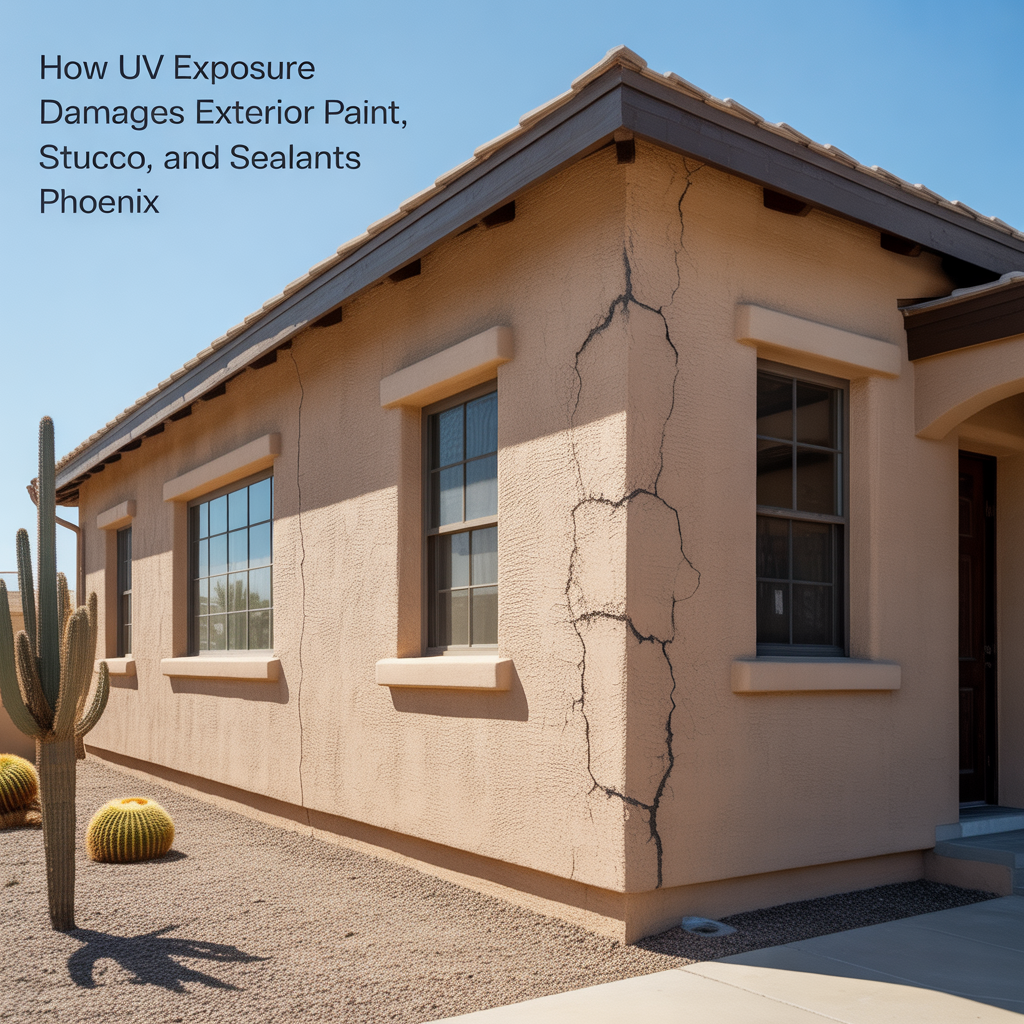
How UV Exposure Damages Exterior Paint, Stucco, and Sealants
-

How Extreme Heat Shortens the Lifespan of Home Systems
-

Why Phoenix Roofs Wear Out Faster Than Many Other Cities
-
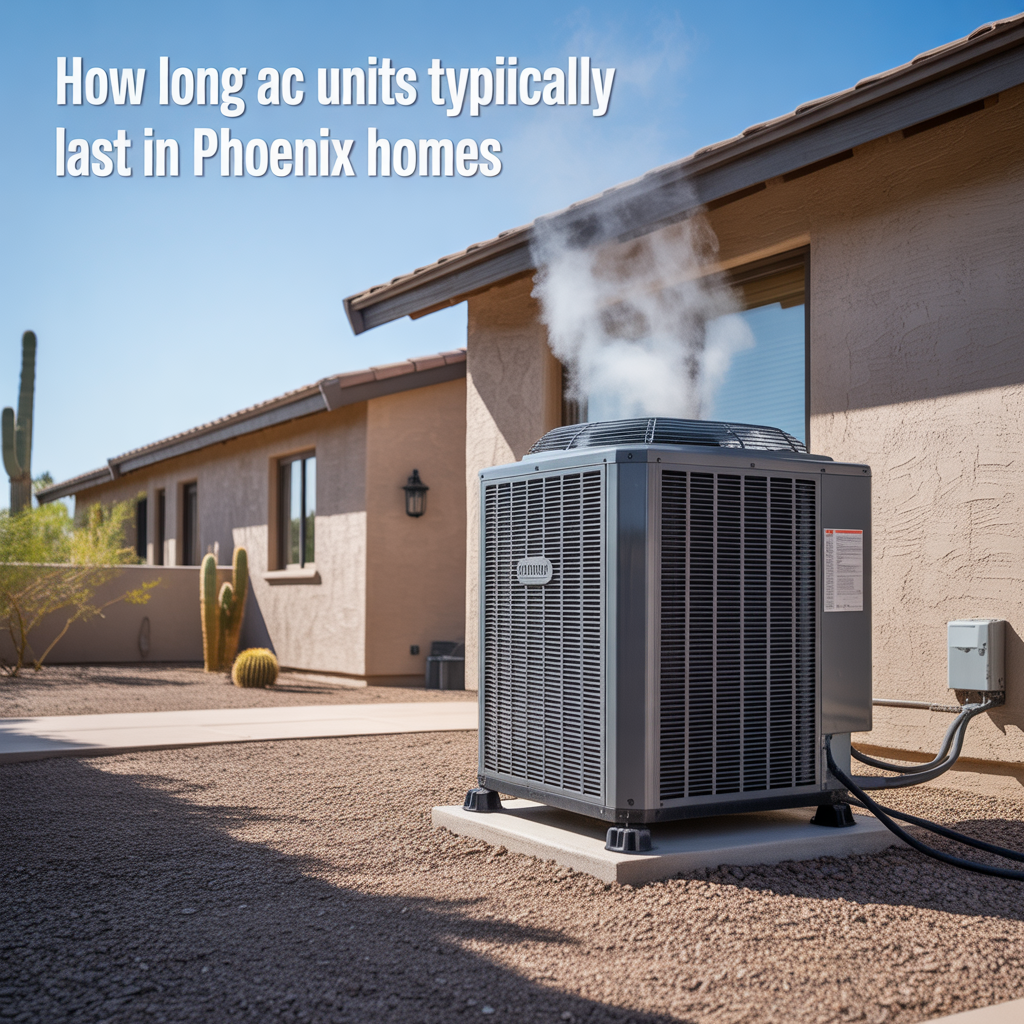
How Long AC Units Typically Last in Phoenix Homes
-

Building a Long-Term Protection Strategy
-
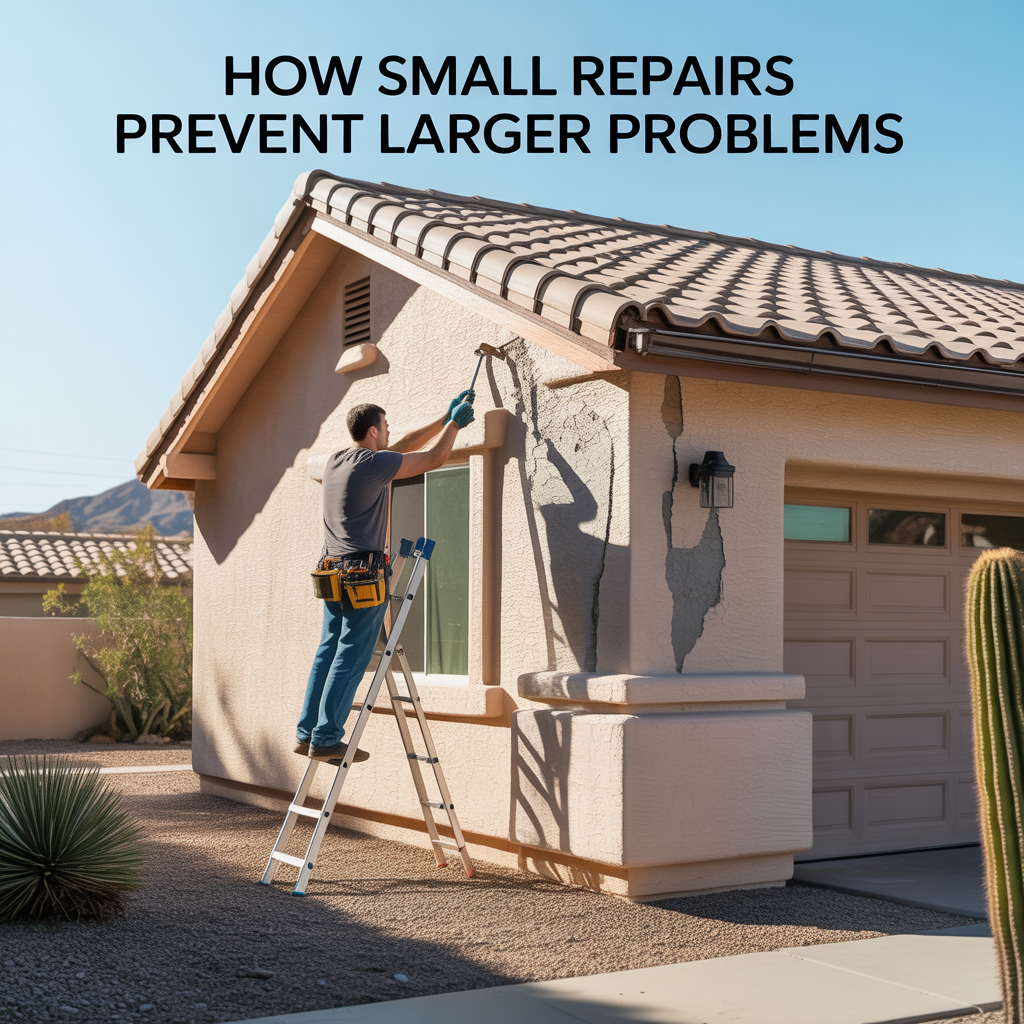
How Small Repairs Prevent Larger Problems
-

Protecting Older Phoenix Homes
-

Warning Signs of Hidden Home Risks
-

Preventative Maintenance That Reduces Insurance Claims
-

Reducing Liability Exposure Around Your Property
-

Liability Coverage Limits Explained
-

When Umbrella Insurance Makes Sense
-

Protecting Yourself From Guest Injury Claims