



Transactional Fears→ [Transactional Fears] & For more info on other fears Phoenix Real Estate → [Phoenix Real Estate Fears Guide]
Written by: Renee Burke
There’s something deeply personal about selling a home in the Greater Phoenix area. Whether your property overlooks the San Tan foothills or sits beneath mature citrus trees in Arcadia, it represents a chapter of your life—your weekends, your routines, your memories.
So when an offer arrives—especially one that doesn’t quite match what you know your home deserves—it’s natural to feel protective. I can’t tell you how often I hear sellers say, “I don’t want to seem difficult, but I also don’t want to give my home away.” That’s not being unreasonable. That’s being human.
The key is learning how to hold firm—in price, in terms, or in mindset—without creating friction. It’s a skill seasoned sellers develop, and it can make the difference between a smooth, confident sale and one filled with unnecessary tension.
The Phoenix Market Reality: Firm but Flexible Wins
Here in the Phoenix metro, we’ve moved beyond the frenzy of 2021 and early 2022, when nearly every home sparked a bidding war. Today’s market is more balanced—sellers still hold leverage in well-kept properties and prime locations, but buyers have become discerning.
The best-positioned sellers are those who demonstrate stability and calm confidence. That doesn’t mean accepting less than your home’s value. It means knowing what’s reasonable for the current market, being prepared to explain that value clearly, and creating an atmosphere that invites cooperation rather than conflict.
For example, homes in desirable school zones—think parts of Gilbert, North Peoria, and North Scottsdale—still command strong offers, but buyers expect homes to show well and appraise within range. Holding firm now means understanding when and where you truly have leverage.
Step 1: Ground Your Confidence in Data, Not Emotion
When you’ve loved your home, it’s easy to view every upgrade and detail with pride—and you should. But buyers in the Valley will base their decisions on recent sales data, appraisals, and competing listings nearby.
Anchoring your expectations in that same data gives you credible footing when negotiations start. A skilled local agent can help you read the nuances—how price-per-square-foot varies between pockets of Ahwatukee versus Chandler’s newer communities, or how days-on-market trends shift for different price brackets.
When your asking price or counteroffer is backed by clear evidence—comparable sales, recent updates, and neighborhood momentum—it’s easier to hold your line without sounding defensive. You shift from “I want this price” to “This price reflects today’s market.” That subtle difference changes how buyers and agents perceive your firmness—it reads as confidence, not stubbornness.
Step 2: Focus on What Matters Most
Not every battle needs to be fought. In any real estate negotiation, some points carry more weight than others. Timing, concessions, and repairs all weave together with price to create the final picture.
For example, if your primary goal is hitting a certain net amount, you might stay firm on price but allow flexibility on the close date to appeal to a relocating family or out-of-state buyer. Or maybe you’re more focused on a swift, smooth closing—so you hold firm on contingencies and loan timelines but agree to minor cosmetic requests.
The beauty of a calm, strategic approach is that it gives you room to negotiate without feeling like you’re “giving in.” In the Phoenix market, little gestures—such as offering to cover a home warranty or responding promptly to inspection items—go a long way in keeping buyers engaged and cooperative, even when you stand firm on the big items.
Step 3: Use Tone as a Strategy Tool
Tone carries enormous weight in real estate communication, and in Phoenix, where deals often progress quickly through digital channels, warmth and professionalism travel faster than almost any other form of leverage.
A seller’s tone—through their agent’s communication—can set the tone for the entire transaction. When countering an offer, leading with appreciation (“We’re grateful for the interest and excited about this possibility…”) before holding your ground changes everything. It shows respect, steadiness, and maturity. Buyers sense that they’re negotiating with someone who knows their worth—without ego.
This applies even during tougher moments, like after an inspection report comes back with requests that feel overreaching. Instead of pushing back emotionally, a well-crafted, factual response—backed by contractor quotes or comparable examples—keeps the tone firm but productive.
Step 4: Avoid the “Over-Negotiation” Trap
One of the silent deal-killers I see in Phoenix-area sales is something I call micro-negotiation fatigue—when every small item becomes a sticking point. It can wear buyers down emotionally, especially in transactions involving relocation, tight move-in schedules, or rising interest rates.
Holding firm doesn’t mean pushing back on every question. Sometimes giving ground on something minor (say, including the washer and dryer or agreeing to a small credit at close) quietly reinforces your goodwill, which can preserve your leverage on the more substantial items.
In markets like ours—where appraisers, inspectors, and title companies all run on tight timelines—maintaining momentum often matters just as much as securing that extra thousand dollars. Buyers can sense when a seller is level-headed, and those transactions nearly always close more smoothly.
Step 5: Let the Right Guidance Protect You
No one expects a seller to navigate these nuances alone. That’s where having a grounded, locally experienced agent matters most—not someone who just runs comps and lists the property, but someone who reads the rhythm of each negotiation and brings deep conversation to each decision.
I often walk clients through multiple hypothetical paths before we respond to an offer:
- What happens if we hold firm here?
- What’s the risk of losing this buyer versus waiting for another?
- How do the next two weekends’ showings realistically look based on market traffic?
When sellers feel truly informed, fear melts away—and confidence grows quiet but unshakable. That’s when firmness feels natural, not forced.
Phoenix Insight: Culture and Pace Affect Perception
Selling in Phoenix means dealing with buyers from all over—California transplants, Midwest retirees, local move-ups, and even global investors. Each comes with a different pace and communication style.
California buyers, for instance, are often accustomed to fast-moving bidding situations and may interpret slower communication as hesitation. Midwest or East Coast buyers sometimes expect more back-and-forth dialogue. Understanding those cultural nuances helps avoid misreads that can cause unnecessary tension.
Even simple timing choices make a difference. Responding to offers promptly (within a few hours if possible) signals respect and decisiveness, even when your response is “no.” That professionalism keeps you in control while projecting goodwill.
Step 6: Keep the End in Sight
It’s easy to forget in the heat of back-and-forth negotiations that the goal isn’t to “win” every round—it’s to move. To close your sale with dignity, clarity, and minimal stress.
When you stay grounded in that purpose, decisions become simpler. You’ll know when to stand your ground and when to lean into compromise that still honors your goals.
I tell my sellers this often: holding firm doesn’t mean digging in—it means standing up straight. It’s a posture, not a fight.
And in the Phoenix market, where every sale carries its own personality—driven by timing, neighborhood energy, and buyer motivation—quiet strength almost always wins out over defensiveness.
Selling in Phoenix Can Be Both Empowering and Graceful
You can absolutely protect your equity and maintain harmony through the process. Sellers who blend confidence with approachability end up not only with better outcomes but also better experiences.
Remember: firmness is never rude when it’s rooted in clarity and care. It simply says, “I’ve done my homework, I understand my home’s value, and I’m ready to close with the right buyer.”
If You’re Thinking About Selling
If you’re considering a move here in the Phoenix metro, you don’t have to navigate these choices alone. I work closely with sellers to balance strategy, communication tone, and negotiation strength—so your decisions feel calm, well-informed, and fully supported.
Whether you’re prepping to list or already fielding offers, let’s sit down and talk through your goals. You deserve to feel strong and steady every step of the way.
If you’re thinking about making a move in Phoenix, you don’t have to figure it out alone.
Get the full Phoenix Market Insights → [Market Insights]


-

Signs Your Phoenix Roof Needs Inspection or Repair
-

How Long Tile Roofs and Roof Underlayment Last in Phoenix
-

How Smart Thermostats Improve Cooling Efficiency in Arizona Homes
-

Why AC Systems Struggle During Extreme Phoenix Heat Waves
-

How Long Air Conditioning Units Last in Phoenix Homes
-

Warning Signs Your Air Conditioner Is About to Fail
-

How Often Phoenix AC Systems Need Maintenance
-

How Irrigation System Leaks Damage Foundations and Landscaping
-

Preventing Roof Damage Before Arizona Monsoon Storms
-

Why AC Tune-Ups Are Critical for Phoenix Homes
-

What Homeowners Should Inspect Before Phoenix Summer Heat Arrives
-

Seasonal Home Maintenance Checklist for Phoenix Homeowners
-
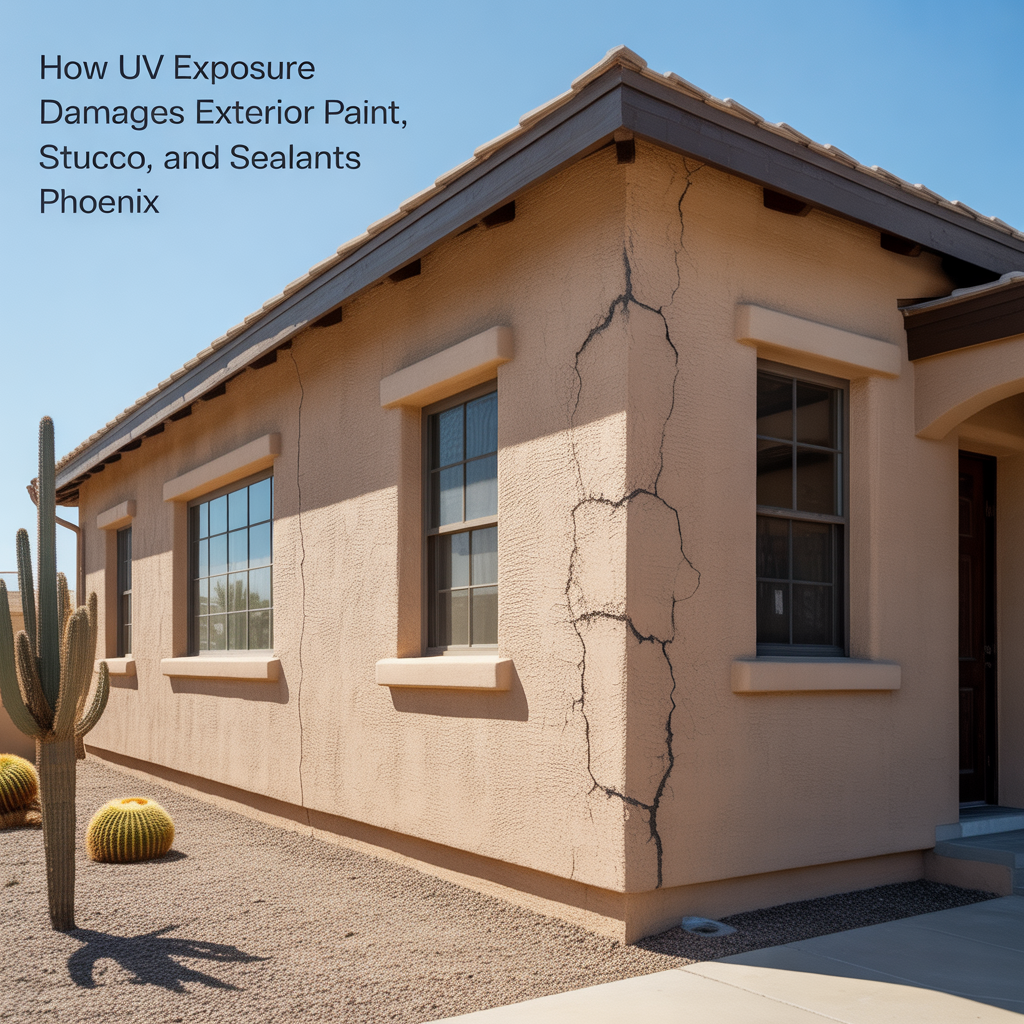
How UV Exposure Damages Exterior Paint, Stucco, and Sealants
-

How Extreme Heat Shortens the Lifespan of Home Systems
-

Why Phoenix Roofs Wear Out Faster Than Many Other Cities
-

How Long AC Units Typically Last in Phoenix Homes
-

Building a Long-Term Protection Strategy
-
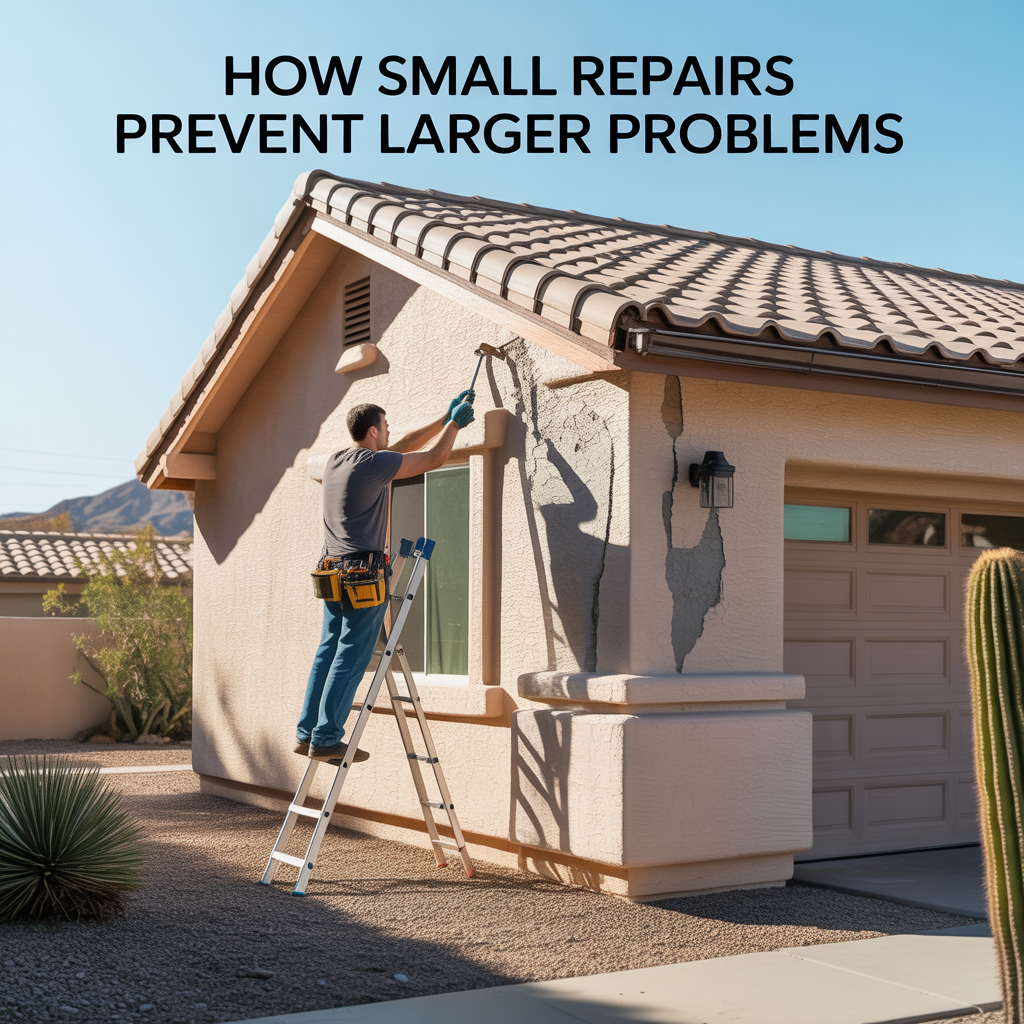
How Small Repairs Prevent Larger Problems
-

Protecting Older Phoenix Homes
-

Warning Signs of Hidden Home Risks
-

Preventative Maintenance That Reduces Insurance Claims
-

Reducing Liability Exposure Around Your Property
-

Liability Coverage Limits Explained
-

When Umbrella Insurance Makes Sense
-

Protecting Yourself From Guest Injury Claims