



Transactional Fears→ [Transactional Fears] & For more info on other fears Phoenix Real Estate → [Phoenix Real Estate Fears Guide]
Written by: Renee Burke
You know that quiet unease in a Phoenix deal? The one that settles in before emails turn sharp or calls go silent? After walking families through hundreds of Valley escrows—from Gilbert’s family enclaves to Scottsdale’s gated retreats—I’ve learned to spot the subtle signals that whisper trouble long before it shouts.
These aren’t dramatic red flags; they’re the soft shifts in rhythm, communication, and energy that hint a transaction might be drifting. Catching them early lets you course-correct gently, often saving the home you love or the timeline you need. Let’s walk through the most telling ones, so you can sense when to lean in with care.
Why Early Warning Signs Matter in the Valley
Phoenix escrow moves fast—30 days of tight deadlines amid school calendars, summer heat, and relocation waves. A small stall in one area ripples everywhere: delayed inspections squeeze appraisals, slow lender responses rattle sellers, unaddressed vibes erode trust.
Here, where buyers dream of South Mountain trails and sellers plan snowbird escapes, emotional investment runs deep. Spotting risk early protects not just the deal, but your peace. It’s about reading the room—or the group text—before tension builds.
Communication Slows or Shifts Tone
Words are the first canary. Watch for:
- Response lag: Texts that answered in hours now take days. A buyer’s agent who was chatty post-offer goes quiet during inspections. In Chandler deals, this often signals buyer sticker shock from BINSR costs.
- Tone chills: Friendly “excited to move forward” becomes clipped “reviewing with client.” Sellers in North Phoenix might pull back if their relocation hits a snag.
- Radio silence on milestones: No update after earnest money posts or HOA packet requests. Valley HOAs can lag, but unprompted quiet hints deeper hesitation.
These aren’t emergencies yet—but they’re invitations to check in warmly: “All good on your end? Here’s our latest.”
Behavioral Cues from the Other Side
People reveal more through actions than words:
- Showings or walkthroughs get rescheduled repeatedly: Buyers who circled the block three times now delay final confirmation. Often tied to financing wobbles or second thoughts about commuting from Peoria.
- Unexplained timeline tweaks: “Can we push inspection a week?” without reason. Sellers might mask repair overwhelm; buyers hide lender conditions.
- Over-asking on non-essentials: Nitpicks on paint colors or fridge age post-BINSR. In Ahwatukee, this signals emotional cooling—love fading for the home itself.
Steady teams keep cadence; drifts show doubt brewing beneath the surface.
Paperwork and Process Red Flags
Documents don’t lie:
- Lender updates vanish: No underwriting progress after day 10. Phoenix’s steady conventional market expects weekly check-ins; silence screams conditions piling up.
- Escrow pings increase: Emails about missing addenda or unsigned forms. Title snags in older Arcadia homes surface here—quiet liens or easement surprises.
- Appraisal ordered late: Past day 7 without confirmation. In Queen Creek’s rising values, delays often mean lender caution or buyer credit hiccups.
Proactive agents flag these instantly, turning “uh-oh” into “handled.”
Market and Motivation Mismatches
Context whispers risks too:
| Risk Signal | Seller Side | Buyer Side | Phoenix Nuance |
|---|---|---|---|
| Price Stubbornness | Counters stay firm past comps | Lowballs persist despite feedback | East Valley holds value; West softens faster |
| Timeline Rigidity | Insists on 21-day close despite buyer sale | Requests 45+ days without job docs | Snowbirds push winter; families eye school |
| Inspection Reactions | Dismisses major AC/roof notes | Balks at normal desert wear credits | Heat strains systems—expect fair asks |
| Backup Offers | Mentions casually early | No escalation despite competition | Gilbert multiples demand quick pivots |
These mismatches surface in offhand comments—listen closely.
Emotional and Energy Drifts
The subtlest, but strongest:
- Enthusiasm fades: Buyer texts shift from “perfect backyard for kids” to “checking options.” Sellers stop sharing neighborhood tips.
- Team friction: Agent-lender whispers or escrow “just confirming.” In Fountain Hills deals, this hints mismatched expectations.
- Gut check fails: You feel it—the excitement that sparked the offer now hums flat. Valley intuition, honed by monsoons and mountain drives, rarely steers wrong.
Trust that inner nudge; it’s often the earliest alert.
How to Respond Without Panic
Spotting risk isn’t alarm—it’s advantage. Send a confidence update: “Quick pulse check—inspection report in tomorrow, appraisal ordered. Thoughts?” It invites honesty without pressure.
Loop your agent for intel: “Any vibe from their side?” Local pros read between lines—seller motivation, buyer reserves, lender reps. In my practice, 80% of at-risk deals steady with one thoughtful touchpoint.
Never assume the worst. Phoenix resilience turns wobbles into wins.
The Power of Quiet Vigilance
These signs aren’t failures—they’re forks in the road. Catch them early, and you steer with grace toward closing. Ignore them, and small cracks widen.
You deserve a deal that feels solid, not shaky. Awareness is your steady hand.
If Your Deal Feels Off—or You Want It Rock-Solid
I live these signs daily, helping Valley families spot and smooth risks before they surface. Whether mid-escrow in Mesa or prepping an offer in Scottsdale, let’s review yours together—no guesswork, just clarity.
You don’t navigate these whispers alone. I’m here, listening with you.
If you’re thinking about making a move in Phoenix, you don’t have to figure it out alone.
Get the full Phoenix Market Insights → [Market Insights]


-

Shade Coverage and Tree Canopy Differences by Corridor
-

Summer Walkability Reality Near ASU and Mill Avenue
-

Choosing Proximity Based on Personality and Routine
-
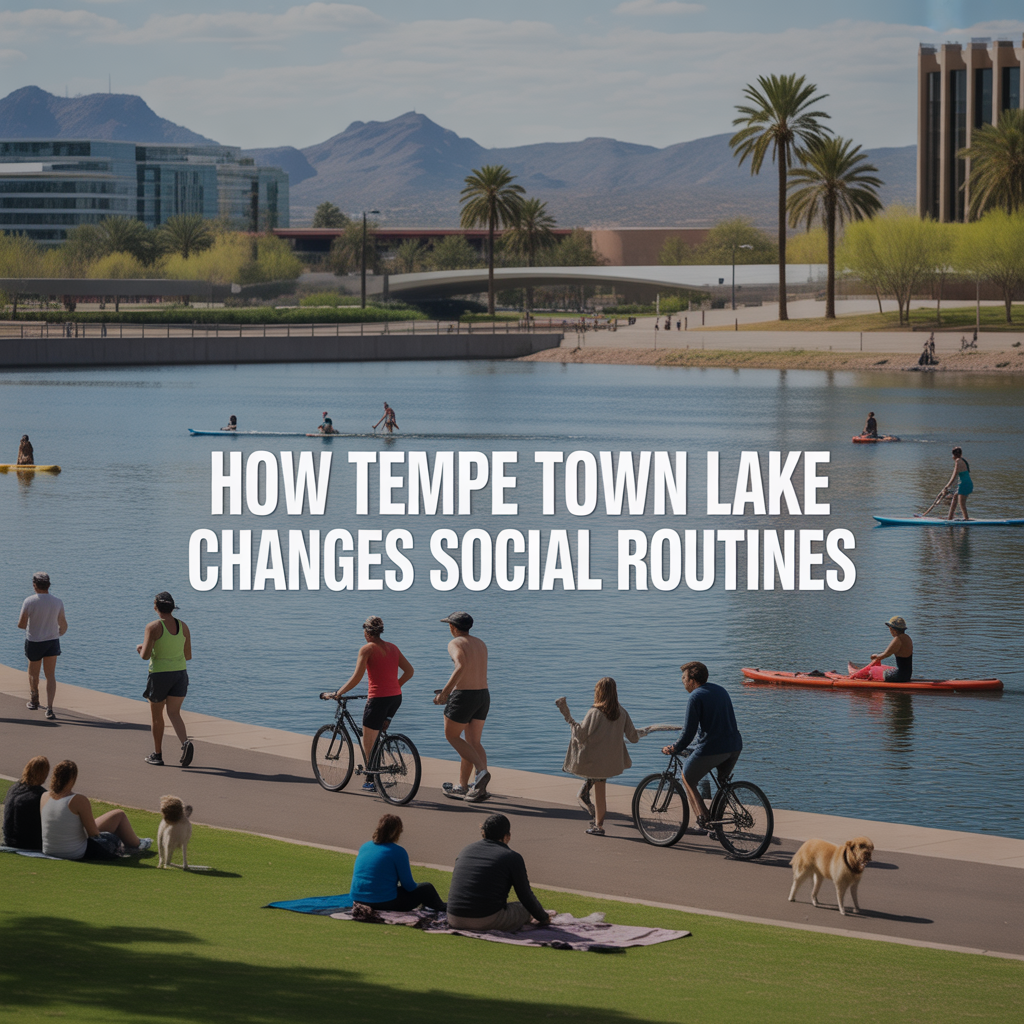
How Tempe Town Lake Changes Social Routines
-

Family-Friendly Lake Events vs Adult Nightlife Patterns
-

Parking Structures and Rideshare Realities on Peak Nights
-
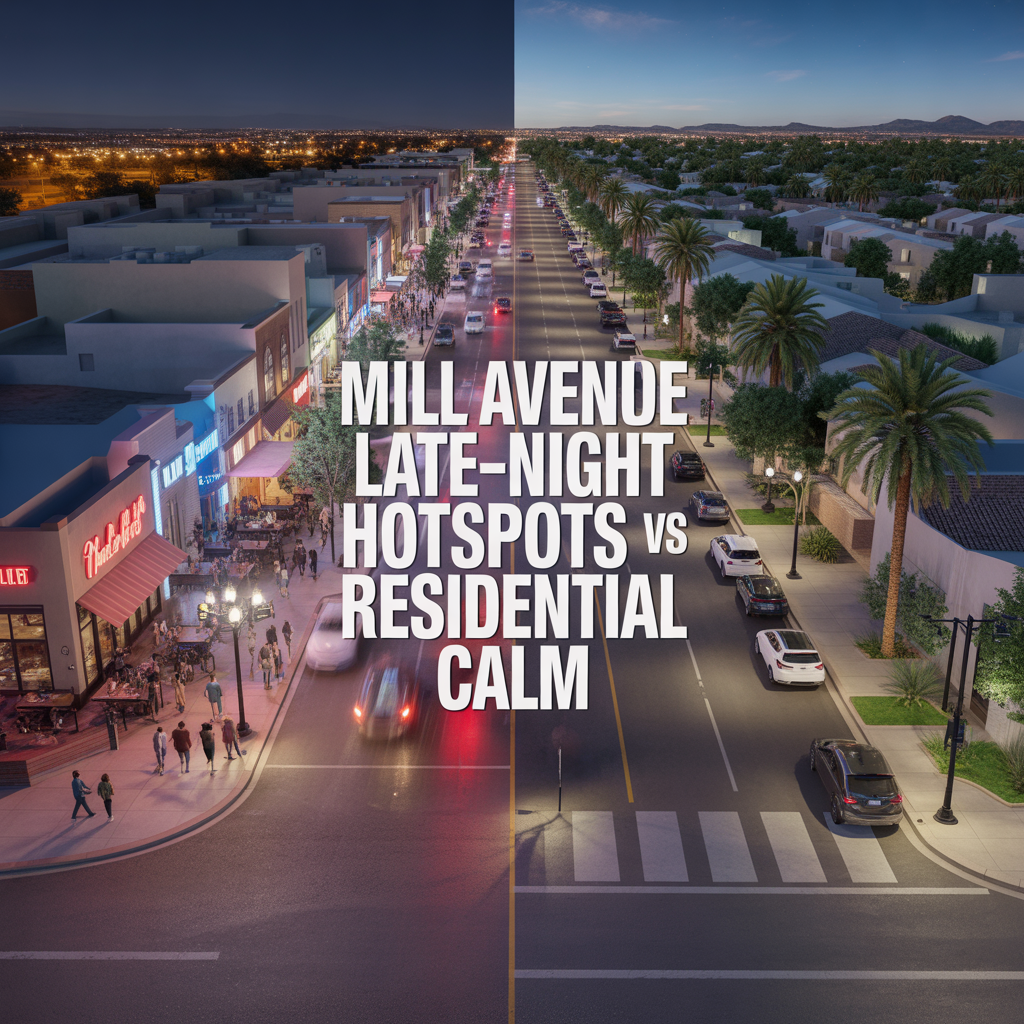
Mill Avenue Late-Night Hotspots vs Residential Calm
-

ASU Game Days and Event Calendar Impacts
-

Cross-Valley Trip Efficiency From Tempe
-

Micro-Mobility and Bike Utility by Corridor
-

Park-And-Ride, Game Day, and Event Access Patterns
-

Airport Timing Strategy Around ASU and Rush Hour Traffic
-

Light Rail Use Cases That Actually Improve Daily Life
-

Freeway vs Arterial Routing During Peak Windows
-

Real-World Drive Times to Sky Harbor From Different Tempe Pockets
-

How Traffic and Commute Direction Affect Daily Life in North vs South Tempe
-

Bike Paths, Walkability, and Short-Distance Transportation in Tempe
-

Driving Access From Tempe to Phoenix Sky Harbor Airport
-

Light Rail Access Between Tempe, Downtown Phoenix, and Mesa
-

Major Tempe Arterial Roads Including Rural Road, McClintock Drive, and Baseline Road
-

ASU Traffic Patterns and Peak Congestion Near Campus
-

Typical Commute Times From Tempe to Phoenix, Scottsdale, and Chandler
-
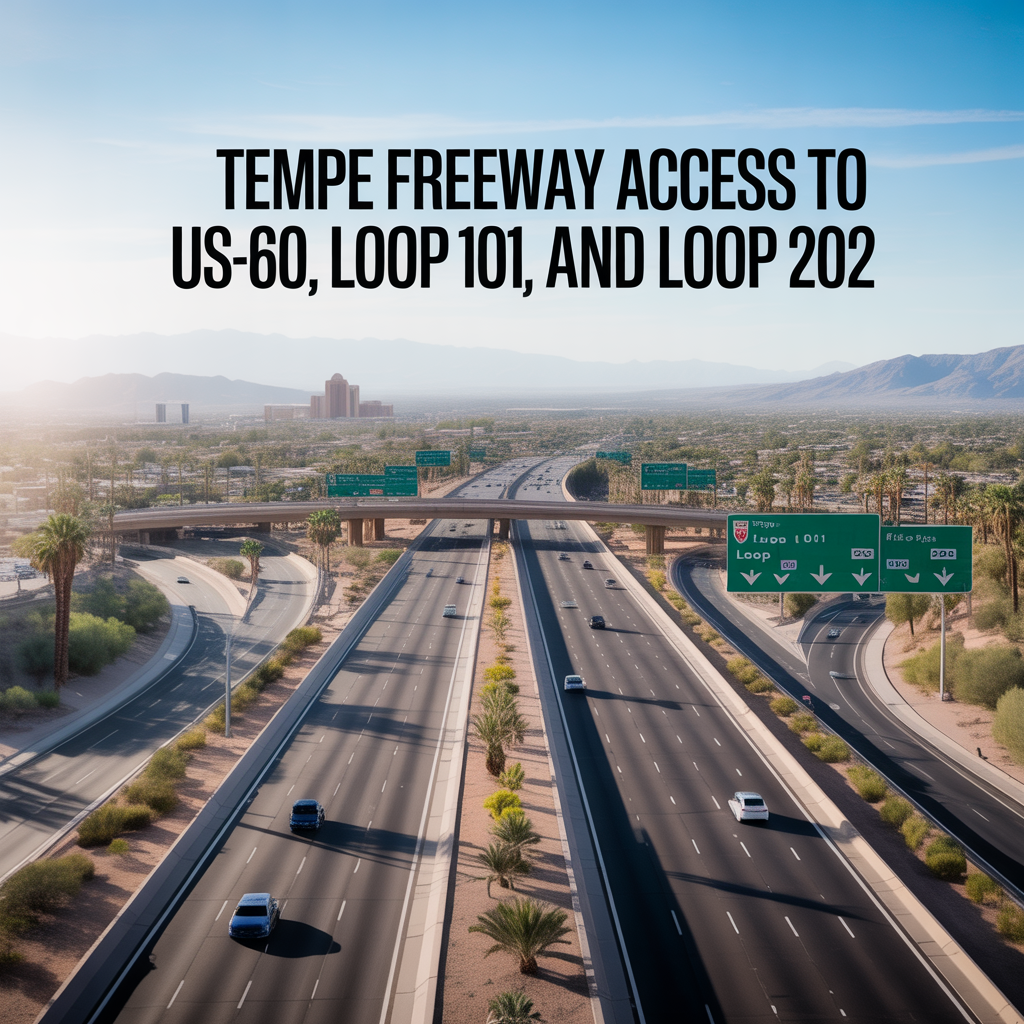
Tempe Freeway Access to US-60, Loop 101, and Loop 202
-

Shade, Tree Coverage, and Summer Outdoor Usability in Tempe
-

Outdoor Recreation Near Downtown Tempe and ASU