



Transactional Fears→ [Transactional Fears] & For more info on other fears Phoenix Real Estate → [Phoenix Real Estate Fears Guide]
Written by: Renee Burke
In Phoenix, most of the stress in a real estate deal doesn’t come from the house itself — it comes from the gaps between what people assume, what they say out loud, and what actually makes it into writing. When you layer big money, tight timelines, and real family logistics on top of that, even small miscommunications can feel huge.
Let’s walk through the communication breakdowns I see most often in Phoenix‑area transactions — and the simple, early fixes that keep everyone calmer and more in control.
1. “I Thought You Meant…” – Vague Expectations Around Repairs
One of the biggest friction points is repairs: what will be fixed, who will pay, and how “good” the finished work should be.
Common breakdowns:
- Buyers assume “of course they’ll fix that” based on a hallway comment, not the contract.
- Sellers think they’re selling “as‑is” because that’s what a neighbor did, even though the contract doesn’t say that.
- Everyone reads the inspection report slightly differently and fills in the blanks with their own expectations.
When these assumptions collide after inspections, it feels personal — like someone is backing out of an unspoken promise.
Fix it early:
- Before you even order inspections, talk very clearly about your repair philosophy: Are we asking only for safety/structural/HVAC, or also cosmetics?
- Put every repair agreement in writing with specific items, timelines, and who is doing the work — not “seller to fix issues.”
- Ask your agent to repeat back your understanding: “So just to confirm, you’re comfortable moving forward if X, Y, and Z are addressed.”
Clear language now prevents hurt feelings later.
2. Silence During “Bad News” Moments (Financing, Appraisal, Title)
The moments that scare people most — shaky financing, low appraisal, a title or HOA surprise — are also the moments when people tend to go quiet. They feel embarrassed or overwhelmed and hope it will “sort itself out.” That silence is what causes the real stress.
Typical pattern:
- A lender asks for extra documents or hints that approval is tight, but no one tells the other side.
- An appraisal comes in low, and buyers sit on it for days, not wanting to upset the seller.
- Title or HOA finds a lien or rule issue, but it’s “being worked on,” so no one wants to raise the alarm yet.
Meanwhile, the other side senses something is off and imagines the worst.
Fix it early:
- Decide as a team: “If anything even might affect closing, we tell everyone within 24 hours.”
- Have your agent send brief, factual updates: “Appraisal came in low; we’re reviewing options and will respond by X date.”
- Ask your lender and title officer to loop your agent in immediately when they hit a snag — not three days later.
You don’t need every answer on day one. You just need to show you’re not hiding the question.
3. Assumptions About Money: Costs, Credits, and Who Pays What
Money stress often comes from small misunderstandings that snowball:
- Buyers underestimate closing costs, insurance, or HOA fees because they relied on generic online estimates or incomplete listing info.
- Sellers think concessions are “standard” or “never done” based on a neighbor’s story, not today’s market.
- People are surprised by wire fees, prorations, or how earnest money is handled if things go sideways.
When numbers change late in the game, people feel tricked — even if no one meant any harm.
Fix it early:
- Ask your lender for a detailed, written estimate specific to the property (including taxes, HOA, and insurance in that ZIP code), and update it whenever the price or terms change.
- Have your agent walk you through a sample closing statement at the beginning, not the week of closing.
- Clarify in writing any credits, rate buydowns, or repair allowances — amount, who pays, and how it shows up on the closing statement.
When everyone can point to the same written numbers, pressure drops instantly.
4. Timeline Confusion: “I Didn’t Realize That Was a Hard Deadline”
In Arizona, contract deadlines are real deadlines — not “guidelines.” Inspection periods, loan approval dates, and closing days all carry consequences if they pass without action.
Stress shows up when:
- Buyers don’t understand that missing the inspection deadline can waive their right to ask for repairs or cancel without risk to earnest money.
- Sellers don’t realize they need to be fully moved out by close of escrow unless there’s a written post‑possession agreement.
- No one has a single, shared calendar, so reminders slip through the cracks.
The result is that people feel blindsided by the legal weight of what they thought was a “flexible” date.
Fix it early:
- At acceptance, ask your agent to create a one‑page timeline with every major deadline and what happens if it’s missed.
- Put those dates in everyone’s calendar — buyer, seller (if they want it), lender, and even key family members who are helping.
- When something might slip, speak up immediately and have your agent request extensions in writing before the deadline, not after.
Even one clear, shared timeline can prevent most deadline‑related panic.
5. Listing and Disclosure Gaps: When Reality Doesn’t Match the Story
Another source of stress is when the property itself isn’t quite what people thought:
- Listing details are wrong — roofing type, bedroom count, HOA amenities, or included appliances.
- Sellers forget or hesitate to disclose known issues, thinking they’re “small” or “long ago,” and buyers feel misled when they surface.
That sense of “I wasn’t told the truth” turns small repair issues into big emotional conflicts.
Fix it early:
- Sellers: Over‑disclose rather than under‑disclose. Arizona law expects you to be honest and thorough about known material facts, and being upfront actually reduces legal risk.
- Buyers: Treat the listing like marketing, not a warranty. Use your inspection period to verify everything that matters to you.
- If something important changes (a system fails, a leak appears, a repair doesn’t go as planned), update the other side in writing right away.
Trust is built by matching words, documents, and on‑site reality as closely as possible.
6. Too Many Voices, No Single Point of Contact
A Phoenix transaction can involve: buyer, seller, two agents, a lender team, title/escrow, inspectors, contractors, maybe even an attorney. When everyone emails separately and no one is clearly “quarterbacking,” it’s easy to miss messages or get different answers from different people.
This is where clients start to say, “I don’t even know who to listen to anymore.”
Fix it early:
- Decide early that your agent is your main point of contact — the one who filters, clarifies, and keeps the whole picture in view.
- Ask for regular, scheduled updates (for example, twice a week) even when “nothing” is happening, so you’re not left wondering.
- Keep important decisions in writing, with your agent summarizing: “Here’s what we agreed, here’s the next step, here’s who is doing what by when.”
A clear communication “hub” turns chaos into a calm, predictable rhythm.
Simple Communication Habits That Lower Stress Dramatically
If you remember nothing else, these habits alone will take the edge off most Phoenix‑area transaction stress:
- Ask “What happens if…?” early and often. Especially around deadlines, money, and repairs.
- Insist on written summaries of key decisions. Verbal agreements are where expectations drift.
- Share how you like to communicate. Text, email, phone — and how often you want updates.
- Tell your agent when you’re overwhelmed. They can slow down, re‑explain, or re‑sequence tasks so you’re not juggling everything at once.
You deserve to feel informed and supported, not dragged behind the transaction by a rope.
If you’re already in the middle of a Phoenix‑area deal and feeling that knot of “too many moving parts, not enough clarity,” you do not have to manage it alone. Reach out, and we can unpack what’s on your plate, map out who needs to say what to whom, and put a calm, simple communication plan in place for the rest of your transaction.
I’m here in the Valley not just to help you buy or sell a house, but to walk alongside you through the conversations, decisions, and details that make this whole process feel human and manageable.
Get the full Phoenix Market Insights → [Market Insights]


-

Signs Your Phoenix Roof Needs Inspection or Repair
-

How Long Tile Roofs and Roof Underlayment Last in Phoenix
-

How Smart Thermostats Improve Cooling Efficiency in Arizona Homes
-

Why AC Systems Struggle During Extreme Phoenix Heat Waves
-

How Long Air Conditioning Units Last in Phoenix Homes
-

Warning Signs Your Air Conditioner Is About to Fail
-

How Often Phoenix AC Systems Need Maintenance
-

How Irrigation System Leaks Damage Foundations and Landscaping
-

Preventing Roof Damage Before Arizona Monsoon Storms
-

Why AC Tune-Ups Are Critical for Phoenix Homes
-

What Homeowners Should Inspect Before Phoenix Summer Heat Arrives
-

Seasonal Home Maintenance Checklist for Phoenix Homeowners
-
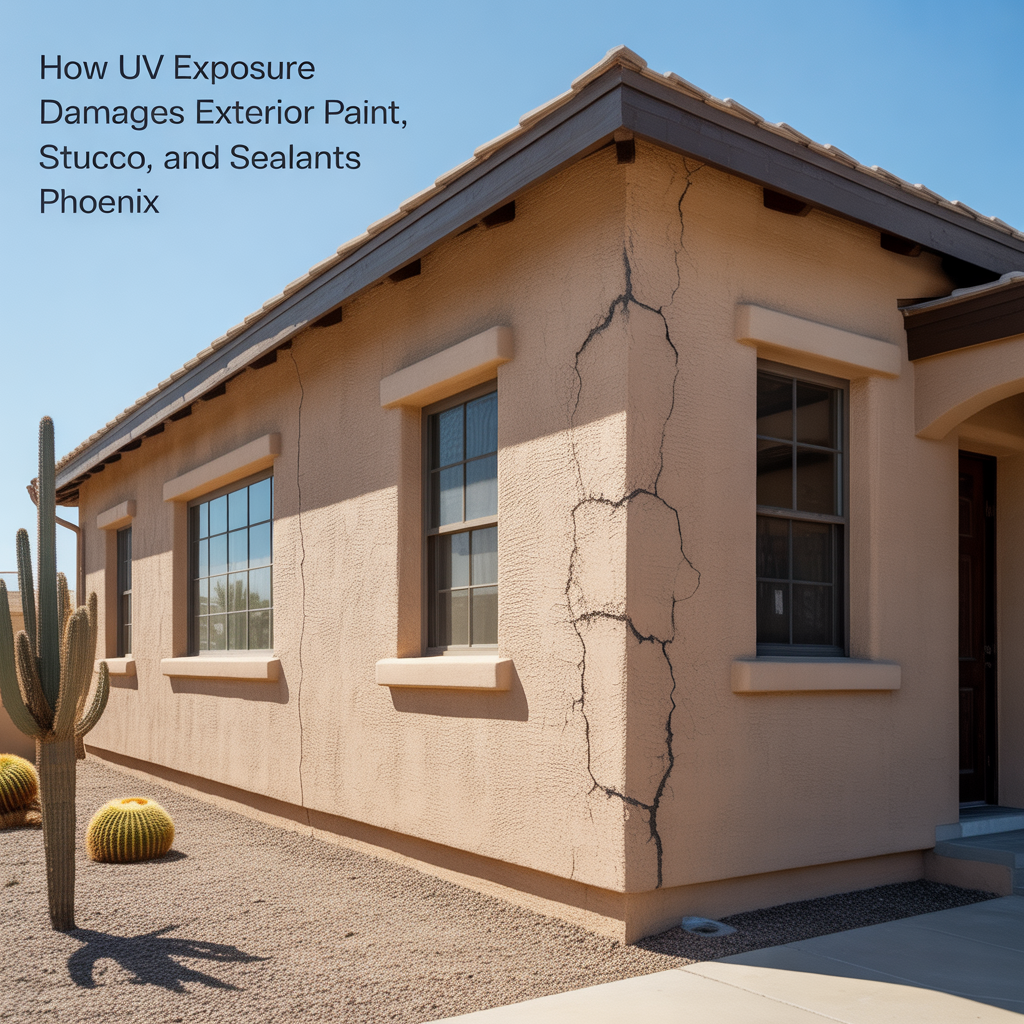
How UV Exposure Damages Exterior Paint, Stucco, and Sealants
-

How Extreme Heat Shortens the Lifespan of Home Systems
-

Why Phoenix Roofs Wear Out Faster Than Many Other Cities
-
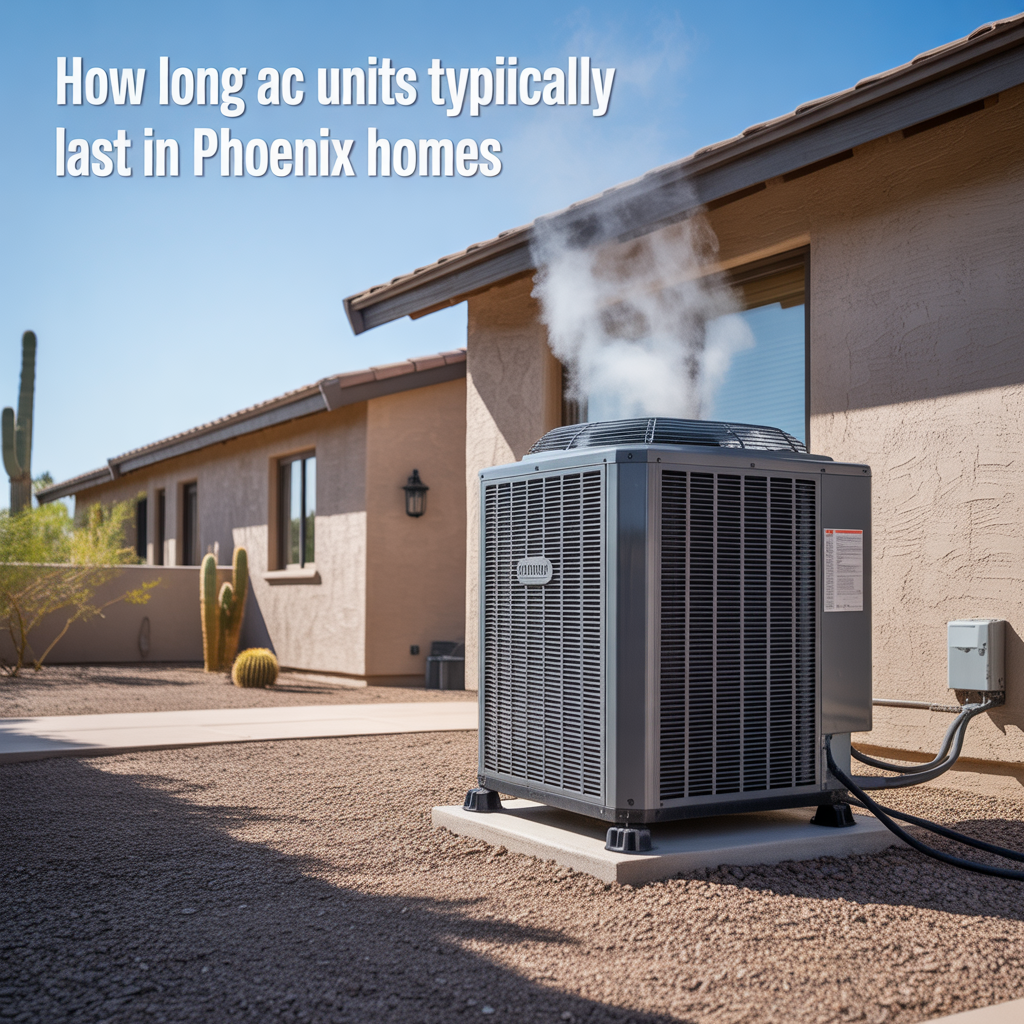
How Long AC Units Typically Last in Phoenix Homes
-

Building a Long-Term Protection Strategy
-

How Small Repairs Prevent Larger Problems
-

Protecting Older Phoenix Homes
-

Warning Signs of Hidden Home Risks
-

Preventative Maintenance That Reduces Insurance Claims
-

Reducing Liability Exposure Around Your Property
-

Liability Coverage Limits Explained
-

When Umbrella Insurance Makes Sense
-

Protecting Yourself From Guest Injury Claims