



Transactional Fears→ [Transactional Fears] & For more info on other fears Phoenix Real Estate → [Phoenix Real Estate Fears Guide]
Written by: Renee Burke
That moment when the appraisal comes in low on your Phoenix purchase — maybe a Gilbert family home or North Peoria starter valued under contract — often sparks whispers of “just get a second appraisal.” I’ve heard it from so many clients across the Valley, and while the idea feels reassuring, it’s more myth than magic in our 2026 market.
The reality? Lenders rarely order a full new appraisal on demand. What works instead are targeted, evidence-based challenges that nudge value up when facts support it. Let me walk you through the truth, so you stay steady through escrow.
Why “Second Appraisal” Is Mostly a Myth
Appraisers are independent, assigned by lenders via rotating pools to ensure neutrality. Requesting a “second” one outright? Lenders see it as shopping for a higher number, which risks bias flags and delays — 7-14 extra days in tight Arizona timelines.
In Phoenix, where comps shift with East Valley new builds or Scottsdale unique lots, a fresh appraiser might land similarly conservative. Instead, focus on “reconsideration of value” (ROV) — the real tool that prompts reviewers to revisit the original report.
Sellers and buyers both benefit from this grounded approach over wishful reruns.
What You Can Actually Challenge (And Win With)
Challenges succeed on facts, not feelings. Gather evidence within 48 hours of the report, submit via your lender — success rates hit 30-50% locally when documented tightly.
- Factual Errors: Wrong square footage (missed a bonus room in Verrado?), incorrect bedroom count, or misclassified garage conversion. Phoenix tax records and permits prove this fast.
- Missed Upgrades: No credit for 2024 solar panels, pool re-plaster, or HVAC swap? Receipts and invoices shift the needle.
- Better Comps: Provide 3-6 recent, hyperlocal closed sales — that Chandler tract two streets over, same lot depth, sold $15k higher last month. Exclude pending or listings; appraisers ignore them.
- Condition Oversights: Photos of pristine stucco (not the settling cracks normal here) or updated electrical.
ROV goes back to the original appraiser or a supervisor — no new onsite visit needed, keeping escrow humming.
Step-by-Step: How to Challenge Effectively
Turn frustration into forward motion with this Valley-tested process.
- Review Immediately: Cross-check the full report against MLS, SPDS, and county records. Note discrepancies line-by-line.
- Build Your Packet: Comps spreadsheet, upgrade docs, photos. Keep it under 10 pages — concise wins.
- Lender First: Submit ROV request through your loan officer; they triage to appraisal management. Track daily.
- Timeline: 3-5 days for response typical; extensions auto if needed.
- Backup Plans: Prep split-gap or price drop talks simultaneously — ROV complements, doesn’t replace.
In HOA spots like Power Ranch, include community sales trends; appraisers adjust for them.
Here’s a Phoenix challenge checklist:
| Challenge Type | Evidence Needed | Success Odds | Valley Example |
|---|---|---|---|
| Square Footage | County records, blueprints | High | Missed 200sf casita in Ahwatukee |
| Upgrades | Invoices, permits | Medium-High | 2025 roof cert ignored in Mesa |
| Comps | Closed MLS sales <90 days | Medium | Eastmark tract undervalued vs. neighbor |
| Condition | Timestamped photos | Low-Medium | “Worn” pool actually resurfaced |
When Challenges Fail (And What to Do Next)
Not every low appraisal flips — conservative comps from 2025 peaks or soil-shift flags in North Phoenix hold firm. If ROV denies, pivot to real options: buyer covers gap, seller drops price, or mutual split.
FHA/VA loans? Even stricter; challenges rarely sway. Conventional offers best shot.
Avoid myths like “appraiser shopping” — it backfires into lender scrutiny.
Phoenix Nuances That Tip Challenges
Our market layers in hail histories (SPDS claims boost value), expansive soils (hairline cracks = normal), and micro-zips (Arcadia Lite comps don’t touch Peoria). Early 2026 softening means tighter grids — challenge with post-January sales only.
Pre-offer comp reviews prevent 70% of surprises; I run them standard.
Clarity Over Chase
Ditching the second-appraisal dream empowers real moves. Challenges work when factual; otherwise, adapt gracefully to your foothill-view future.
You’re positioned to handle this wisely.
If you’re thinking about making a move in Phoenix, you don’t have to figure it out alone. I’m always here to review appraisals, build challenge packets, or guide any escrow step. Reach out anytime; we’ll move through it, thoughtfully and confidently, together.
Get the full Phoenix Market Insights → [Market Insights]


-

Signs Your Phoenix Roof Needs Inspection or Repair
-

How Long Tile Roofs and Roof Underlayment Last in Phoenix
-

How Smart Thermostats Improve Cooling Efficiency in Arizona Homes
-

Why AC Systems Struggle During Extreme Phoenix Heat Waves
-

How Long Air Conditioning Units Last in Phoenix Homes
-

Warning Signs Your Air Conditioner Is About to Fail
-

How Often Phoenix AC Systems Need Maintenance
-
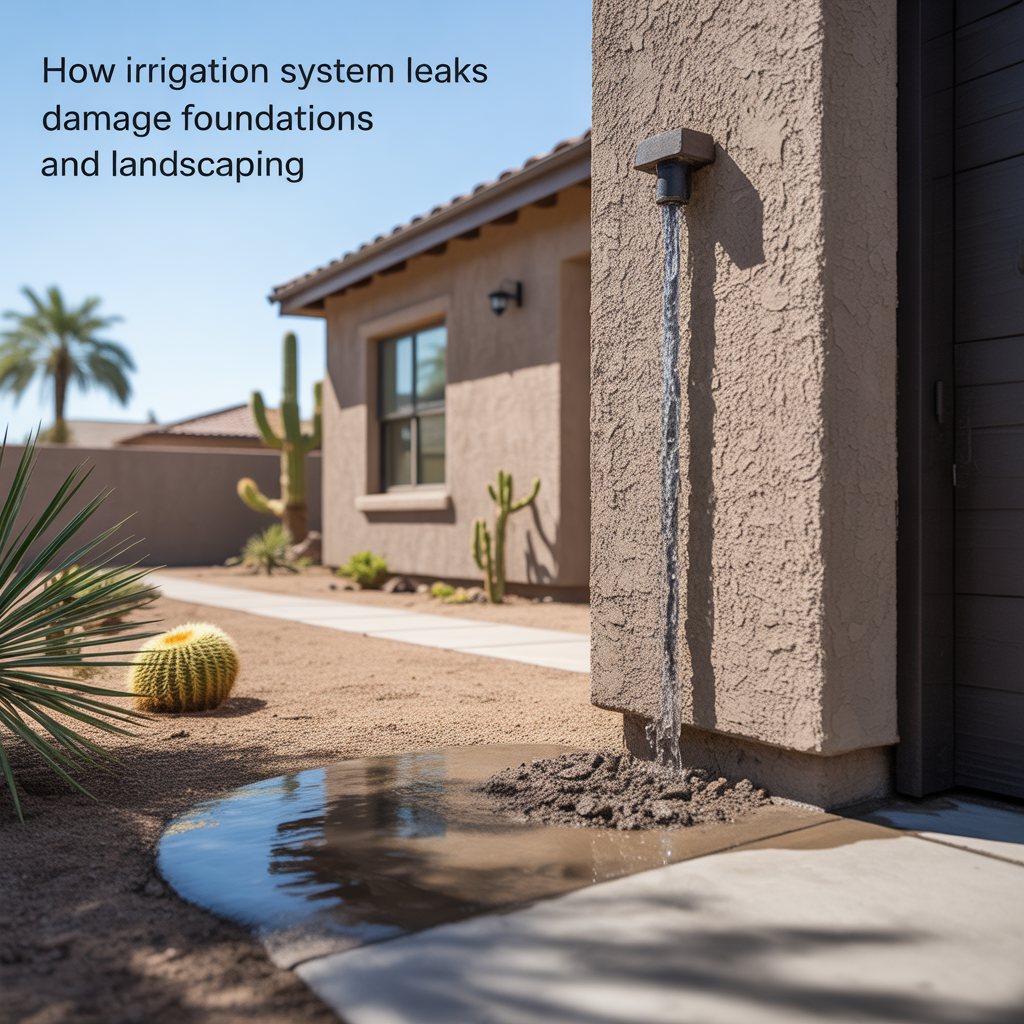
How Irrigation System Leaks Damage Foundations and Landscaping
-

Preventing Roof Damage Before Arizona Monsoon Storms
-

Why AC Tune-Ups Are Critical for Phoenix Homes
-

What Homeowners Should Inspect Before Phoenix Summer Heat Arrives
-

Seasonal Home Maintenance Checklist for Phoenix Homeowners
-
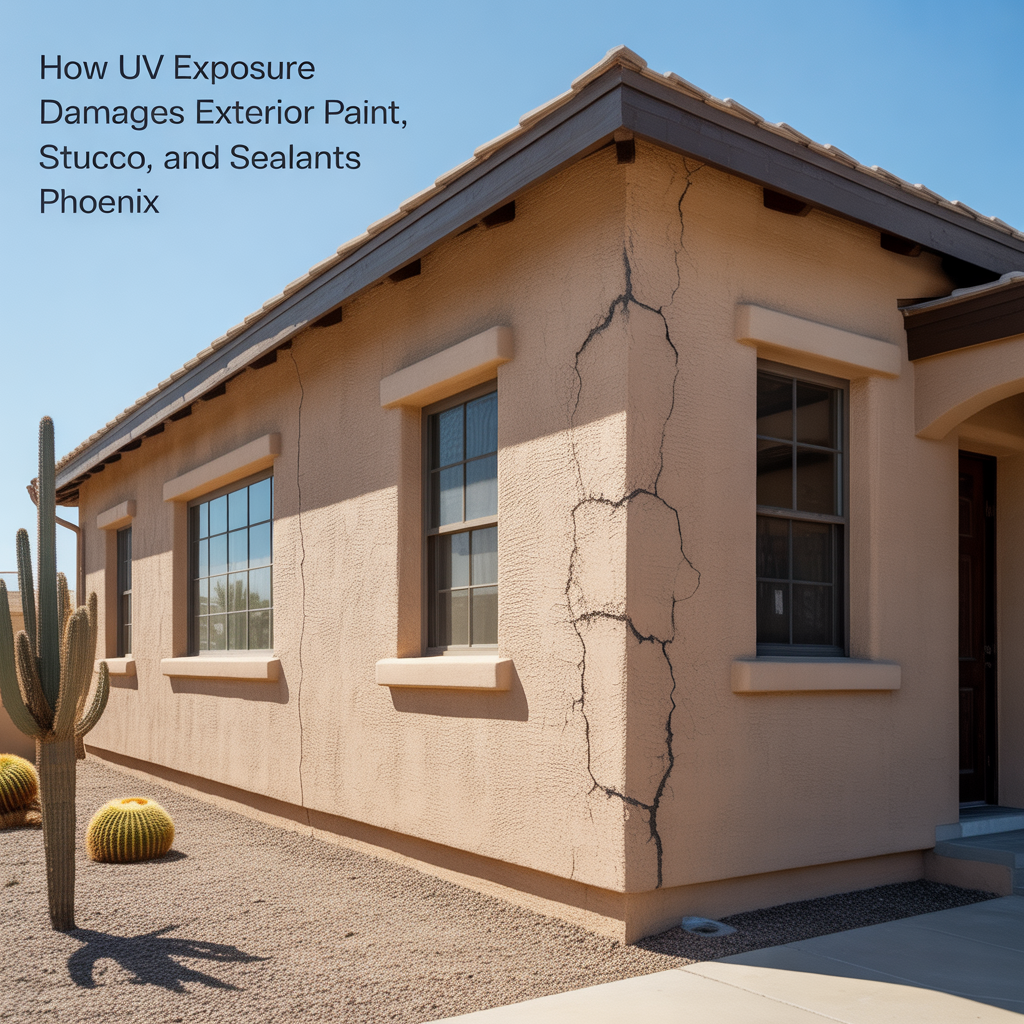
How UV Exposure Damages Exterior Paint, Stucco, and Sealants
-

How Extreme Heat Shortens the Lifespan of Home Systems
-

Why Phoenix Roofs Wear Out Faster Than Many Other Cities
-
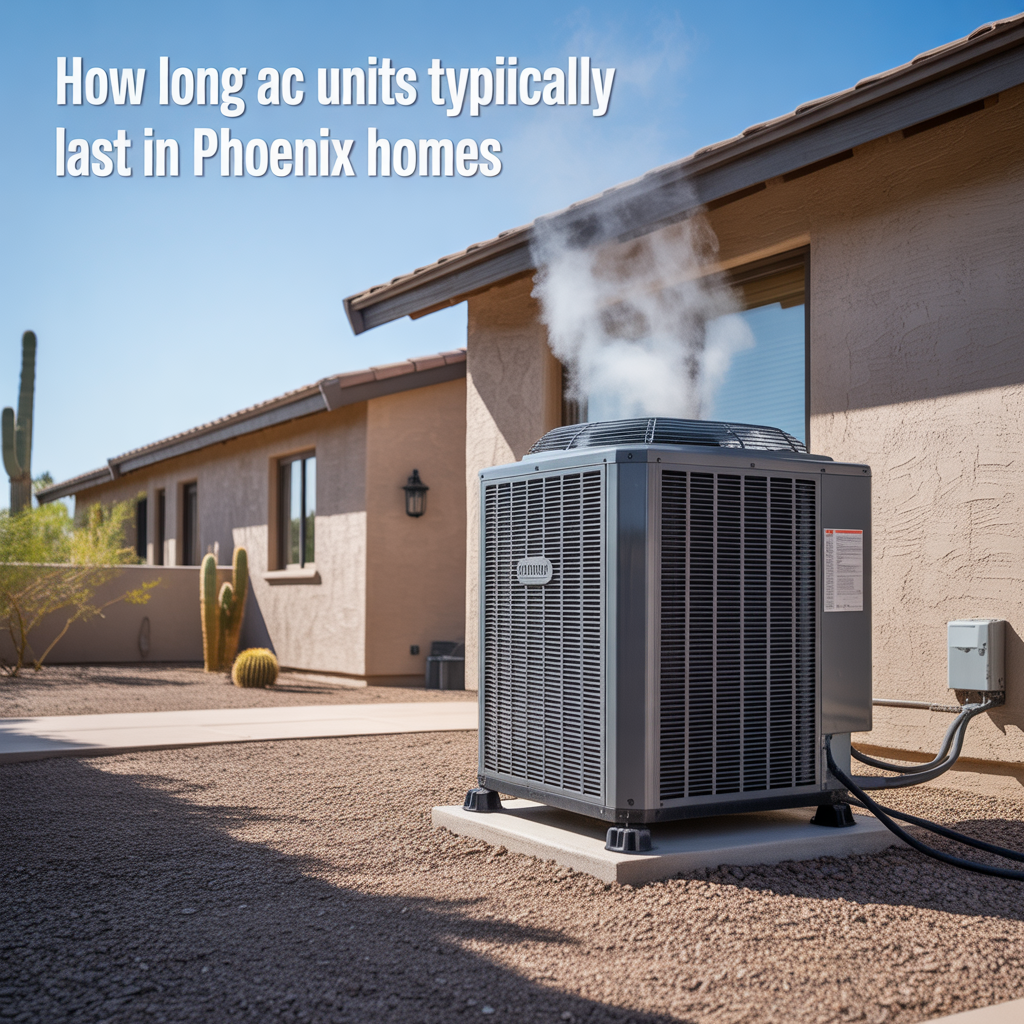
How Long AC Units Typically Last in Phoenix Homes
-

Building a Long-Term Protection Strategy
-
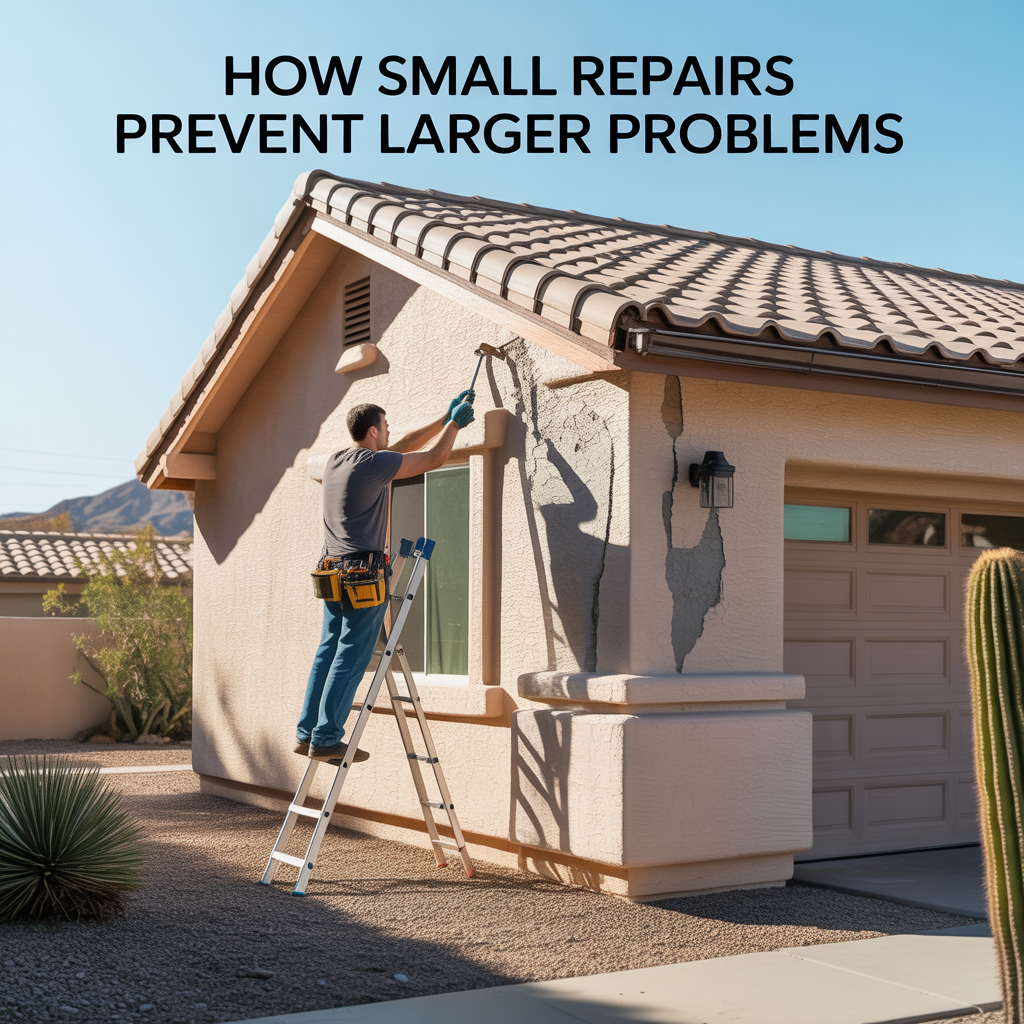
How Small Repairs Prevent Larger Problems
-

Protecting Older Phoenix Homes
-

Warning Signs of Hidden Home Risks
-

Preventative Maintenance That Reduces Insurance Claims
-

Reducing Liability Exposure Around Your Property
-

Liability Coverage Limits Explained
-

When Umbrella Insurance Makes Sense
-

Protecting Yourself From Guest Injury Claims