



Transactional Fears→ [Transactional Fears] & For more info on other fears Phoenix Real Estate → [Phoenix Real Estate Fears Guide]
Written by: Renee Burke
You’re in the final stretch of selling your Phoenix home, and suddenly it’s all about the details—transferring SRP electric, chasing down that AC repair receipt, or making sure the pool service invoice matches what you promised. I’ve walked alongside so many Valley sellers through these moments, from Mesa families coordinating water transfers with Queen Creek Irrigation District to Ahwatukee folks proving that recent stucco touch-up. These pieces feel small, but they’re the threads that hold your escrow together, preventing surprises for buyers and peace for you.
In our Arizona market, where AAR contracts spell out responsibilities clearly, a solid paper trail isn’t just smart—it’s your shield. Let’s sort through utilities, repairs, receipts, and how to document it all so everyone walks away feeling secure.
Utilities: Who Pays Until When?
Arizona’s standard purchase contract is crystal clear: sellers keep all utilities on—electricity, gas, water, sewer, trash—until close of escrow (COE). That means your SRP or APS account stays active through recording, powering walkthroughs, testing that Gilbert pool pump, or keeping the AC humming for a final inspection in our summer heat.
Phoenix specifics add nuance. HOAs in places like Power Ranch often bundle water/trash; confirm via estoppel. For rural edges like Queen Creek, separate irrigation meters need individual transfers. Notify providers 7–10 days pre-close: set your final bill to prorate at COE, overlap one day with buyer’s start to avoid gaps. Leave a utility list for them—account numbers, contacts, meter read instructions. It’s courtesy that prevents “Who shut off the fridge?” finger-pointing.
If you’re doing a rent-back, spell it out: you pay all utilities during occupancy. No overlaps, no disputes.
Repairs: From Promise to Proof
Buyers rely on you completing inspection fixes—new water heater in Chandler, patched roof in Tempe—and nothing builds trust like visible proof. Our desert climate makes this critical: a hasty AC recharge holds through July but fails August if skimped.
Handle it thoughtfully:
- Use licensed pros for anything structural, electrical, plumbing—Phoenix permits often required for major work.
- Get written bids, invoices, and warranties upfront.
- No changes post-repair: don’t repaint over cracks or swap fixtures without note.
For the paper trail, compile a repair log: dates, contractor details, before/after photos, receipts. Hand it over at final walk-through. In AAR terms, “same or better condition” means functionality first—cosmetics second. I’ve seen a simple HVAC invoice turn a skeptical buyer into a grateful one.
Receipts: The Simple Currency of Confidence
Buyers want assurance that big-ticket inclusions work: that Sub-Zero fridge in Scottsdale, solar system in Gilbert, or whole-house water softener. Receipts prove recent maintenance—last year’s pool plaster, furnace tune-up—reassuring them against hidden lemons.
Gather these early:
- Appliances: Purchase date, model, service records.
- Systems: HVAC (age critical here), roof (hail-prone Valley), pool equipment.
- Upgrades: Solar permits (APS incentives), tankless water heaters.
- HOA: Recent assessments paid.
Digital folder shared via agent—scans, not piles. For cash sales or iBuyers, it’s non-negotiable; financed buyers’ appraisers love it too. Unpaid contractor bills? They become liens—pay before listing.
The Paper Trail: Your Shared Safety Net
Documentation isn’t bureaucracy; it’s protection. Arizona’s disclosure laws require transparency, and a tidy trail dodges post-close claims under our buyer protections.
Build it systematically:
| Category | Key Docs | Why It Protects |
|---|---|---|
| Utilities | Final bills, transfer confirmations | Proration accuracy, no shut-off surprises |
| Repairs | Invoices, warranties, photos | Proves “same or better” condition |
| Receipts | Appliance/system records | Confirms value, eases buyer doubts |
| Disclosures | Seller’s Property Disclosure, lead paint if pre-1978 | Legal compliance, claim-proofing |
| HOA | Estoppel certificate | Dues, violations cleared |
Email this packet post-walk-through. Title holds minor repair escrow if needed—funds release on proof.
Phoenix pitfalls: Monsoon damage claims need timely receipts; SRP net metering transfers require serial numbers documented.
Timing It Right: The Sequence That Flows
- Listing: Compile maintenance log, disclosures.
- Under Contract: Share utilities list, start repair bids.
- Inspection Resolution: Finalize fixes, gather receipts.
- Pre-Walk: Test utilities, compile packet.
- Closing: Final meter reads, handoff docs.
Overlap utilities briefly—buyer starts, you end. Rent-back? Separate utilities addendum.
A Telling Tempe Transition
Seller forgot to document a $4k water softener install—no receipt, vague warranty. Buyer balked at walk-through, threatening delay. Pulled service record from plumber, photos—resolved in hours. Contrast: No trail? Escrow hold, week of stress. Paperwork pays.
Valley Life in Every Detail
These steps honor the home you’re leaving—its systems tuned, story told. Buyers appreciate the care; it speeds their unpack into patios and pools.
If utilities feel tangled, repairs need receipts, or you want your paper trail polished pre-listing, you don’t have to sort it alone. I’m here in the Phoenix metro, ready to review your disclosures, connect you with trusted pros, and ensure every detail supports a seamless close. Let’s chat—your worry-free handoff is closer than you think.
Get the full Phoenix Market Insights → [Market Insights]


-

Dog Parks, Playgrounds, and Family-Friendly Parks in Tempe
-

Canal Paths and Bike Trails Connecting Tempe Neighborhoods
-

Papago Park Hiking Trails and Tempe Outdoor Access
-

Parks and Green Spaces Across Tempe Neighborhoods
-

Tempe Town Lake Paths, Running Trails, and Daily Recreation
-

Breweries, Coffee Shops, and Lakefront Hangouts Around Tempe Town Lake
-

Parking, Rideshare, and Event Traffic Around Tempe Dining Districts
-

Late-Night Activity and Residential Quiet Zones Near Entertainment Areas
-

How ASU Influences Tempe’s Restaurant and Nightlife Scene
-

Dining Options in South Tempe Neighborhood Corridors
-
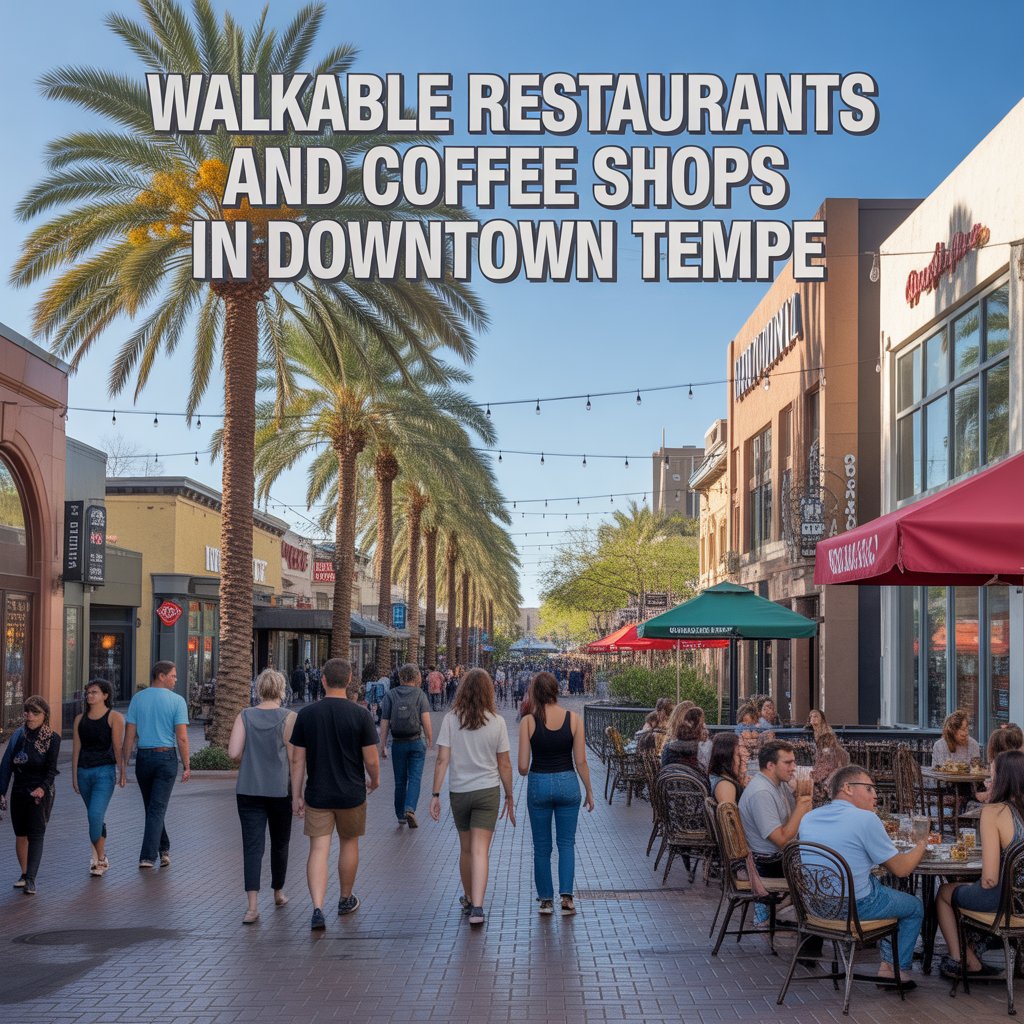
Walkable Restaurants and Coffee Shops in Downtown Tempe
-

Mill Avenue Restaurants, Bars, and Nightlife Near Arizona State University
-

How School Choice, Charter Options, and ASU Influence Education Options
-

Living Near Schools vs Residential Pockets in Tempe Neighborhoods
-

Parent Communities and School Networks in South Tempe Neighborhoods
-

How High School Boundaries Affect Commute Direction
-

Neighborhood-Based School Routines vs Cross-Corridor Runs
-

After-School Sports at Tempe Diablo Stadium and Local Parks
-

School-Day Traffic Patterns Along Rural, McClintock, and Baseline
-

How Often You Leave Tempe for Phoenix, Scottsdale, or Chandler
-

Noise, Game Days, and Event Cycle Patterns
-

Dining and Social Gravity Along Mill, Apache, and Baseline
-

Tempe Town Lake and Greenbelt Access You’ll Actually Use
-

Loop 101, US-60, and Arterial Efficiency by Corridor
-

True Walkability Near Mill Avenue vs Drive-First South Tempe