



Transactional Fears→ [Transactional Fears] & For more info on other fears Phoenix Real Estate → [Phoenix Real Estate Fears Guide]
Written by: Renee Burke
After the inspection report drops in a Phoenix escrow, buyers often feel that mix of excitement and nerves — especially eyeing a home in a neighborhood like Gilbert or North Peoria where every system gets a close look under our relentless sun. I’ve sat with so many of them, flipping through pages together, helping them spot what truly warrants a conversation with the seller and what’s best left alone to keep things moving.
Here in the Valley, smart renegotiation isn’t about squeezing every concession; it’s about focusing on what protects your investment long-term while respecting the seller’s position. Let me walk you through what buyers lean on — and wisely release.
The Big Three Buyers Push On Every Time
Buyers who close smoothly know to prioritize items that hit safety, value, or immediate usability. These are the levers they pull, backed by solid estimates from local pros.
- HVAC and Cooling Systems: In our desert climate, a unit straining at 80°F on a 105-degree day is non-negotiable. Buyers request credits or repairs here, often 1.5x a tune-up quote, knowing summer bills and breakdowns wait for no one.
- Roof and Drainage Issues: Tile wear, foam flat spots, or poor lot grading that pools monsoon water near foundations — these trigger requests every time. Phoenix appraisers flag them hard, so buyers push for fixes to avoid appraisal gaps.
- Plumbing and Sewer Lines: Root intrusions in older Chandler pipes or slow drains get scoped and negotiated. Buyers want credits matching camera inspection costs, protecting against surprise digs post-close.
These aren’t petty; they’re the backbone of Valley living, where heat and seasonal storms test endurance.
What Often Stays on the Table (And Why Buyers Let It Go)
Not every note deserves airtime. Experienced buyers — especially those relocating to Eastmark or Verrado — learn quickly to release the small stuff that bogs down deals.
- Cosmetic Wear: Faded stucco paint, worn pool plaster, or scuffed baseboards. These are affordable post-close tweaks; pushing here risks souring sellers in our fast-moving spring market.
- Minor Electrical Quirks: Outdated outlets or ungrounded fixtures without safety hazards. GFCIs near sinks matter, but cosmetic upgrades? Buyers waive to preserve goodwill.
- Attic or Insulation Notes: Dusty vents or thin coverage in a Mesa attic often read “maintenance,” not “defect.” With our dry air, buyers skip unless mold evidence shows.
Letting these go signals maturity. Sellers appreciate it, often sweetening terms elsewhere.
Here’s a clear breakdown from hundreds of local escrows I’ve guided:
| Category | What Buyers Push | What They Let Go | Phoenix Why |
|---|---|---|---|
| High Impact | AC sub-cooling failure, roof leaks | None | Summer survival; appraisal must-haves |
| Medium Impact | Sewer scope roots, foundation cracks >1/8″ | Minor settling cracks | Soil shifts common; roots invade fast |
| Low Impact | None | Peeling paint, dirty filters | DIY cheap; keeps escrow tight |
| Uncertain | Water intrusion signs | Dry rot speculation | Needs specialist bid; avoid overreach |
Timing and Tactics That Win Concessions
Buyers succeed by being precise within Arizona’s 10-day inspection period. They submit a clean BINSR (Buyer’s Inspection Notice and Seller’s Response) with 2-3 prioritized items, backed by bids from trusted Valley contractors — no laundry lists.
Common plays:
- Pair with Closing Costs: “$4,000 credit for HVAC per estimate, plus $2,000 toward escrow fees.” Sellers bite in stabilizing 2026 markets.
- Trade Flexibility: Waive a low item for a stronger credit on HVAC.
- Escalation Leverage: In competitive spots like Arcadia Lite, buyers concede cosmetics to lock the deal over flashier offers.
Out-of-state buyers often overpush “desert issues” like efflorescence; locals educate gently, focusing on evidence.
The Emotional Side Sellers Need to Know
From the seller’s view — and I’ve been there with clients in Ahwatukee empty-nesters — buyers aren’t attacking your home. They’re envisioning barbecues by the pool, hikes in the McDowells. Pushing on real risks shows they’re serious; letting go builds bridge.
I remind sellers: Buyers who nitpick everything rarely close. Those who triage wisely? They’re your best bet for a smooth handoff.
Market Shifts Shaping Today’s Plays
Phoenix’s 2026 rhythm favors balanced asks. Inventory up slightly, but East Valley family homes still snap quick. Buyers push systems knowing sellers want out before summer staging woes. HOA communities like Power Ranch? Extra scrutiny on shared irrigation, but cosmetics slide.
Appraisal realities rule: Unresolved big-ticket items tank values. Buyers know this; sellers, lean in.
Walk Forward Stronger
Seeing what sticks and what slides empowers everyone. Buyers gain a home ready for saguaro sunrises; sellers, a clean exit without resentment.
You’ve got this — with the right focus, every negotiation lands right.
If you’re thinking about making a move in Phoenix, you don’t have to figure it out alone. I’m always here to help you spot what matters in an offer or inspection. Reach out anytime; we’ll move through it, thoughtfully and confidently, together.
Get the full Phoenix Market Insights → [Market Insights]


-

Designing Outdoor Living Spaces for Phoenix’s Unique Climate
-

How Pools and Shade Structures Change Backyard Living in Phoenix
-

Why Covered Patios Are One of the Most Valuable Features of Phoenix Homes
-

How Phoenix Homeowners Transform Their Outdoor Living Spaces Over Time
-

Ways Phoenix Homeowners Improve Indoor Comfort Over Time
-

How Long Cooling Seasons Influence Phoenix Home Design
-

How Phoenix Summer Heat Changes Daily Life Inside the Home
-

How Long-Term Homeowners Adjust Layouts to Fit Changing Needs
-

Converting Spare Bedrooms Into Home Offices in Phoenix Homes
-

How Life Stage Changes Affect the Way Phoenix Homes Are Used
-

When Homeowners Start Rethinking Space Inside Their Phoenix Home
-

How Phoenix Homes Adapt to Growing Families Over Time
-

How Local Parks, Restaurants, and Shops Shape Life in Phoenix Neighborhoods
-

Why Long-Term Residents Experience Neighborhoods Differently Than New Buyers
-

How Phoenix Communities Shape Everyday Life for Local Residents
-

Why Neighborhood Familiarity Improves Long-Term Home Satisfaction
-

How Living in a Phoenix Neighborhood Changes After Several Years
-

Why Desert Climate Living Changes Homeownership Expectations
-
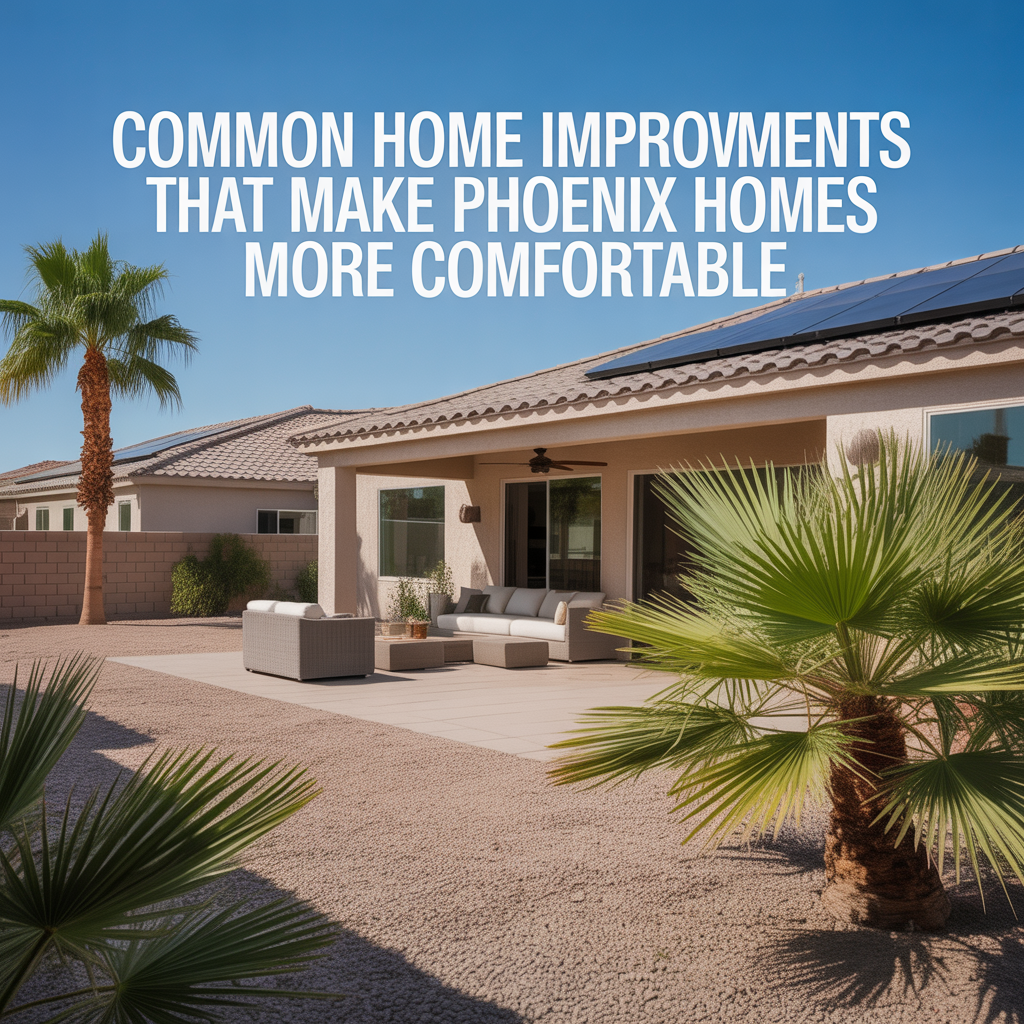
Common Home Improvements That Make Phoenix Homes More Comfortable
-

How Extreme Summer Heat Changes the Way Phoenix Homes Are Used
-

Why Shade Structures and Covered Patios Matter for Phoenix Homes
-

Cost of Living in Phoenix: Housing, Utilities, and Everyday Expenses
-

The Best Neighborhoods in Phoenix for Lifestyle, Schools, and Value
-

Homes for Sale in Phoenix Under $650K: Where Buyers Are Still Finding Deals
-

Phoenix Housing Market Forecast: Will Home Prices Rise or Fall?