



Transactional Fears→ [Transactional Fears] & For more info on other fears Phoenix Real Estate → [Phoenix Real Estate Fears Guide]
Written by: Renee Burke
When your Phoenix home finally goes “under contract,” it’s a thrilling moment. The negotiation is done, the signatures are in, and everyone breathes a sigh of relief — for about five minutes. Then the next question hits: what happens now?
If you’re new to the process, you might assume the hardest part is behind you. In some ways it is, but this next stretch — the escrow period — is where the real details unfold. It’s the time between acceptance and closing, and in Phoenix, it’s usually around 30 days. Every day counts, and every step builds toward that moment when keys finally exchange hands.
Having walked many buyers and sellers through this process across the Valley — from Arcadia to Gilbert and up through North Peoria — I’ve seen how understanding what happens after going under contract can make the entire experience calmer, smoother, and more confident.
So let’s take a deep breath together and walk through what comes next.
What “Under Contract” Really Means in Arizona
When a home goes under contract in Phoenix, it means the buyer and seller have agreed to the terms of the Arizona Residential Resale Real Estate Purchase Contract. Escrow is officially opened — meaning a neutral third party (the title company) holds funds, documents, and coordinates all the moving pieces until closing.
The buyer deposits their earnest money, usually 1–3% of the purchase price, into escrow. This shows serious intent and starts the official timeline. From this moment forward, the clock starts ticking. Each major milestone — inspections, appraisals, loan approval — runs on a timeline that’s clearly spelled out in our Arizona contract.
Week 1: Escrow Opens and Inspections Begin
The first few days after the contract is signed can feel like a sprint. The title company opens escrow and issues a receipt. Buyers deliver their earnest money. You’ll also get an initial escrow packet, which outlines key deadlines and provides contact info for your escrow officer — a name you’ll get to know well over the next few weeks.
For buyers, the inspection period kicks off almost immediately. In Arizona, it’s typically 10 calendar days, though it can be shorter or longer depending on the contract. This is one of the most important windows in the process.
A licensed home inspector walks through the property and produces a detailed report. Sometimes, additional specialists are called in — roofers, HVAC pros, pool inspectors, or termite companies, which are common here in the Valley. (Our desert climate and older stucco homes can hide issues that only a termite or sewer scope inspection will catch.)
Once the report is in, the buyer can:
- Accept the home as is.
- Request specific repairs or credits.
- Cancel the contract and regain their earnest money (if within the inspection window).
It’s a critical time for clear communication. For sellers, it helps to stay patient and open-minded — inspections aren’t about nitpicking; they’re about ensuring transparency. For buyers, remember that no home, not even a new build in Eastmark or Vistancia, is truly perfect. The goal is to move forward informed and protected.
Week 2: Negotiating Repairs and Appraisal Ordered
Once inspection responses are exchanged and agreed upon, focus shifts to the appraisal if the buyer is financing the purchase. The lender will order it, and it typically takes about a week.
An appraisal confirms that the agreed-upon price aligns with current market values. In Phoenix’s fast-moving market, where prices can shift neighborhood by neighborhood — think of the difference between Biltmore and Laveen — this step protects both buyer and lender.
If the home appraises at or above purchase price, great; the deal moves forward. If it comes in low, negotiations reopen: the buyer might bring additional funds, or the seller may lower the price to meet it. This can cause stress, but it’s also where an experienced local agent makes all the difference — one who knows how to present comparables that support your price and understands what’s typical in your specific ZIP code.
Week 3: Loan Underwriting and Title Work
Around the third week, everything starts quietly working behind the scenes. The lender’s underwriting team reviews documents, verifies employment, and ensures the file meets all conditions for “clear to close.” This phase can feel like a waiting game.
At the same time, the title company performs a detailed title search. They confirm there are no liens, easements, or surprises attached to the property that could delay closing. In Arizona, our title companies also handle the settlement process — they coordinate signatures, disburse funds, and record the deed when closing day arrives.
For sellers who still have a loan, the title officer will also order a payoff statement from the lender so everything balances precisely on closing day.
Week 4: The Final Stretch Before Closing
As closing nears, momentum builds again. The buyer locks in their final loan documents, and the closing package is prepared. You’ll receive a closing disclosure outlining every cost — down payment, credits, title fees, taxes, and what’s due at signing.
In Arizona, most closings don’t involve everyone gathering in one office. Instead, the buyer and seller usually sign separately with the title company, often days before the official recording date. Out-of-state signing or remote notary options are common, particularly for snowbirds or relocating buyers.
Buyers will do a final walkthrough, usually within 72 hours of closing, to confirm the property’s condition and that any agreed repairs are complete. Once everyone signs and funds are transferred, the title company records the deed with Maricopa County. That’s the true moment of closing — and when keys legally change hands.
In Phoenix, this recording often happens the same day funds are released, which means you might close faster than friends in other states. It’s one of the small efficiencies of our title-based closing system.
Phoenix Escrow FAQs (Because Everyone Asks)
Does “under contract” mean the sale is guaranteed?
Not yet. It means the seller has accepted the buyer’s offer, but contingencies — inspections, appraisal, financing — still need to be satisfied. When those hurdles are cleared, we say the deal is “pending.”
How long is the typical escrow in Phoenix?
For financed offers, about 30 days is standard. Cash deals can close in as little as 10–14 days. Every contract sets its own timeline.
What happens if something goes wrong?
If issues arise during inspection, appraisal, or financing, the contract provides paths for resolution — negotiation, extension, or in some cases, cancellation. Your real estate agent and title officer guide you through those decisions carefully.
Who holds the earnest money?
Always the title company — never the agent or broker. This keeps the process fully neutral and protected.
Behind the Scenes: The Phoenix Factor
Phoenix’s escrow timeline may mirror other states on paper, but our desert rhythm adds its own touches. The way homes settle, how HVAC systems age, the soil conditions in the East Valley — all these influence inspections and repairs. The timing of our summer heat and winter visitor season can also affect contractor availability and scheduling.
Even our title companies have a trademark efficiency. Many are locally managed, and they understand the nuances between, say, Maricopa and Pinal County recording processes. That local familiarity keeps deals here humming when out-of-state transaction models might stumble.
And if you’re buying or selling during peak spring season — when listings are hot in Arcadia, Ahwatukee, and North Scottsdale — every day on that 30-day calendar matters. A seasoned Phoenix agent will help anticipate bottlenecks before they become roadblocks.
Staying Grounded Through It All
The escrow period can feel like a whirlwind of signatures, deadlines, and updates. But it’s also the time when your new chapter quietly takes shape.
If you’re a buyer, this is the bridge between having a dream and truly owning a home. If you’re a seller, it’s the conclusion of a story you’ve been living — and the start of something new. While there are tasks and timelines, it’s also deeply human: planning moves, imagining next steps, feeling both excitement and fatigue in equal measure.
I often tell clients: stay curious, stay communicative, and don’t panic over small delays. Most escrow hiccups resolve with calm coordination and experience. That’s the heart of what I do — keep things steady so you never feel swept away by the process.
A Warm Closing Thought
Buying or selling a home in Phoenix isn’t just a transaction — it’s a transition. Every neighborhood, from Central Phoenix’s historic bungalows to the new builds in Queen Creek and Desert Ridge, has its own pace and rhythm. Understanding the escrow timeline means you get to move through it with confidence, not confusion.
If you’re thinking about making a move in Phoenix, you don’t have to figure it out alone. I’m here to guide you through each step — thoughtfully, clearly, and with your goals at heart. Whether you’re under contract or just thinking about it, you deserve to feel informed and supported from start to finish.
Get the full Phoenix Market Insights → [Market Insights]


-

Signs Your Phoenix Roof Needs Inspection or Repair
-
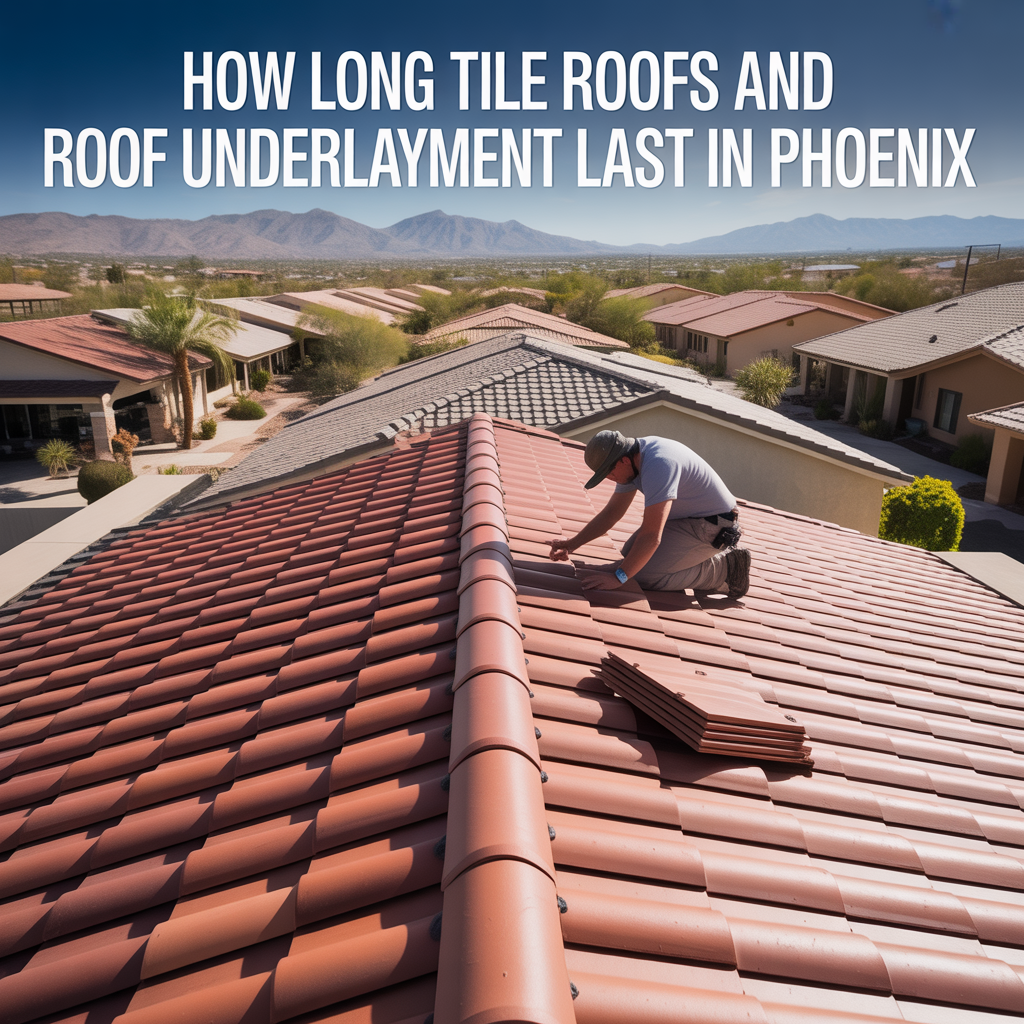
How Long Tile Roofs and Roof Underlayment Last in Phoenix
-

How Smart Thermostats Improve Cooling Efficiency in Arizona Homes
-

Why AC Systems Struggle During Extreme Phoenix Heat Waves
-

How Long Air Conditioning Units Last in Phoenix Homes
-

Warning Signs Your Air Conditioner Is About to Fail
-

How Often Phoenix AC Systems Need Maintenance
-
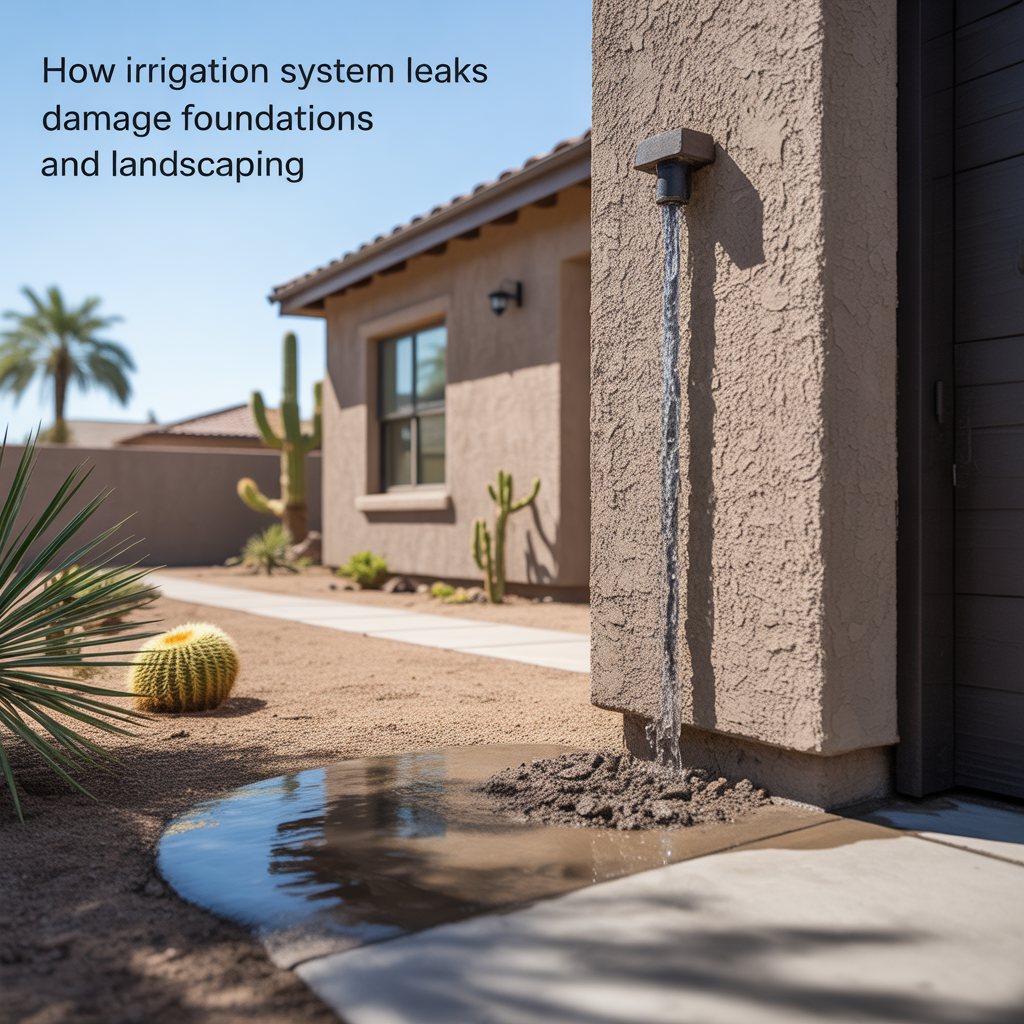
How Irrigation System Leaks Damage Foundations and Landscaping
-

Preventing Roof Damage Before Arizona Monsoon Storms
-

Why AC Tune-Ups Are Critical for Phoenix Homes
-

What Homeowners Should Inspect Before Phoenix Summer Heat Arrives
-

Seasonal Home Maintenance Checklist for Phoenix Homeowners
-
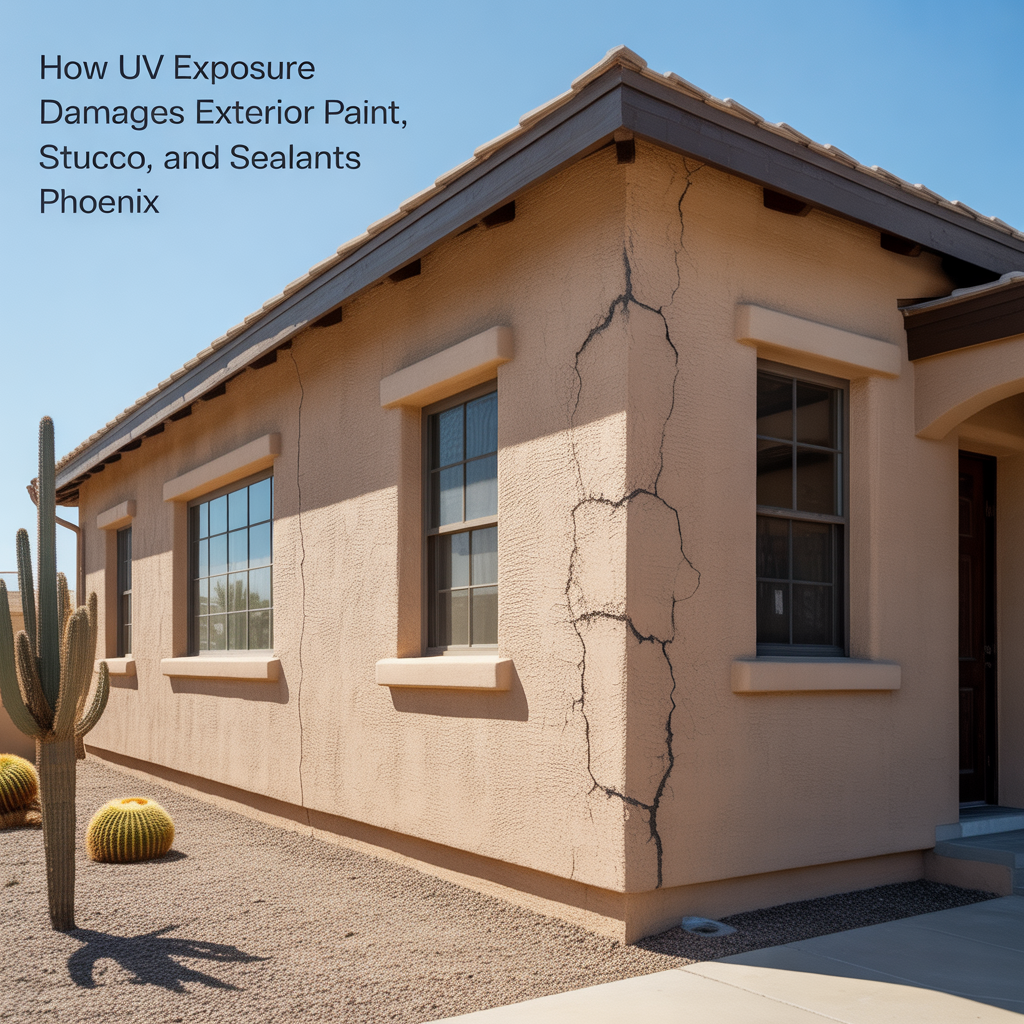
How UV Exposure Damages Exterior Paint, Stucco, and Sealants
-

How Extreme Heat Shortens the Lifespan of Home Systems
-

Why Phoenix Roofs Wear Out Faster Than Many Other Cities
-
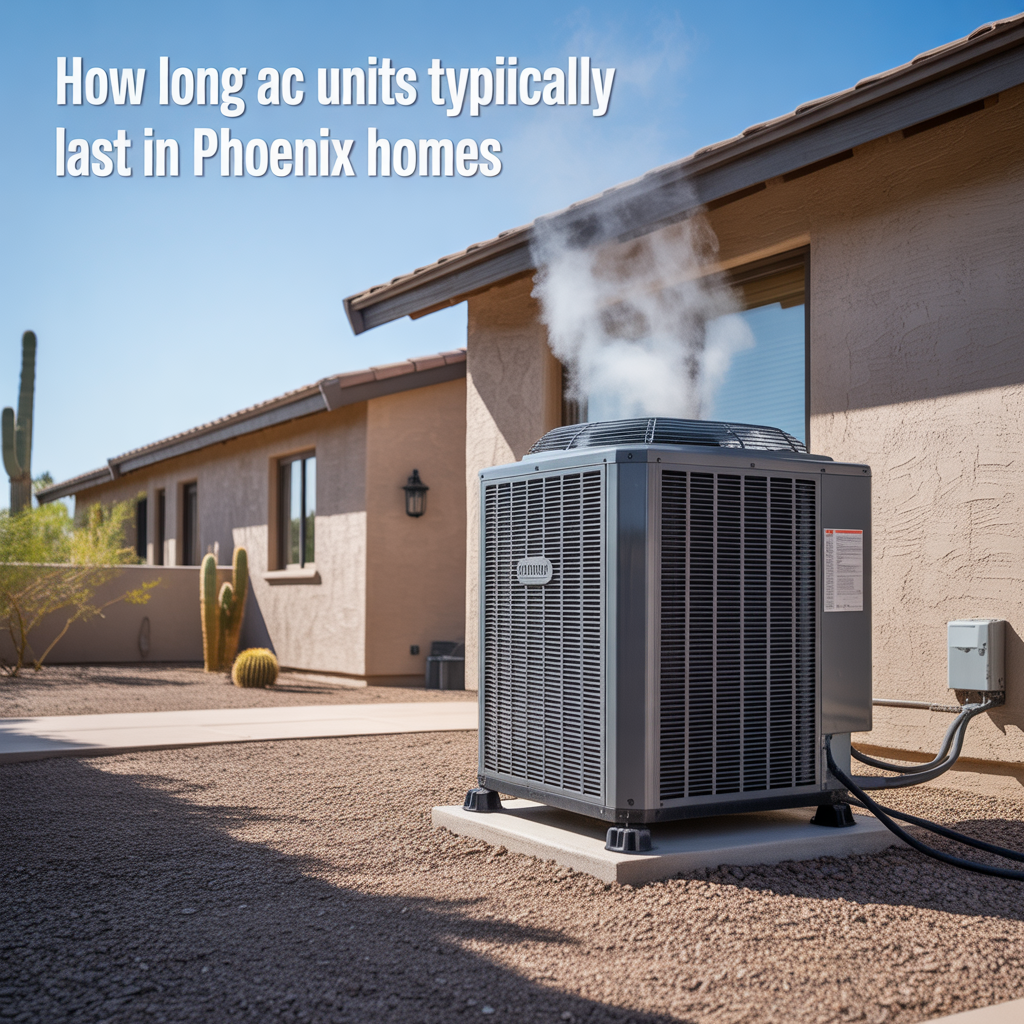
How Long AC Units Typically Last in Phoenix Homes
-

Building a Long-Term Protection Strategy
-
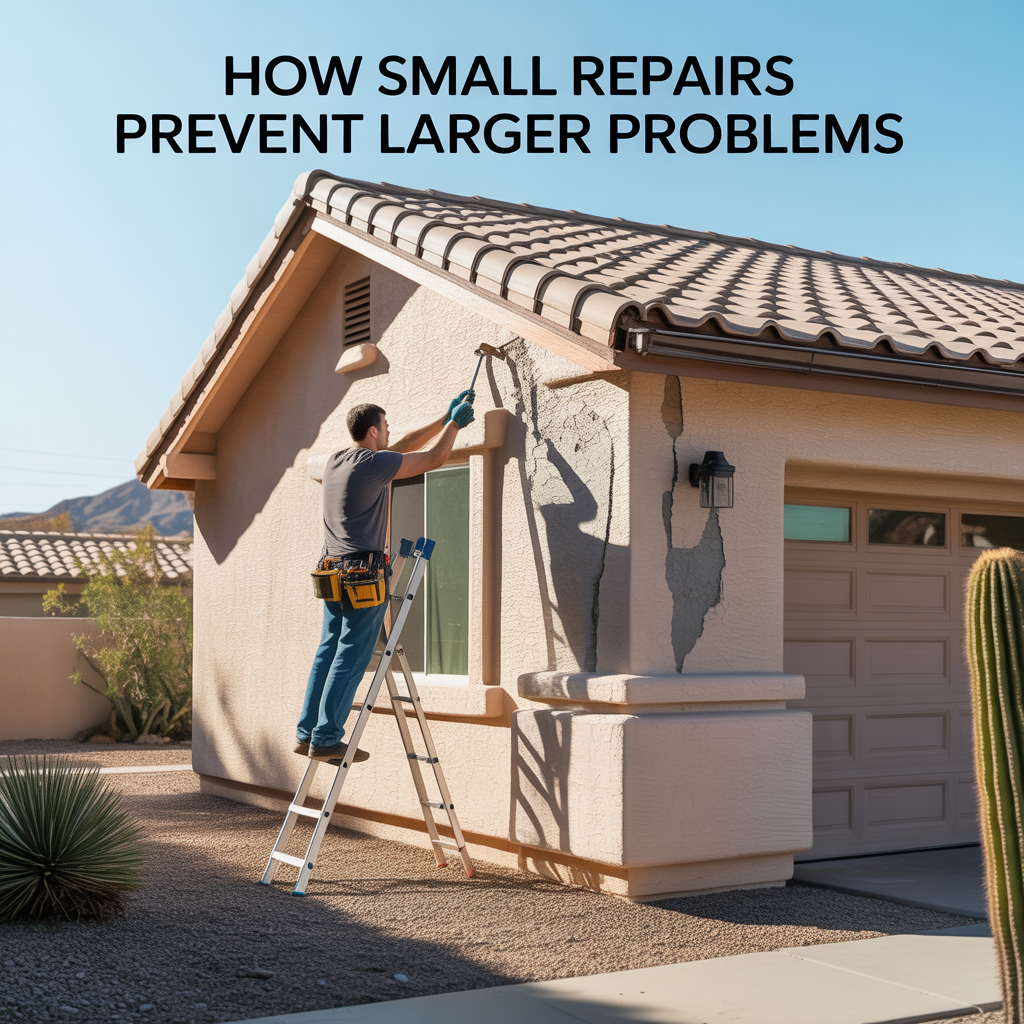
How Small Repairs Prevent Larger Problems
-

Protecting Older Phoenix Homes
-

Warning Signs of Hidden Home Risks
-

Preventative Maintenance That Reduces Insurance Claims
-

Reducing Liability Exposure Around Your Property
-

Liability Coverage Limits Explained
-

When Umbrella Insurance Makes Sense
-

Protecting Yourself From Guest Injury Claims