



Transactional Fears→ [Transactional Fears] & For more info on other fears Phoenix Real Estate → [Phoenix Real Estate Fears Guide]
Written by: Renee Burke
In Phoenix home sales, the general inspection often uncovers clues that call for specialists — like a roof certifier spotting hail damage on Arcadia tiles or a pool pro testing chemical balance in a Chandler backyard oasis. These aren’t random; they’re targeted deep dives triggered by specific red flags in the initial report.
I’ve walked so many buyers and sellers through these moments in our Valley escrows, turning what feels like a complication into clear next steps. Understanding when they pop up — and what they reveal — keeps deals steady without unnecessary alarm.
Triggers That Call for Specialty Experts
Arizona’s standard home inspection standards (ASHI or InterNACHI) limit generalists to visual checks — no climbing steep roofs, no diving into pool motors, no threading sewer cams. When findings hint at deeper issues, “recommend further evaluation by specialist” appears, prompting these.
Common sparks in Phoenix reports:
- Visual wear or history flags from the Seller’s Property Disclosure (SPDS).
- Monsoon-season clues like pooling water or musty odors.
- Age-related wear on 15+ year systems, common in our expanding suburbs.
These aren’t deal-killers; they’re due diligence protecting everyone through our intense climate cycles.
Roof Inspections: Hail, Tiles, and Foam Flats
When it triggers: General inspector notes granule loss, cracked clay tiles, soft foam spots, or poor drainage on flats — especially post-storm in North Phoenix or Scottsdale. SPDS insurance claims for hail (frequent every 5-7 years) seal it.
What it means: A certified roof pro (often with drone or ladder access) assesses remaining life — 5 years? 20? They check underlayment, flashing, and scuppers critical for monsoon runoff. Expect certification letters for appraisals, as lenders scrutinize here.
In Gilbert or Mesa, older tile roofs settle uniquely; minor cracks often pass with sealant recs. Cost: $300-600, worth it to avoid post-close leaks soaking stucco.
Pool Inspections: Pumps, Plaster, and Safety Bonding
When it triggers: Visible cracks in plaster, noisy salt cell motors, faded coping, or improper deck drains — everywhere from Peoria family pools to Ahwatukee resorts. General reports flag grounding faults or equipment age over 10 years.
What it means: Licensed pool specialists test pH, pressure, bonding wires (Arizona safety code must), and surface integrity. They quantify re-plaster needs ($5k-10k) or pump swaps ($2k). HOA pools in Eastmark? Extra rules apply.
Phoenix heat accelerates plaster wear; a “surface check” often reveals if it’s cosmetic or structural. This step reassures buyers hosting summer barbecues — and sellers avoiding liability.
Sewer Scope: Roots, Cast Iron, and Line Breaks
When it triggers: Slow drains, gurgling toilets, tree overhangs near laterals, or pre-2000 homes with cast iron (prone to root invasion). General visual plumbing flags it; SPDS water claims confirm.
What it means: A camera snakes the main line (50-100 ft from house to curb), revealing bellied pipes, offsets, or blockages. Clean? “Passed.” Roots? “Minor intrusion, jet clean rec.” Full collapse? Rare but renegotiation territory.
Valley citrus and palo verde trees love clay soil pipes; scopes ($250-400) prevent $10k+ digs. Appraisers love the video proof.
Here’s a quick Valley guide:
Timing and Escrow Impact
These fit Arizona’s 10-day inspection objection period — buyers request extensions (5-7 days common) via BINSR. Sellers often split costs in buyer’s markets like early 2026.
Phoenix flow: Day 5 general report → Day 7-10 specialties → Day 12 negotiate. Delays rarely kill deals; 90% resolve with credits matching specialist bids.
Watch for lender overlays — VA/FHA demand scopes on older roofs/pools.
Negotiation Realities Once Results Land
Clean reports? Momentum surges. Minor issues (e.g., root jetting)? $1k credit. Big flags (line offset)? Bigger asks or as-is sales.
Sellers in Verrado or Power Ranch prep by scoping pre-listing. Buyers from wetter states overreact to “dry cracks” — locals know it’s soil, not doom.
Pair with SPDS claims history; patterns emerge.
Why This Step Builds Confidence
Specialties turn unknowns into knowns — you buy a home ready for foothill sunsets, not surprises. I’ve seen Mesa families dodge $20k sewer digs this way.
It’s not extra work; it’s wise care for your Valley life.
If you’re thinking about making a move in Phoenix, you don’t have to figure it out alone. I’m always here to guide you through inspections, specialties, or any escrow step. Reach out anytime; we’ll move through it, thoughtfully and confidently, together.
Get the full Phoenix Market Insights → [Market Insights]


-

Designing Outdoor Living Spaces for Phoenix’s Unique Climate
-

How Pools and Shade Structures Change Backyard Living in Phoenix
-

Why Covered Patios Are One of the Most Valuable Features of Phoenix Homes
-

How Phoenix Homeowners Transform Their Outdoor Living Spaces Over Time
-

Ways Phoenix Homeowners Improve Indoor Comfort Over Time
-

How Long Cooling Seasons Influence Phoenix Home Design
-

How Phoenix Summer Heat Changes Daily Life Inside the Home
-

How Long-Term Homeowners Adjust Layouts to Fit Changing Needs
-

Converting Spare Bedrooms Into Home Offices in Phoenix Homes
-

How Life Stage Changes Affect the Way Phoenix Homes Are Used
-

When Homeowners Start Rethinking Space Inside Their Phoenix Home
-
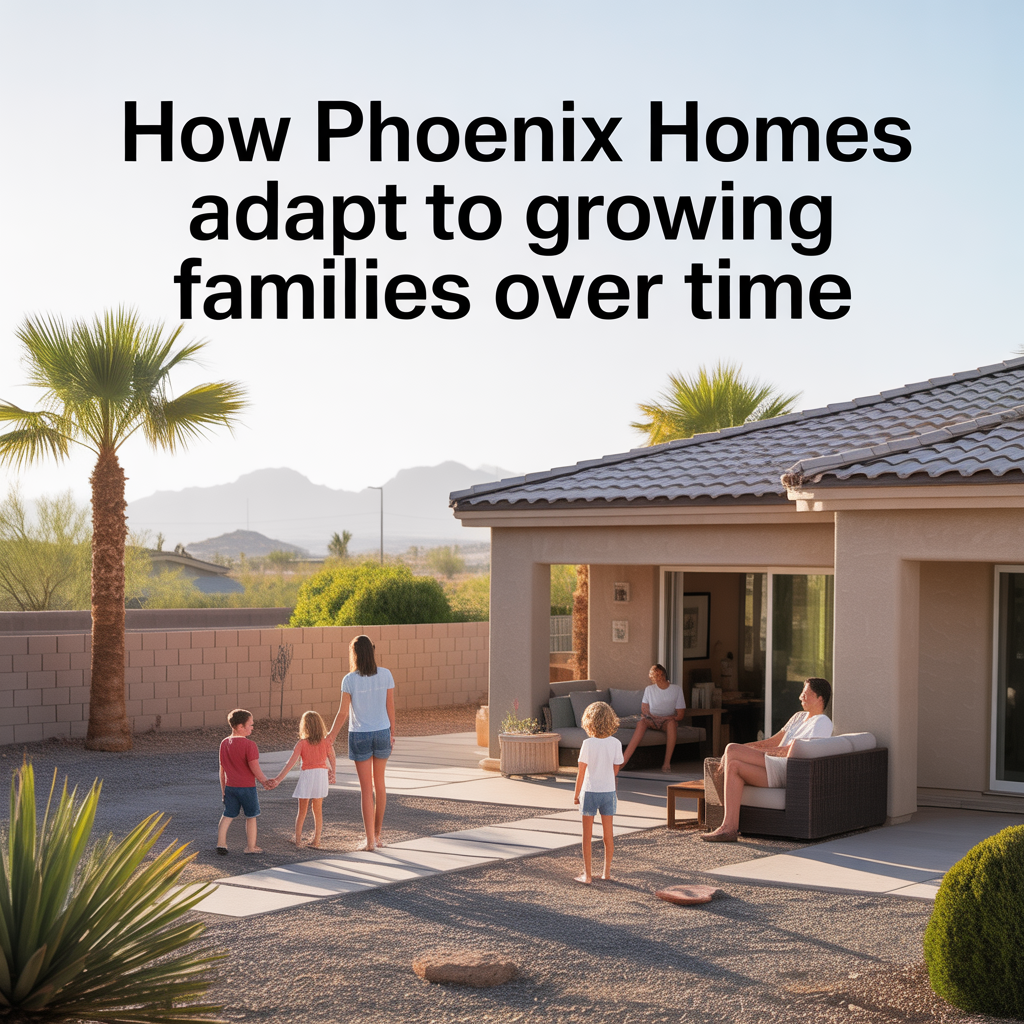
How Phoenix Homes Adapt to Growing Families Over Time
-

How Local Parks, Restaurants, and Shops Shape Life in Phoenix Neighborhoods
-

Why Long-Term Residents Experience Neighborhoods Differently Than New Buyers
-

How Phoenix Communities Shape Everyday Life for Local Residents
-
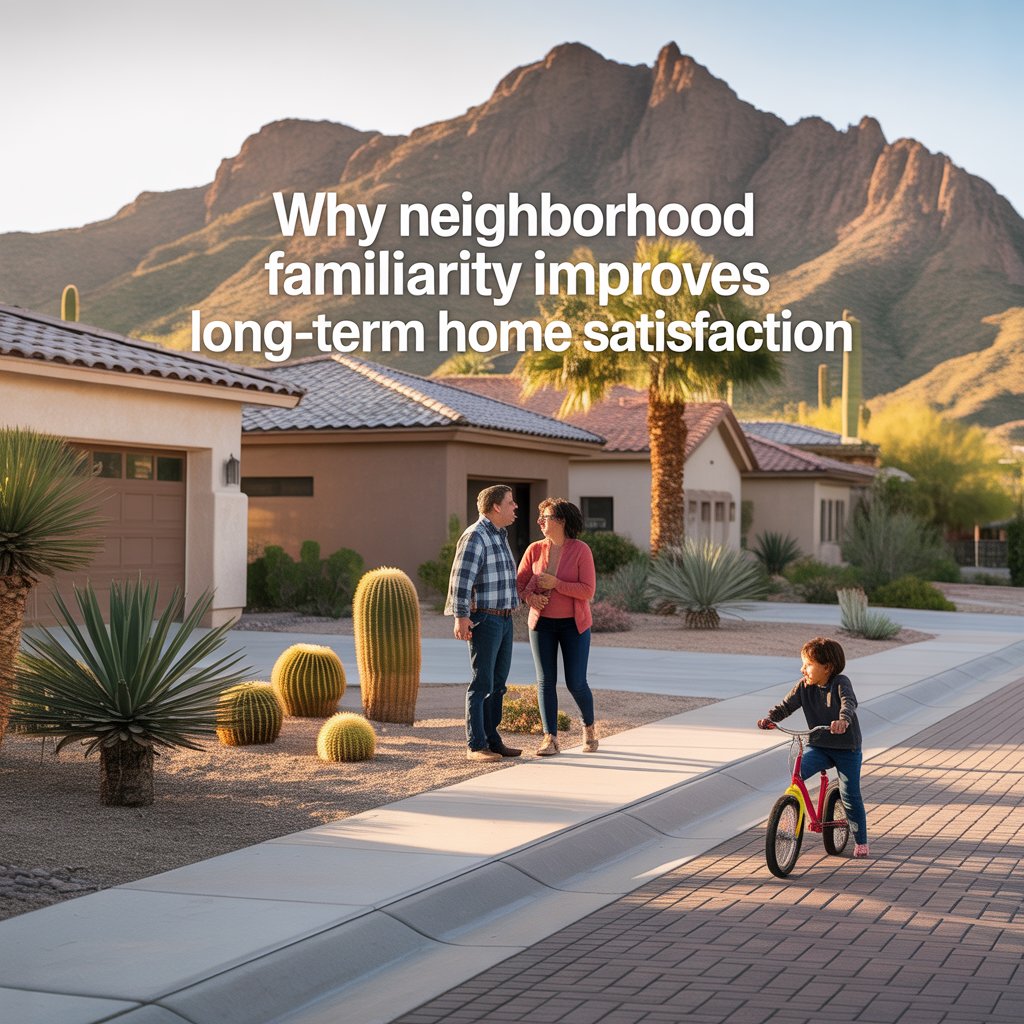
Why Neighborhood Familiarity Improves Long-Term Home Satisfaction
-
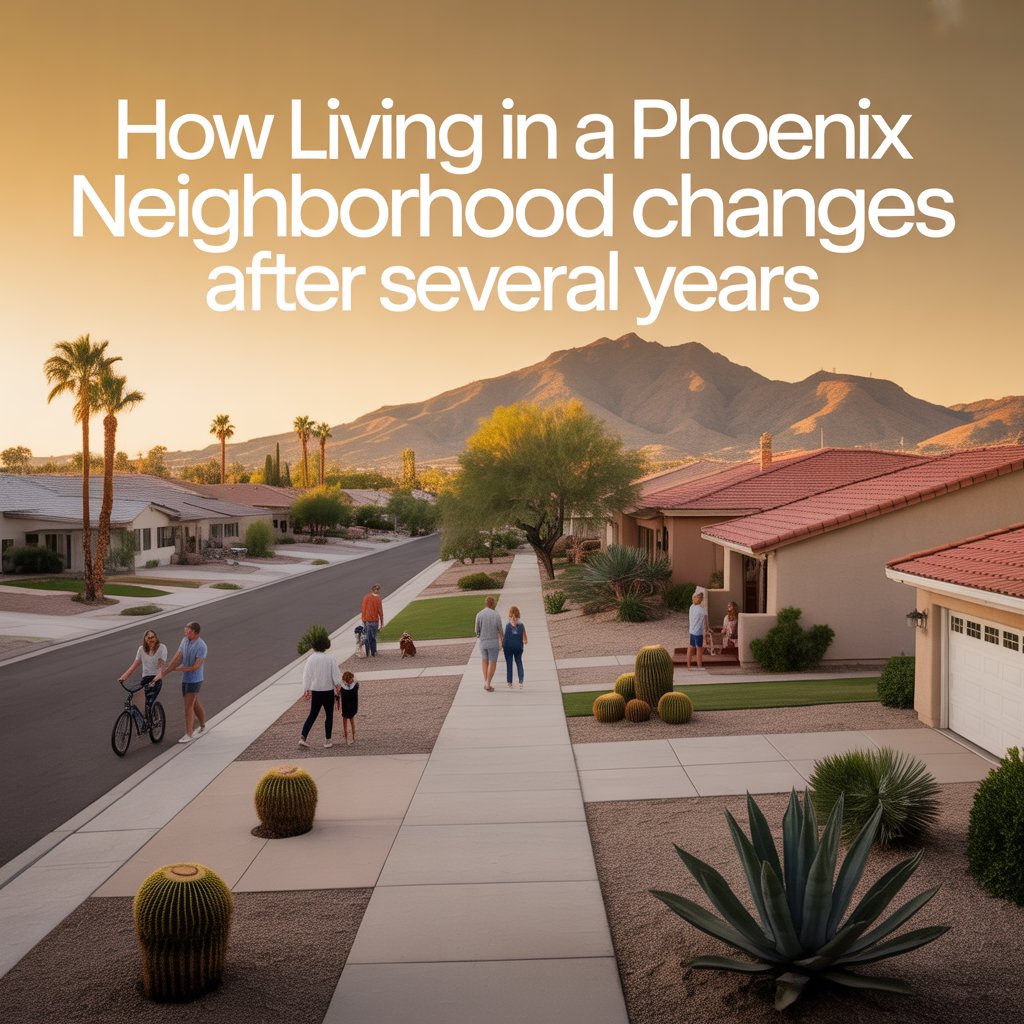
How Living in a Phoenix Neighborhood Changes After Several Years
-

Why Desert Climate Living Changes Homeownership Expectations
-
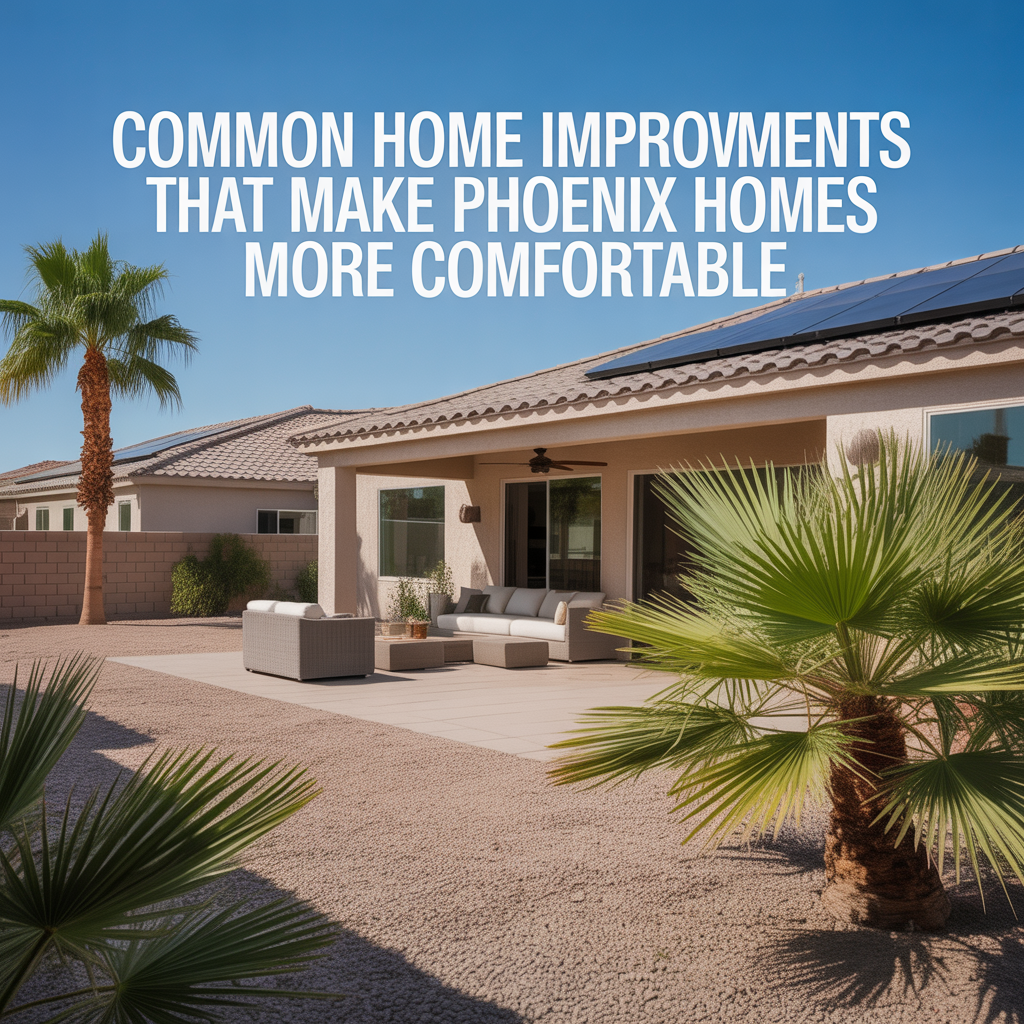
Common Home Improvements That Make Phoenix Homes More Comfortable
-

How Extreme Summer Heat Changes the Way Phoenix Homes Are Used
-
Why Shade Structures and Covered Patios Matter for Phoenix Homes
-

Cost of Living in Phoenix: Housing, Utilities, and Everyday Expenses
-

The Best Neighborhoods in Phoenix for Lifestyle, Schools, and Value
-

Homes for Sale in Phoenix Under $650K: Where Buyers Are Still Finding Deals
-

Phoenix Housing Market Forecast: Will Home Prices Rise or Fall?