



This guide is part of our Current Real Estate Market Insights → [Current Real Estate Market Insights]
Written by: Renee Burke
I know this question weighs heavily on everyone navigating the Phoenix market these days. Whether you’re a seller wondering if now’s the time to list or a buyer hoping for a bit more breathing room, understanding who’s holding the edge right now — and where — can bring real peace of mind.
In the Phoenix metro, control isn’t a simple yes or no. It’s a mosaic of neighborhoods, each telling its own story through inventory levels, days on market, and buyer activity. Let’s walk through it together, area by area, so you can see exactly where things stand in early 2026.
The Valley’s Overall Balance
Across the broader Phoenix metro, we’re in a balanced market — neither fully tilted toward buyers nor sellers. Median days on market hover in the mid-30s, with inventory creeping up just enough to give thoughtful buyers some options without overwhelming sellers.
This equilibrium feels steady, especially after the intensity of recent years. Families aren’t rushing; they’re choosing with care, factoring in commutes to the Intel campus or TSMC expansions, school calendars in the Chandler Unified District, and those backyard patios perfect for our mild winters. It’s a healthy shift, one that rewards patience on both sides.
Where Sellers Still Hold Strong
Certain pockets remain firmly in seller territory, where demand outpaces supply and homes move predictably fast. Think North Scottsdale’s guarded communities like DC Ranch or Silverleaf — low inventory and high lifestyle appeal keep DOM under 25 days here. Buyers compete quietly for golf course views and resort-style amenities, often waiving minor inspections to secure their spot.
Arcadia and Paradise Valley follow suit. These established enclaves draw families who value mature citrus trees, proximity to AJ’s grocer, and that effortless blend of urban energy and green space. Sellers in these areas price with confidence, knowing multiple offers are still common when staging highlights the lifestyle — open kitchens flowing to sparkling pools.
Even in Gilbert’s Agritopia or the Farms, seller advantage persists. Young families prioritize the community events at Freestone Park and top-rated schools, snapping up single-story ranches before they linger. Here, control favors those who list in late winter, aligning with our active buying windows.
Where Buyers Are Gaining Ground
On the flip side, outer-ring growth areas like Queen Creek and Buckeye lean buyer-friendly. Inventory has built here as new construction phases slow slightly, pushing median DOM toward 45-50 days. Buyers can negotiate repairs or closing costs, especially on larger lots where the novelty of build quality varies.
In Mesa’s east side or parts of Apache Junction, similar dynamics play out. Commuters to Phoenix proper weigh longer drives against affordability, giving them leverage on homes needing updates. It’s not a fire sale — these aren’t distressed properties — but the extra time on market lets discerning buyers request concessions without fear of losing out.
Even central Tempe sees buyer edges in condo-heavy zones near Mill Avenue. With remote work solidifying, some opt out of HOA living, extending DOM for upper-floor units without rooftop appeal. Buyers here negotiate parking or assessment caps, feeling the shift toward their favor.
Central Core: A Delicate Tug-of-War
Downtown Phoenix and Roosevelt Row straddle the line. Seller momentum lingers from urban revival energy — lofts with skyline views and walkability to First Fridays still draw quick interest. But rising HOA fees and parking realities give buyers pause, nudging DOM into the low 40s.
Roosevelt neighbors like Coronado see similar poise. Creative buyers love the murals and coffee scene, but they push back on outdated systems, creating negotiation room. Control here flips with each listing: lifestyle magnets tilt seller, practicality buyer.
Reading the Seasonal Influences
Our desert calendar always colors control. Right now, in mid-February, we’re entering prime time — wildflowers blooming along South Mountain trails, spring training underway at Tempe Diablo Stadium, and snowbirds extending stays. Seller edges sharpen in lifestyle hotspots like Ahwatukee’s hiking havens or Chandler’s lake communities.
But come late spring, as temperatures climb, buyer leverage grows Valley-wide. Families wrap school years, delaying moves until summer break ends. Sellers who list now can capitalize; those waiting may find more even footing.
Lifestyle ties in everywhere — think pool readiness in Glendale or shade trees in Peoria. Buyers control when they align searches with these rhythms, sellers when they stage for them.
Inventory’s Quiet Role
Inventory tells the real control story. At about 3.5 months’ supply metro-wide, we’re balanced — enough for choice without excess. But drill down: under 2 months in Scottsdale screams seller; over 5 in Goodyear whispers buyer.
This isn’t abstract. In Laveen, new builds flood listings, empowering buyers to compare warranties and lot premiums. Contrast that with Fountain Hills’ lakefront rarities, where scarcity keeps sellers steering.
Watch new listings, too. Steady influx tempers seller power, while absorption rates — how fast showings turn to contracts — reveal true demand beneath headlines.
Price Adjustments and Psychology
Control shifts fastest with pricing. Overpriced homes anywhere add weeks to DOM, handing leverage to buyers. In Phoenix, data-savvy shoppers cross-check comps on Zillow or the MLS app, walking from anything 5% off mark.
Sellers regain footing with smart reductions — 2-3% often reignites showings. Buyers, sensing this, hold firm on contingencies, especially in softening spots like far East Mesa.
Psychologically, it’s reassuring: neither side dominates, so deals reflect reality. Sellers avoid chase-down desperation; buyers sidestep bidding wars.
Lifestyle Nuances by Corridor
Phoenix’s corridors amplify differences. The 101 freeway belt — Scottsdale to Tempe — favors sellers, fueled by tech jobs and entertainment at Talking Stick Resort. East Valley (Gilbert to Queen Creek) balances, with master-planned perks like San Tan Outlets drawing families both ways.
West Valley (Buckeye to Surprise) tilts buyer, as infrastructure catches population booms. South Mountain areas hover neutral, blending affordability with hiking escapes.
Your daily life dictates control: golf enthusiasts cede little in Troon North; remote workers gain in quieter Avondale.
What This Means for Your Next Step
Right now, Phoenix offers something for everyone — seller strength where scarcity rules, buyer opportunity where patience pays. It’s not chaos; it’s calibration, shaped by our unique blend of sun, space, and opportunity.
No market stays static here. Rates, jobs at the new TSMC fabs, even monsoon forecasts nudge the scales. But one constant: informed moves win.
If you’re weighing a purchase in Ahwatukee or a sale in Arcadia — or anywhere across our Valley — you don’t have to figure it out alone. Reach out anytime; let’s map your path with the clarity only local eyes provide. I’m here as your guide, every step.
Get the full Phoenix Market Insights → [Market Insights]


-

How the Phoenix Desert Climate Shapes Everyday Life Inside the Home
-

How Phoenix Weather Patterns Shape Everyday Home Routines
-

Why Homes Often Feel More Comfortable After the First Year of Ownership
-

How Living in Phoenix Changes the Way Homeowners Use Their Homes
-
What New Phoenix Homeowners Learn During Their First Year of Ownership
-

How Daily Life Changes After the First Year of Living in a Phoenix Home
-
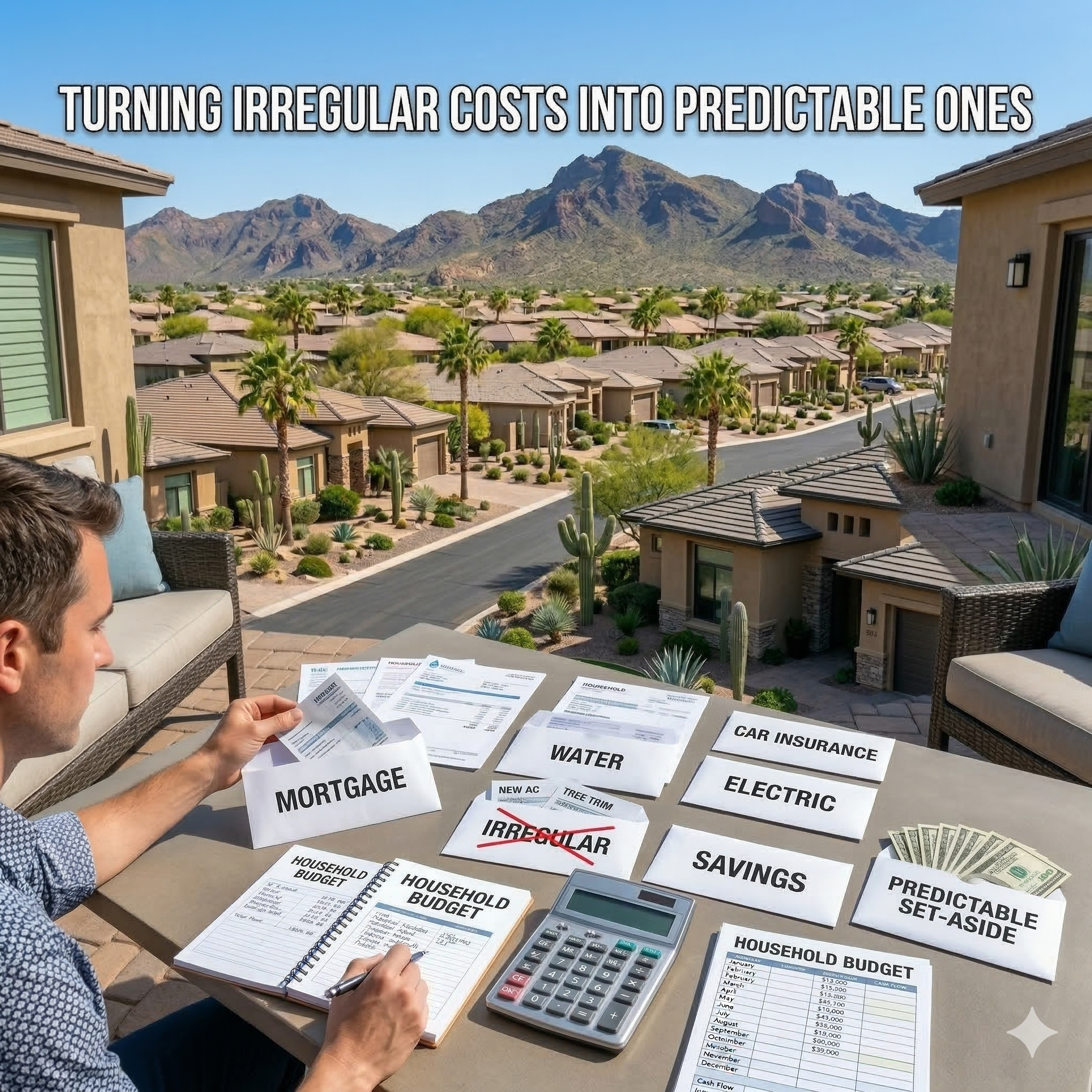
Turning Irregular Costs Into Predictable Ones
-

Budgeting for Ongoing Ownership
-

Repair vs Replace vs Defer Decisions
-

Planning Homeownership Like a Long-Term Asset
-

What Home Expenses You Can Safely Delay
-

Stopping Cost Creep Early
-

Cash Flow vs Net Worth Stress
-

Why “It’s Not That Much” Adds Up
-

Warning Signs Your Ownership Budget Is Tightening
-

The Cumulative Cost of Small Home Repairs
-

Designing Budgets Around Local Conditions
-
Utility Costs Over Time in Desert Climates
-

Insurance Increases Explained for Arizona Homeowners
-
How Inflation Impacts Phoenix Homeownership Costs
-

Avoiding Debt-Driven Homeownership Decisions
-

Replacing Systems on Your Timeline
-

Why Emergency Repairs Cost More
-

Timing Major Expenses Without Financial Shock
-
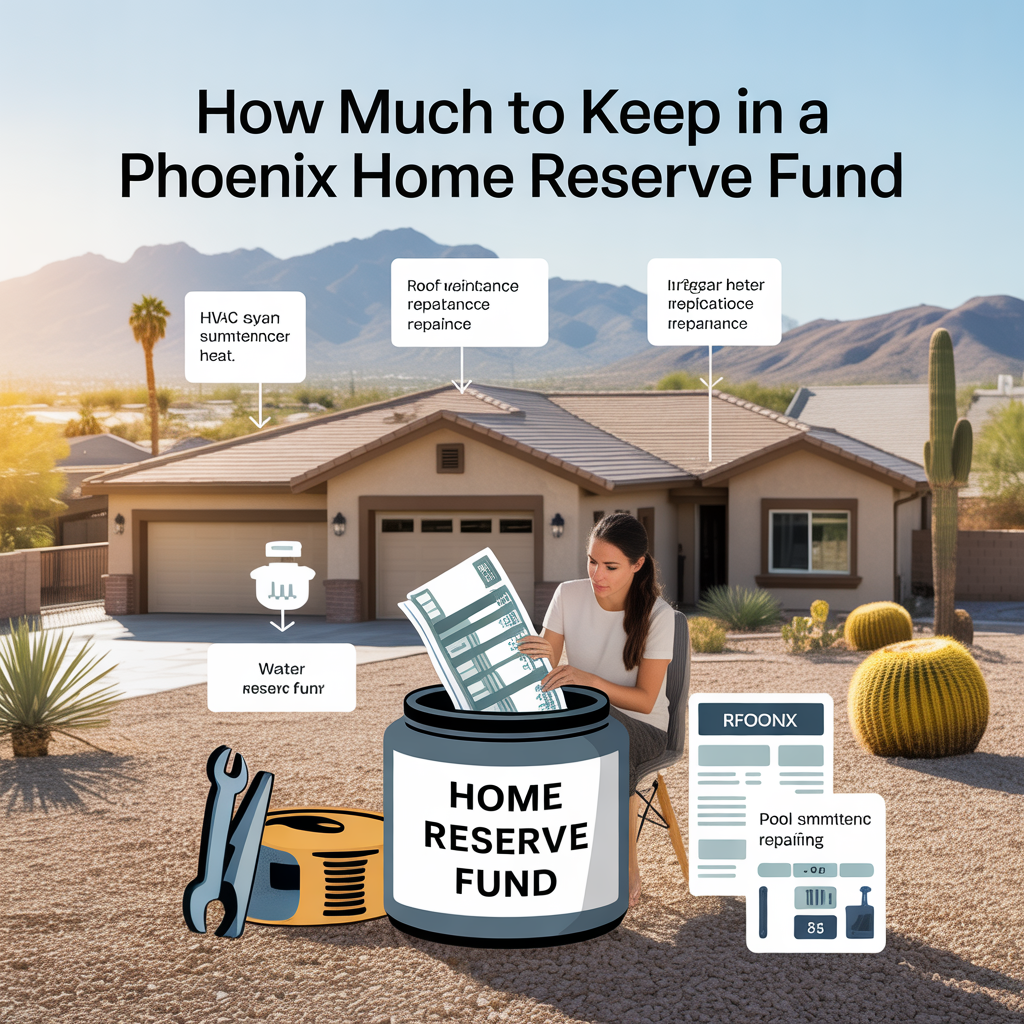
How Much to Keep in a Phoenix Home Reserve Fund