


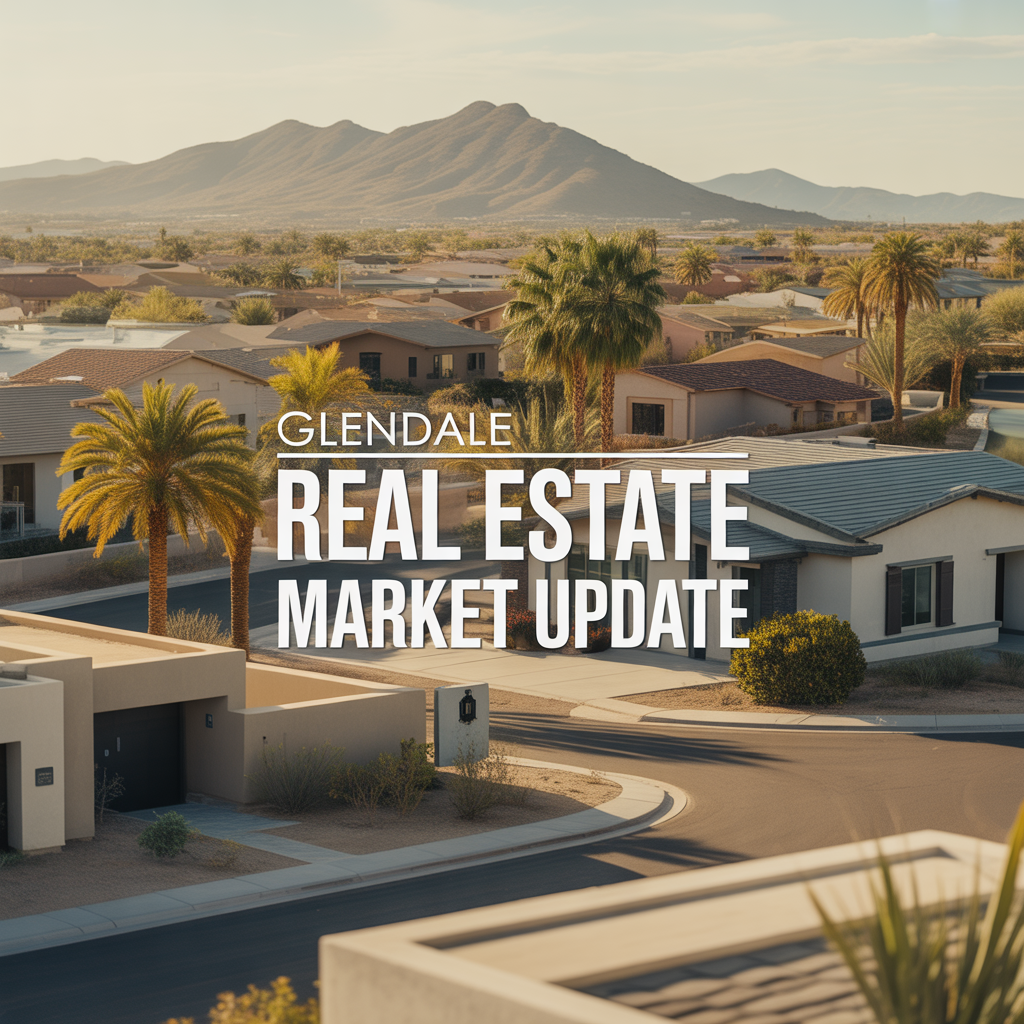
This guide is part of our Current Real Estate Market Insights → [Current Real Estate Market Insights]
Written by: Renee Burke
There’s something quietly steady about Glendale right now. While some corners of the Phoenix metro feel like they’re holding their breath, waiting for the next big shift, Glendale has been moving with quiet confidence. It’s not racing nor retreating—it’s recalibrating. And for homeowners and buyers alike, that steadying beat is worth paying attention to.
Glendale has always lived a little differently than its neighbors. It’s a mix of rich history, growing amenities, and family-driven energy that keeps its housing story distinct within the Valley. Whether you’re near Arrowhead Ranch, tucked into the Westgate area, or watching development stretching along Loop 101, the trends shaping this market reflect both Glendale’s resilience and its evolving character.
A Market That’s Catching Its Breath—But Moving Forward
As we’ve settled into 2026, Glendale’s housing market has found its rhythm again after a few years of big emotional swings. Following the intense seller’s markets of 2021 and 2022 and the interest rate adjustments that followed, local price movement has steadied.
The average home price in Glendale has hovered just under $490,000 heading into early 2026—a modest year-over-year rise of around 3–4%. Inventory levels, once painfully low, have climbed closer to what feels balanced: roughly 2.5 to 3 months of supply depending on the neighborhood. For buyers, that means more breathing room and a little less urgency. For sellers, it means pricing strategically matters again—like it used to before the frenzy.
Homes under $450,000, especially single-level properties and those near major commuter corridors, are still drawing quick attention. Move-in-ready homes with fresh updates tend to see multiple offers, but the tone of those offers is calmer—fewer bidding wars, more thoughtful negotiations. The days of buyers offering $30,000 over list just to be noticed are largely behind us.
Interest Rates, Motivation, and Market Psychology
Let’s address the heart of what many Glendale buyers and sellers are wondering: “Are rates going to drop soon?” The reality is, no one knows exactly when. But the conversation has shifted. Most experts agree the sharp rate hikes are behind us, and while we may not return to the ultra-low rates of a few years back, we could see gradual easing through mid to late 2026.
For buyers, this has created a careful optimism. Many are entering the market now, not waiting for the “perfect” rate but focusing on the long-term picture—finding the right home, in the right neighborhood, and planning to refinance later if conditions improve. Sellers, in turn, are starting to meet the market where it is rather than holding out for 2022 pricing. That shared realism is what’s keeping Glendale’s housing activity steady and genuine.
It’s a market built on motivation rather than speculation—which is always a good sign. Glendale moves with purpose: families upsizing, retirees downsizing, first-time buyers planting roots in a city that still feels approachable compared to nearby Scottsdale or parts of Central Phoenix.
Where Lifestyle Meets Affordability
Lifestyle has always been Glendale’s quiet advantage. Many homebuyers drawn here are looking for space—both indoors and outdoors—without straying too far from major amenities. The walkable entertainment and dining hub around Westgate continues to anchor the city’s growth, while nearby developments like VAI Resort and Desert Diamond Arena infuse renewed energy into the local economy.
The Arrowhead area, meanwhile, remains a favorite for those seeking mature neighborhoods, golf course views, and good school access. Communities like Arrowhead Ranch and Sierra Verde deliver that “established suburban comfort” feeling that’s so hard to replicate elsewhere.
West Glendale has also been drawing more attention lately, as revitalization work brings life back to older properties. We’re seeing more remodels and rebuilds, often led by homeowners who see opportunity in neighborhoods that have long been undervalued. Glendale’s identity as a seasoned, lived-in city gives it diversity and authenticity that newer master-planned areas can’t quite replicate.
Inventory Snapshot: Subtle Shifts You Shouldn’t Miss
While inventory is improving valley-wide, Glendale’s supply situation varies dramatically by price band.
- Under $400,000: This range remains limited. Entry-level listings in decent condition can still draw multiple offers if priced correctly, often from first-time buyers tired of renting.
- $450,000–$600,000: Competition softens here, but strong demand continues in well-maintained suburban tracts with updated interiors or pool features.
- Above $700,000: A more balanced segment. Buyers in this tier have options and time to negotiate, especially for properties that have sat more than 30 days.
Condos and townhomes—particularly around Ironwood or the Glendale Community College corridor—are having a moment too. They’re offering affordability not seen in years, and investors are starting to reappear, eyeing long-term rental potential given Glendale’s stable employment base.
What Sellers Should Know
If you’re a Glendale homeowner thinking about selling in 2026, the key is presentation and strategic pricing. Buyers are more selective now; they have choices. Homes that shine—those with clean curb appeal, neutral décor, and solid maintenance histories—stand out immediately.
We’re also seeing that time of year matters again. The Valley tends to warm up in both temperature and buyer activity by early spring. Many Glendale families still aim to move between March and July, aligned with school schedules, so prepping early is smart. Small improvements—a fresh coat of paint, updated hardware, or simple landscaping refresh—can translate into stronger offers quickly.
What Buyers Should Keep in Perspective
For buyers, Glendale represents opportunity disguised as moderation. The market right now isn’t about big discounts, but about fair chances. This is perhaps the most balanced environment we’ve seen since before 2020—price gains that feel sustainable, sellers who are open to negotiation, and builders offering incentives again.
If you’ve been sitting on the sidelines, unsure whether to wait or wade in, it might help to think less about timing the market and more about timing your life. The home that fits your needs today—whether for space, commute, or lifestyle—may still make sense even if rates shift a little later this year. Too often, people miss the right fit because they’re waiting for the headlines to turn green again.
The Community Pulse: Glendale’s Evolving Story
One of Glendale’s most meaningful strengths lies in its sense of community. It’s a city that still feels like “home base.” You see it in the weekend farmers markets, in youth sports around Foothills Park, and in how neighbors genuinely keep an eye out for each other.
That’s part of what anchors property values here—it’s not just about square footage or finishes; it’s about belonging. As Glendale continues to evolve with ambitious projects near the Loop 101 corridor and westward expansion toward the White Tank foothills, that foundation of community remains its greatest asset.
Looking Ahead: A Practical Forecast
So where is Glendale headed next? Expect stability, not fireworks—and that’s a good thing.
Analysts project moderate appreciation through 2026, in the 3–5% range depending on location and condition. Supply will likely edge higher as homeowners adjust to “normal” conditions again, but demand will stay deeply rooted thanks to regional job growth and Glendale’s relative affordability compared to neighboring suburbs.
New development near the sports and entertainment district and along Northern Parkway continues to draw employers and younger households alike. Expect to hear more about mixed-use growth and refreshed retail corridors. Glendale is moving with intention—focusing less on expansion for expansion’s sake and more on quality-of-life infrastructure that sustains its appeal long term.
For homeowners, that translates into quiet confidence. For buyers, it means Glendale remains accessible, vibrant, and grounded—qualities that are hard to come by in a market as competitive as ours.
A Word of Reassurance
If you’ve felt uncertain, you’re not alone. Many people are trying to make sense of the headlines and statistics and wondering what that means for their own timing. The truth is, every move—whether selling or buying—is deeply personal. Numbers matter, yes, but so does how a home fits your season of life.
That’s why guidance rooted in real, local understanding matters more than ever. Market data can only tell part of the story. Glendale’s story is lived every day—in the way the light hits the mountains in the evening, in the growth of neighborhood businesses, in the way residents invest not just in homes but in one another.
If you’re thinking about making a move in the Phoenix area—especially right here in Glendale—you don’t have to figure it out alone. Whether you’re curious about your home’s value, exploring neighborhoods, or just trying to understand where the market is headed, I’d be honored to help you map out your next step with clarity and confidence.
Let’s talk when you’re ready—I’m here to walk beside you, every step of the way.
Get the full Phoenix Market Insights → [Market Insights]


-
Cost of Living in Rhode Island: Housing, Taxes, Utilities, and Everyday Expenses
-

What If My Commute Becomes Worse Than Expected?
-
How Aging Home Systems Affect Property Value
-

Energy Efficiency Upgrades for Phoenix Homes
-
How to Plan for Major Home System Replacements
-

When Phoenix Homeowners Should Replace Water Heaters
-

Repair vs Replace Decisions for Phoenix HVAC Systems
-
Creating a Long-Term Home Maintenance Plan
-

How Often Phoenix Homes Should Be Professionally Inspected
-
Early Warning Signs of Major Home System Failures
-

How Preventative Maintenance Protects Phoenix Property Value
-

The Best Annual Home Maintenance Plan for Phoenix Homes
-

Electrical Safety Inspections for Older Phoenix Homes
-

Why Whole-Home Surge Protection Matters in Arizona
-

Preparing a Phoenix Home for Electric Vehicle Charging
-

Signs Your Home’s Electrical System Is Overloaded
-
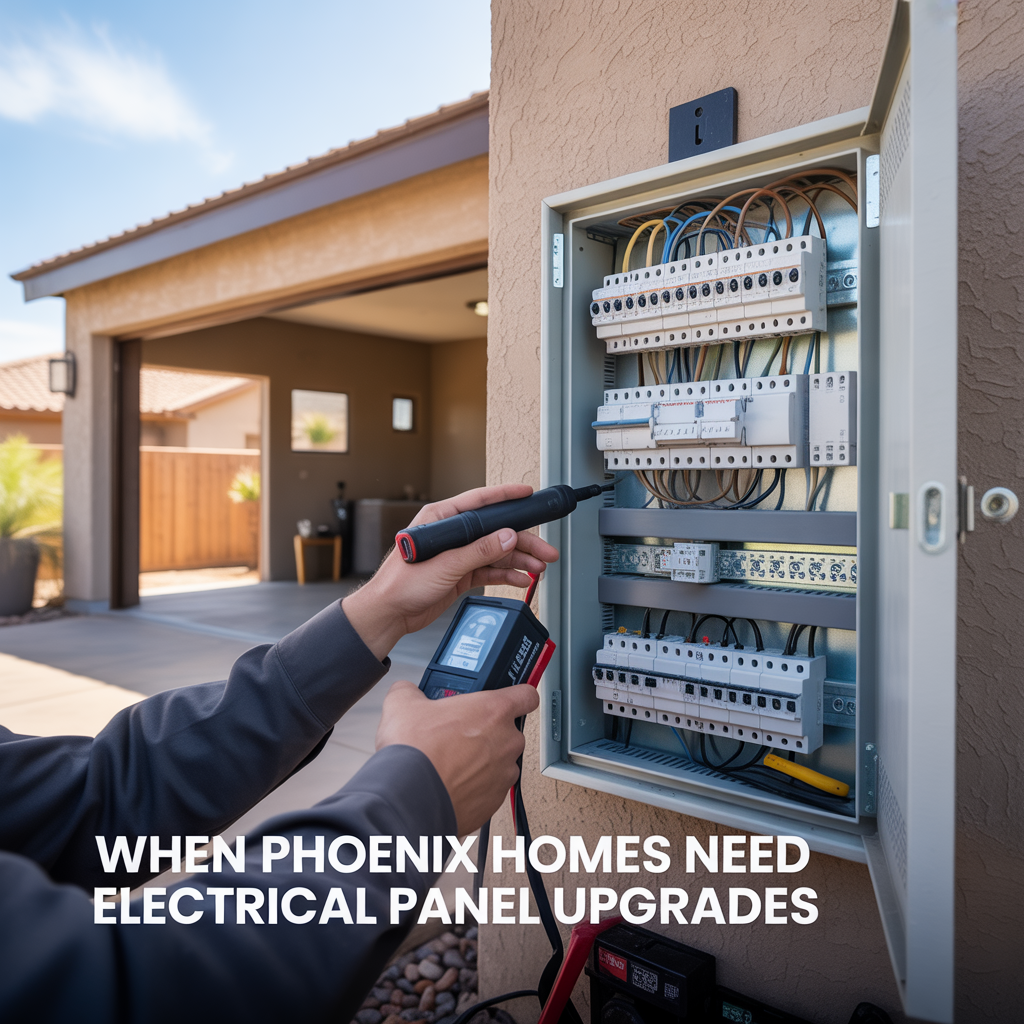
When Phoenix Homes Need Electrical Panel Upgrades
-

Water Pressure Problems in Phoenix Homes Explained
-

Preventing Irrigation Leaks That Waste Water in Desert Landscapes
-

Signs of Hidden Plumbing Leaks in Phoenix Houses
-

How Long Water Heaters Last in Arizona Homes
-

How Hard Water Affects Plumbing Systems in Phoenix Homes
-

Preventing Water Damage in Phoenix Homes During Storms
-

Roof Maintenance Tips Before Phoenix Monsoon Season
-

How Arizona Sun Damages Roofing Materials Over Time