



This guide is part of our Current Real Estate Market Insights → [Current Real Estate Market Insights]
Written by: Renee Burke
I often sit with buyers over coffee at Cartel in Tempe or a quiet spot in Old Town Scottsdale, and the conversation inevitably turns to rates. It’s the one variable that feels so far out of our control, yet it shapes every decision — from the home you can afford in Gilbert to whether now’s the time to stretch for that backyard oasis in Ahwatukee.
You’re not alone if rising or dipping rates have you pausing. In the Phoenix metro, where our sunny lifestyle pulls people in year after year, these shifts hit close to home. Let me walk you through what’s happening right now and how it’s truly playing out for families and individuals just like you.
The Current Rate Landscape in Our Valley
As we move through early 2026, mortgage rates hover in the mid-5% to low-6% range for most 30-year fixed loans. They’ve eased a touch from peaks last year, but stubbornly high compared to the pandemic lows that fueled our boom. The Fed’s moves — and Wall Street’s reactions — keep them dancing, often decoupled from headline cuts.
For Phoenix buyers, this means monthly payments that demand careful math. On a $500,000 home — close to our metro median — a jump from 5.5% to 6.5% adds about $300 to your principal and interest alone. That’s real money, the kind that covers Gilbert Farmers Market weekends or youth soccer fees at Freestone Park.
Yet, it’s not all cautionary. Rates stabilizing here gives breathing room for those locked into older, lower ones to consider trading up without the shock of doubling payments.
How Higher Rates Are Reshaping Buyer Strategies
When rates climb, I see buyers adapt in smart, Phoenix-specific ways. Many pivot to neighborhoods offering value without sacrificing lifestyle — think East Mesa’s quiet streets with easy access to Usery Mountain trails, or Laveen’s growing communities near the new light rail extensions.
Some downsize thoughtfully: swapping a five-bedroom in Chandler for a three-story gem in Arcadia, freeing up budget for solar panels and pool upgrades that beat our summer heat. Others extend their search, waiting out monsoons or aligning with school starts in districts like Higley or Basis.
The result? Demand softens but doesn’t vanish. Showings hold steady in family havens like Gilbert’s San Marin or North Central’s tree-lined blocks, where buyers prioritize walkability to coffee shops and A-rated schools over square footage.
Opportunities Emerging for Savvy Buyers
Here’s the reassuring part: elevated rates are creating buyer advantages we haven’t seen in years. Inventory edges up — now around 3.5 months’ supply Valley-wide — giving you time to negotiate without frenzy. Sellers in outer areas like Buckeye or Queen Creek adjust prices 2-3% faster, often covering closing costs or minor repairs.
In central hotspots like Downtown’s warehouse lofts or Roosevelt Row condos, leverage grows too. Buyers request HOA estoppel reviews or parking solutions, knowing extended days on market tilt things their way. It’s a gentle shift, one that rewards preparation over panic.
For cash-strong folks — investors eyeing Verrado rentals or relocators from California — rates barely register. They snap up fixer-uppers in Peoria, betting on our job growth at TSMC and Intel.
The Lock-In Effect and Seller Hesitation
One rate ripple hits sellers hardest: the golden handcuff. Homeowners with 3% loans from 2021 hesitate to list, tightening supply in prime spots like Paradise Valley estates or Scottsdale’s Gainey Ranch. This keeps prices resilient — up 2-3% year-over-year in stable enclaves — but frustrates move-up buyers.
I guide these families gently: sometimes renting out and waiting makes sense, especially with our strong rental market near ASU or the Mayo Clinic campus. Other times, a strategic refinance bridges the gap, preserving equity while unlocking mobility.
Buyers feel this indirectly — fewer relocators mean less competition, but also fewer turnkey options. It’s why I emphasize pre-approvals now: they position you ahead when a motivated seller emerges.
Lifestyle Trade-Offs in a Rate-Sensitive Market
Phoenix living amplifies rate impacts because our lifestyle costs layer on top. That dream home isn’t just walls — it’s proximity to South Mountain hikes, spring baseball at Sloan Park, or weekend paddleboarding on Tempe Town Lake. Higher payments squeeze those extras, pushing buyers toward HOA communities like Power Ranch in Gilbert, where amenities offset personal budgets.
Energy efficiency matters more now, too. Homes with Tesla chargers, foam insulation, or north-facing pools save hundreds monthly, effectively “buying down” your rate. I’ve walked clients through these nuances, helping them see beyond the payment shock to long-term Valley living.
Remote workers gain an edge, commuting less to Phoenix Sky Harbor or the 101 tech corridor, affording pricier zip codes without rate regret. Families weigh Chandler’s top schools against West Valley affordability, rates tipping the scale.
Regional Breakdown: Where Rates Bite Least
Not every corner feels equal. North Scottsdale’s luxury tier shrugs off rates — buyers here focus on lot size and McDowell Sonoran views, financing a smaller piece of the pie. DOM stays crisp at 20-30 days.
Contrast that with far East Valley like Apache Junction: rates elongate searches, but low entry prices ($350K medians) keep deals flowing. West Valley growth zones — Surprise to Goodyear — offer the sweetest spot: new builds with rate buydowns from builders, plus space for home offices and RV parking.
Core Phoenix, from Maryvale to Encanto, sees resilient first-timers. VA and FHA loans buffer rate hikes, drawing military families near Luke Air Force Base.
Looking Ahead: What Buyers Can Expect
Rates won’t plummet overnight — experts eye gradual drops if inflation cools further. But Phoenix’s fundamentals shine: population inflows, job hubs in semiconductors and healthcare, our endless appeal for outdoor life. A half-point dip could unleash pent-up demand, nudging prices 4-5% in hot spots.
Until then, it’s about agility. Buy now for lifestyle lock-in, or position with savings for later leverage. Either path works when guided right.
Navigating Rates With Confidence
Rates fluctuate, but your goals don’t have to. Whether you’re eyeing a mid-century in Coronado or a modern farm in the Farms, understanding these movements empowers every step.
If interest rates have you rethinking your Phoenix move — or timing it just right — let’s talk it through. You don’t have to navigate these waters alone; I’m here as your steady local guide, helping you find the home that fits your life today and thrives tomorrow.
Get the full Phoenix Market Insights → [Market Insights]


-

How the Phoenix Desert Climate Shapes Everyday Life Inside the Home
-

How Phoenix Weather Patterns Shape Everyday Home Routines
-

Why Homes Often Feel More Comfortable After the First Year of Ownership
-

How Living in Phoenix Changes the Way Homeowners Use Their Homes
-
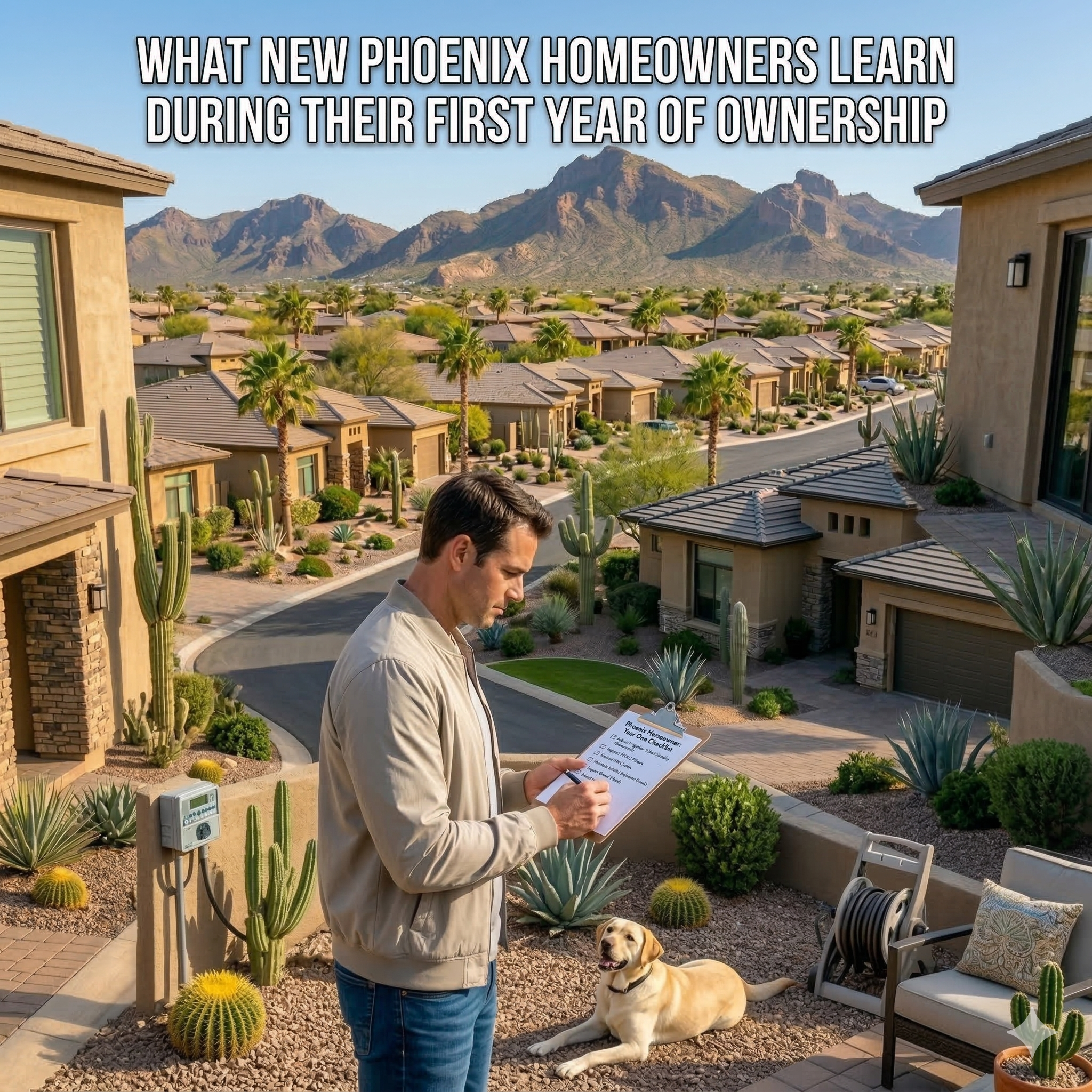
What New Phoenix Homeowners Learn During Their First Year of Ownership
-

How Daily Life Changes After the First Year of Living in a Phoenix Home
-
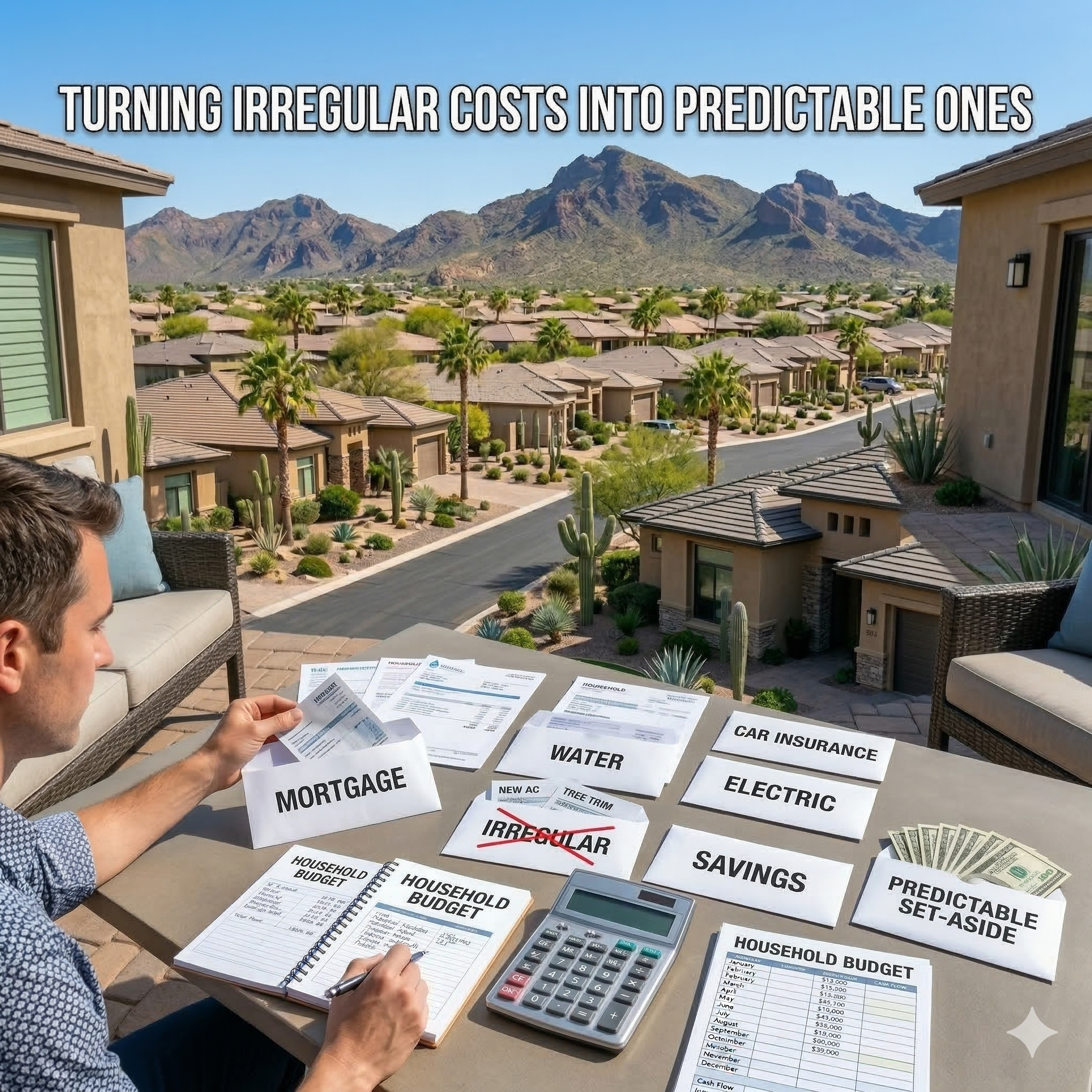
Turning Irregular Costs Into Predictable Ones
-

Budgeting for Ongoing Ownership
-
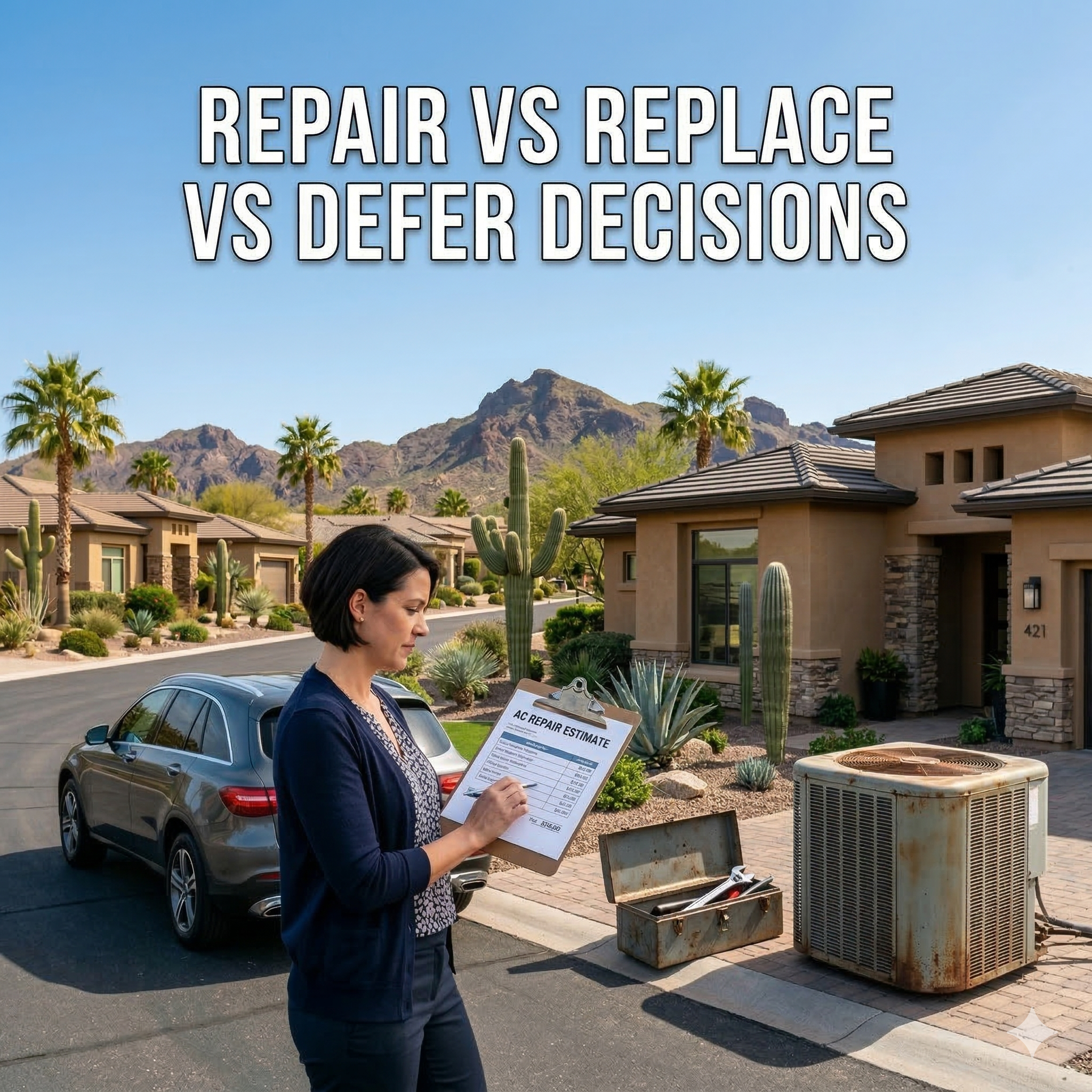
Repair vs Replace vs Defer Decisions
-

Planning Homeownership Like a Long-Term Asset
-

What Home Expenses You Can Safely Delay
-

Stopping Cost Creep Early
-

Cash Flow vs Net Worth Stress
-

Why “It’s Not That Much” Adds Up
-

Warning Signs Your Ownership Budget Is Tightening
-

The Cumulative Cost of Small Home Repairs
-

Designing Budgets Around Local Conditions
-
Utility Costs Over Time in Desert Climates
-

Insurance Increases Explained for Arizona Homeowners
-
How Inflation Impacts Phoenix Homeownership Costs
-

Avoiding Debt-Driven Homeownership Decisions
-

Replacing Systems on Your Timeline
-

Why Emergency Repairs Cost More
-

Timing Major Expenses Without Financial Shock
-
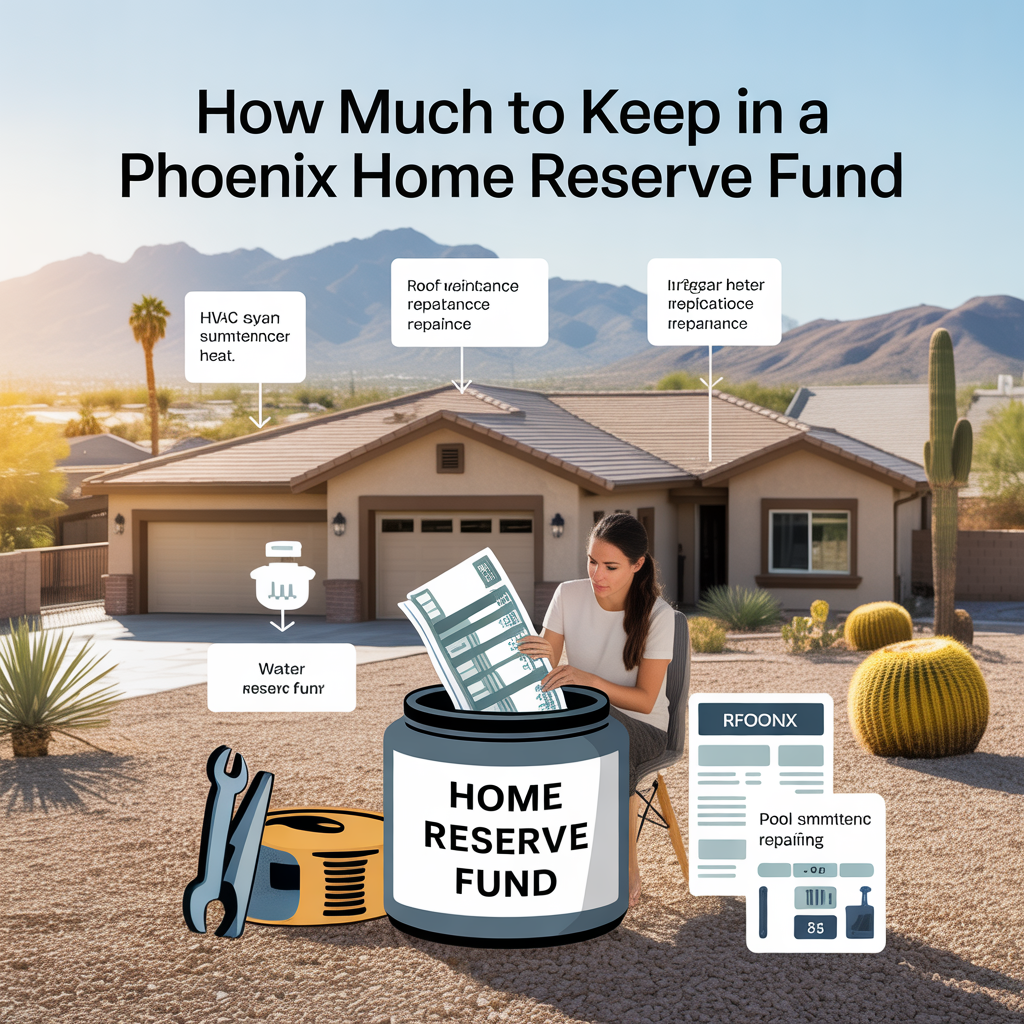
How Much to Keep in a Phoenix Home Reserve Fund