


This guide is part of our Current Real Estate Market Insights → [Current Real Estate Market Insights]
Written by: Renee Burke
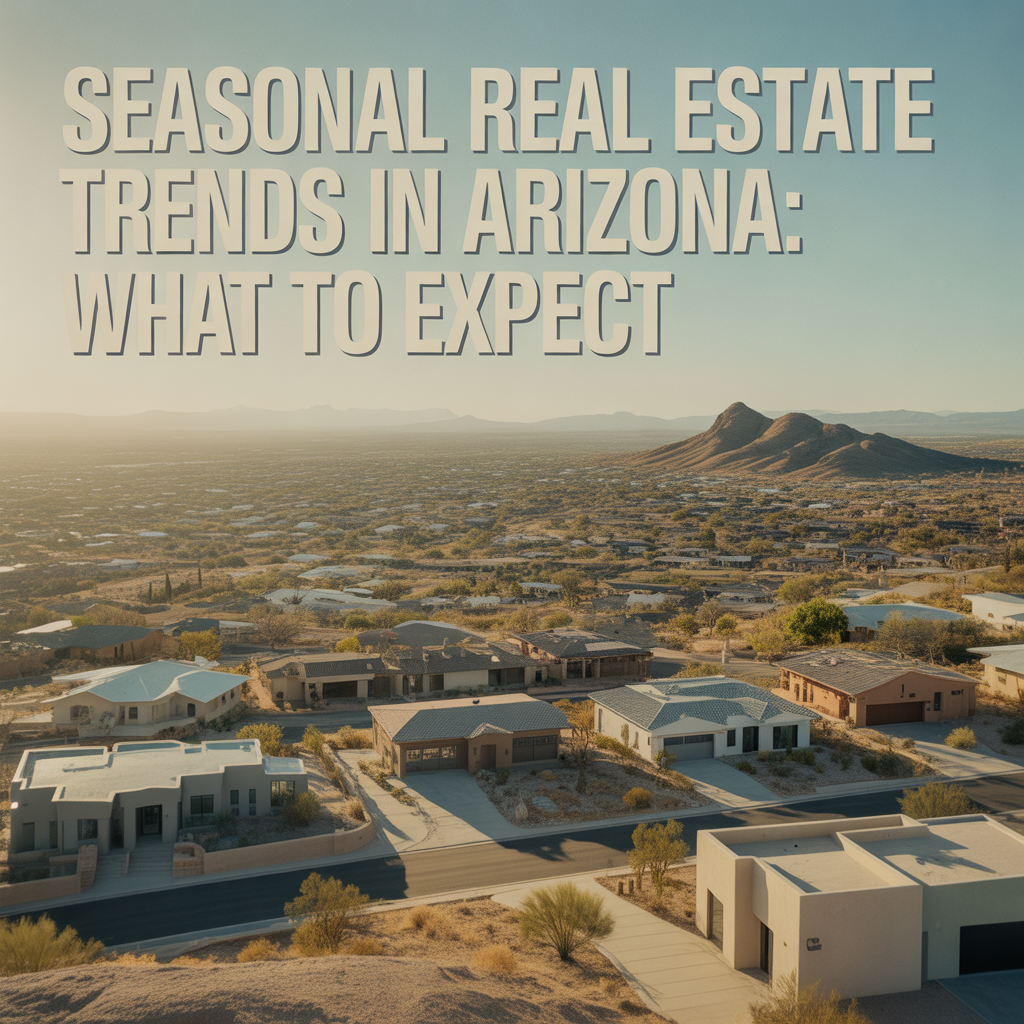
If you’ve lived in the Valley for a while, you know how deeply the desert seasons shape our routines. The same rhythm that has us hiking early in winter and seeking shade by May also guides our real estate market.
Here in the Phoenix metro area, housing activity doesn’t follow the same rules as most of the country. What drives buyer decisions in Michigan or Washington might not even register here. Our market is built around sunshine, school calendars, and that signature Arizona lifestyle that makes people want to stay — or finally make their move — no matter the month.
By the end of this piece, you’ll understand how our seasons really influence buying and selling, what patterns tend to repeat each year, and how to use this knowledge to time your next move with confidence.
Winter: The Valley’s “Spring Market”
Winter is when Phoenix truly shines — and our real estate market reflects it.
From late December through March, we see some of the highest buyer activity of the year. The weather is gorgeous, snowbirds are back, and out-of-state buyers fill open houses across Scottsdale, Mesa, Chandler, and our West Valley communities. It’s a time when everything from golf course condos to family-friendly subdivisions draw attention from folks escaping colder climates.
For sellers, this means opportunity — especially if your home photographs well and offers that bright, private-outdoor-space appeal. You’ll find motivated buyers who are often serious about establishing a desert base before the next winter season arrives.
For buyers, however, it’s wise to prepare for more competition. Well-priced listings can go quickly. Working with someone local who tracks neighborhood-level market shifts can make a big difference in how smoothly you move from “just browsing” to “offer accepted.”
Winter in Phoenix isn’t just our prettiest season — it’s our busiest.
Spring: The Season of Transitions
As temperatures edge into the 80s, the mood across the Valley shifts. March through May often brings a wave of local movement — families trading up for more space, parents timing moves before the school year ends, and sellers hoping to capture strong activity before summer heat slows momentum.
Historically, this is also when we see new listings rise. Many homeowners feel their desert landscaping looks its best, and they want to take advantage of curb appeal before triple-digit days return.
In a balanced spring market, both buyers and sellers have leverage. Sellers benefit from high visibility, while buyers have more inventory to choose from.
Still, it’s important to remember that market dynamics can vary by micro-area. Chandler and Gilbert often attract school-year-driven movers, while parts of Phoenix’s historic core see a steadier trickle of year-round buyers. Knowing these nuances — and timing price strategy or offer structure around them — is what turns good timing into great results.
Summer: Quiet Streets, Serious Buyers
Summer in Phoenix has its own personality.
Yes, the heat affects everything — open house turnout, showing schedules, even photography timing. But while the pace slows and casual browsers disappear, those who stay active in the market are usually highly motivated. Whether it’s a job relocation, a new-build near completion, or a seller needing to close before school resumes, these summer transactions tend to happen quickly and decisively.
For sellers, that means every small detail matters. Homes should present as cool, comfortable sanctuaries. Thoughtful touches — shaded patio seating, crisp indoor air, a pitcher of cold water for buyers walking through — leave a lasting impression in 110-degree heat.
Buyers gain leverage during this period too. Inventory often lingers a bit longer, giving more room for negotiation or closing-cost requests that might not fly in February. It can be a wonderful time to buy if you’re patient and equipped with good local insight.
Summer may look sleepy, but beneath the surface, plenty of real movement happens — it’s just quieter, and often more strategic.
Fall: Rebalancing Before the Holidays
By September, morning walks feel cooler again, kids are back in school, and real estate activity subtly picks back up. Fall in Phoenix tends to be a “rebalancing” season — inventory adjusts after the slower summer months, pricing steadies, and both buyers and sellers have a clearer sense of market realities going into year’s end.
This is often when serious local buyers — those not tied to winter relocations or seasonal visits — make strategic moves. Sellers gain an advantage with well-maintained homes priced right, especially as fewer fresh listings come online heading into the holidays.
If you’re thinking about listing in October or early November, focus on livability. Stage with cozy textures, highlight outdoor lighting for evening gatherings, and make sure inspection items are handled early. Buyers this time of year are deliberate; they respond well to homes that feel updated, move-in ready, and cared for.
Fall can be the sweet spot for homeowners ready to sell quietly but confidently before the new year rush.
Understanding the Lifestyle Link
One of the most misunderstood aspects of our market is how intertwined lifestyle is with timing here.
Because our winters are warm and welcoming, and our summers require a bit more planning, many home decisions revolve around comfort, travel patterns, and personal rhythm rather than strict “peak season” logic.
For example, retirees often shop in winter while visiting from out of state. Teachers and families plan around spring and early summer. Corporate relocations frequently hit in late summer or early fall, depending on hiring cycles. Local investors watch rental demand that spikes before spring training season or winter visitor influxes.
Recognizing where you fit in those cycles helps you plan more calmly and strategically. It means you step into the process with clear expectations instead of chasing what the headlines say.
What Drives Year-to-Year Shifts
Beyond the seasonal rhythm, broader factors can also shape the market’s tone each year — mortgage rates, new construction activity, local job growth, and even water policy discussion.
But the core ebb and flow rarely changes entirely. January will always draw energy. June will always slow. It’s the underlying pace — fast or moderate — that flexes depending on economy and inventory.
When you follow Phoenix real estate long enough, you start to see that what appears at first as volatility is really just a living reflection of how our community moves with its environment. It’s why experience matters — not just with contracts, but with reading the tempo beneath the surface.
Practical Advice for Timing Your Move
If you’re thinking of selling:
- Capitalize on peak visibility. January through May gives your listing the highest exposure to both local and out-of-state buyers.
- Prepare early. Professional photos, up-to-date maintenance, and smart pricing can cut days on market dramatically.
- If summer lists are necessary, adjust strategy. Offer showing flexibility, emphasize comfort, and price competitively to attract motivated buyers.
If you’re buying:
- Plan around your lifestyle, not just the calendar. Solid deals can appear any time of year.
- Leverage quieter seasons. You’ll often find more negotiation room in late summer and late fall.
- Stay pre-approved and patient. Our market moves in bursts; opportunities favor those ready to act confidently when something right appears.
The Truth About “Best Time to Buy or Sell”
People often ask me, “When is the best time to buy or sell in Phoenix?”
The truth is, the best time is when it aligns with your personal timeline — and you partner with someone who knows how to work the season to your advantage. Each quarter has opportunities hidden inside it.
For instance, that quiet summer buyer might lock in a better price; that winter seller might tap into the biggest audience. Timing matters, but preparation and perspective matter more.
That’s the power of understanding our seasons not just as weather, but as part of the Valley’s living rhythm.
A Warm Closing Thought
Whether you’re planning a move this spring or simply watching the market for the right moment, remember this: you don’t have to figure it out alone.
Real estate in Phoenix is as much about understanding people and timing as it is about property. I’ve walked clients through every kind of market shift — the fast-paced winters, the reflective summers — and I’ve learned that with the right plan, any season can be the right season.
If you’re thinking about buying, selling, or even just exploring what your next move might look like, I’d love to help you find clarity.
If you’re thinking about making a move in Phoenix, you don’t have to figure it out alone.
Get the full Phoenix Market Insights → [Market Insights]


-

Signs Your Phoenix Roof Needs Inspection or Repair
-

How Long Tile Roofs and Roof Underlayment Last in Phoenix
-

How Smart Thermostats Improve Cooling Efficiency in Arizona Homes
-

Why AC Systems Struggle During Extreme Phoenix Heat Waves
-

How Long Air Conditioning Units Last in Phoenix Homes
-

Warning Signs Your Air Conditioner Is About to Fail
-

How Often Phoenix AC Systems Need Maintenance
-
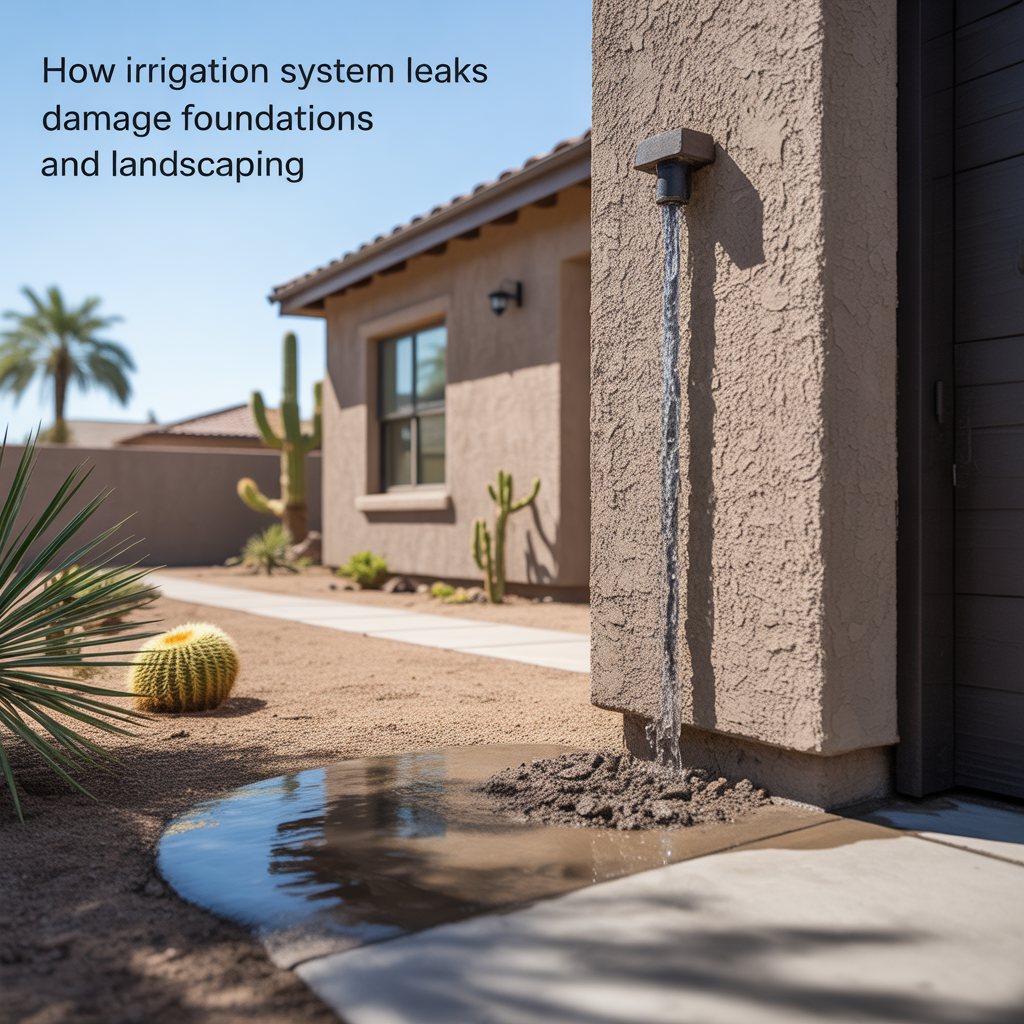
How Irrigation System Leaks Damage Foundations and Landscaping
-

Preventing Roof Damage Before Arizona Monsoon Storms
-

Why AC Tune-Ups Are Critical for Phoenix Homes
-

What Homeowners Should Inspect Before Phoenix Summer Heat Arrives
-

Seasonal Home Maintenance Checklist for Phoenix Homeowners
-
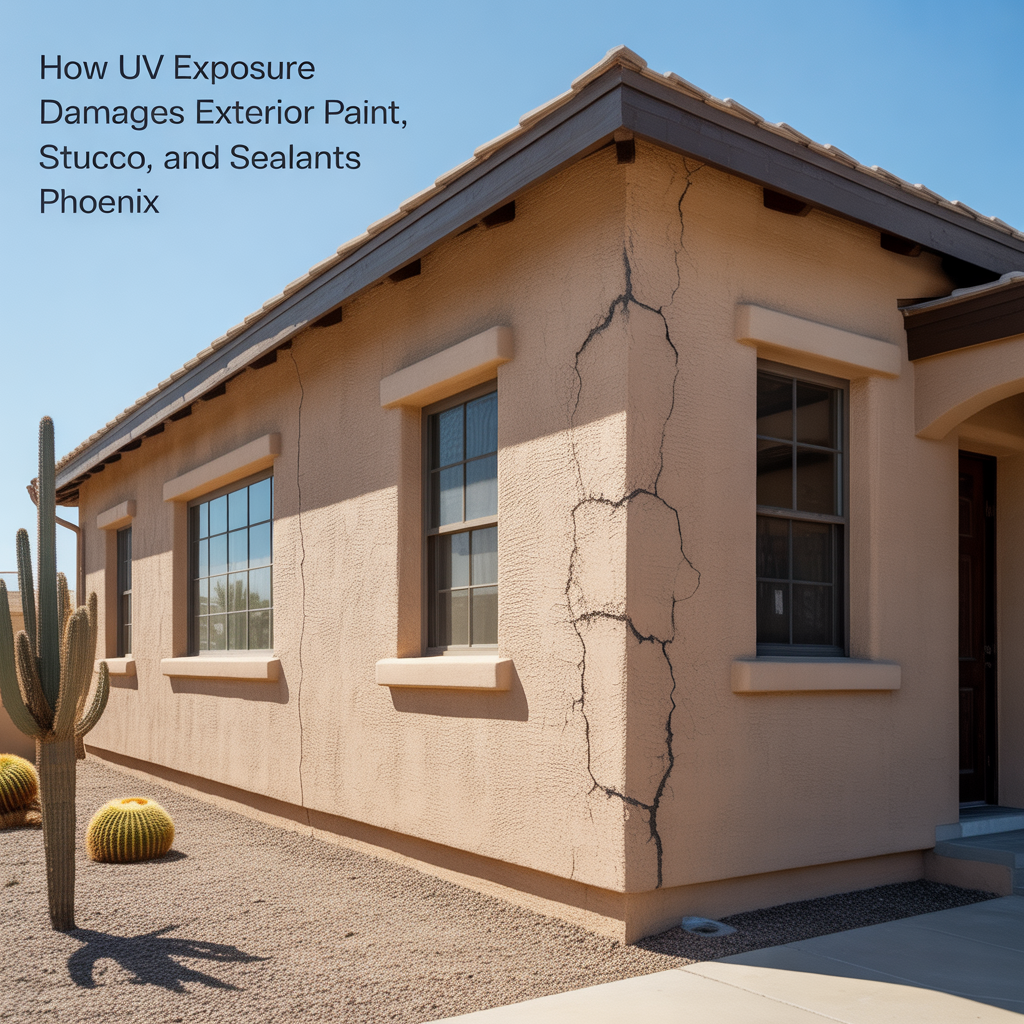
How UV Exposure Damages Exterior Paint, Stucco, and Sealants
-

How Extreme Heat Shortens the Lifespan of Home Systems
-

Why Phoenix Roofs Wear Out Faster Than Many Other Cities
-
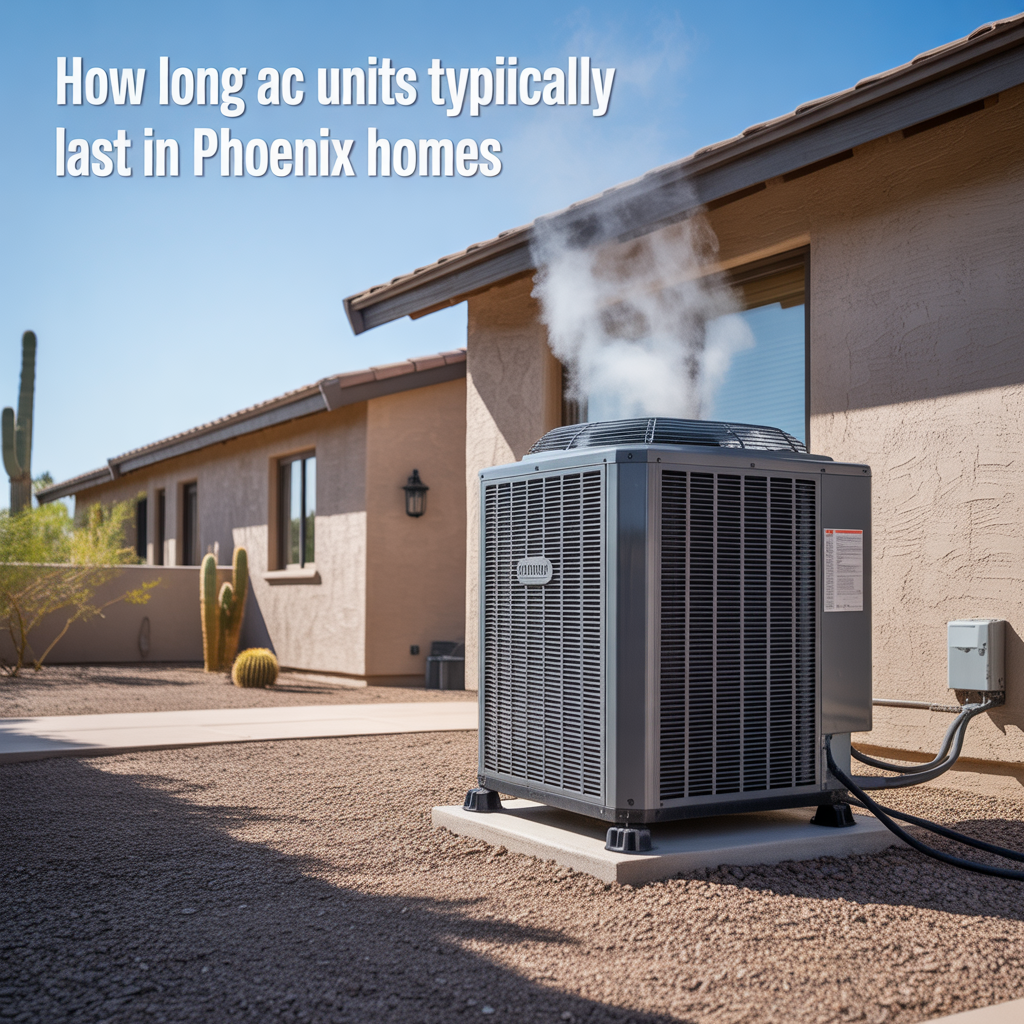
How Long AC Units Typically Last in Phoenix Homes
-

Building a Long-Term Protection Strategy
-

How Small Repairs Prevent Larger Problems
-

Protecting Older Phoenix Homes
-

Warning Signs of Hidden Home Risks
-

Preventative Maintenance That Reduces Insurance Claims
-

Reducing Liability Exposure Around Your Property
-

Liability Coverage Limits Explained
-

When Umbrella Insurance Makes Sense
-

Protecting Yourself From Guest Injury Claims