



This guide is part of our Current Real Estate Market Insights → [Current Real Estate Market Insights]
Written by: Renee Burke
Living through Phoenix real estate cycles feels a bit like our desert seasons — predictable in their rhythm, yet each one shaped by unique winds. Over decades, our Valley market has swung from frenzied booms to necessary pauses, always rebounding stronger because of jobs, sunshine, and that pull of wide-open spaces. These cycles aren’t random; they reflect how families, retirees, and investors respond to rates, inventory, and life here.
I’ve guided clients through every phase — the post-recession climb, pandemic rush, recent cooling — and what stands out is preparation. Understanding the patterns helps you breathe easier, whether buying in Gilbert or selling near South Mountain. Let’s walk through the classic stages, with Phoenix-specific insights, so you see where we sit today and what whispers next.
Expansion: Demand Outpaces Supply
This is the exciting upswing, when buyer energy surges. Homes fly off MLS shelves in 30-45 days; prices climb 10-20% yearly. Think 2020-2022: remote workers fled California for Queen Creek lots, Intel expansions filled Chandler, and medians jumped from $350K to $480K+. Multiple offers became routine, especially for updated ranches with pebble tec pools.
Locals know the signs — spring training buzz swells open houses in Mesa, snowbirds turn visits into bids on Sun City gems. Inventory dips under 3 months; sale-to-list ratios top 100%. Families worry about “missing out,” but smart positioning — pre-approval, must-haves like trails or schools — secures wins.
Phoenix thrives here on migration: 50K+ newcomers yearly chase no state tax and 300 sunny days.
Peak: The Frothy Top
At cycle peaks, exuberance peaks too. Every home feels hot; even fixers in Buckeye draw crowds. Prices stretch — Scottsdale hit $900K+ medians in 2022 — but cracks show: bidding wars hit 20+ offers, days on market shrink to 20-30, and builders rush entitlements.
Caution whispers: overbuilding risks loom, as in late 2005 when construction spiked before the fall. Yet our job base (TSMC fabs, Mayo Clinic) cushions better than past peaks. Sellers celebrate equity; buyers stretch budgets, sometimes overlooking inspections.
Contraction: The Cooling Breath
Then comes the pullback. Rates rise (like 2022’s 7%+ jump), demand eases, inventory climbs to 4-6 months. Prices soften 5-10% — 2023 saw $485K medians dip to $460K — and days on market stretch to 60-80. Nearly 60% of sales fall under list, giving negotiation room.
Phoenix’s version feels milder: West Valley new builds absorb moves, East Valley schools hold families steady. Misconception: “Crash incoming.” No — healthy corrections clear froth, as post-2008 when values dropped 50% but rebuilt on fundamentals.
Buyers gain power; sellers price realistically, emphasizing desert curb appeal.
Trough: Opportunity Emerges
The bottom feels quiet — inventory peaks at 9+ months, prices stabilize low (2009’s $150K medians). Buyers hesitate from headlines, but patient ones snag Chandler foreclosures or Glendale steals. Sales tick up as first-timers enter.
Here’s the gift: equity rebuilds fast on the next upswing. Phoenix troughs pass quicker — 18 months post-2008 vs. national years — thanks to job resilience and land limits.
| Cycle Phase | Inventory (Months) | Price Trend | Days on Market | Phoenix Hallmark |
|---|---|---|---|---|
| Expansion | <3 | +10-20% | 30-45 | Migration boom |
| Peak | 2-3 | +5-10% | 20-30 | Bidding frenzy |
| Contraction | 4-6 | -5-10% | 60-80 | Negotiation wins |
| Trough | 9+ | Flat/low | 100+ | Bargain entries |
Phoenix’s Unique Rhythm
Our cycles sync with lifestyle: winter peaks draw snowbirds to Fountain Hills; summer troughs favor locals trading up quietly. History echoes — 1920s boom, 1980s S&L dip, 2005 bubble (18 months’ supply), 2020 surge. Each rebounds on economy: semiconductors now, like manufacturing then.
2026 feels balanced — 4.4 months’ supply, 62-72 DOM, medians $445K-$450K flat or -2%. Not trough, but post-peak exhale heading to expansion as rates ease.
Drivers: TSMC jobs, Loop 303 growth, water security through 2050. We magnify booms with migration but soften busts via diversity.
Spotting Your Cycle Moment
Buyers: Contraction/troughs shine — more choices in Peoria, incentives in new builds. Sellers: Expansion/peaks maximize equity; stage patios, time winter.
Fear not volatility; it’s our market breathing. Long-term? 4-6% annual growth, cycle-averaged.
If you’re thinking about making a move in Phoenix, you don’t have to figure it out alone.
I’ve navigated every turn with families like yours. Let’s map your timeline — questions welcome over coffee, or margaritas!
Get the full Phoenix Market Insights → [Market Insights]


-

Signs Your Phoenix Roof Needs Inspection or Repair
-
How Long Tile Roofs and Roof Underlayment Last in Phoenix
-

How Smart Thermostats Improve Cooling Efficiency in Arizona Homes
-

Why AC Systems Struggle During Extreme Phoenix Heat Waves
-
How Long Air Conditioning Units Last in Phoenix Homes
-

Warning Signs Your Air Conditioner Is About to Fail
-

How Often Phoenix AC Systems Need Maintenance
-

How Irrigation System Leaks Damage Foundations and Landscaping
-

Preventing Roof Damage Before Arizona Monsoon Storms
-

Why AC Tune-Ups Are Critical for Phoenix Homes
-

What Homeowners Should Inspect Before Phoenix Summer Heat Arrives
-

Seasonal Home Maintenance Checklist for Phoenix Homeowners
-
How UV Exposure Damages Exterior Paint, Stucco, and Sealants
-

How Extreme Heat Shortens the Lifespan of Home Systems
-

Why Phoenix Roofs Wear Out Faster Than Many Other Cities
-
How Long AC Units Typically Last in Phoenix Homes
-

Building a Long-Term Protection Strategy
-
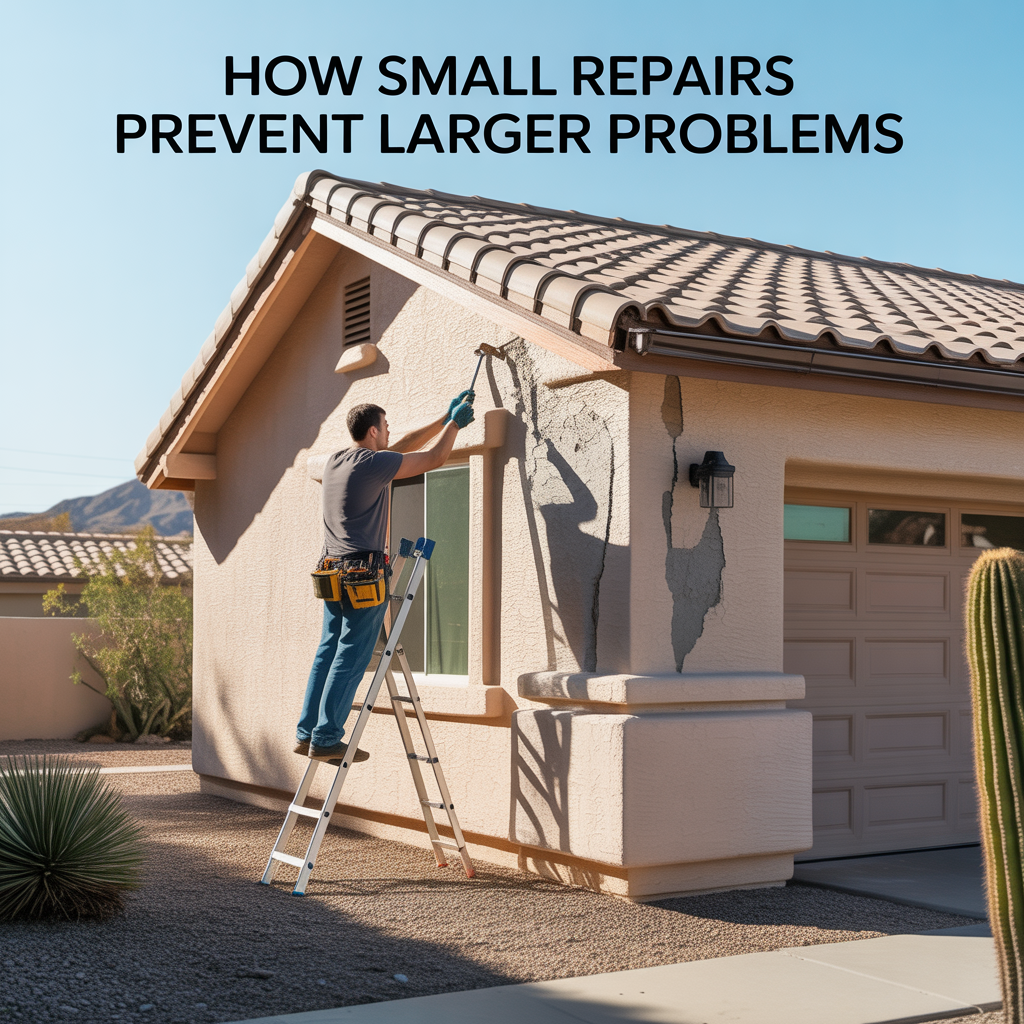
How Small Repairs Prevent Larger Problems
-

Protecting Older Phoenix Homes
-
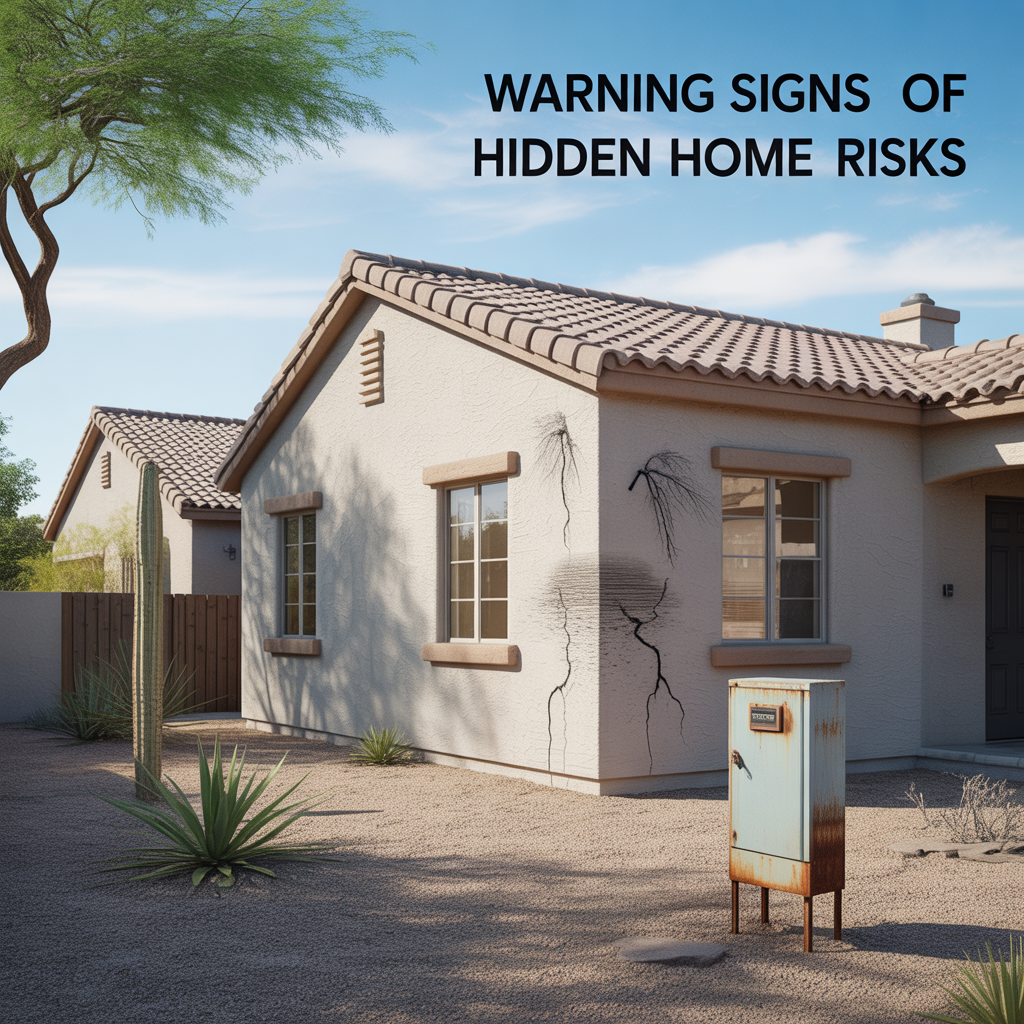
Warning Signs of Hidden Home Risks
-

Preventative Maintenance That Reduces Insurance Claims
-

Reducing Liability Exposure Around Your Property
-

Liability Coverage Limits Explained
-

When Umbrella Insurance Makes Sense
-

Protecting Yourself From Guest Injury Claims