



This guide is part of our Current Real Estate Market Insights → [Current Real Estate Market Insights]
Written by: Renee Burke
The holidays wrap up, the decorations come down, and suddenly, our Valley streets feel a little quieter — but only for a moment. Here in Phoenix metro, the post-holiday period isn’t a restart; it’s more like a gentle acceleration after a brief pause. Families settle back into routines, snowbirds extend their stays, and the market begins to hum with fresh energy.
I’ve watched this transition dozens of times over the years. It’s predictable yet always nuanced, shaped by our unique blend of mild winters, job relocations, and that pull of Arizona sunshine drawing people in. Let’s walk through what typically unfolds from early January through mid-February, so you can see the opportunities — and prepare thoughtfully if you’re considering a move.
The Initial Surge: New Listings Flood In
Right after New Year’s, you’ll notice it: a wave of new listings hits the MLS across Phoenix, Mesa, Chandler, Gilbert, and the West Valley. Homeowners who paused during family gatherings or travel now feel ready to act. It’s as if the holiday reset flips a switch.
This isn’t random. Many sellers spent December staging, decluttering, or finalizing decisions over quiet evenings. By mid-January, neighborhoods like Ahwatukee, Arcadia, and Superstition Springs see inventory climb — often by 10-15% from holiday lows. For buyers, this means more choices appear quickly, from updated ranch-style homes to modern townhomes near the light rail.
But here’s the gentle reminder: not every listing sticks around long. Well-priced homes in family-friendly spots like Gilbert or Chandler can draw multiple offers within days, especially as school enrollment deadlines loom for some.
Buyer Momentum Builds Quickly
Buyers don’t waste time either. Out-of-state relocations ramp up, fueled by folks who visited over the holidays and decided Phoenix is home. Corporate transfers to Intel in Chandler or Banner Health in Phoenix proper often align with this window, bringing pre-approved families ready to move.
Local buyers join in too — upsizing families eyeing larger lots in Queen Creek or first-timers snapping up condos near Tempe’s Mill Avenue. Activity peaks as the weather hits that perfect 70-degree stride, making open houses feel like neighborhood strolls rather than chores.
One common concern I hear: “Will competition be too fierce right away?” It can feel that way in hot pockets like North Scottsdale golf communities, but overall, the post-holiday influx balances things. You’re not locked out if you move deliberately.
Pricing Steadies — With Room to Negotiate
Expect median prices to hold firm or tick up slightly from December’s softer closeouts. In 2026 so far, we’ve seen single-family homes averaging around $485,000-$530,000 Valley-wide, with East Valley spots like Mesa steady at $490,000. But the post-holiday softening from late-year incentives lingers a bit.
Sellers who listed pre-holidays might adjust for renewed interest, while fresh listings price competitively to capture attention. Buyers often secure concessions — think closing cost help or minor repairs — especially on homes lingering from fall.
For sellers, this is prime time. Highlight your home’s winter appeal: lush citrus trees, poolside patios ready for entertaining, and energy-efficient features that whisper “desert comfort.” Professional photos taken in soft January light make all the difference.
Inventory Shifts: A Balanced Supply Emerges
Holiday withdrawals reverse course. Homes pulled for family events reactivate, padding active listings to 4-5 months’ supply in many areas — healthier than summer’s tightness but not overwhelming.
Central markets like Phoenix and Glendale tilt toward sellers early on, with quicker sales paces. Outer rings — Buckeye, Maricopa, Queen Creek — stay more forgiving for buyers, where days on market stretch toward 70. Gilbert and Chandler hover balanced, perfect for families prioritizing schools like Basis or Hamilton.
This mix reduces pressure. No more frantic bidding wars across the board; instead, deals feel measured, like conversations between thoughtful parties.
Lifestyle Ties: Why January Feels Alive Here
Phoenix’s post-holiday rhythm syncs beautifully with our lifestyle. Snowbirds turn visits into house hunts, swelling open houses in Sun City or Fountain Hills. Spring training buzz starts whispering, drawing baseball fans to Mesa and Scottsdale properties. Parents scout before mid-year school switches, while retirees lock in before March madness.
Outdoor enthusiasts eye homes near trails in South Mountain or Usery Mountain, timing purchases when hiking is prime. It’s this seamless blend — market data meeting real life — that makes our Valley special. You’re not just buying square footage; you’re stepping into a rhythm of golf mornings, farmers’ markets, and starlit evenings.
Misconception alert: some worry January signals a “bubble.” Not here. Our growth stems from jobs at TSMC’s new fabs, Mayo Clinic expansions, and steady in-migration — solid foundations, not hype.
Variations by Neighborhood
Not every corner moves the same. Let’s break it down:
- Phoenix Core (Arcadia, Biltmore): Quickest post-holiday snapback. Luxury townhomes and mid-century gems see 20-30% more showings.
- East Valley (Chandler, Gilbert): Family-driven. New listings spike near Agritopia or SanTan Village; schools drive 40% of January contracts.
- Mesa & Superstition Area: Steady for retirees and first-timers. Median prices flat, but inventory up 20%, easing entry.
- West Valley (Surprise, Peoria): Investor-friendly. New builds near Cardinals stadium attract quick closes.
- South/Outer (Queen Creek, Maricopa): Buyer’s edge lingers. More negotiating room on larger lots.
Knowing your micro-market turns timing into advantage.
Challenges and How to Navigate Them
Buyers might face stiffer competition in prime spots — solution: get pre-approved early and focus on must-haves like gated entries or pool-ready yards.
Sellers, guard against overpricing; comps from holiday deals provide realistic benchmarks. And everyone: inspections in winter reveal HVAC truths before summer tests them.
Rates? They influence but don’t dictate here. With local affordability improving — homes under $400K 10% off peaks — more qualify than headlines suggest.
Longer View: Momentum Carries Into Spring
By February, the post-holiday push feeds into our “spring market,” with pending sales up and new construction releases in Verrado or Eastmark. It’s a connected flow, not isolated spikes.
This year’s early signals mirror patterns: supply up 9-10%, demand rising 3%, days on market easing to 65-75 Valley-wide. Sellers who act now capture peak visibility; buyers find leverage before March crowds.
You’re Not Alone in This
Watching the Phoenix market shift after holidays reminds me why I love guiding folks through it. It’s not chaos — it’s our Valley breathing, adapting, inviting.
If you’re a seller dusting off listing plans or a buyer eyeing that perfect Chandler patio home, lean on someone who knows these rhythms intimately.
If you’re thinking about making a move in Phoenix, you don’t have to figure it out alone.
Reach out — let’s talk through your timeline over coffee. I’m here for the questions, the what-ifs, and the confident next steps.
Get the full Phoenix Market Insights → [Market Insights]


-

Separating Lifestyle Spending From Homeownership Costs
-
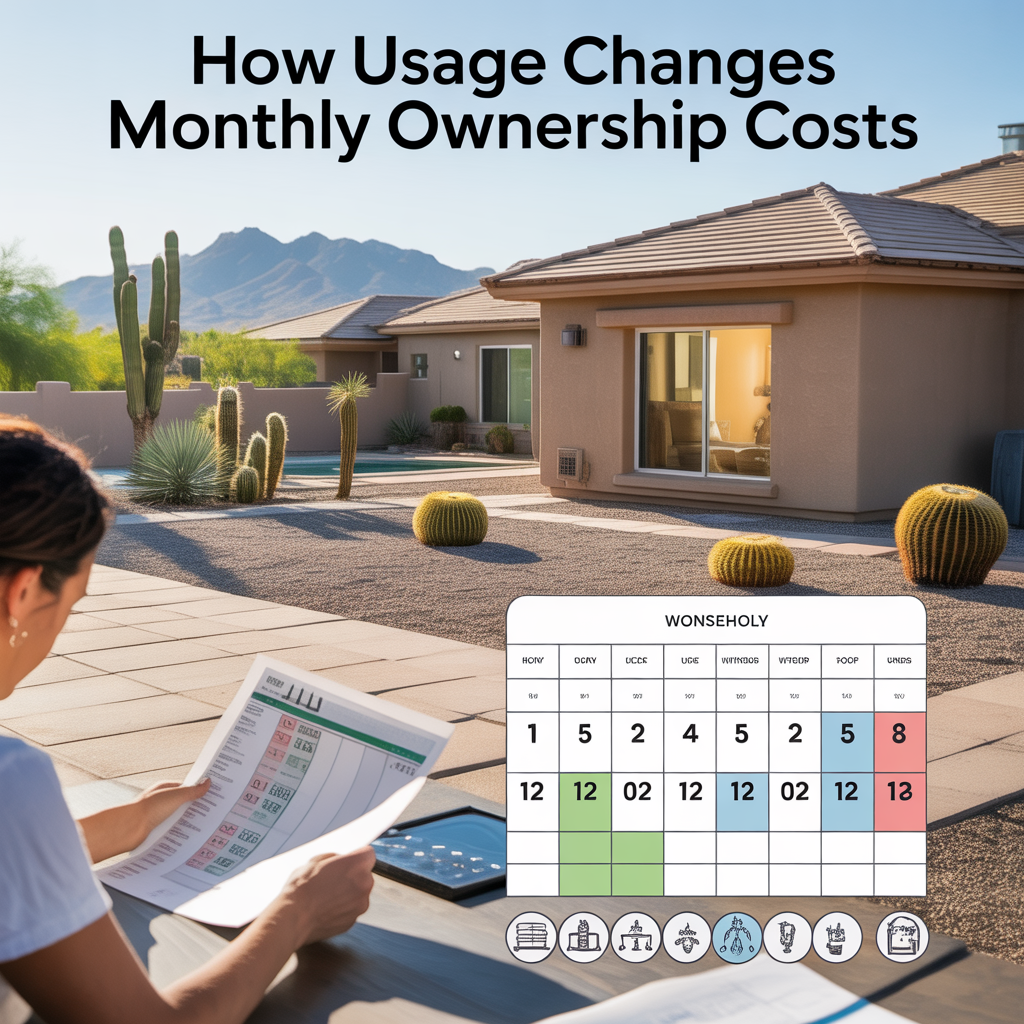
How Usage Changes Monthly Ownership Costs
-

Planning Around Utility Cost Volatility
-

Why Variable Expenses Drive Most Budget Stress
-

Fixed Costs That Aren’t Actually Fixed
-

Budgeting for the House You’ll Own in Five Years
-

Why Ownership Cash Flow Feels Tighter Over Time
-
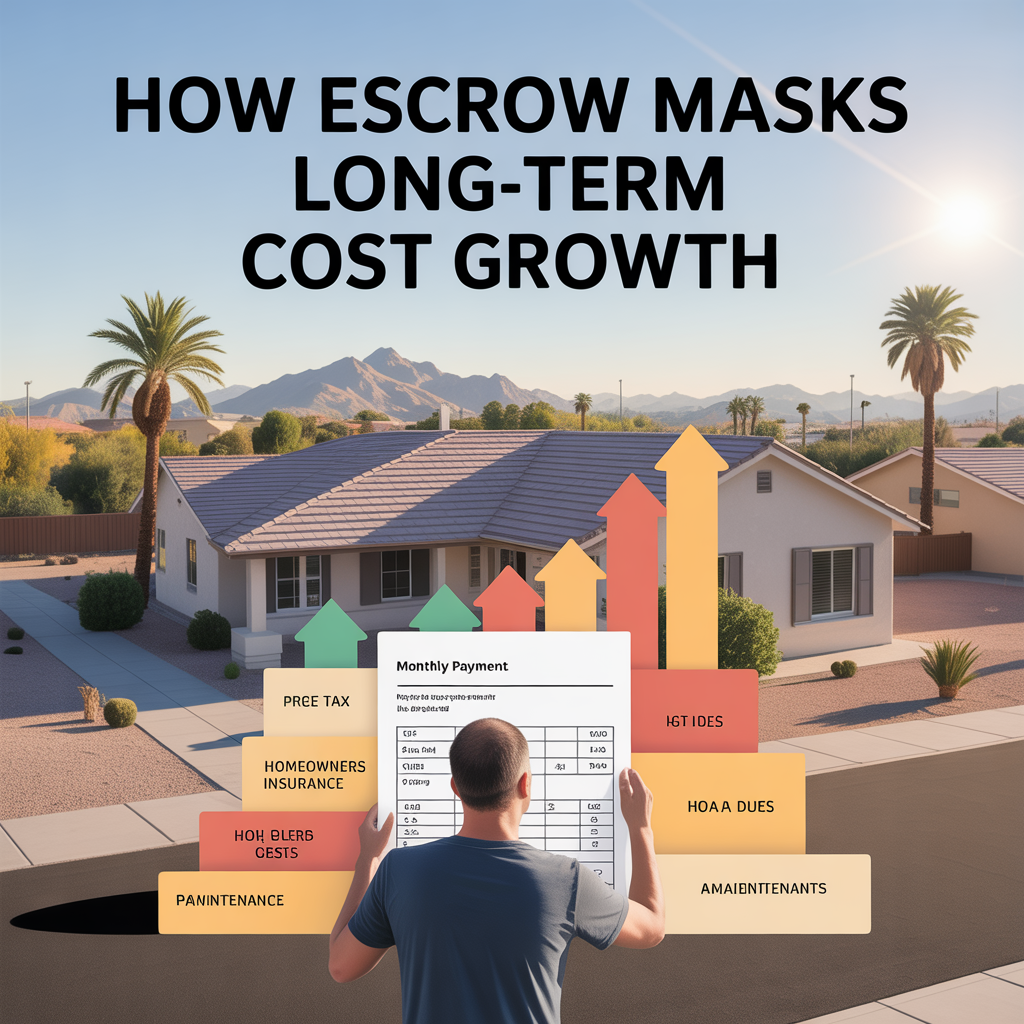
How Escrow Masks Long-Term Cost Growth
-

Why Your Mortgage Payment Isn’t Your True Housing Cost
-

Cross-Valley Trips: When They Feel Easy vs Heavy
-

Remote-Work Friendly Pockets in Glendale
-

School-Run Congestion Zones and Timing
-

Arterial Routing and “Daily Loop” Efficiency
-

State Farm Stadium and it’s Effect on Life and Property Value
-

Freeway Access as a Lifestyle Multiplier in Glendale
-

Event-Night Traffic Impacts and Avoidance Strategies
-

Weekday Commute Direction Tradeoffs From Glendale
-

Season Shifts in Outdoor Time in Glendale
-

Shade, Tree Cover, and Neighborhood Comfort
-

Dog and Kid Friendly Outdoor Routines
-

Trail Access That Feels Routine-Friendly
-

Sports Parks and Family Recreation Patterns
-

Map Proximity vs Summer Usability in Glendale
-

Daily-Use Parks vs Weekend Outdoor Trips
-

Top 10 “Date Night Out” Spots in Glendale