



This guide is part of our Current Real Estate Market Insights → [Current Real Estate Market Insights]
Written by: Renee Burke
I’ve had this conversation so many times lately — over breakfast at Snooze in the Biltmore or a quick call with a seller in Gilbert — and it always comes back to the same gentle truth: in a balanced Phoenix market like ours right now, pricing isn’t just a number. It’s your very best storyteller.
When the Valley hums with steady inventory and thoughtful buyers, the way you price speaks volumes before a single showing. It whispers confidence to families eyeing Chandler schools or reassures investors scanning Queen Creek lots. Let’s unpack why that matters now more than ever, and how it shapes outcomes in our unique desert market.
What a Balanced Market Really Means Here
Right now, Phoenix sits comfortably balanced — around 3.5 months of inventory, days on market in the mid-30s, neither side rushing the other. Buyers browse Freestone Park homes without frenzy; sellers in Ahwatukee enjoy showings without chaos. It’s the sweet spot where our endless sunshine and job growth keep demand humming, but options abound.
In seller’s frenzies of years past, homes flew at any price. Now, precision rules. Buyers — tech transplants to Intel, families chasing Basis charters — compare comps on their phones while sipping coffee at Cartel. One misstep in pricing, and your story stalls.
That’s why strategy shines: it turns data into decisions tailored to our neighborhoods, from Scottsdale’s guarded enclaves to Mesa’s value plays.
The Perils of Overpricing in Equilibrium
Overprice by even 3-5%, and your listing lingers. In balanced times, Phoenix buyers walk — they’ve got backups in Arcadia or Peoria. A home in Gilbert’s master-planned gems might sit 50 days instead of 20, inviting lowball offers or “let’s see what happens” feedback.
I’ve walked sellers through this heartache. That custom remodel near South Mountain? Priced aspirationally, it gathers dust while neighbors close quickly. Buyers sense hesitation, question value — is the pool worth it for July heat? Perception shifts fast.
Worse, extended time erodes equity. Price reductions signal weakness, often chasing the market down. In our data-driven Valley, Zillow flags them instantly, cooling interest further.
Why Strategic Undercutting Wins Big
Here’s the reassuring flip: price smartly — at or just under comps — and momentum builds. Multiple offers emerge, even now. In North Central’s mid-centuries or Gilbert’s Farms, a calibrated list sparks bidding from relocators valuing citrus yards and A-rated schools.
This isn’t gimmicky; it’s psychology meets math. Buyers feel the “deal,” waive contingencies, push past list. Sellers net more — often 2-4% above — with less hassle. I’ve seen it in DC Ranch: a $1.2M launch draws six offers, closing at $1.28M in days.
Phoenix rewards this because our lifestyle pulls emotionally. Stage that backyard for sunset saguaros, price for today’s buyer, and watch the Valley magic.
Neighborhood Nuances Demand Local Pricing Eyes
Phoenix never prices uniformly. Scottsdale’s luxury tiers — Silverleaf, Troon — hold premium tags; buyers prioritize McDowell views over pennies. Median DOM under 25 days here, even balanced.
Contrast East Valley edges like Queen Creek: new builds compete fiercely, so aggressive pricing (98% of comps) seals deals amid builder incentives. West Valley growth — Buckeye to Surprise — favors value hunters; overprice, and they pivot to Goodyear’s amenities.
Core spots like Roosevelt Row lofts? Hip urbanites negotiate on HOA quirks, so highlight walkability to First Fridays, price for quick flips. Local insight turns these subtleties into strategy.
Presentation Amplifies Pricing Power
Pricing pairs with polish. In balanced markets, first impressions decide. Fresh staging evokes Gilbert barbecues or Ahwatukee hikes; pro photos catch golden hour on pools.
I guide sellers: declutter like company’s coming, emphasize energy savers for our bills, scent with palo verde blooms. A $10K prep investment on a $600K home? Pays via faster close, higher net.
Undercut wisely, present impeccably — your listing doesn’t just sell; it inspires.
Timing Layers Onto Every Strategy
Our seasons tune pricing. List mid-February like now — wildflowers budding, spring training buzzing at Sloan Park — and buyers stir. Slight underpricing shines.
Summer? Patience rules; price conservatively for snowbirds or investors. Align with Chandler Unified calendars or TSMC hiring waves, and strategy sings.
Rates play in, too. Mid-6% loans sharpen pencils; buyers hunt value, rewarding precise lists.
Data Tools Every Seller Should Know
Comps aren’t guesses — they’re gospel. I pull MLS heatmaps: recent sales in your tract, PSF trends, adjustment for upgrades. Tools like RPR or Altos show micro-shifts — Gilbert up 1.2% quarterly, Buckeye flatlining.
Adjust for intangibles: no HOA in Peoria? Plus $20K. Near light rail extension? Boost 5%. Skip this, and pricing falters.
Sellers fear leaving money; truth is, wrong price leaves more.
Seller Psychology: Confidence Over Chase
Extended listings stir doubt — “Are we undesirable?” No. It’s mismatch. Balanced markets test patience, but strategic pricing builds it.
I remind: reductions work (2-3% max, Fridays), but prevention trumps cure. Pre-list audits catch overreach. Net sheets project outcomes — knowledge calms.
Buyers mirror: priced right, they commit. Off? They ghost.
Blending Lifestyle Into Lasting Value
Phoenix pricing weaves life’s fabric. That Chandler ranch isn’t walls — it’s Freestone nights, top schools, 101 commutes. Price for families envisioning it, not spreadsheets.
Investors eye cap rates near ASU; downsizers crave low-maintenance Arcadia. Strategy honors both, connecting price to purpose.
Positioning for Long-Term Wins
Balanced markets birth stable wealth. Smart pricing now sets you up — equity preserved, moves timed right. No frenzy regrets, no chase.
It’s why I love this shift: thoughtful, sustainable, true to our Valley rhythm.
If you’re pricing to list in Paradise Valley or gauging value in Verrado, let’s refine it together. You don’t have to navigate these nuances alone — I’m here as your trusted guide, turning numbers into the confident next chapter you deserve.
Get the full Phoenix Market Insights → [Market Insights]


-

Pool Liability and Insurance in Phoenix
-

Protecting Outdoor Structures and Shade Systems
-

HVAC Failures and Insurance Coverage
-

Roof Maintenance for Phoenix Climate Conditions
-

Preventing Water Damage in Desert Landscapes
-

How Monsoon Storms Affect Phoenix Homes
-

Why Policy Structure Matters More Than Premium
-

Understanding Coverage Limits and Exclusions
-

What Personal Property Coverage Actually Includes
-

How Liability Coverage Protects Homeowners
-

Replacement Cost vs Market Value in Phoenix Insurance
-

Understanding Deductibles Before You Need Them
-

How Renovations Affect Insurance Coverage
-

When to Review Your Home Insurance Policy
-

Why Replacement Cost Matters in Phoenix Insurance Policies
-

When a House Truly Starts to Feel Like Home
-

How Phoenix Neighborhood Living Builds a Sense of Belonging
-

Why Stability Plays a Major Role in Long-Term Home Satisfaction
-

How Familiarity Changes the Experience of Living in a Home
-

Renovate or Move? Deciding What to Do When Your Phoenix Home No Longer Fits
-

How Lifestyle Changes Affect Space Needs in Phoenix Homes
-
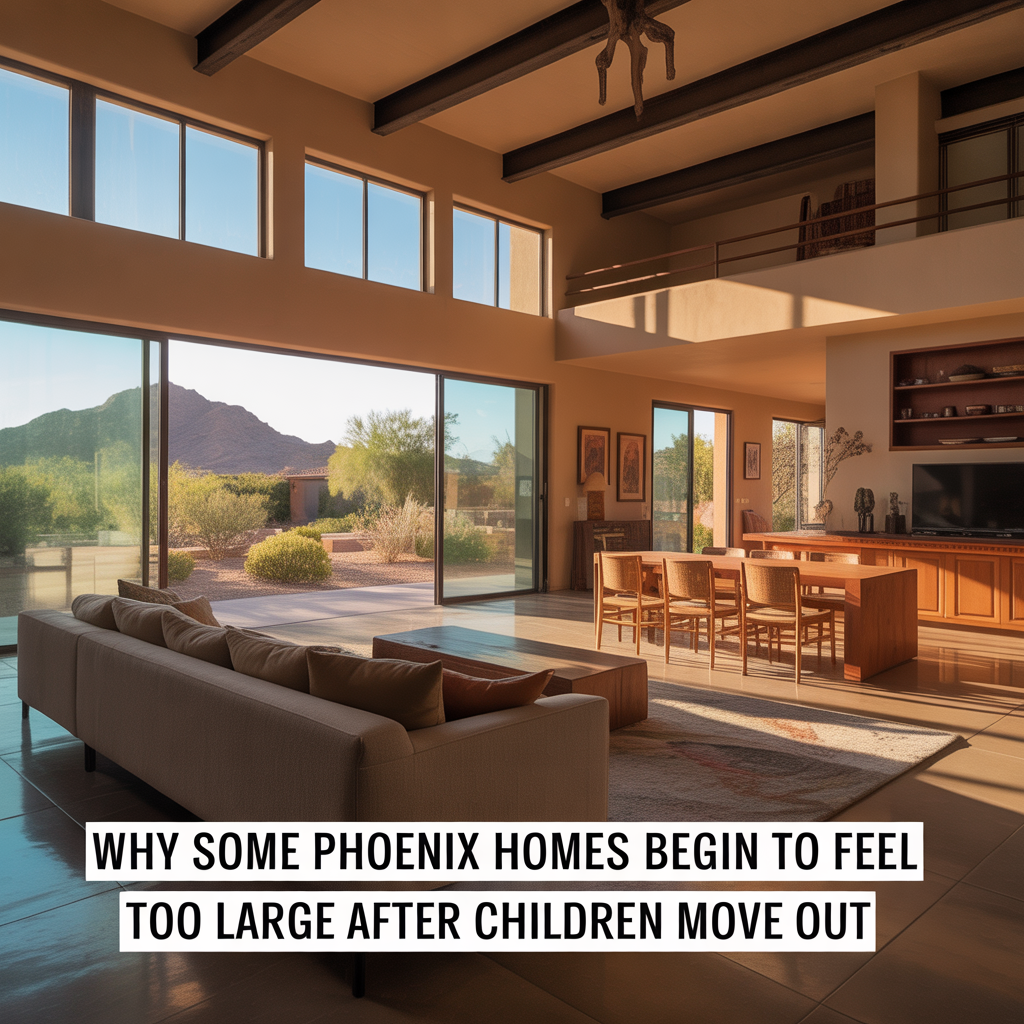
Why Some Phoenix Homes Begin to Feel Too Large After Children Move Out
-

When Homeowners Begin Considering Moving to a Larger Phoenix Home
-

Signs Your Phoenix Home Is Starting to Feel Too Small for Your Family
-

How Desert Landscaping Evolves Over Years of Phoenix Homeownership