


This guide is part of our Phoenix Luxury Guide → [Phoenix Luxury Guide] & for information on selling visit Phoenix Home Buying Process→ [Phoenix Home Buying Process]
Written by: Renee Burke
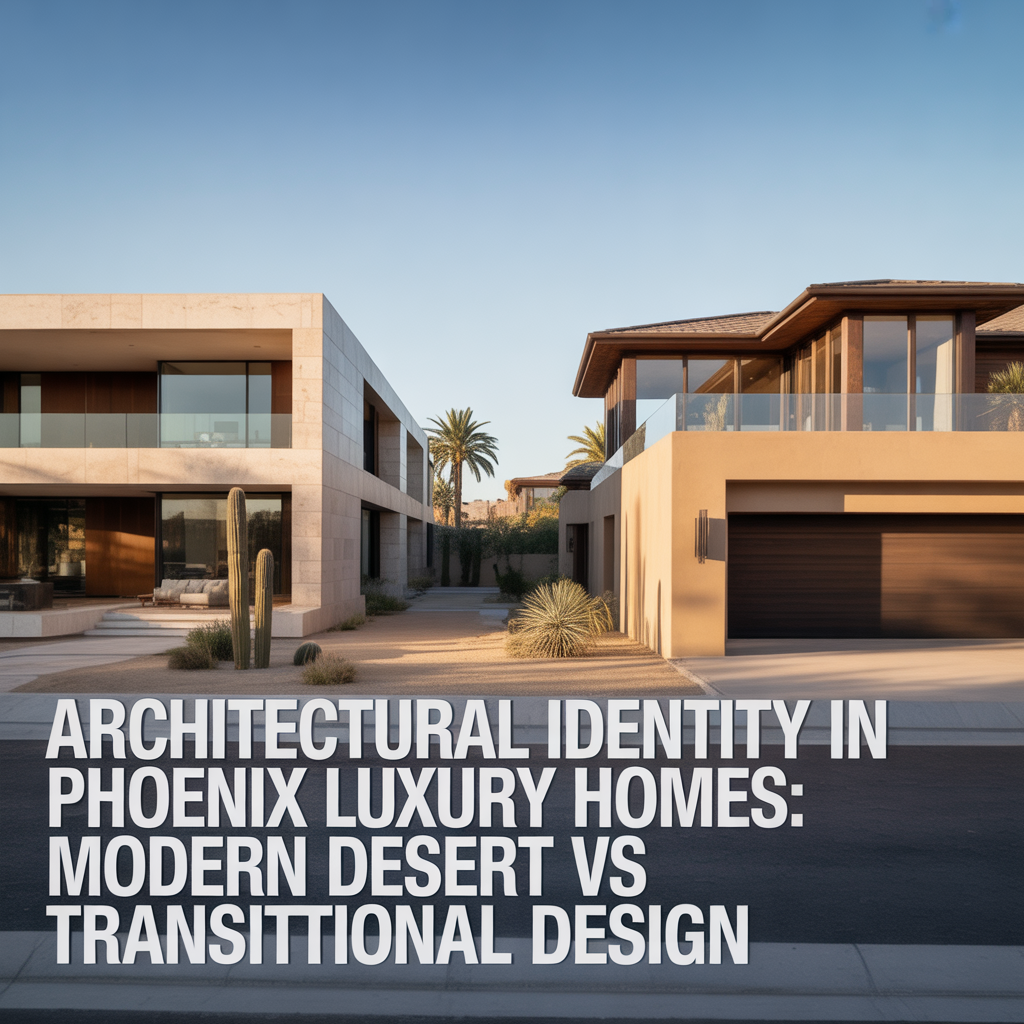
Phoenix luxury homes speak through their architecture—a language shaped by the Sonoran Desert’s unyielding light, rugged contours, and relentless heat. Two styles dominate the high-end conversation: Modern Desert, with its bold minimalism and raw material honesty, and Transitional Design, which softens contemporary edges with organic warmth. Both honor Arizona’s landscape but invite different ways of living, drawing buyers who want their home to reflect not just taste, but temperament.
I’ve walked families through estates in Silverleaf and Paradise Valley where these styles compete for attention. One couple might crave the stark poetry of a cantilevered glass wall; another, the comforting embrace of a stucco archway. It’s never about trends—it’s about how the walls feel at sunrise.
Modern Desert: Raw Poetry of the Sonoran
Modern Desert design strips away excess to reveal the desert’s essence. Think flat roofs echoing nearby mesas, walls of rammed earth or board-formed concrete blending into saguaro shadows, and vast glass expanses framing Camelback or the McDowells like living art. Pioneers like Wendell Burnette and C.P. Drewett Works define this ethos—structures that don’t impose but emerge from the earth, using oxidized steel, native stone, and pivoting screens to choreograph light and breeze.
These homes thrive on drama: a sculptural staircase floating in an atrium, infinity pools dissolving into horizons, wellness pods with cold plunges tucked under overhangs. Interiors favor neutral palettes punched with desert rusts—terracotta accents, teak grains—creating serene backdrops for art collections or quiet reflection. Sustainability weaves in naturally: solar arrays, passive shading, reclaimed water systems that make 110-degree summers feel like a privilege.
Buyers drawn here often share a quiet confidence. They’re innovators, remote execs, or creatives who see their home as a statement. In places like Silver Sky or DC Ranch’s custom lots, Modern Desert commands $8-20 million, prized for its timeless edge. The hesitation? Some worry it feels too stark for family gatherings. Yet those massive pivots open to courtyards, turning solitude into seamless hospitality.
Transitional Design: Warm Bridge to Tradition
Transitional style bridges modern clean lines with Southwestern soul, offering comfort without nostalgia. Picture Pietra gray stone bases flowing into smooth stucco, gabled roofs softened by clean eaves, and generous courtyards blending steel-framed glass with reclaimed wood beams. It’s desert contemporary with a hug—think Cosan Studio or Fratantoni estates where black-trimmed windows pop against creamy walls, and fire features nestle into ramadas.
Material magic defines it: travertine floors warmed by radiant heat, white oak cabinetry beside leathered granite, linen drapes filtering golden-hour glow. Kitchens boast dual islands with fluted fronts; primaries expand into spa-like retreats with morning bars overlooking private gardens. Outdoor rooms shine—loggias with misting fans, sports courts shaded by ironwood pergolas—making year-round alfresco living intuitive.
This appeals to families and entertainers who want polish without severity. In Gainey Ranch or Tatum Canyon infills, prices hover $5-12 million, with strong resale as “timeless transitional” lures broad tastes. Concerns like “too safe” miss the point: it’s versatile evolution, aging gracefully as desert patina adds character.
Side-by-Side: Key Distinctions for Buyers
High-end buyers weigh these styles against daily life. Here’s how they compare:
Modern Desert suits the visionary; Transitional, the connector. Both excel in heat—thick walls, orientation mastery—but Modern pushes sustainability harder.
Living the Styles: Daily Desert Harmony
In a Modern Desert perch above Mummy Mountain, mornings unfold with coffee amid perforated screens casting saguaro lace on concrete floors. Evenings mean stargazing from a fire pit that mirrors the horizon’s glow. Paradise Valley examples like Strata or Viewshed estates turn routines into rituals.
Transitional homes in Ancala or Finisterre hum with warmth: kids splashing in shaded pools, dinners under beam ceilings where laughter bounces off soft walls. Both styles foster wellness—natural light flooding yoga spaces, views that quiet the mind—but Transitional feels cozier for gatherings.
Socially, owners bond over architect tours or design salons at Sanctuary Camelback. Neighborhoods like Silverleaf host both, letting you glimpse the spectrum driveway by driveway.
Market Realities and Buyer Mindsets
Modern Desert listings move to out-of-state visionaries, holding premiums for rarity. Transitional dominates volume, buoyed by families trading coasts for space. Inventory favors custom infills; off-market rebuilds abound for hybrids blending both.
Fears surface: Modern “too hot to touch”; Transitional “dated quickly.” Truth? Execution matters—hire locals versed in Valley microclimates. Values appreciate steadily, wellness integration boosting appeal amid remote-work permanence.
Choosing Your Desert Voice
It starts with mornings: Do you crave stark inspiration or gentle embrace? I guide site walks at pivot points—dawn for light play, dusk for mood—matching style to your story, connecting visionary builders.
If you’re thinking about making a move in Phoenix, you don’t have to figure it out alone. Architectural identity shapes your days here, and I’m here as your intimate guide—unpacking nuances, previewing possibilities. Reach out when ready; let’s discover the design that whispers home.
Get the full Phoenix Market Insights → [Market Insights]


-
Shade Coverage and Tree Canopy Differences by Corridor
-

Summer Walkability Reality Near ASU and Mill Avenue
-

Choosing Proximity Based on Personality and Routine
-
How Tempe Town Lake Changes Social Routines
-
Family-Friendly Lake Events vs Adult Nightlife Patterns
-

Parking Structures and Rideshare Realities on Peak Nights
-
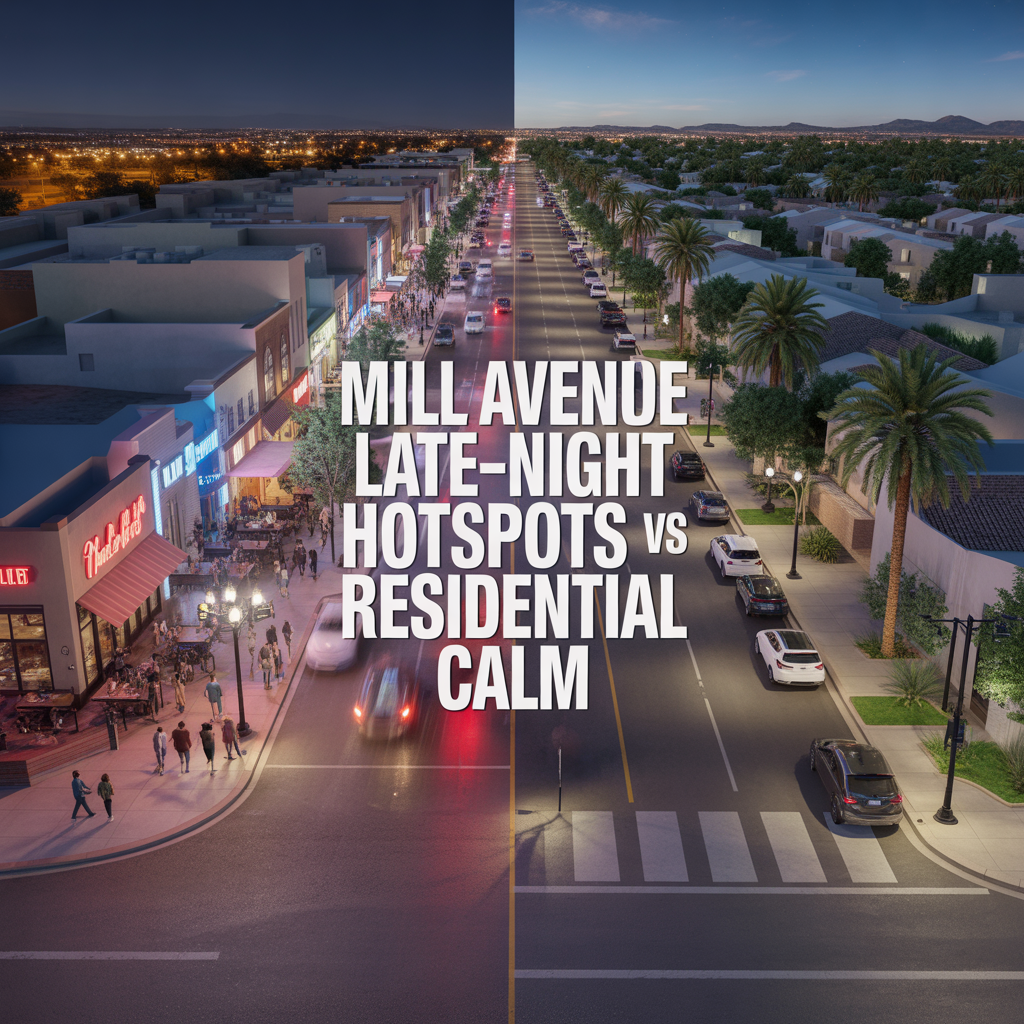
Mill Avenue Late-Night Hotspots vs Residential Calm
-

ASU Game Days and Event Calendar Impacts
-
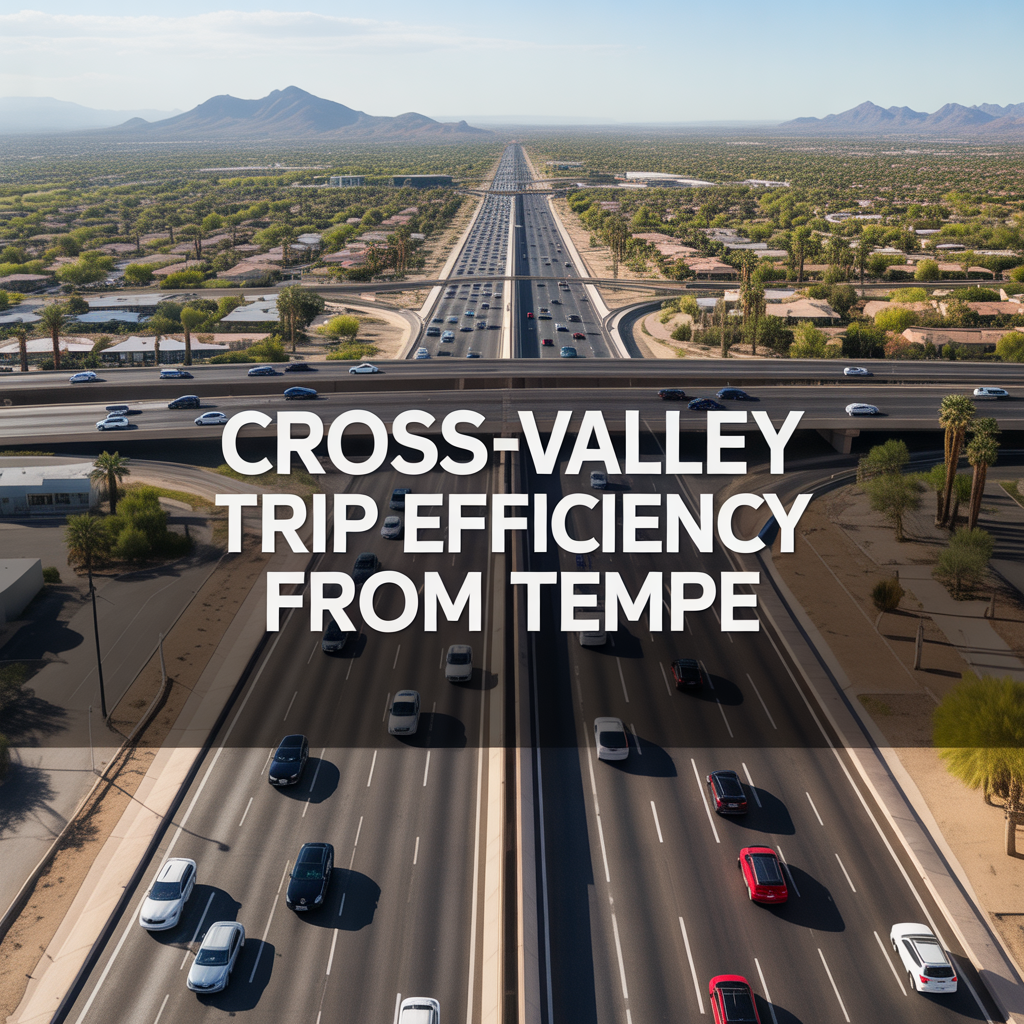
Cross-Valley Trip Efficiency From Tempe
-
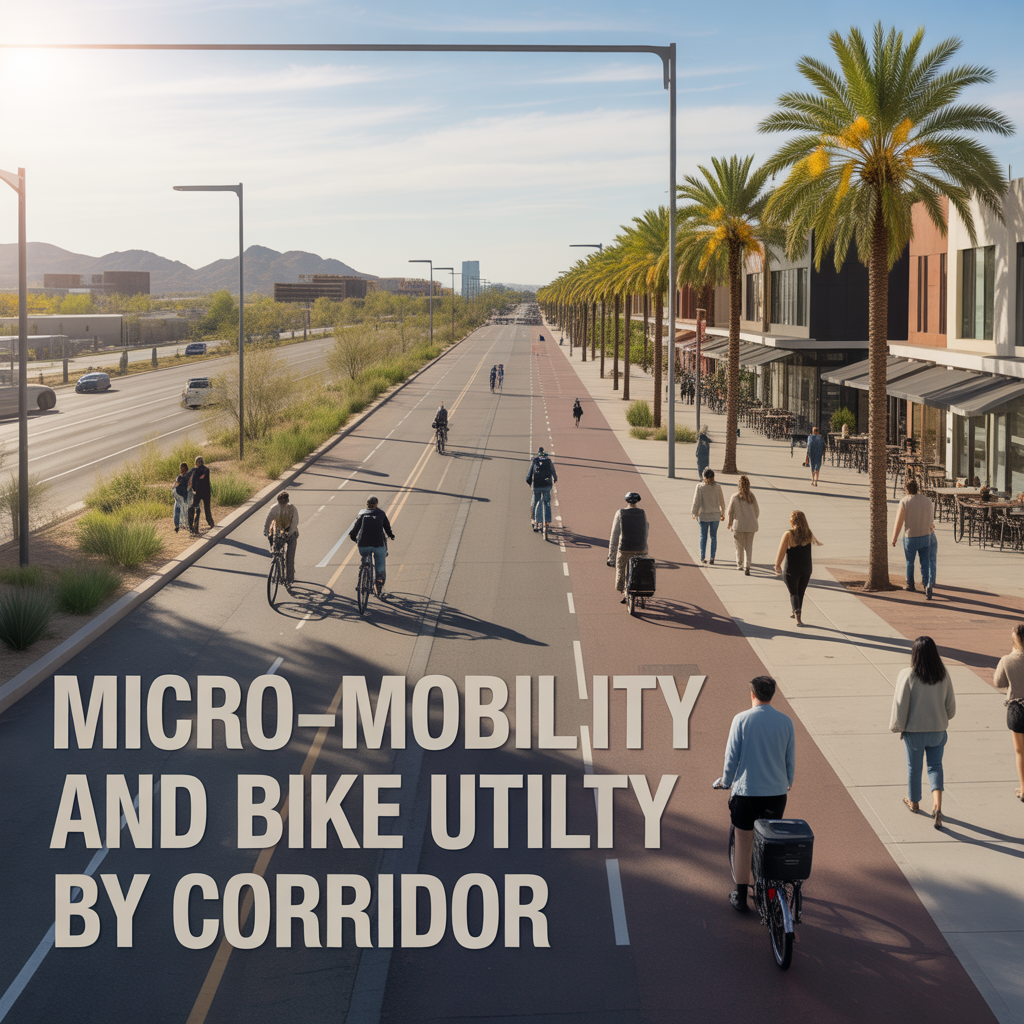
Micro-Mobility and Bike Utility by Corridor
-

Park-And-Ride, Game Day, and Event Access Patterns
-

Airport Timing Strategy Around ASU and Rush Hour Traffic
-

Light Rail Use Cases That Actually Improve Daily Life
-

Freeway vs Arterial Routing During Peak Windows
-

Real-World Drive Times to Sky Harbor From Different Tempe Pockets
-

How Traffic and Commute Direction Affect Daily Life in North vs South Tempe
-

Bike Paths, Walkability, and Short-Distance Transportation in Tempe
-

Driving Access From Tempe to Phoenix Sky Harbor Airport
-

Light Rail Access Between Tempe, Downtown Phoenix, and Mesa
-
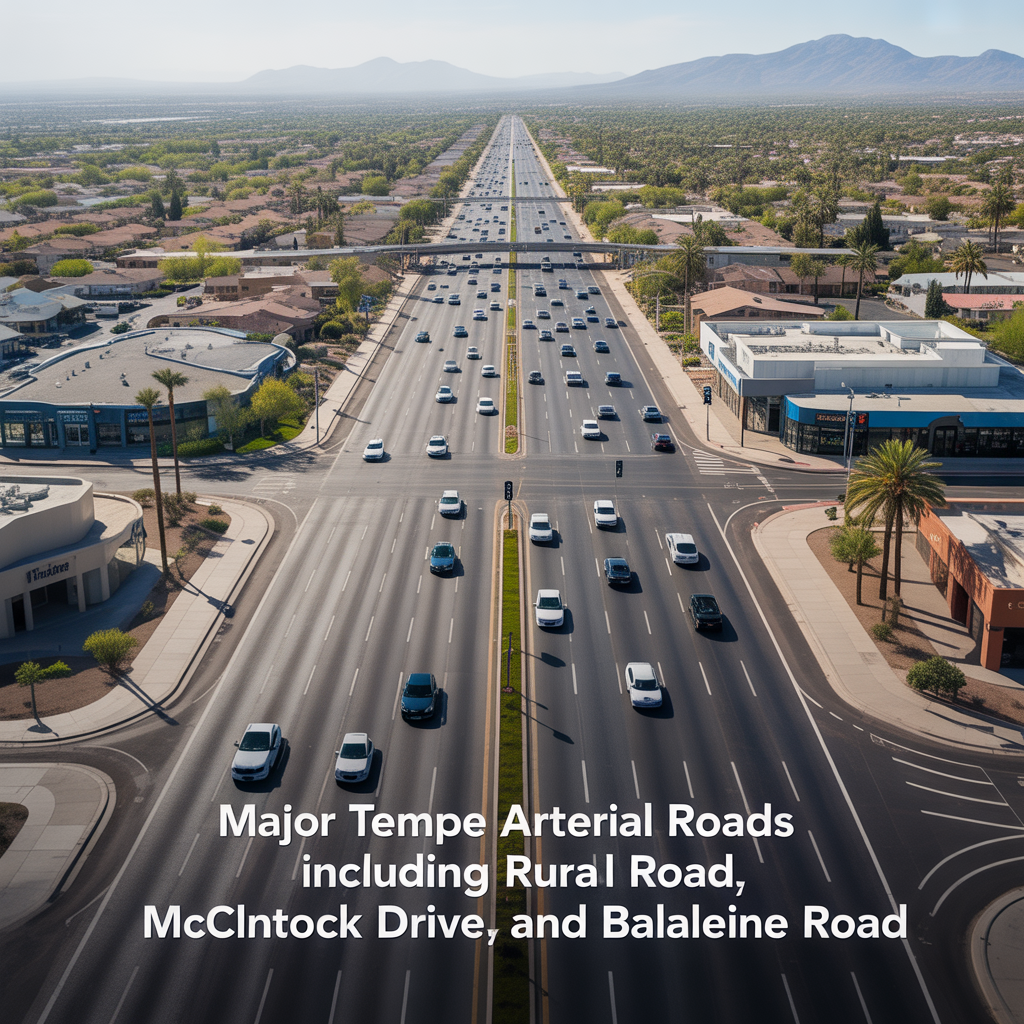
Major Tempe Arterial Roads Including Rural Road, McClintock Drive, and Baseline Road
-
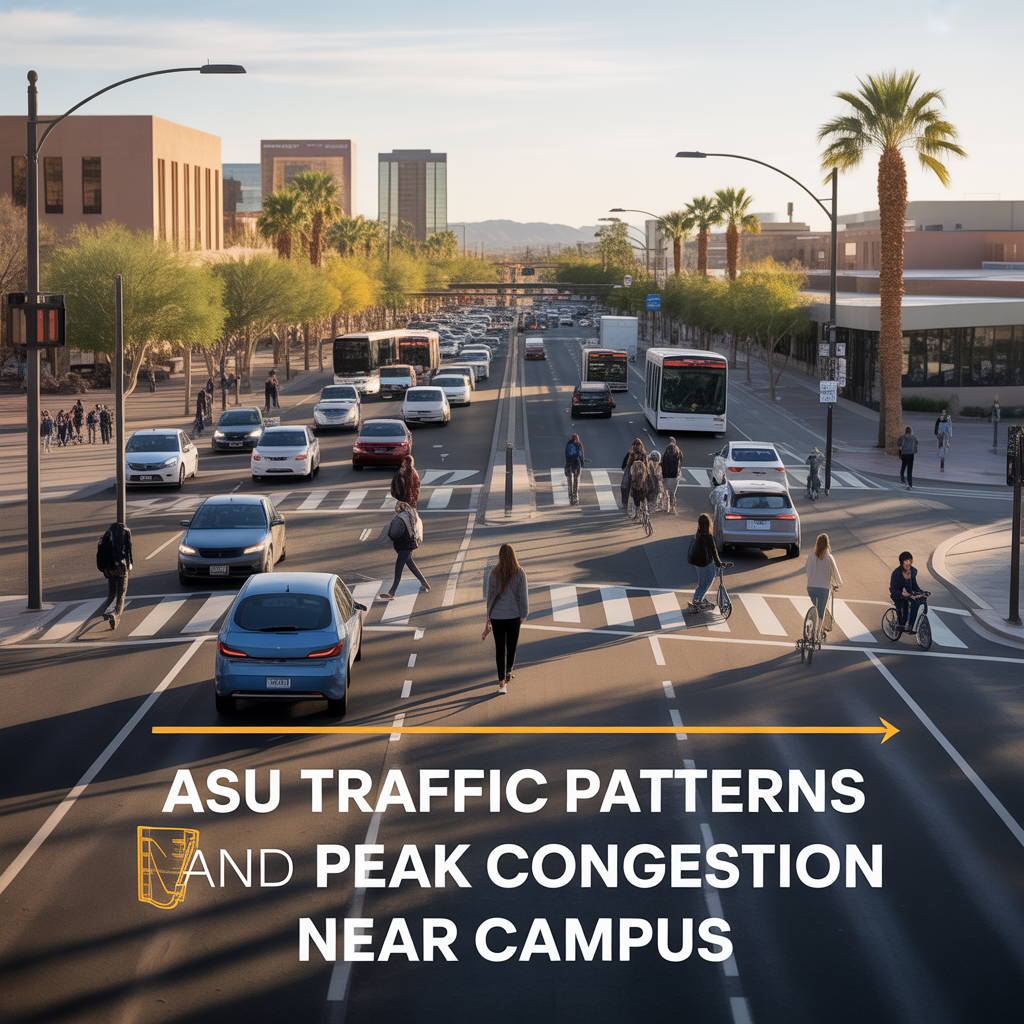
ASU Traffic Patterns and Peak Congestion Near Campus
-

Typical Commute Times From Tempe to Phoenix, Scottsdale, and Chandler
-

Tempe Freeway Access to US-60, Loop 101, and Loop 202
-
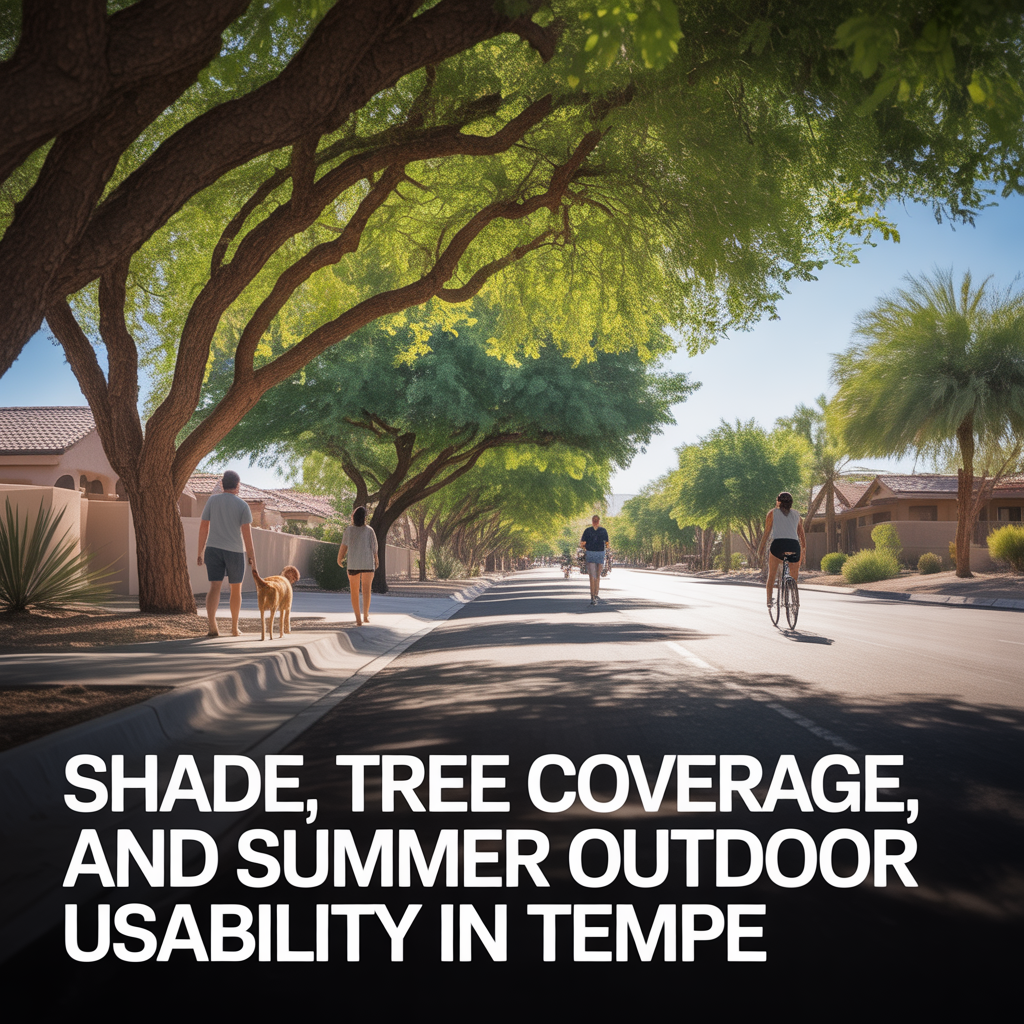
Shade, Tree Coverage, and Summer Outdoor Usability in Tempe
-

Outdoor Recreation Near Downtown Tempe and ASU