



This guide is part of our Phoenix Home Buying Process→ [Phoenix Home Buying Process] & for information on selling visit Phoenix Home Selling Process→ [Phoenix Home Selling Process]
Written by: Renee Burke
Home inspections in the Phoenix area are your safety net — a chance to uncover what our intense sun, monsoons, and desert life hide behind stucco walls and tile roofs. Yet I see first-time buyers, and even some veterans, stumble here time and again, turning a protective step into unnecessary stress or costly oversights. From my years walking families through Chandler inspections to Peoria pest checks, these are the patterns that worry me most.
You’re wise to pause and prepare. Let’s gently unpack the biggest mistakes, with Phoenix-specific realities in mind, so you can approach that 10-day due diligence period with clear eyes and steady confidence.
Skipping Specialized Valley Inspections
General home inspections cover basics, but Phoenix demands more: scorpion and termite sweeps, pool/spa checks, HVAC efficiency for 110° summers, flat roof integrity, and swamp cooler functionality. Buyers who stick to “standard” reports miss wood-destroying insects thriving in garage walls or pool plaster cracks that leak come monsoon.
How to sidestep it: Budget for add-ons during your 10-day window — $300–$600 extra ensures no surprises like a $5,000 AC compressor failure right after closing.
Not Attending the Inspection Walkthrough
Relying solely on the report means missing the inspector’s live insights: that subtle foundation settling from caliche soil shifts, or attic ventilation gaps causing summer heat buildup. In Ahwatukee’s hillside homes or Eastmark’s new builds, being there catches nuances reports can’t convey.
How to sidestep it: Clear your calendar for the 2–3 hour walkthrough. Take notes, snap photos, ask about monsoon drainage or HOA-mandated tile roofs — it empowers smarter negotiations.
Hiring Out-of-Area or Inexperienced Inspectors
National chains or Tucson-based pros overlook Valley quirks: SRP electrical loads, APS smart meter quirks, or unpermitted additions common in older Arcadia mid-centuries. They might flag “normal” wear on evaporative coolers as defects.
How to sidestep it: Choose licensed locals with 100+ Phoenix reports yearly, InterNACHI certified, and reviews from Gilbert or Glendale deals. Ask for sample reports tailored to stucco and block construction.
Ignoring Minor Issues That Add Up
Buyers fixate on roof or foundation “biggies,” overlooking deferred maintenance like peeling fascia inviting termites, outdated GFCI outlets near pools, or clogged AC drains signaling inefficiency. In our climate, these snowball: poor drainage leads to interior water stains post-rain.
How to sidestep it: Tally smalls separately — $50 outlet upgrades become $2,000 electrical panels. Prioritize safety (smoke detectors, handrails) and systems (plumbing pressure for low-flow fixtures).
Waiving or Rushing the Full 10 Days
Competitive bids tempt skipping or compressing Arizona’s generous due diligence period, missing mold behind tile from past leaks or structural cracks from expansive soils in Buckeye. Sellers’ disclosures aren’t foolproof.
How to sidestep it: Use all 10 days — schedule sequentially: general Day 3, specialists by Day 7. No-waive in hot Gilbert Unified pockets unless cash-strong.
Overreacting to a “Failed” Report
No Phoenix inspection truly “fails” — it’s advisory. Panicking over cosmetic wear (dated tile) or normal aging (15-year roof tiles) stalls deals unnecessarily, while ignoring HVAC refrigerant leaks risks $10,000 summer breakdowns.
How to sidestep it: Review with your agent: distinguish must-fix (electrical code violations) from negotiable (worn pool coping). Request seller credits for verified repairs by licensed pros.
Neglecting Seller Disclosures and HOA Docs
Disclosures might bury HOA special assessments for Gilbert community pool upgrades or South Mountain flood history. Buyers who skim miss these, facing surprise fees post-closing.
How to sidestep it: Cross-reference disclosures with inspection findings. For Verrado or DC Ranch HOAs (70% of listings), scrutinize resale packets for pending roof replacements or amenity fees.
Forgetting Post-Inspection Follow-Ups
Verbal repair promises fade; unwritten amendments leave you holding the bag for that water heater or garage door sensors.
How to sidestep it: Get seller responses in signed addendums within 3–5 days, with receipts for completed work. Re-inspect major fixes pre-closing.
Overlooking Lifestyle and Climate Fit
Inspectors flag function, not fit: no warnings on a North Phoenix home’s west-facing exposure baking afternoon sun into bedrooms, or Queen Creek lot drainage pooling during winter rains.
How to sidestep it: During walkthroughs, test daily life — AC cooling upstairs, pool pump noise, neighbor noise near 202 freeway. Visit peak heat hours.
Going Solo Without Local Guidance
Navigating reports alone misses context: what’s “normal” wear on a 20-year Peoria roof versus a deal-killer? Valley agents translate inspector lingo into negotiation power.
How to sidestep it: Loop in your Phoenix pro immediately — they’ve seen hundreds, spotting value plays like seller credits covering monsoon prep.
These missteps don’t doom deals; they just make them harder. I’ve steadied clients through every one, turning thick reports into confident closings and homes ready for Valley living — foothill hikes, backyard oasis nights, school-run ease.
If you’re thinking about making a move in Phoenix, you don’t have to figure it out alone. I’ve guided dozens through inspections that protect their dreams, and I’m here to do the same for you — calmly, thoroughly, every step. Reach out with questions; as your longtime Valley advisor, let’s make your buy worry-free. Connect today.
Get the full Phoenix Market Insights → [Market Insights]


-
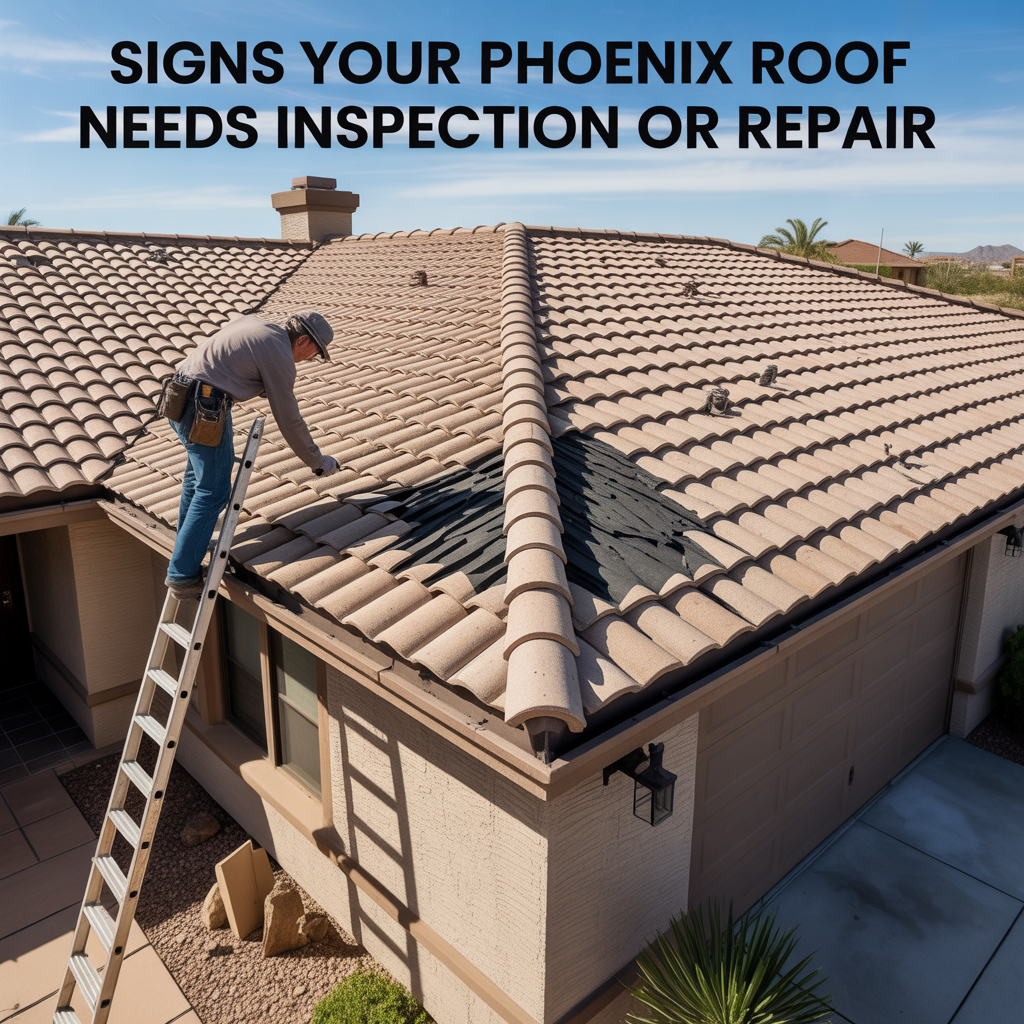
Signs Your Phoenix Roof Needs Inspection or Repair
-

How Long Tile Roofs and Roof Underlayment Last in Phoenix
-

How Smart Thermostats Improve Cooling Efficiency in Arizona Homes
-

Why AC Systems Struggle During Extreme Phoenix Heat Waves
-
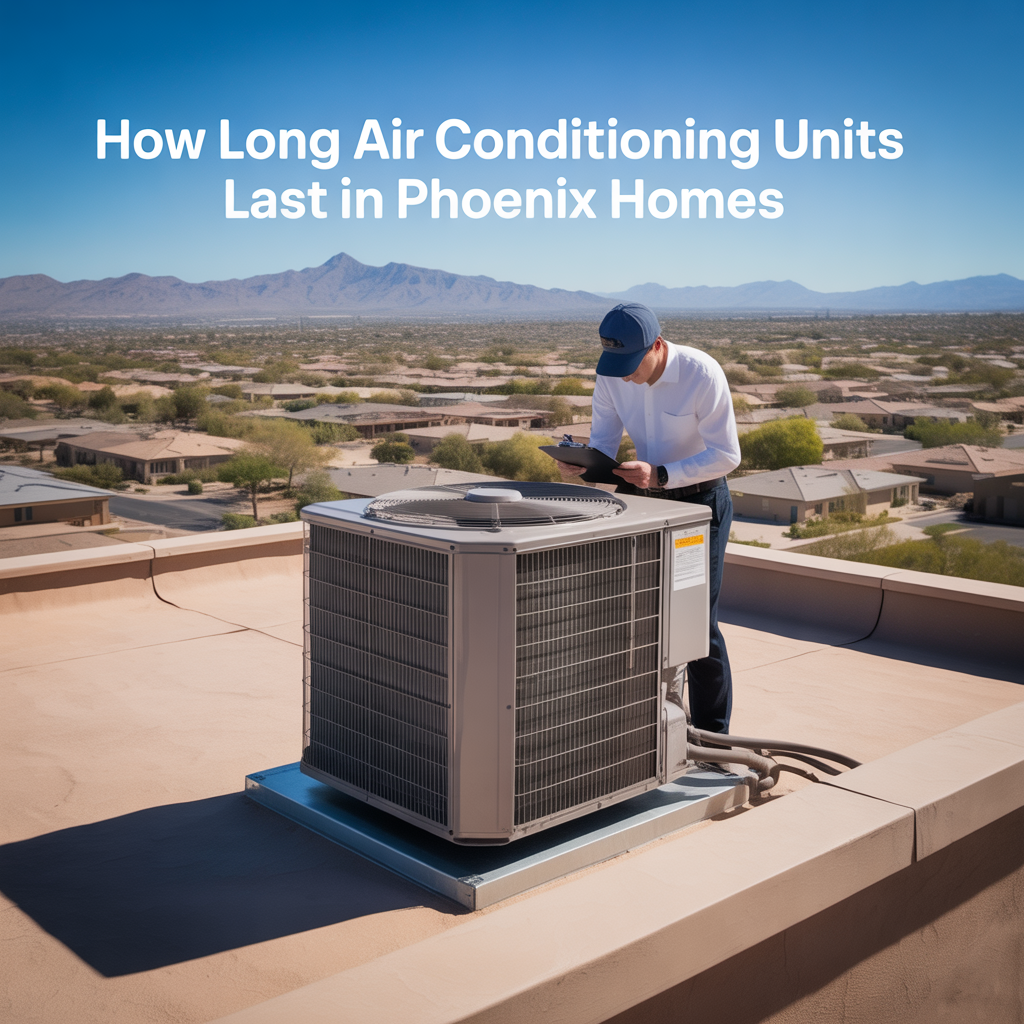
How Long Air Conditioning Units Last in Phoenix Homes
-

Warning Signs Your Air Conditioner Is About to Fail
-

How Often Phoenix AC Systems Need Maintenance
-
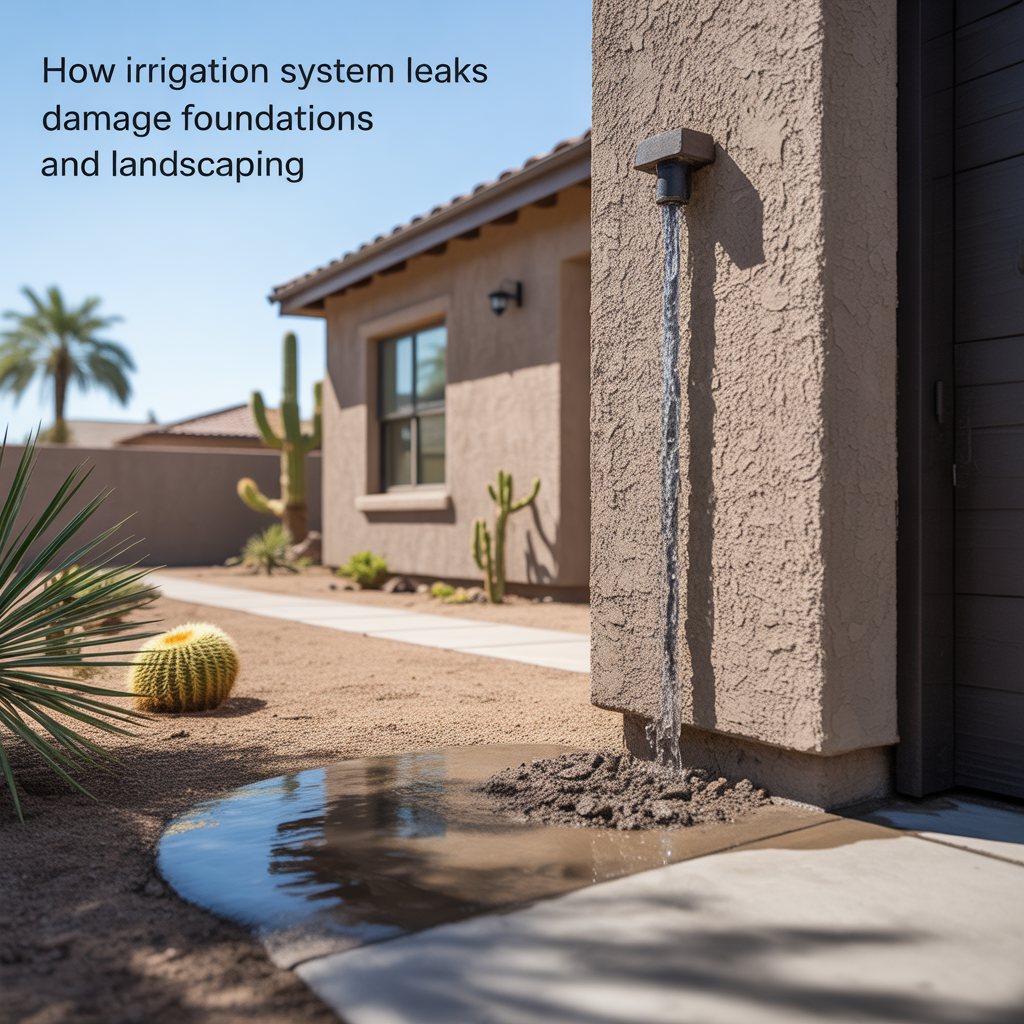
How Irrigation System Leaks Damage Foundations and Landscaping
-

Preventing Roof Damage Before Arizona Monsoon Storms
-

Why AC Tune-Ups Are Critical for Phoenix Homes
-

What Homeowners Should Inspect Before Phoenix Summer Heat Arrives
-
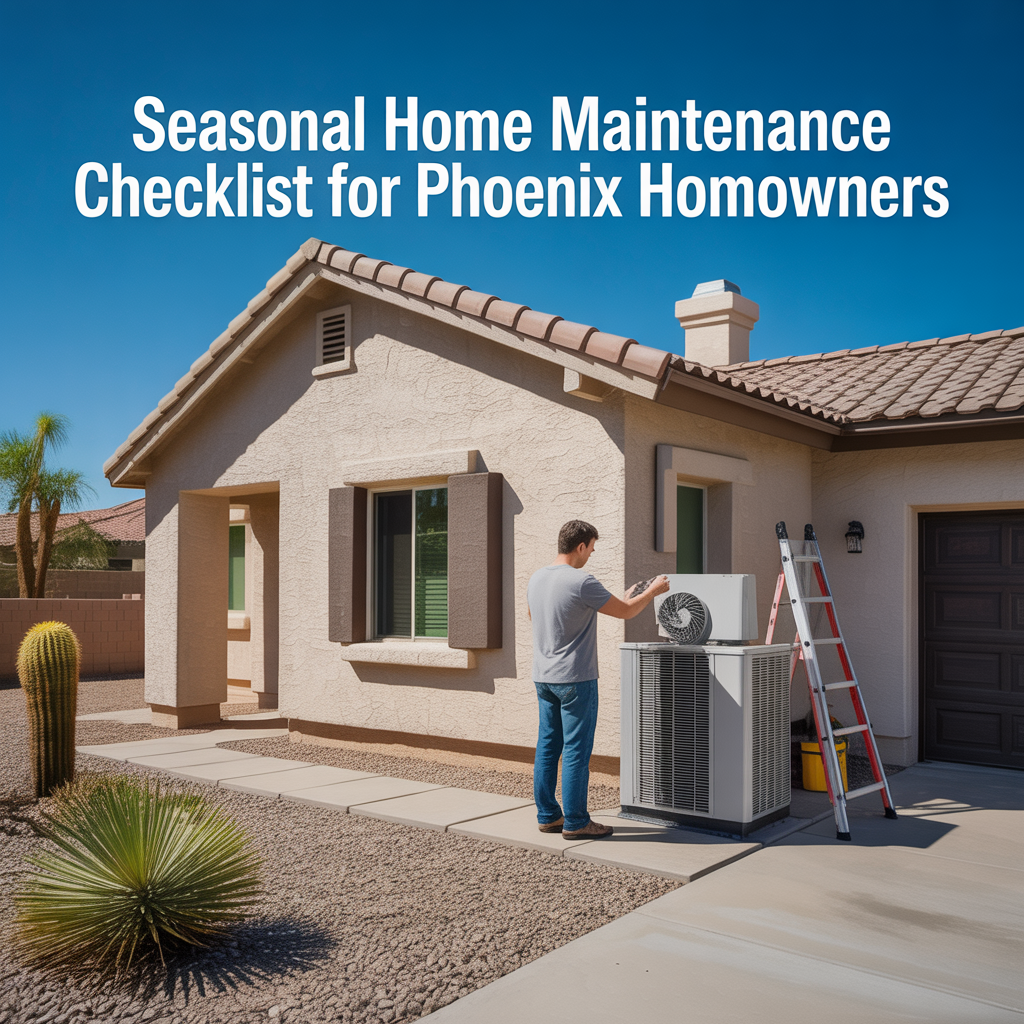
Seasonal Home Maintenance Checklist for Phoenix Homeowners
-
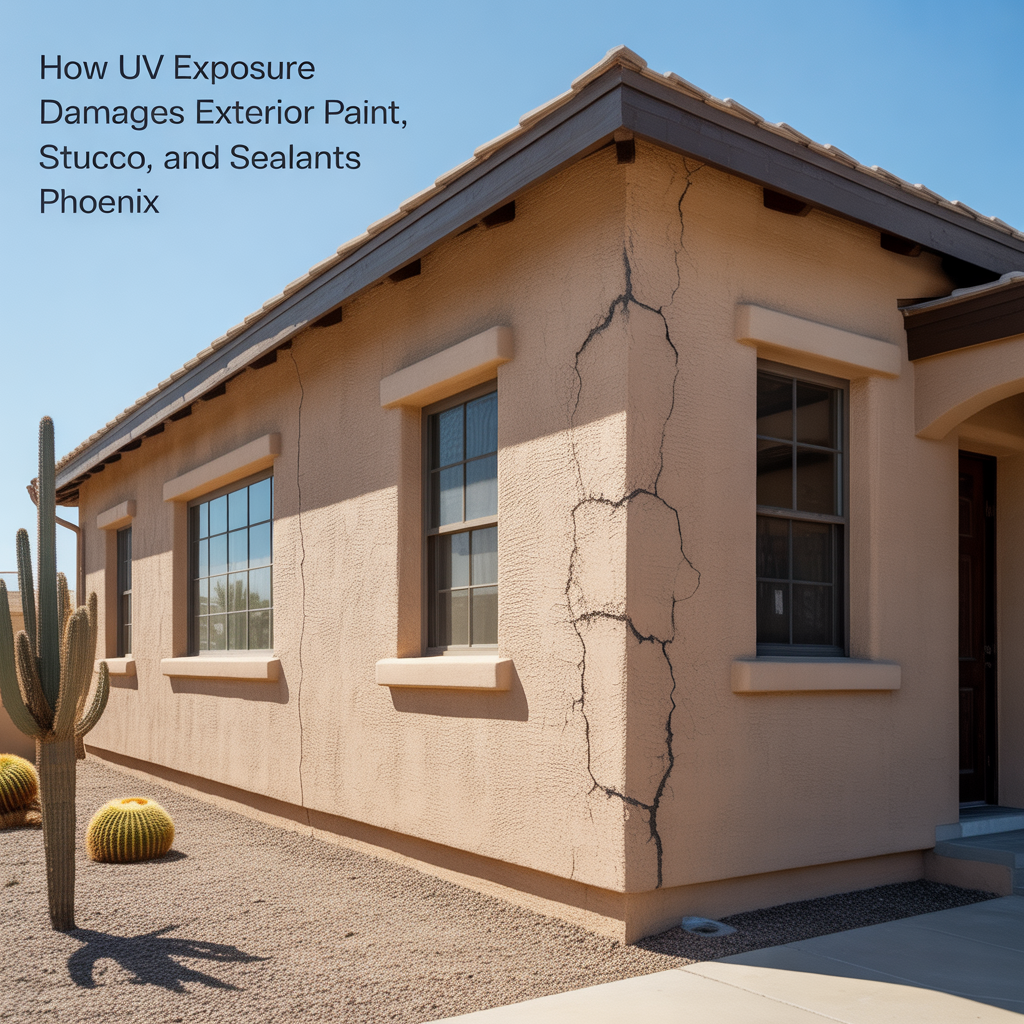
How UV Exposure Damages Exterior Paint, Stucco, and Sealants
-

How Extreme Heat Shortens the Lifespan of Home Systems
-

Why Phoenix Roofs Wear Out Faster Than Many Other Cities
-
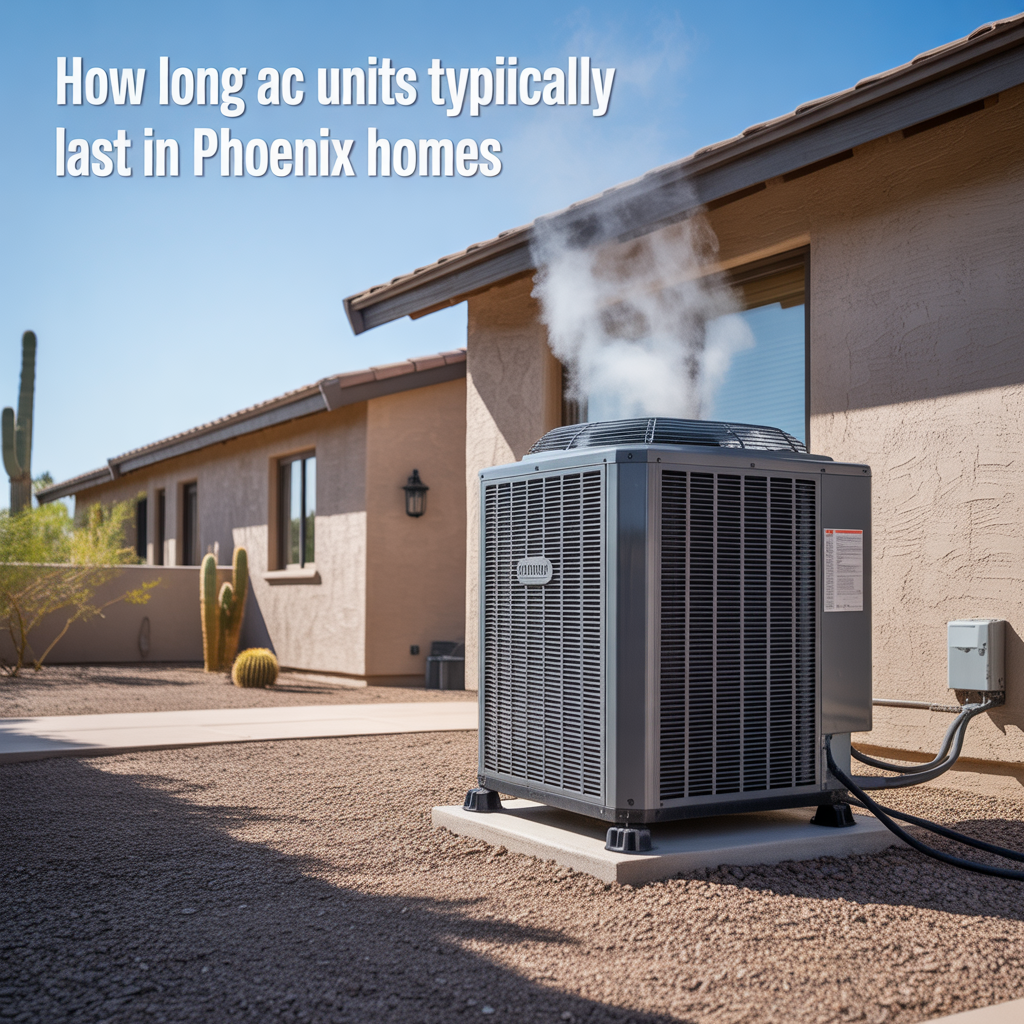
How Long AC Units Typically Last in Phoenix Homes
-

Building a Long-Term Protection Strategy
-
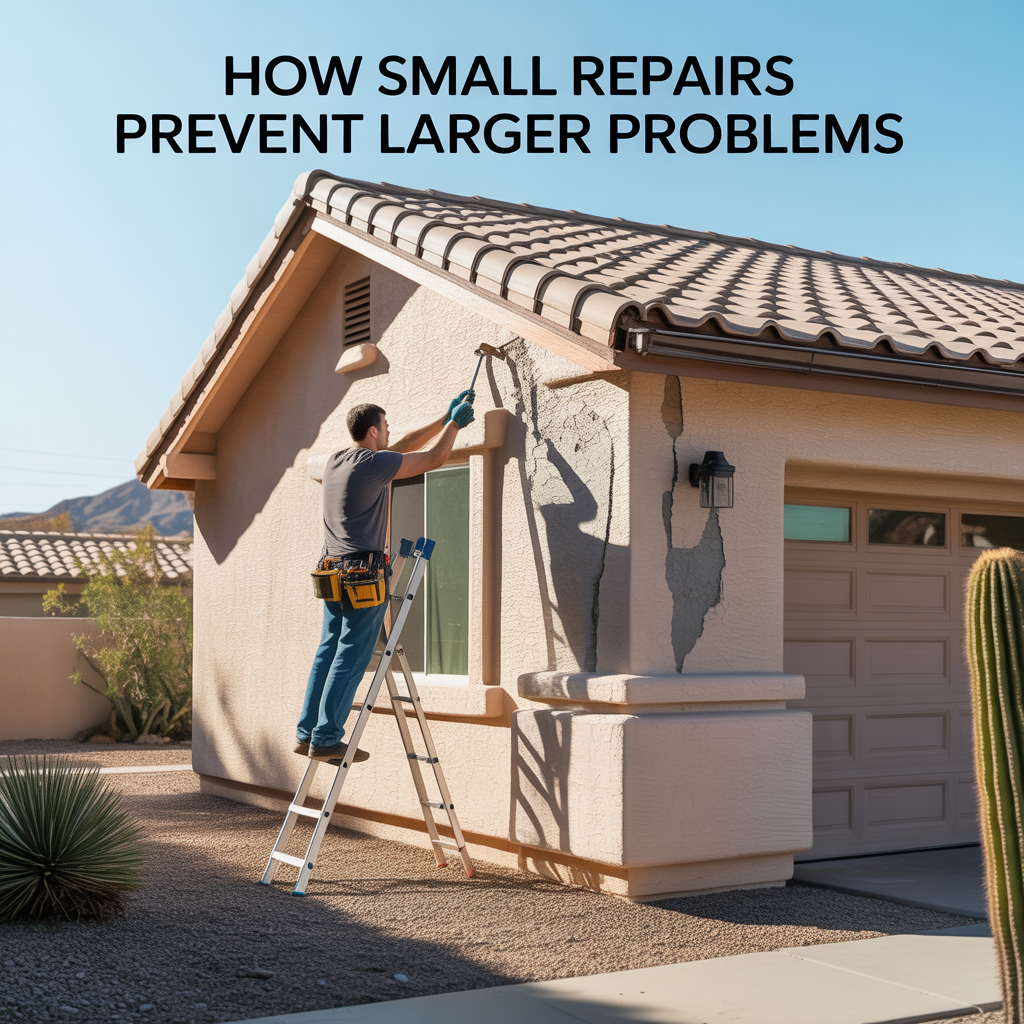
How Small Repairs Prevent Larger Problems
-

Protecting Older Phoenix Homes
-
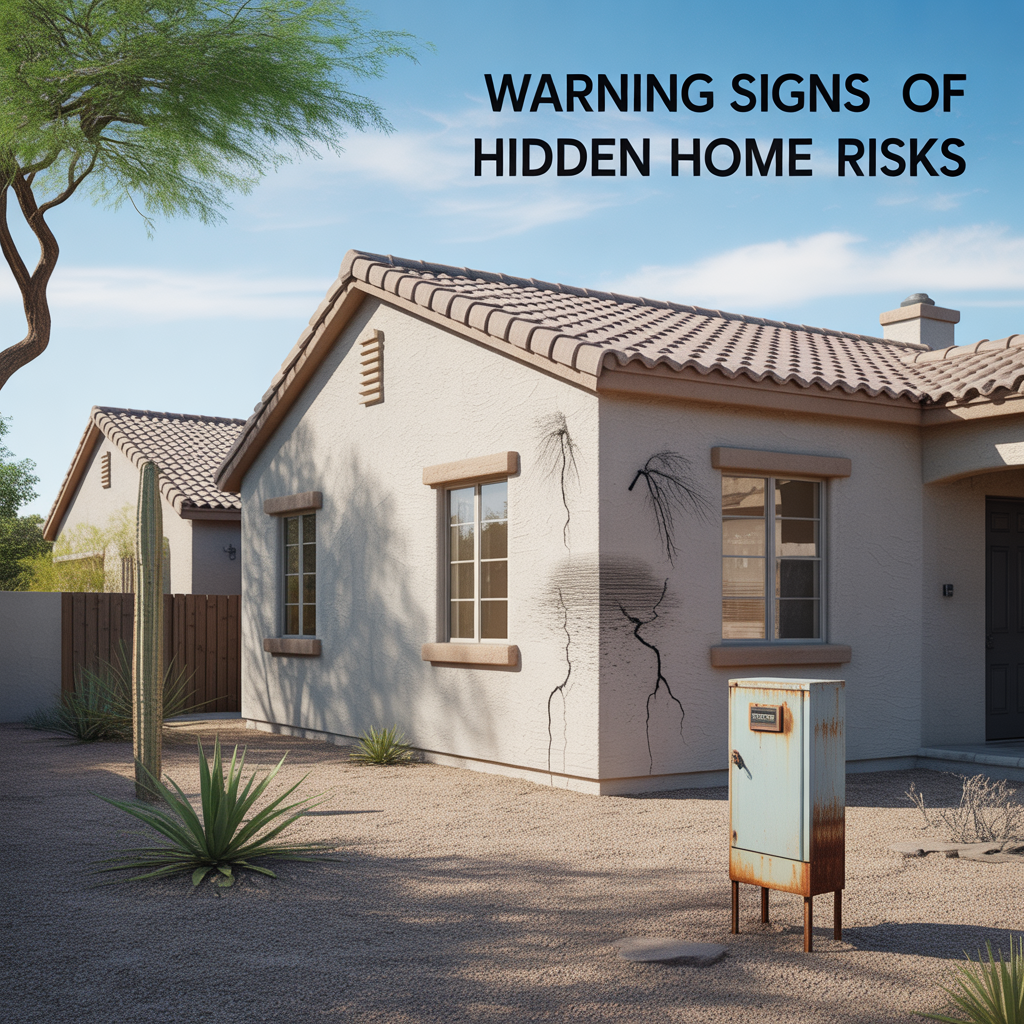
Warning Signs of Hidden Home Risks
-

Preventative Maintenance That Reduces Insurance Claims
-

Reducing Liability Exposure Around Your Property
-

Liability Coverage Limits Explained
-

When Umbrella Insurance Makes Sense
-

Protecting Yourself From Guest Injury Claims