



This guide is part of our Phoenix Home Buying Process→ [Phoenix Home Buying Process] & for information on selling visit Phoenix Home Selling Process→ [Phoenix Home Selling Process]
Written by: Renee Burke
In the Phoenix metro area, where homes endure relentless summer heat and seasonal monsoons, the idea of waiving inspections often surfaces in heated negotiations — especially when a desirable property in Gilbert or North Phoenix draws multiple offers. Yes, buyers in Arizona can choose to waive their right to inspections, but it’s a decision that carries weight, one I’ve counseled many clients through with care and caution.
I understand the pressure: You spot your perfect family home near top Chandler schools, and the market whispers “act fast.” Skipping inspections might feel like the key to standing out, but let’s unpack what that truly means here in the Valley, so you can move forward with eyes wide open.
Yes, Waivers Are Allowed — But Not Required
Arizona law permits buyers to waive the inspection contingency in the standard Residential Resale Real Estate Purchase Contract from the Arizona Association of REALTORS®. You signal this upfront in your offer by checking the box for “as-is” purchase or explicitly releasing the contingency before the 10-day period begins. Sellers can’t force it, but in competitive pockets like Eastmark or Ahwatukee, they favor offers without it.
This flexibility reflects our market’s rhythm — fluid yet fierce in sub-$500,000 segments. However, waiving doesn’t erase your right to a final walkthrough or seller disclosures. It simply means you accept the home’s condition at closing, without leverage to renegotiate based on new findings.
The Standard Inspection Period: Your Built-In Protection
By default, Arizona contracts grant 10 calendar days for due diligence — time to hire inspectors for general home, termite, pool, roof, and more. You review reports, submit a BINSR (Buyer Inspection Notice and Seller’s Response), and negotiate repairs, credits, or cancellation with full earnest money refund.
Waiving shortens or skips this entirely. In a “no-inspection” offer, you move straight to financing and appraisal phases. It’s common in new construction near Queen Creek’s booming developments, where builder warranties provide some buffer, but rarer for resales with our desert-specific wear.
Why Buyers Consider Waiving in Phoenix
Competition drives it. In neighborhoods like Power Ranch or Scottsdale’s family enclaves, clean offers shine. Recent buyers — transplants eyeing TSMC jobs or locals upsizing — waive to beat cash-heavy investors. Lower earnest money risk post-waiver appeals too, though it signals high commitment.
Newer homes (post-2015) tempt waivers: Modern HVAC handles heat, stucco holds against clay soil shifts. I’ve seen clients skip on pristine listings with seller-provided reports, saving $500-1,000 in fees.
The Real Risks: What You Might Miss
Our Valley climate amplifies hidden issues. Waiving means no professional check for:
- Foundation cracks from expansive soils in Mesa or Glendale.
- HVAC strain — units age fast under 115-degree peaks.
- Termite activity surging post-monsoon in irrigated yards.
- Pool leaks or sewer line bellies common in 20+ year-old Ahwatukee homes.
- Roof valleys pooling debris, risking interior damage.
Post-closing discoveries hit hard: $15,000 AC replacements or $8,000 slab leaks aren’t uncommon. Without BINSR recourse, you’re funding fixes solo. Lender appraisals catch major defects, but they’re valuation-focused, not condition-deep.
Sellers’ Property Disclosure Statements cover known issues, but “as-is” limits liability. Arizona’s implied warranty of habitability protects new builds somewhat, but resales lean on your pre-purchase diligence.
Seller and Market Perspectives
Sellers adore waivers — fewer negotiations, faster closes, homes off-market sooner. In 2026’s stabilizing inventory, they still sway hot properties, though balanced supply gives buyers breathing room.
Not all accept them blindly. Ethical agents disclose recent inspections; I advise sellers to offer them anyway, building trust. Waived deals fail less (stronger buyers), but surprises sour relations.
Strategies to Waive Smartly — Or Not At All
If waiving:
- Review seller disclosures meticulously.
- Attend a thorough walkthrough; hire specialists (pool, solar) outside contingency.
- Build cash reserves for immediate post-close needs.
- Cap at newer homes with warranties.
Alternatives beat full waivers:
- Shorten to 5 days for speed.
- Limit to key checks (termite, sewer scope).
- Offer escalation clauses tied to appraisal.
I’ve guided families to hybrid approaches: Waive general but keep termite — balancing strength with safety.
Addressing Common Fears and Misconceptions
Fear: “I’ll lose my dream home.” Reality: Many win without waivers as inventory rises. FOMO fades when better fits emerge.
Misconception: “New equals perfect.” Even 2020 builds glitch — irrigation fails, bird block gaps invite scorpions.
Another: “Appraisal covers it.” No — appraisers note deficiencies but won’t negotiate for you.
Buyers from renter backgrounds underestimate costs; I ease them with tales of waived clients facing $20,000 surprises versus those who inspected and negotiated $10,000 credits.
When Waiving Makes Sense — And When It Doesn’t
It suits investors flipping Cave Creek acreages or cash buyers eyeing Fountain Hills luxuries. Families prioritizing lifestyle — Gilbert farmers markets, North Phoenix trails — should inspect.
In slower segments (over $700,000), leverage full periods. Hot starter homes? Weigh heart versus head.
Guiding Your Choice With Confidence
Waiving inspections is your call, but informed ones endure. Prioritize peace: A home that fits Phoenix life shouldn’t start with worry.
If you’re thinking about making a move in Phoenix, you don’t have to figure it out alone. Reach out — let’s review your offer together, ensuring it protects your dreams while navigating our Valley realities.
Get the full Phoenix Market Insights → [Market Insights]


-

Pool Liability and Insurance in Phoenix
-

Protecting Outdoor Structures and Shade Systems
-

HVAC Failures and Insurance Coverage
-
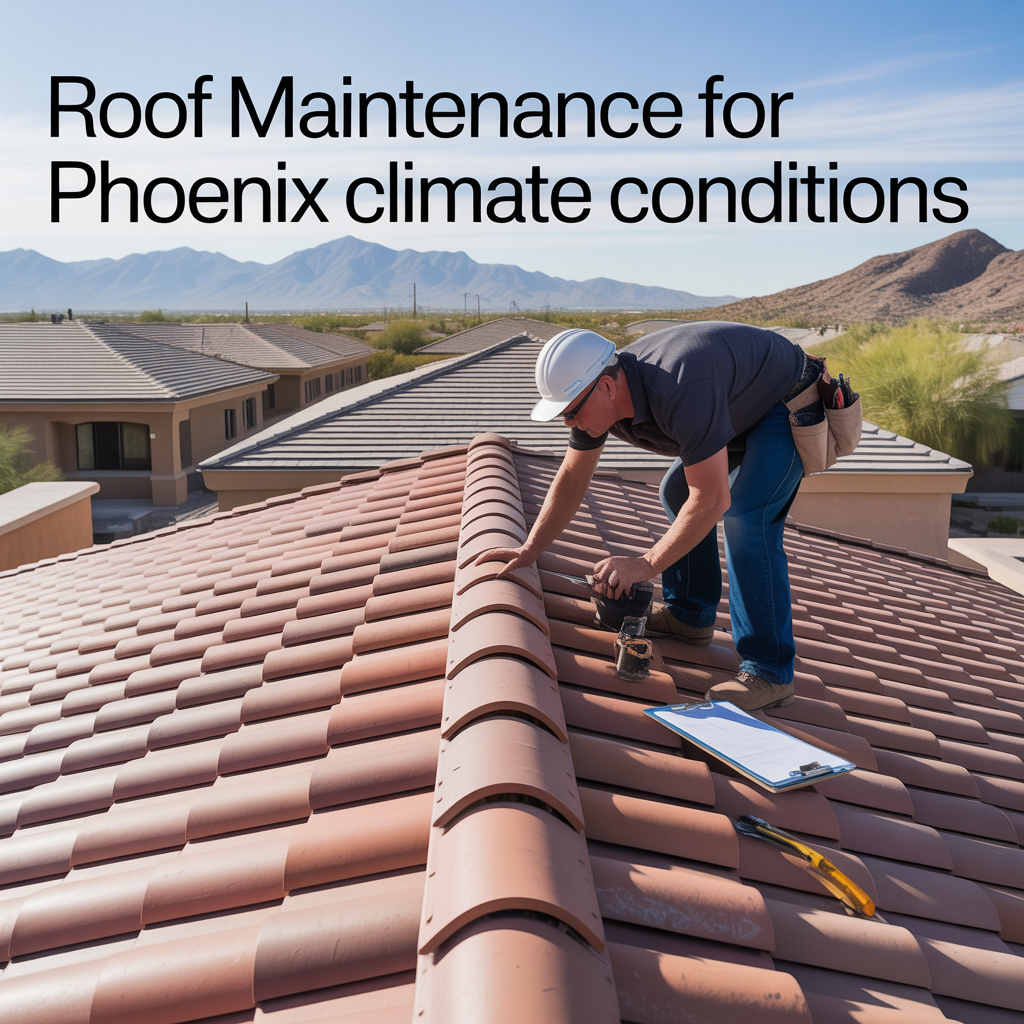
Roof Maintenance for Phoenix Climate Conditions
-

Preventing Water Damage in Desert Landscapes
-

How Monsoon Storms Affect Phoenix Homes
-

Why Policy Structure Matters More Than Premium
-

Understanding Coverage Limits and Exclusions
-

What Personal Property Coverage Actually Includes
-

How Liability Coverage Protects Homeowners
-

Replacement Cost vs Market Value in Phoenix Insurance
-

Understanding Deductibles Before You Need Them
-

How Renovations Affect Insurance Coverage
-

When to Review Your Home Insurance Policy
-

Why Replacement Cost Matters in Phoenix Insurance Policies
-

When a House Truly Starts to Feel Like Home
-

How Phoenix Neighborhood Living Builds a Sense of Belonging
-

Why Stability Plays a Major Role in Long-Term Home Satisfaction
-

How Familiarity Changes the Experience of Living in a Home
-

Renovate or Move? Deciding What to Do When Your Phoenix Home No Longer Fits
-

How Lifestyle Changes Affect Space Needs in Phoenix Homes
-
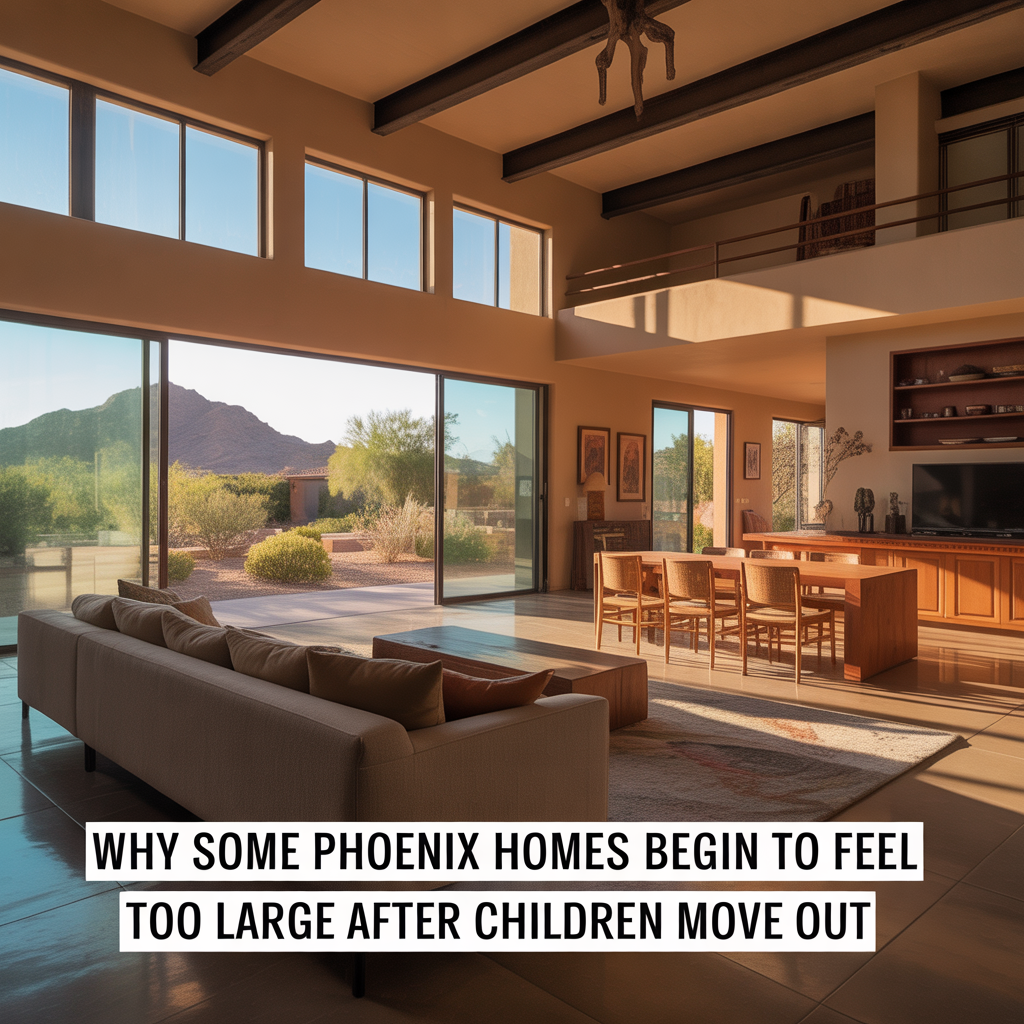
Why Some Phoenix Homes Begin to Feel Too Large After Children Move Out
-

When Homeowners Begin Considering Moving to a Larger Phoenix Home
-

Signs Your Phoenix Home Is Starting to Feel Too Small for Your Family
-

How Desert Landscaping Evolves Over Years of Phoenix Homeownership