



This guide is part of our Phoenix Home Buying Process→ [Phoenix Home Buying Process] & for information on selling visit Phoenix Home Selling Process→ [Phoenix Home Selling Process]
Written by: Renee Burke
If you’ve spent time browsing listings in Chandler or imagining mornings with coffee on a Gilbert patio, you’ve likely wondered which mortgage fits your path to homeownership here in Phoenix. As someone who’s walked alongside hundreds of buyers through our sun-drenched market, I can tell you the options are more approachable than they seem—tailored to real lives in the East Valley, Northwest Corridor, and beyond.
Phoenix buyers lean toward a handful of loan types that match our blend of first-time families, growing professionals, and retirees seeking golf-course views. Each offers distinct advantages in a market where median prices hover around $525,000, and inventory favors the prepared. Let’s explore the most common ones, grounded in how they play out locally.
Conventional Loans: The Go-To for Strong Profiles
Most repeat buyers and those with solid savings start here. Conventional loans, backed by Fannie Mae or Freddie Mac, dominate Phoenix closings—especially for homes under the 2026 conforming limit of about $832,750 in Maricopa County.
- Down payment: 3-5% for first-timers; 20% avoids PMI.
- Credit minimum: Typically 620, with best rates above 740.
- Why Phoenix buyers love them: Flexible for condos in Downtown Tempe or single-family homes in Ahwatukee. No upfront mortgage insurance if you hit 20% down, keeping payments lean amid our low 0.62% property taxes.
A $500,000 home with 5% down might run $3,200 monthly at 6.75%—ideal for families eyeing Chandler Unified schools without FHA’s ongoing MIP.
FHA Loans: Gateway for First-Timers and Fixer-Uppers
These government-backed gems shine for newcomers settling into starter homes in Mesa or Queen Creek. With Maricopa County’s 2026 FHA limit at $546,250, they’re perfect for our entry-level inventory.
- Down payment: Just 3.5% (as low as $17,500 on a $500K home).
- Credit minimum: 580+; even 500-579 with 10% down.
- Local appeal: Forgiving DTI up to 50%, plus 203(k) rehab options for dated mid-century gems in Arcadia. Pair with Arizona down payment assistance for even less out-of-pocket.
I’ve seen young couples use FHA to snag a backyard-ready home in Laveen, rolling minor repairs into one loan—no cash crunch before summer pool parties.
VA Loans: Heroes’ Best-Kept Secret
Military families, veterans, and surviving spouses flock to these zero-down wonders, especially in veteran-heavy spots like North Peoria and Goodyear.
- Down payment: None required.
- Credit minimum: Lender-dependent, often 580-620.
- Standout perks: No PMI, competitive rates, and reusable benefits. Funding fee (1.25-3.3%) is your only extra, waivable for some.
In a market where closing costs hit 2-5%, VA saves thousands upfront—freeing budget for Estrella trails or Papago hikes. One client, a retiree, bought a Verrado villa outright with no down, loving the no-PMI freedom.
USDA Loans: Rural Retreats on the Edge of Metro
For those drawn to quieter outskirts like San Tan Valley or parts of Queen Creek, these no-down-payment loans from the USDA fit eligible moderate-income buyers.
- Down payment: Zero.
- Credit minimum: Around 640, though flexible.
- Phoenix fit: Income limits apply (about $118,000 for a family of four), but they cover suburban fringes with low guarantee fees instead of PMI. Great for acreage near trailheads.
They’re less common in core Phoenix but golden for horse properties or spacious yards away from I-10 snarls.
Jumbo Loans: Luxury Without Limits
When your heart’s set on Paradise Valley estates or DC Ranch moderns exceeding conforming limits, jumbos step in.
- Down payment: 10-20%.
- Credit minimum: 700+.
- Valley reality: Fixed or ARM options up to $3M+ through local credit unions. Stricter reserves, but rates rival conventionals for qualified borrowers.
A tech exec I guided financed a $1.2M Scottsdale retreat seamlessly—jumbos handle our high-end without flinching.
Comparison at a Glance
Here’s how they stack up for a $500K Phoenix purchase (est. 6.75% rate, taxes/ins. included):
| Loan Type | Min. Down Payment | Monthly P&I (20% Down) | Best For |
|---|---|---|---|
| Conventional | 3-5% | $2,650 | Repeat buyers, strong credit |
| FHA | 3.5% | $2,950 (w/ MIP) | First-timers, lower scores |
| VA | 0% | $2,600 (no PMI) | Veterans, zero down |
| USDA | 0% | $2,700 (w/ fees) | Rural/suburban moderate income |
| Jumbo | 10-20% | Varies higher | Luxury over limits |
Lifestyle Ties and Market Smarts
Phoenix living amplifies choices: Conventional suits HOA-heavy Eastmark; FHA eases into Gilbert’s farm-to-table vibe; VA thrives near Luke AFB commuters. Factor summer AC ($300+/month), monsoons, and proximity to 101/202—your loan should buffer lifestyle, not squeeze it.
Misconceptions abound: “FHA is only for the broke”—no, it’s smart entry. “VA has fees forever”—wrong, just once. ARMs tempt short-timers near ASU, but fixed rates rule our long-haul owners.
Navigating Your Best Fit
Start with pre-approval from a Valley lender—local credit unions like Arizona Central excel in portfolio tweaks for self-employed. Match loan to life stage: growing family? FHA/Conventional. Retiring? VA/Jumbo.
The right loan aligns finances with sunsets over Camelback—without regret.
If you’re thinking about making a move in Phoenix, you don’t have to figure it out alone. Reach out anytime—I’m here to match your story to the perfect loan, explore neighborhoods that fit, and guide you home with steady, supportive hands.
Get the full Phoenix Market Insights → [Market Insights]


-
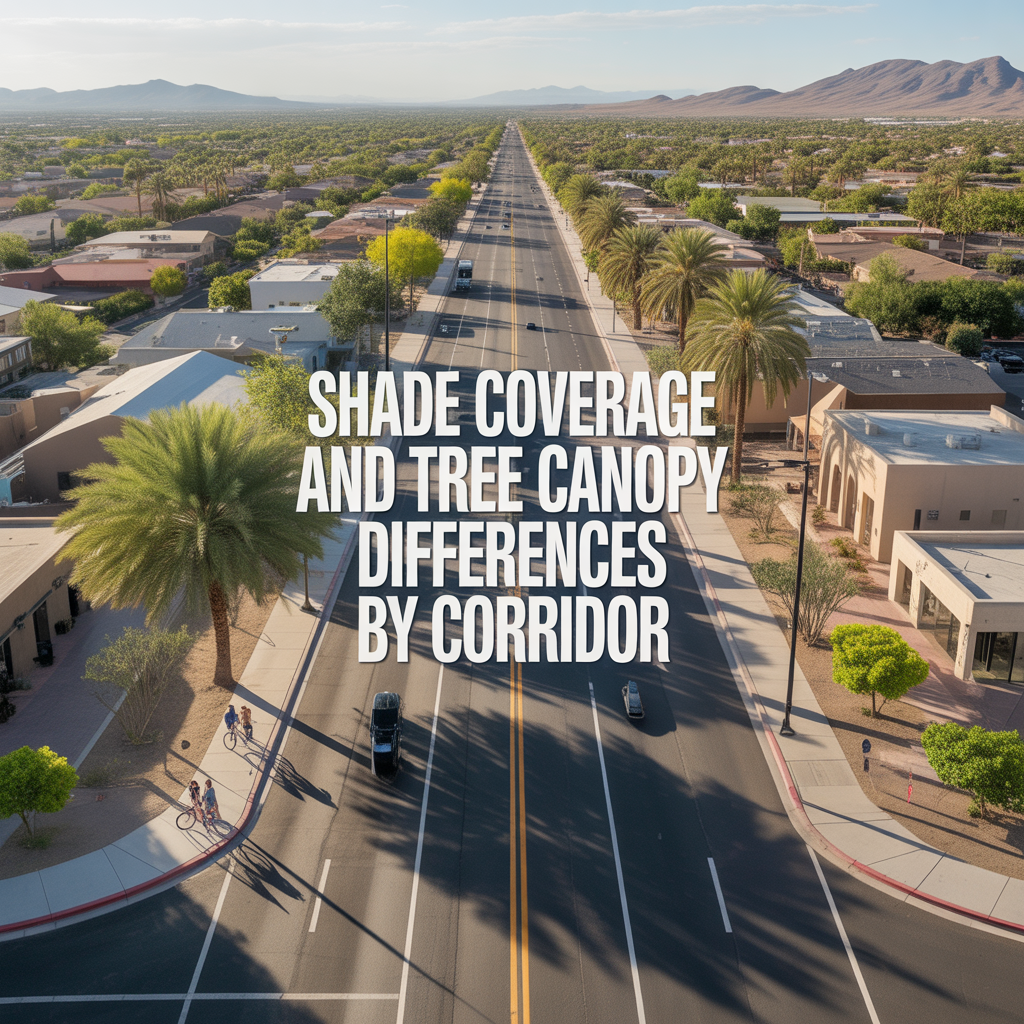
Shade Coverage and Tree Canopy Differences by Corridor
-

Summer Walkability Reality Near ASU and Mill Avenue
-

Choosing Proximity Based on Personality and Routine
-

How Tempe Town Lake Changes Social Routines
-
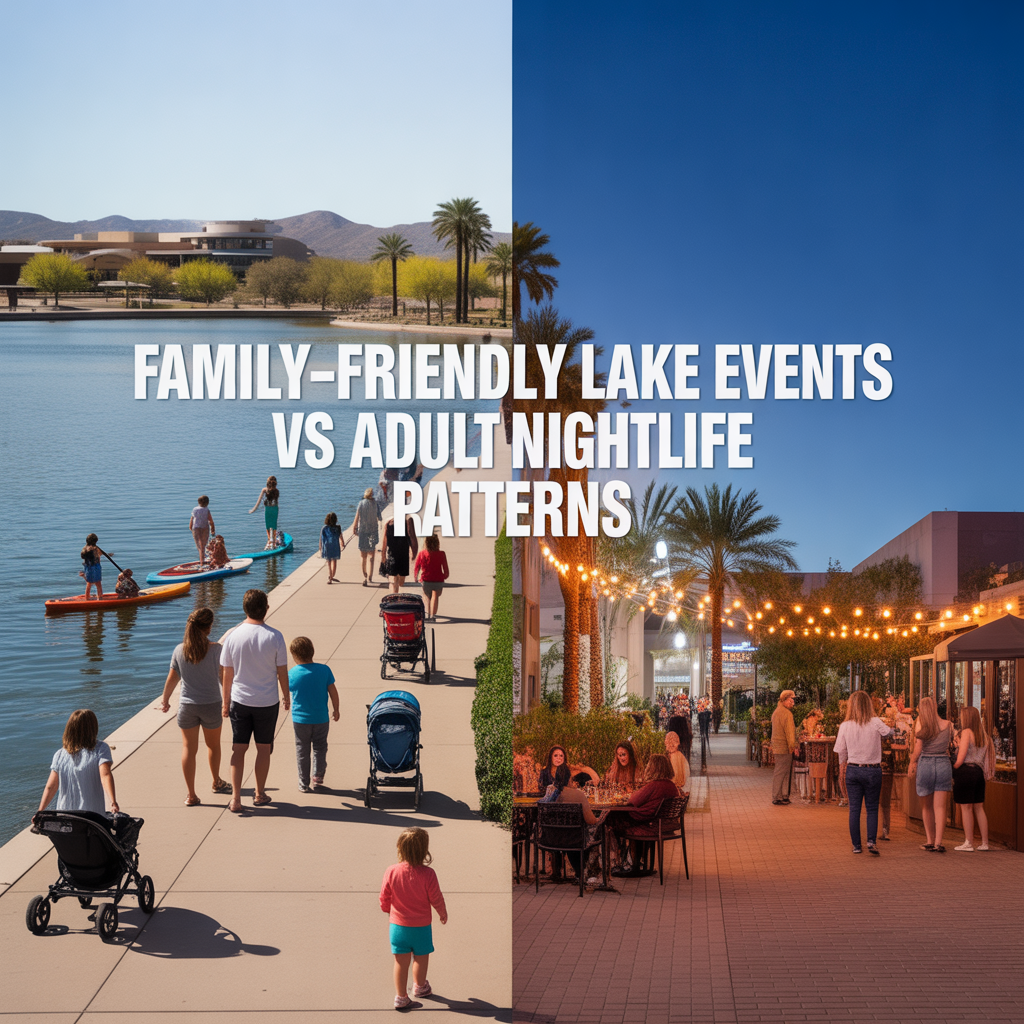
Family-Friendly Lake Events vs Adult Nightlife Patterns
-

Parking Structures and Rideshare Realities on Peak Nights
-
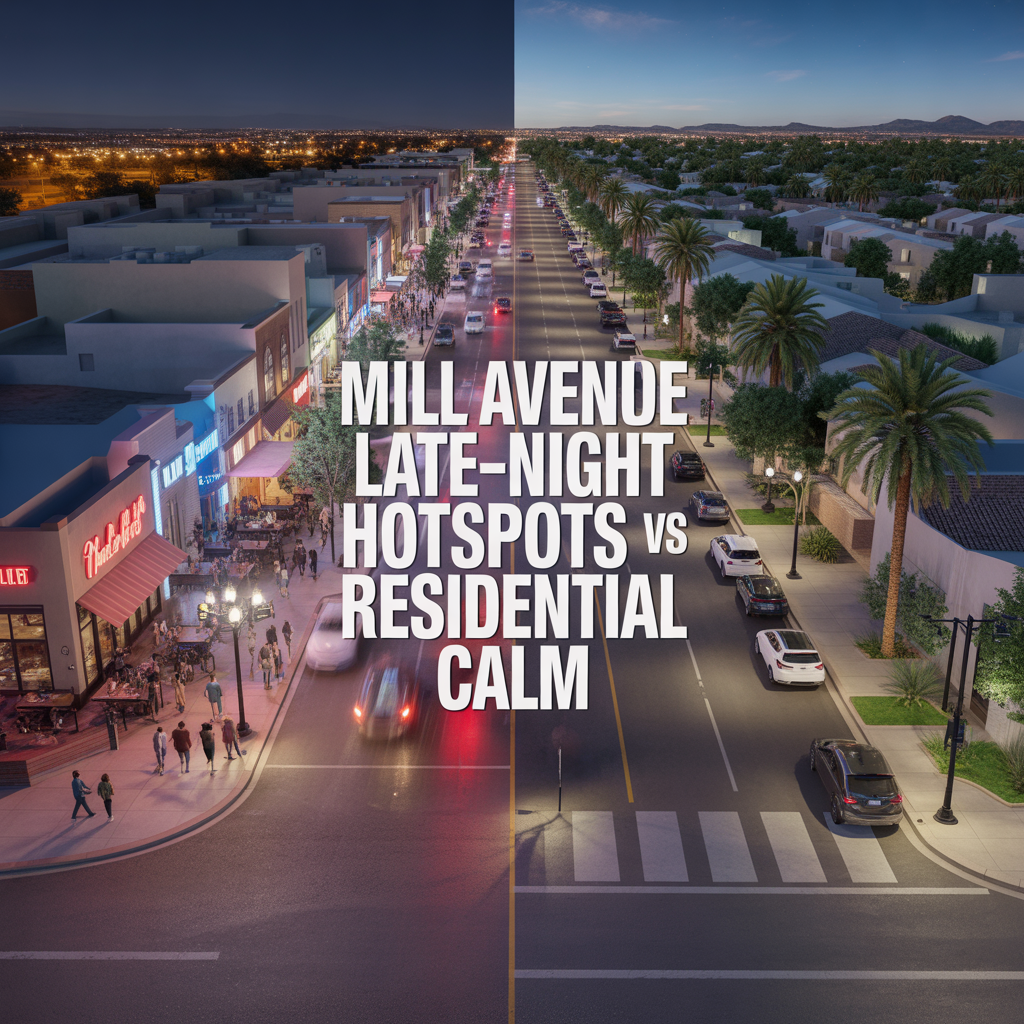
Mill Avenue Late-Night Hotspots vs Residential Calm
-

ASU Game Days and Event Calendar Impacts
-

Cross-Valley Trip Efficiency From Tempe
-
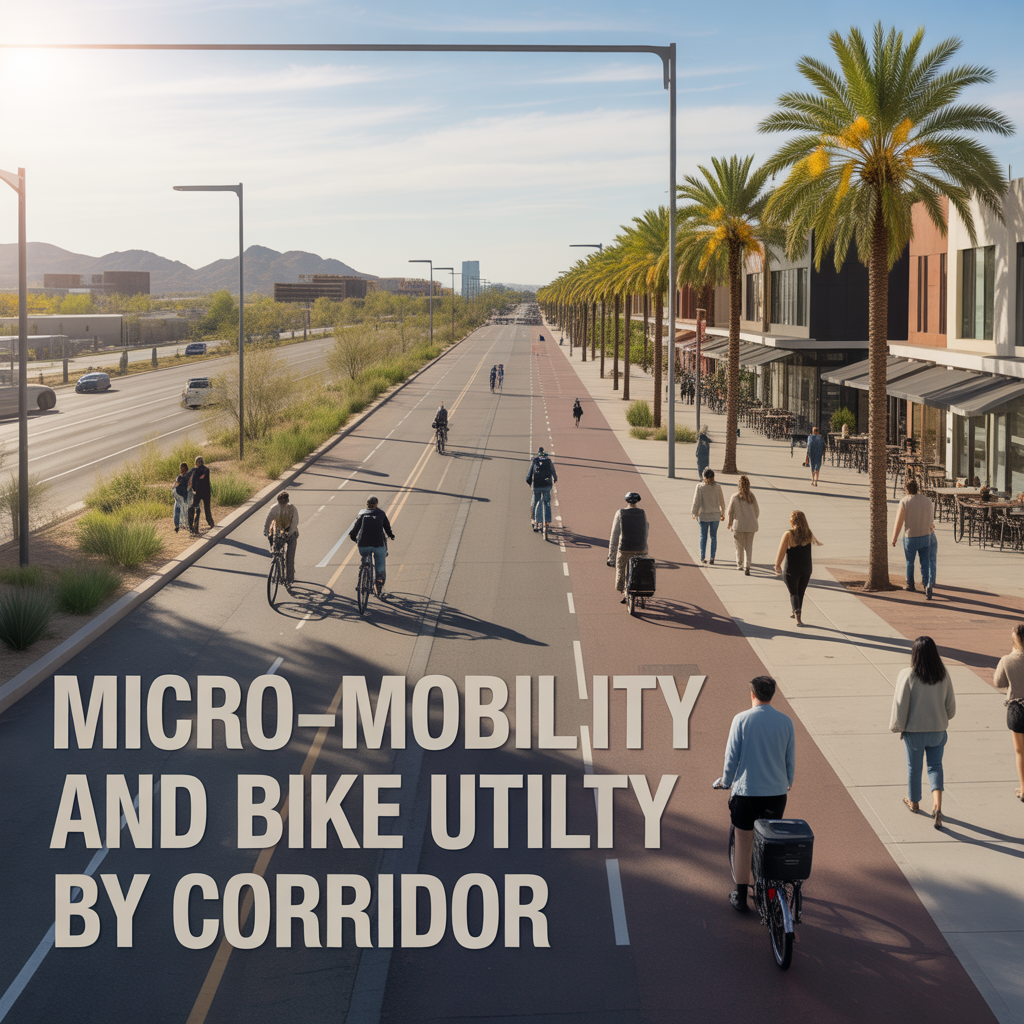
Micro-Mobility and Bike Utility by Corridor
-

Park-And-Ride, Game Day, and Event Access Patterns
-

Airport Timing Strategy Around ASU and Rush Hour Traffic
-

Light Rail Use Cases That Actually Improve Daily Life
-

Freeway vs Arterial Routing During Peak Windows
-

Real-World Drive Times to Sky Harbor From Different Tempe Pockets
-

How Traffic and Commute Direction Affect Daily Life in North vs South Tempe
-

Bike Paths, Walkability, and Short-Distance Transportation in Tempe
-

Driving Access From Tempe to Phoenix Sky Harbor Airport
-

Light Rail Access Between Tempe, Downtown Phoenix, and Mesa
-

Major Tempe Arterial Roads Including Rural Road, McClintock Drive, and Baseline Road
-

ASU Traffic Patterns and Peak Congestion Near Campus
-

Typical Commute Times From Tempe to Phoenix, Scottsdale, and Chandler
-

Tempe Freeway Access to US-60, Loop 101, and Loop 202
-

Shade, Tree Coverage, and Summer Outdoor Usability in Tempe
-

Outdoor Recreation Near Downtown Tempe and ASU