



This guide is part of our Phoenix Luxury Guide → [Phoenix Luxury Guide] & for information on selling visit Phoenix Home Buying Process→ [Phoenix Home Buying Process]
Written by: Renee Burke
In Phoenix’s luxury market, a price adjustment isn’t just a number tweak—it’s a pivotal moment that can either realign expectations or send ripples of doubt through potential buyers. Sellers in Scottsdale estates or Paradise Valley retreats sometimes view reductions as a necessary course correction after testing the market. Others see them as a red flag, eroding hard-earned equity and momentum.
The truth lies in timing, magnitude, and messaging. Done thoughtfully, an adjustment signals confidence and invites serious offers. Handled poorly, it whispers desperation. I’ve guided dozens of clients through these decisions, always prioritizing long-term value over short-term pride. Let’s unpack when it’s strategy—and when it’s a warning.
The Anatomy of a Smart Adjustment
Phoenix luxury listings—$2M+ in areas like Arcadia, Camelback Corridor, or North Scottsdale—often launch with optimism. But after 30-45 days, if showings fizzle or feedback points to “priced too high,” a strategic cut keeps the conversation alive. Aim for 4-7% off the original ask, ideally once, decisively. Multiple small dips in quick succession dilute perception and prolong stagnation.
In our balanced 2026 market, with 4-6 months of inventory, this move targets cash buyers and jumbo-financed relocators who’ve been watching. A $4.5M Kierland home drops to $4.2M? It refreshes MLS algorithms, reignites broker tours, and sparks that emotional “now it’s in reach” spark. Closes follow 20-30 days later, often near the new price.
When Adjustments Signal Market Feedback
Not every reduction is equal. After 60+ days on market, repeated cuts—say, 2% here, 3% there—broadcast misalignment. Buyers in Paradise Valley’s foothills or Scottsdale’s golf enclaves scroll past, assuming hidden flaws: dated systems, marginal views, or over-improvements like that $200K kitchen that doesn’t suit their taste.
Data echoes this: listings with two-plus reductions sell at 5-8% below original ask, with longer escrows as appraisals scrutinize the descent. In micro-markets like Upper Arcadia, where irrigated lots and citrus appeal drive value, stubborn pricing leads to “stale” status—fewer shares, colder leads.
It’s market intelligence: your $3.8M dream may comp at $3.4M when finishes lag neighborhood norms.
Strategic Timing and Triggers
Wait for data, not dates. Track these before adjusting:
- Showings-to-offers ratio below 10:1 (ideal is 5:1).
- Consistent feedback on price, not condition.
- Competing comps closing 5%+ under your list.
- Seasonal shifts—winter snowbird surge rewards holds; summer invites cuts.
Optimal window: days 35-50. Pair the drop with refreshers—new photos at golden hour, updated video tours of pool-to-mountain flow, broker preview parties. Concessions shine here too: $50K credit for closing costs or rate buydowns, preserving headline price while sweetening terms.
Avoid knee-jerk reactions post-launch; let early buzz build.
Perception Management in Phoenix Luxury
Our Valley buyers—affluent locals, California transplants, second-home seekers—buy lifestyle as much as asset. A visible cut reframes your listing from “aspirational” to “approachable,” but only if spun right. Announce it as “enhanced opportunity” via targeted emails: “Refined pricing unlocks this Arcadia oasis for your family’s next chapter.”
Relisting resets DOM but risks “shopped out” stigma. Better: one bold adjustment with aggressive off-market pushes to private networks. In Biltmore or DC Ranch, this nets 70% of sales before public fatigue sets in.
Alternatives to Straight Cuts
Sometimes strategy sidesteps reductions:
- Seller Incentives: Pre-paids on HOA, pool service, or solar maintenance—feels generous without slashing perceived value.
- Targeted Upgrades: Fresh staging vignettes evoking desert evenings, or minor refreshes like neutral paint over bold trends.
- Off-Market Exclusives: Pocket listings to vetted buyers bypass MLS scrutiny entirely.
- Flexible Terms: Leaseback options for sellers in transition, appealing to investor-minded purchasers.
These preserve equity while accelerating velocity.
Micro-Market Realities
Phoenix luxury varies by enclave:
- Paradise Valley: Adjustments rare but deep (6-10%) due to scarcity—views and lots justify holds longer.
- Scottsdale North: Golf communities cut quicker (3-5%) when inventory swells.
- Camelback Corridor/Arcadia: Lifestyle pull shortens cycles; 4% tweaks reignite family buyers fast.
Flat appreciation in 2026 favors precision over testing limits.
Beyond the Numbers: Protecting Your Legacy
Adjustments aren’t defeat—they’re discernment. Price reflects reality: comps, condition, and current buyer psychology. In our sunlit market, where eternal spring fuels optimism, strategic pivots turn 90-day listings into 60-day successes.
The signal to heed? Prolonged resistance to feedback. That’s when equity—and excitement—slips away.
If you’re weighing a price adjustment on your Phoenix luxury listing, you don’t have to figure it out alone. I’m here with the submarket insight, buyer pulse, and steady counsel to make it strategy, not signal. Reach out—I’d love to help you land softly and strongly.
Get the full Phoenix Market Insights → [Market Insights]


-

Signs Your Phoenix Roof Needs Inspection or Repair
-

How Long Tile Roofs and Roof Underlayment Last in Phoenix
-

How Smart Thermostats Improve Cooling Efficiency in Arizona Homes
-

Why AC Systems Struggle During Extreme Phoenix Heat Waves
-

How Long Air Conditioning Units Last in Phoenix Homes
-

Warning Signs Your Air Conditioner Is About to Fail
-

How Often Phoenix AC Systems Need Maintenance
-

How Irrigation System Leaks Damage Foundations and Landscaping
-

Preventing Roof Damage Before Arizona Monsoon Storms
-

Why AC Tune-Ups Are Critical for Phoenix Homes
-

What Homeowners Should Inspect Before Phoenix Summer Heat Arrives
-

Seasonal Home Maintenance Checklist for Phoenix Homeowners
-
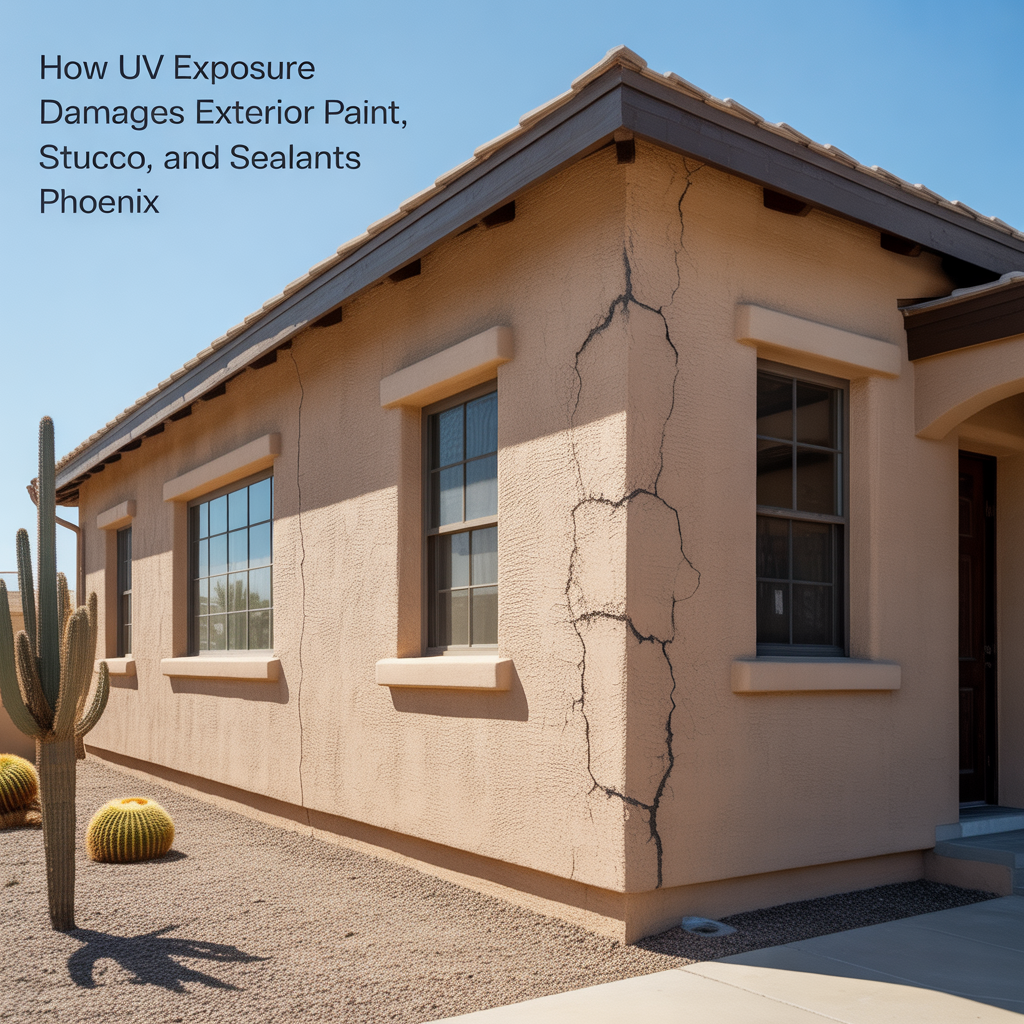
How UV Exposure Damages Exterior Paint, Stucco, and Sealants
-

How Extreme Heat Shortens the Lifespan of Home Systems
-

Why Phoenix Roofs Wear Out Faster Than Many Other Cities
-
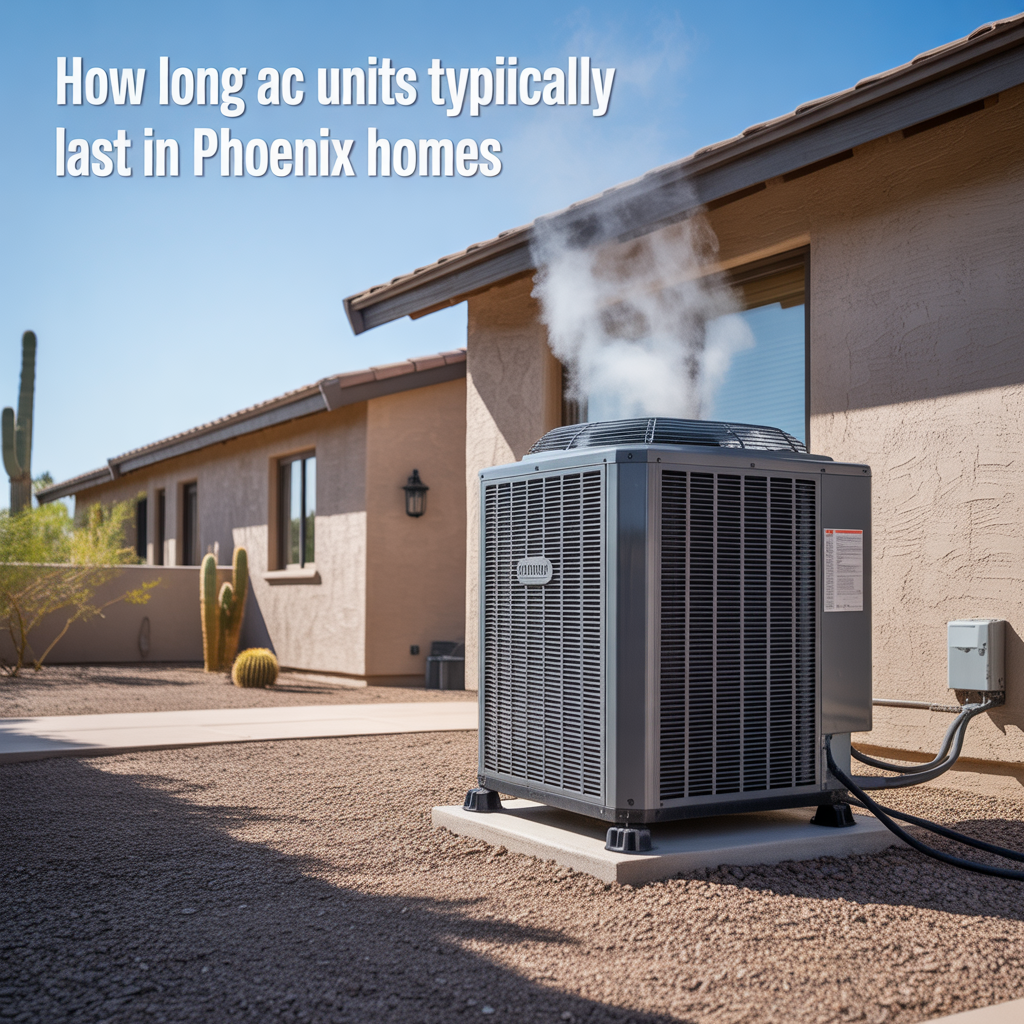
How Long AC Units Typically Last in Phoenix Homes
-

Building a Long-Term Protection Strategy
-

How Small Repairs Prevent Larger Problems
-

Protecting Older Phoenix Homes
-

Warning Signs of Hidden Home Risks
-

Preventative Maintenance That Reduces Insurance Claims
-

Reducing Liability Exposure Around Your Property
-

Liability Coverage Limits Explained
-

When Umbrella Insurance Makes Sense
-

Protecting Yourself From Guest Injury Claims