



This guide is part of our Phoenix Luxury Guide → [Phoenix Luxury Guide] & for information on selling visit Phoenix Home Buying Process→ [Phoenix Home Buying Process]
Written by: Renee Burke
In the heart of Phoenix, the Camelback Corridor and Arcadia stand as timeless jewels for luxury buyers seeking that perfect blend of urban energy and serene sophistication. These neighborhoods—framed by Camelback Mountain’s rugged silhouette and dotted with citrus-lined streets—draw discerning clients who value walkability to Biltmore shops as much as quiet evenings under the stars.
Pricing here isn’t a one-size-fits-all equation. It’s an art informed by intimate knowledge of lot sizes, irrigation rhythms, and the subtle shifts in buyer sentiment that define our market. Overprice, and your gem lingers; price with precision, and it sparkles.
I’ve guided families through these streets for years, helping them navigate the balance between emotional appeal and market reality. Let’s explore how to craft a strategy that honors both.
The Unique Pulse of Camelback Corridor
Stretching from 24th Street to 44th between Indian School and Camelback, this corridor pulses with variety—from sleek condos in the Biltmore to sprawling estates hugging the mountain base. Median luxury prices hover around $1.75M to $1.9M, with top-tier properties pushing into the tens of millions.
Buyers here crave proximity: to Fashion Square, the Arizona Biltmore Resort, or a quick hike up Piestewa Peak. They’re often professionals or empty-nesters prioritizing low-maintenance luxury with high lifestyle payoff. Homes sell after 39-62 days on average, but hot properties—those priced at true value—go pending in under 30.
The strategy? Anchor to recent comps within a half-mile radius. A modern 4-bed with mountain views might list at $1.6M if renovated kitchens and smart home tech align with the $312/sq ft median. Underprice slightly for multi-offer potential; overprice, and you risk the 5% below-list fate of lingering inventory.
Arcadia’s Enduring Prestige
Arcadia Proper, with its irrigated lots and mid-century charm, commands a premium for good reason. Citrus groves frame estate homes starting at $1.5M and climbing to $18M, fueled by demand for large parcels near Old Town Scottsdale and top schools.
This is family legacy territory—buyers who’ve watched neighbors tear down and rebuild, chasing that perfect blend of historic curb appeal and contemporary guts. Market velocity is strong: well-priced homes close at 98-100% of ask, often with upgrades intact.
Price by storytelling. Emphasize the lot’s 20,000+ sq ft potential, mature orange trees yielding winter fruit, or proximity to Arcadia’s famed lemon streets. A 5-bed ranch at $2.8M shines if comps show 7% appreciation; stretch to $3.2M without unique elevation or pool oasis, and showings stall.
Micro-Market Nuances That Drive Value
Both areas reward hyper-local insight. In the Corridor’s east end, near Camelback East, new construction with glass walls and negative-edge pools fetches 10-15% premiums—up to $22M for trophy builds. Arcadia’s upper tier, meanwhile, values subtlety: reclaimed wood beams over flashy marble.
Watch seasonal swings. Winter brings California snowbirds eyeing pied-à-terres; spring testing rebuild feasibility. Inventory sits at 3-4 months—balanced, but selective. Price reductions here average 4-6%, hitting overpriced flips hardest.
Key metrics for your strategy:
- Comps Analysis: Last 90 days, same street or block, adjusted for beds/baths/sq ft.
- Days on Market: Target 30-45; anything over signals recalibration.
- $/Sq Ft Benchmarks: $300-400 Corridor condos; $450+ Arcadia estates.
- Buyer Pool: 70% cash in luxury—price to their psychology, not just spreadsheets.
Common Pricing Pitfalls to Avoid
Sellers often overestimate “potential.” A dated Arcadia ranch might feel like $3M in your heart, but if comps sold at $2.4M post-renovation, aspiration gaps showings. In the Corridor, assuming Biltmore adjacency boosts value 20% ignores traffic noise realities.
Don’t chase medians blindly—$1.2M last month’s dip reflects smaller sales; true luxury holds at $1.9M. And staging matters: empty homes price 10% lower in perception; lush, lived-in vignettes close faster.
The fear of “leaving money on the table” is real, but data whispers otherwise. In 2026’s steady market, priced-right properties outperform by 2-5% through bidding wars. Patience costs more.
Crafting Your Winning Price Point
Start with a professional CMA—mine blends MLS data, off-market intel, and street-level walks. For a Camelback Corridor townhome: baseline $1.3M, uplift 5% for rooftop decks with city lights. Arcadia estate? $4M base, plus for guest casitas or camel views.
Layer in intangibles: solar readiness for our sun-soaked summers, irrigation efficiency for water-conscious buyers. Test via broker previews—feedback refines before launch.
Launch mid-week, Thursday ideally, when execs browse. Professional photography capturing golden-hour mountain glow? Non-negotiable.
Lifestyle Meets Market Savvy
What sets Camelback Corridor and Arcadia apart? They’re not just addresses—they’re daily rhythms. Morning coffee overlooking the zoo, evenings at Wrigley Mansion. Pricing strategy honors that: position for the life buyer, backed by numbers.
Stable growth—3-5% projected—favors precision over greed. Your home becomes equity that works as hard as you do.
If you’re pricing a luxury property in the Camelback Corridor or Arcadia, you don’t have to figure it out alone. I’m here with the neighborhood insight, comps, and steady guidance to set your listing up for swift, strong success. Reach out—I’d love to help you get it right.
Get the full Phoenix Market Insights → [Market Insights]


-
Cost of Living in Rhode Island: Housing, Taxes, Utilities, and Everyday Expenses
-

What If My Commute Becomes Worse Than Expected?
-

How Aging Home Systems Affect Property Value
-

Energy Efficiency Upgrades for Phoenix Homes
-
How to Plan for Major Home System Replacements
-

When Phoenix Homeowners Should Replace Water Heaters
-

Repair vs Replace Decisions for Phoenix HVAC Systems
-
Creating a Long-Term Home Maintenance Plan
-
How Often Phoenix Homes Should Be Professionally Inspected
-
Early Warning Signs of Major Home System Failures
-

How Preventative Maintenance Protects Phoenix Property Value
-

The Best Annual Home Maintenance Plan for Phoenix Homes
-

Electrical Safety Inspections for Older Phoenix Homes
-

Why Whole-Home Surge Protection Matters in Arizona
-

Preparing a Phoenix Home for Electric Vehicle Charging
-

Signs Your Home’s Electrical System Is Overloaded
-
When Phoenix Homes Need Electrical Panel Upgrades
-

Water Pressure Problems in Phoenix Homes Explained
-

Preventing Irrigation Leaks That Waste Water in Desert Landscapes
-

Signs of Hidden Plumbing Leaks in Phoenix Houses
-

How Long Water Heaters Last in Arizona Homes
-

How Hard Water Affects Plumbing Systems in Phoenix Homes
-

Preventing Water Damage in Phoenix Homes During Storms
-

Roof Maintenance Tips Before Phoenix Monsoon Season
-
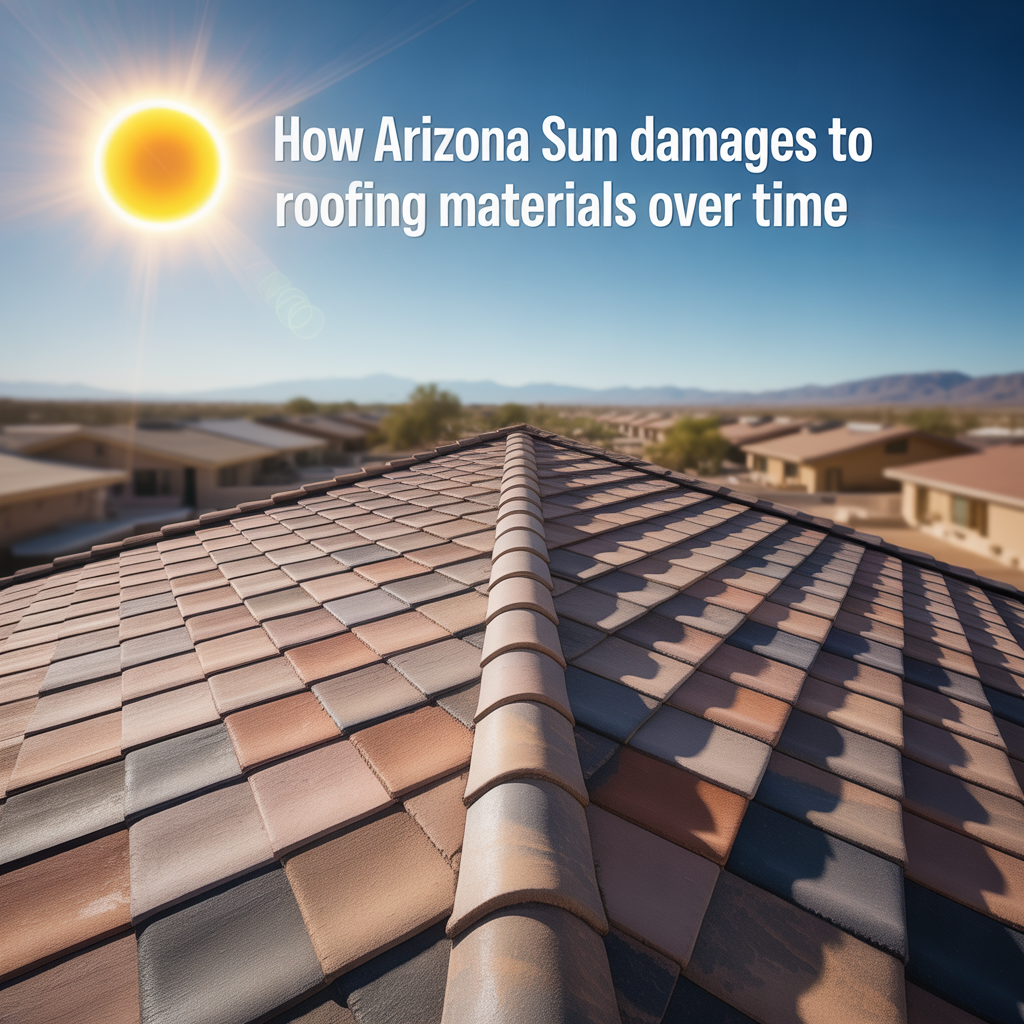
How Arizona Sun Damages Roofing Materials Over Time