



This guide is part of our Phoenix Home Buying Process→ [Phoenix Home Buying Process] & for information on selling visit Phoenix Home Selling Process→ [Phoenix Home Selling Process]
Written by: Renee Burke
When you’re buying or selling a home in the Phoenix metro area, the word “contingency” will come up before, during, and sometimes even after an offer is accepted. It’s one of those terms that sounds technical but really exists to protect everyone involved — buyers and sellers alike — by making sure key conditions are met before the sale becomes final.
If you’ve ever wondered what these contingencies truly mean in the context of Arizona’s real estate contracts, you’re far from alone. The local market moves fast, and with competition often fierce in places like Gilbert, Chandler, and North Phoenix, understanding your rights — and what’s negotiable — can make all the difference.
Let’s take a calm, steady look at the contingencies that commonly appear in Arizona purchase contracts and how they affect a smooth, confident transaction here in the Valley.
Understanding Contingencies in Phoenix Real Estate
In simple terms, a contingency is a built-in safeguard. It means the transaction depends on certain events or conditions taking place — such as financing approval, a satisfactory inspection, or a clear title report. If one of those conditions isn’t met, the buyer (and sometimes the seller) can legally cancel the contract without penalty.
Contingencies exist to protect fairness. In the Phoenix market — where multiple-offer situations have become the norm in certain neighborhoods and budget ranges — these protections allow buyers to move confidently while still managing their risk. Sellers, too, rely on contingencies to confirm that the buyer is serious and financially capable.
Arizona uses a standard Residential Resale Real Estate Purchase Contract adopted by the Arizona Association of REALTORS®. While every situation is unique, the bulk of contracts you’ll see around the Valley include the following key contingencies.
The Inspection Period: Arizona’s Buyer Safety Net
The inspection contingency is one of the most significant protections buyers have. In Arizona, it typically spans 10 calendar days from the date a contract is accepted. During that time, the buyer conducts a full due diligence review — home inspection, termite report, sewer scope if appropriate, roof evaluation, pool assessment, and anything else that could affect the property’s condition or value.
Here in the desert, the details matter. Our intense heat, monsoon winds, and expansive clay soil can challenge even newer homes. Foundations can shift, stucco can crack, and irrigation systems often need a tune-up. Buyers use this time to identify any underlying issues before they become their responsibility.
At the end of this period, the buyer submits a Buyer’s Inspection Notice and Seller’s Response (BINSR). If problems are discovered, they can ask for repairs, request credits, or even cancel the contract if the issues are too extensive. It’s a structured process designed to encourage open communication — not confrontation.
Financing Contingency: Protecting the Buyer’s Ability to Purchase
A financing contingency ensures that the buyer isn’t locked into purchasing the property unless their loan is approved. Even when pre-approved, underwriting can uncover surprises — a job change, unexpected debt ratio, or appraisal shortfall — that impact the loan’s final approval.
In Arizona contracts, financing timelines are usually spelled out clearly. Buyers must supply a Loan Status Update (LSU) within five days after contract acceptance, reassuring the seller that financing is on track. If financing legitimately falls through despite good-faith efforts, the buyer’s earnest money is typically protected.
In today’s market — where homes in areas like Ahwatukee or Scottsdale can attract multiple offers — stronger buyers often shorten financing timelines or increase earnest deposits to make their offers more appealing. Still, the right contingency language helps avoid heartbreak and costly misunderstandings down the line.
Appraisal Contingency: When Value Meets Reality
An appraisal contingency is closely tied to financing, but it deserves attention on its own. The lender will only finance the home for its appraised value, not necessarily the agreed-upon purchase price. If the appraisal comes in lower, there’s a gap that must be resolved before closing.
In a balanced market, this often leads to negotiation — a slight price reduction from the seller, or the buyer bringing in additional cash. But in tighter Phoenix submarkets, such as Arcadia or South Chandler, buyers sometimes choose to waive or modify the appraisal contingency to stay competitive.
When that happens, it’s crucial to understand the risk: if you waive the appraisal contingency, you’re agreeing to cover any difference between the appraised value and the contract price out of pocket. That can be thousands of dollars — and it should always be a deliberate decision, not a pressured one.
Title and HOA Review: Knowing What You’re Buying Into
Another standard Arizona contingency involves the title commitment — the official record confirming clear ownership of the property. Buyers have five days to review this document once received. It shows any liens, easements, or restrictions that could affect the property’s use.
If the home is part of a planned community or condominium complex, the HOA disclosure package is part of this same review period. It includes CC&Rs (Covenants, Conditions, and Restrictions), bylaws, and financial statements. Buyers can cancel if they discover fees, restrictions, or obligations they’re uncomfortable with.
For example, someone moving from central Phoenix to Eastmark might be surprised at the level of HOA-approved design rules or ongoing restoration fees. Reading those documents closely isn’t just a legal step — it’s about ensuring the community fits your lifestyle.
Seller Contingencies: When the Seller Has Conditions Too
While most contingencies protect buyers, sellers occasionally include their own. A seller contingency might say the sale depends on their ability to secure another property or relocate within a set timeframe. In other cases, they may need buyer flexibility for a post-possession period — a short time to remain in the home after closing.
In Phoenix, where many move-up sellers are coordinating purchases within the same metro, these conditions often come into play. The goal is balance: allowing sellers to make transitions smoothly without putting the buyer at risk of indefinite delays.
Additional Contingencies You May Encounter in the Valley
Beyond the core protections, some contracts include more specific or situational contingencies:
- Sale of the Buyer’s Property: The purchase depends on the buyer successfully selling their current home. This is common for move-up buyers, especially those relocating from different areas of the Valley.
- Well or Septic Inspection: For homes on acreage in places like Cave Creek or Queen Creek, buyers may add contingencies ensuring water quality and septic functionality.
- Solar Equipment Transfer: In Phoenix, where rooftop solar is common, ensuring the proper assumption of Leased Solar Agreements or full ownership verification is vital.
- Home Warranty or Pool Equipment Verification: Even small items, like the condition of pool pumps or built-in appliances, occasionally make their way into contingency terms.
These aren’t “extras” — they’re tools for creating clarity. Each protects one element of the home that, if ignored, could cause real issues post-closing.
Why Contingencies Matter So Much in the Phoenix Market
Because our market has cycles of both rapid appreciation and cooling-off periods, contingencies are how you protect yourself against the unknown. They allow transactions to proceed with confidence rather than fear. A buyer knows they aren’t walking blindly into a financial storm, and a seller knows a deal is based on fair terms rather than haste.
When I walk clients through contract terms, I like to remind them: strength in a real estate offer isn’t about removing every contingency — it’s about understanding which matter most to your situation and structuring them wisely.
In a hot Glendale neighborhood, you might tighten your inspection timeline to stand out. In an outlying property with a private well, you’ll want every bit of that due diligence. What’s “standard” in Arizona contracts always flexes slightly depending on the home, the buyer, and the current rhythm of the market.
How to Approach Contingencies With Confidence
The best approach is to see contingencies as tools of clarity, not obstacles.
Work with your agent to understand which protections are essential and which can be adjusted to make your offer stronger while still keeping your risk manageable.
Here are a few guiding principles:
- Know your timelines. Arizona contracts are strict about dates. Missing a contingency deadline can mean forfeiting rights or earnest money.
- Read everything carefully. Take time to review inspection reports, HOA disclosures, and title commitments — they reveal more than many buyers realize.
- Ask for clarification. Never sign off on a contingency removal if you don’t fully understand the implications.
- Keep communication open. Most real estate conflicts arise not from bad intent, but from assumptions. Prompt updates between agents, lenders, and buyers make all the difference.
Handled with care, contingencies are not barriers — they’re guardrails. They help everyone reach closing day feeling secure and satisfied, not rushed or second-guessing.
A Final Thought — and a Gentle Reminder
Phoenix real estate can move fast, but real confidence comes from understanding the details. Contingencies may sound technical, but at their heart, they exist to protect what matters most — your peace of mind, your financial future, and your ability to move forward with trust.
If you’re planning to buy or sell in the Valley soon and want to navigate Arizona’s contracts with calm, expert guidance, I’d be honored to walk you through it step-by-step.
If you’re thinking about making a move in Phoenix, you don’t have to figure it out alone. Let’s talk through your questions and make sure you feel fully protected before you take that next step.
Get the full Phoenix Market Insights → [Market Insights]


-

Signs Your Phoenix Roof Needs Inspection or Repair
-

How Long Tile Roofs and Roof Underlayment Last in Phoenix
-

How Smart Thermostats Improve Cooling Efficiency in Arizona Homes
-

Why AC Systems Struggle During Extreme Phoenix Heat Waves
-

How Long Air Conditioning Units Last in Phoenix Homes
-

Warning Signs Your Air Conditioner Is About to Fail
-

How Often Phoenix AC Systems Need Maintenance
-
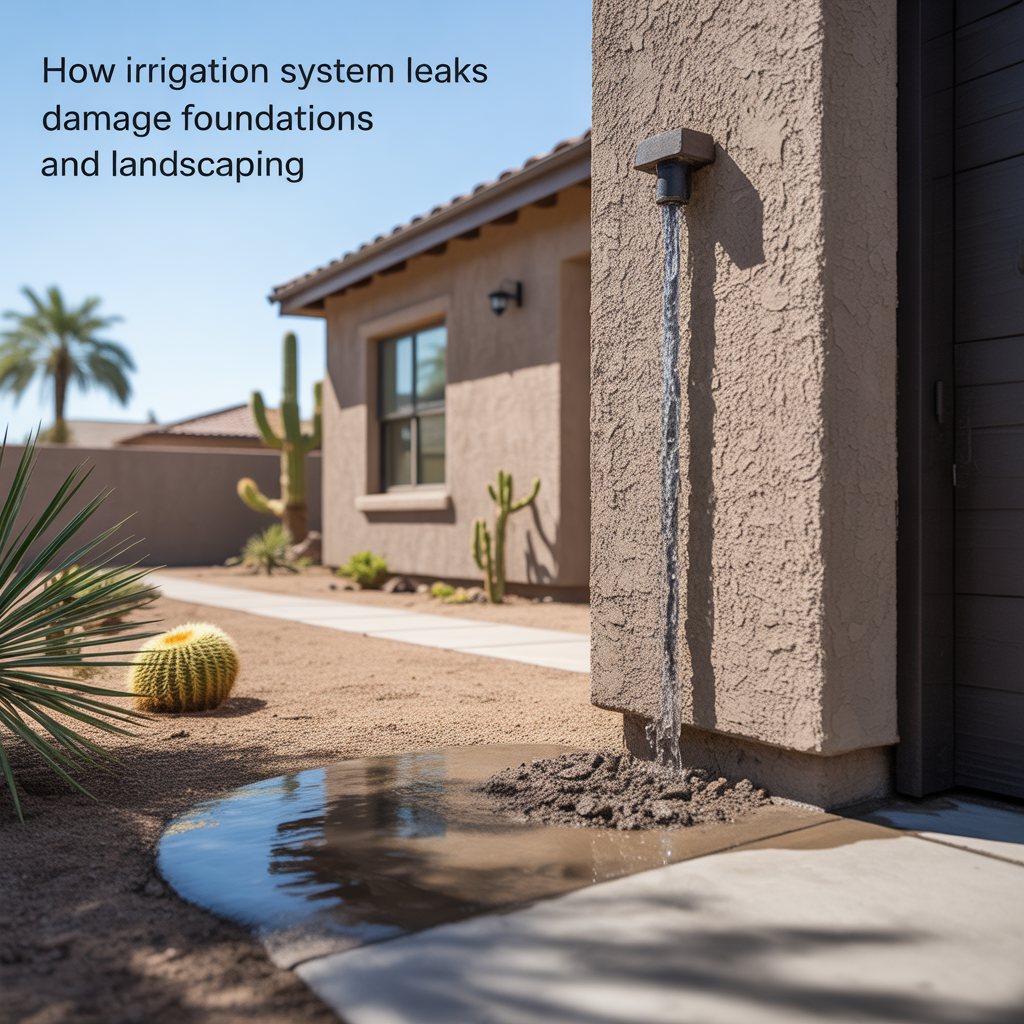
How Irrigation System Leaks Damage Foundations and Landscaping
-

Preventing Roof Damage Before Arizona Monsoon Storms
-

Why AC Tune-Ups Are Critical for Phoenix Homes
-

What Homeowners Should Inspect Before Phoenix Summer Heat Arrives
-

Seasonal Home Maintenance Checklist for Phoenix Homeowners
-
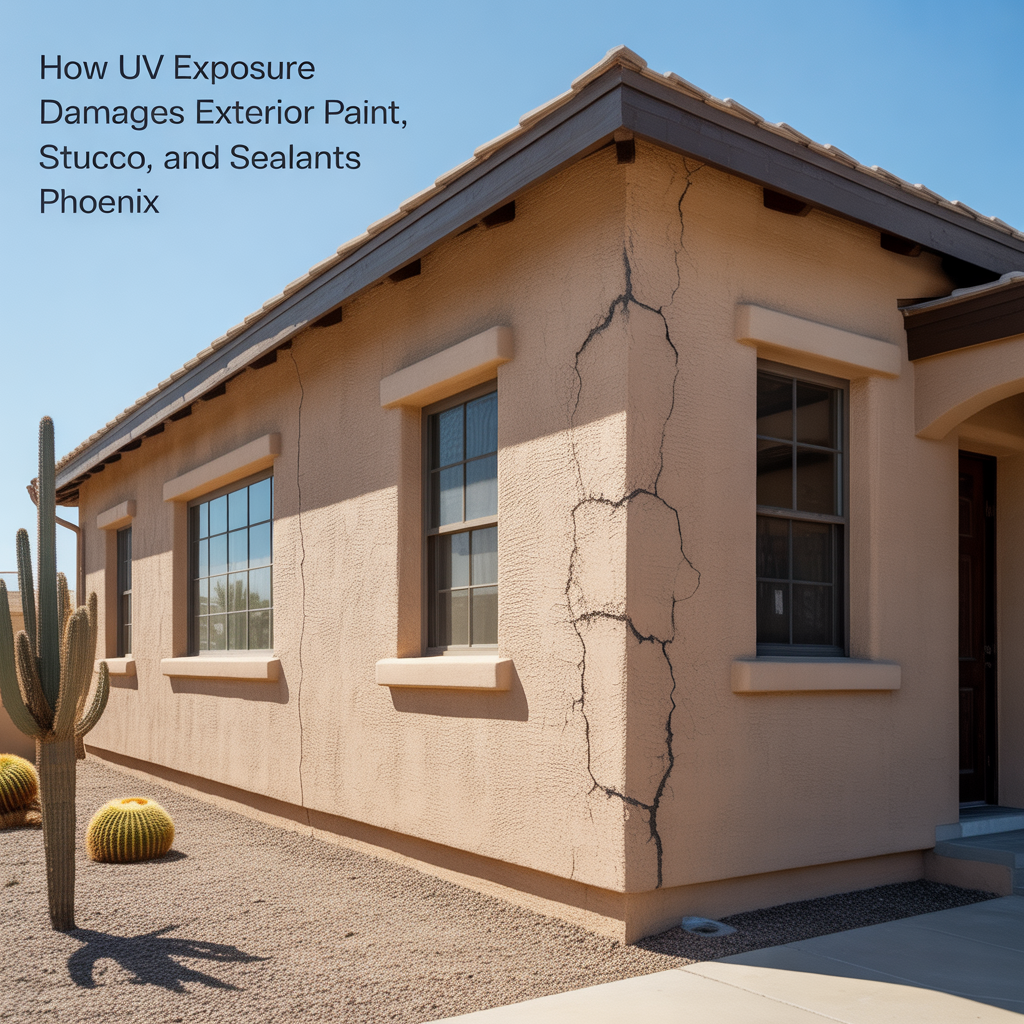
How UV Exposure Damages Exterior Paint, Stucco, and Sealants
-

How Extreme Heat Shortens the Lifespan of Home Systems
-

Why Phoenix Roofs Wear Out Faster Than Many Other Cities
-
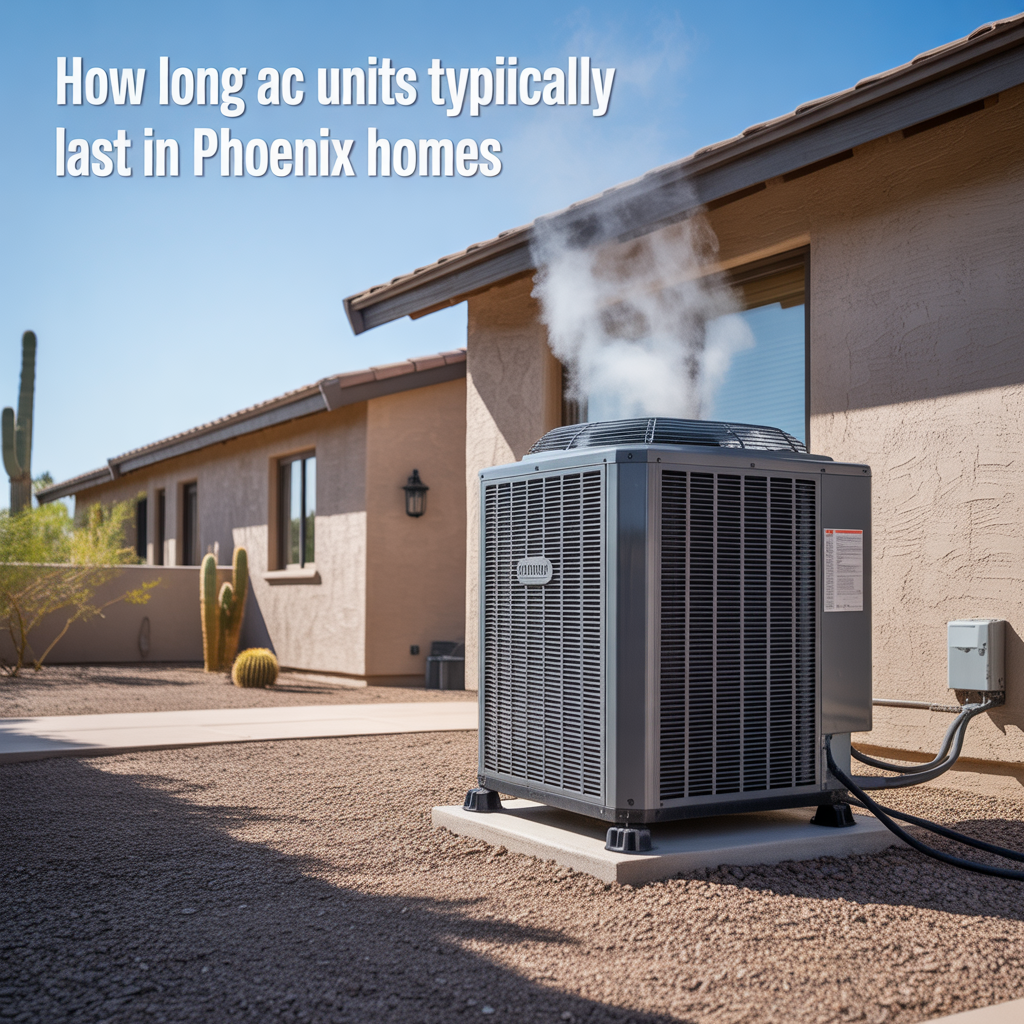
How Long AC Units Typically Last in Phoenix Homes
-

Building a Long-Term Protection Strategy
-
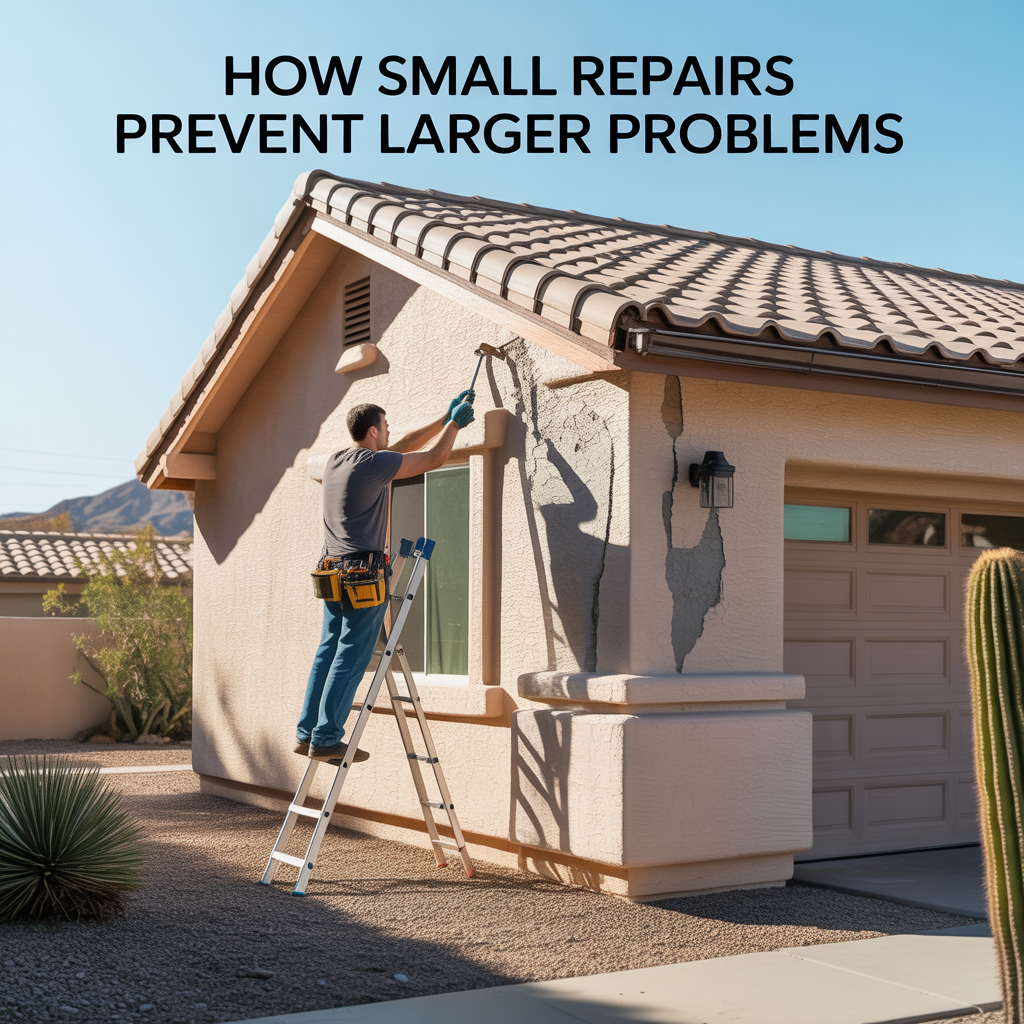
How Small Repairs Prevent Larger Problems
-

Protecting Older Phoenix Homes
-

Warning Signs of Hidden Home Risks
-

Preventative Maintenance That Reduces Insurance Claims
-

Reducing Liability Exposure Around Your Property
-

Liability Coverage Limits Explained
-

When Umbrella Insurance Makes Sense
-

Protecting Yourself From Guest Injury Claims