



This guide is part of our Phoenix Home Buying Process→ [Phoenix Home Buying Process] & for information on selling visit Phoenix Home Selling Process→ [Phoenix Home Selling Process]
Written by: Renee Burke
Once your offer is accepted on a Phoenix-area home, a quiet sense of relief often settles in — but then the questions start. What comes next? How long until keys are in your hand? If you’ve been through this before, you know it’s a process with its own rhythm, especially here in the Valley where escrow is handled a bit differently than other places.
I’ve walked countless families from Mesa to Peoria through this exact stretch, and I can assure you it’s manageable when you know what to expect. In Arizona, we call this phase escrow, and it typically unfolds over 30 to 45 days for financed purchases. Let’s break it down gently, step by step, so you can breathe easier about settling into that new Chandler backyard or North Phoenix patio.
Escrow Opens: The Starting Line (Days 1–3)
Right after both sides sign the Arizona Residential Purchase Contract, your agent opens escrow with a title company — often a familiar name like First American or Stewart Title, right here in Maricopa County. This neutral third party becomes the hub, holding your earnest money deposit (usually 1–3% of the price) in trust.
You’ll get an escrow number and a receipt confirming funds are safe. The title team kicks off a preliminary report, checking for liens, easements, or old judgments that could cloud the deed. Sellers deliver disclosures within a few days — think lead-based paint notices or the property’s insurance claim history, standard for our stucco homes and flat roofs.
It’s a reassuring start: everything’s documented, and no one moves forward until it’s clear.
Inspections: Peeking Under the Hood (Days 3–10)
Arizona buyers get a generous 10-day due diligence period — one of the fairest in the country. Use it wisely: schedule a general home inspection, plus specialists for pest (scorpions are real here), pool, HVAC, and roof. In Phoenix’s intense sun, these checks catch deferred maintenance like cracked tiles or aging AC units before they become your problem.
Review seller disclosures thoroughly; they’ll note monsoon flood history or HOA rules for that Gilbert community pool. If issues pop up — say, a pool pump on its last legs — negotiate repairs, credits, or even walk if your contract allows. Sellers in our market are often flexible, especially motivated snowbirds heading back east.
This phase protects you, letting you envision summer evenings on the ramada without hidden worries.
Title Commitment and HOA Review (Days 7–14)
By now, the title commitment arrives — a roadmap of the property’s legal history. Exceptions like utility easements are normal in Valley neighborhoods with canal access or power lines, but anything bigger gets addressed.
If it’s an HOA property (think Verrado or Eastmark master-planned bliss), escrow orders the resale certificate. This details monthly dues, rules on RV parking, and any pending assessments — crucial for our amenity-rich suburbs. Review it closely; those community fitness centers and playgrounds come with structure.
Your agent flags anything off, ensuring you’re not surprised by neighborhood norms like block parties or holiday light displays.
Appraisal and Loan Underwriting (Days 5–21)
Your lender orders the appraisal early, typically 7–10 days for a Phoenix pro to comp recent sales within a mile or two. They’ll factor in lot premiums near the 202 or school districts like Gilbert Unified, adjusting for that extra bedroom addition.
Underwriting runs parallel, scrutinizing your docs for conditional approval. Submit pay stubs, bank statements, and HOA dues promptly — delays here ripple through summer closing dates when everyone wants AC confirmed.
In hotter pockets like Ahwatukee or Desert Ridge, rapid appreciation sometimes means low appraisals, but a reconsideration with fresh comps often smooths it.
Resolving Repairs and Contingencies (Days 10–25)
Inspection amendments land: sellers agree to fix the water heater or credit for new carpet. Sign them quickly to keep momentum.
If selling a home to buy this one, your contingency resolves — proof funds are lined up or your place is under contract. Cash buyers breeze here, popular for fixer-uppers in South Tempe.
Escrow prorates taxes, HOA fees, and rents if tenanted, prepping your closing disclosure three days out, per federal rules.
Final Walkthrough and Clear to Close (Days 25–30)
Walk the home 24–48 hours before signing — confirm repairs done, no new surprises like monsoon-damaged saguaros. Order homeowners insurance; desert winds make coverage specifics matter.
Your lender issues “clear to close,” funds wire, and escrow confirms. It’s the calm before possession.
Closing Day: Signing, Recording, Keys (Days 30–45)
Head to the title office (or mobile notary for flexibility), photo ID in hand. Review the final HUD-1 or Closing Disclosure — loan terms, costs (2–5% for buyers), prorations.
Sign the deed, note authorizations, and wire down payment. Maricopa County Recorder gets the package same-day often; once recorded, funds disburse to seller, and keys release per contract — usually at recording, letting you move in that evening.
Cash deals wrap in 7–21 days; new builds in Queen Creek add builder timelines.
Phoenix-Specific Twists That Affect the Flow
Our Valley rhythm adds flavor: HOAs in 70% of listings mean extra docs; monsoons prompt roof rushes; out-of-state buyers love remote online notarization for quick winters.
Winter snowbird surges speed things; summer heat slows movers but favors indoor negotiations. New construction in Buckeye? Builders like D.R. Horton build in incentives, extending slightly.
Easing Common Fears During Escrow
I know the what-ifs: “What if title uncovers something?” or “Will underwriting drag?” Proactive agents with Valley title contacts cut days off. Lenders versed in Arizona avoid national snags.
Stay organized — checklists keep you ahead. It’s not just paperwork; it’s safeguarding your dreams of foothill sunsets or canal-side strolls.
Why a Local Guide Makes It Seamless
Years in Phoenix mean I know which escrow officers juggle multiple Gilbert closings smoothly, how to align appraisals with Light Rail boosts, and when to push for faster HOA packets in Scottsdale.
You’re not navigating blind; you have steady hands ensuring every step honors your family’s next chapter.
If you’re thinking about making a move in Phoenix, you don’t have to figure it out alone. I’ve steadied many through escrow’s ins and outs, turning timelines into triumphs. Whether mid-process or just dreaming, reach out — I’m your long-term ally, here to make your Valley homecoming warm and worry-free. Let’s connect soon.
Get the full Phoenix Market Insights → [Market Insights]


-

How the Phoenix Desert Climate Shapes Everyday Life Inside the Home
-

How Phoenix Weather Patterns Shape Everyday Home Routines
-

Why Homes Often Feel More Comfortable After the First Year of Ownership
-

How Living in Phoenix Changes the Way Homeowners Use Their Homes
-

What New Phoenix Homeowners Learn During Their First Year of Ownership
-

How Daily Life Changes After the First Year of Living in a Phoenix Home
-
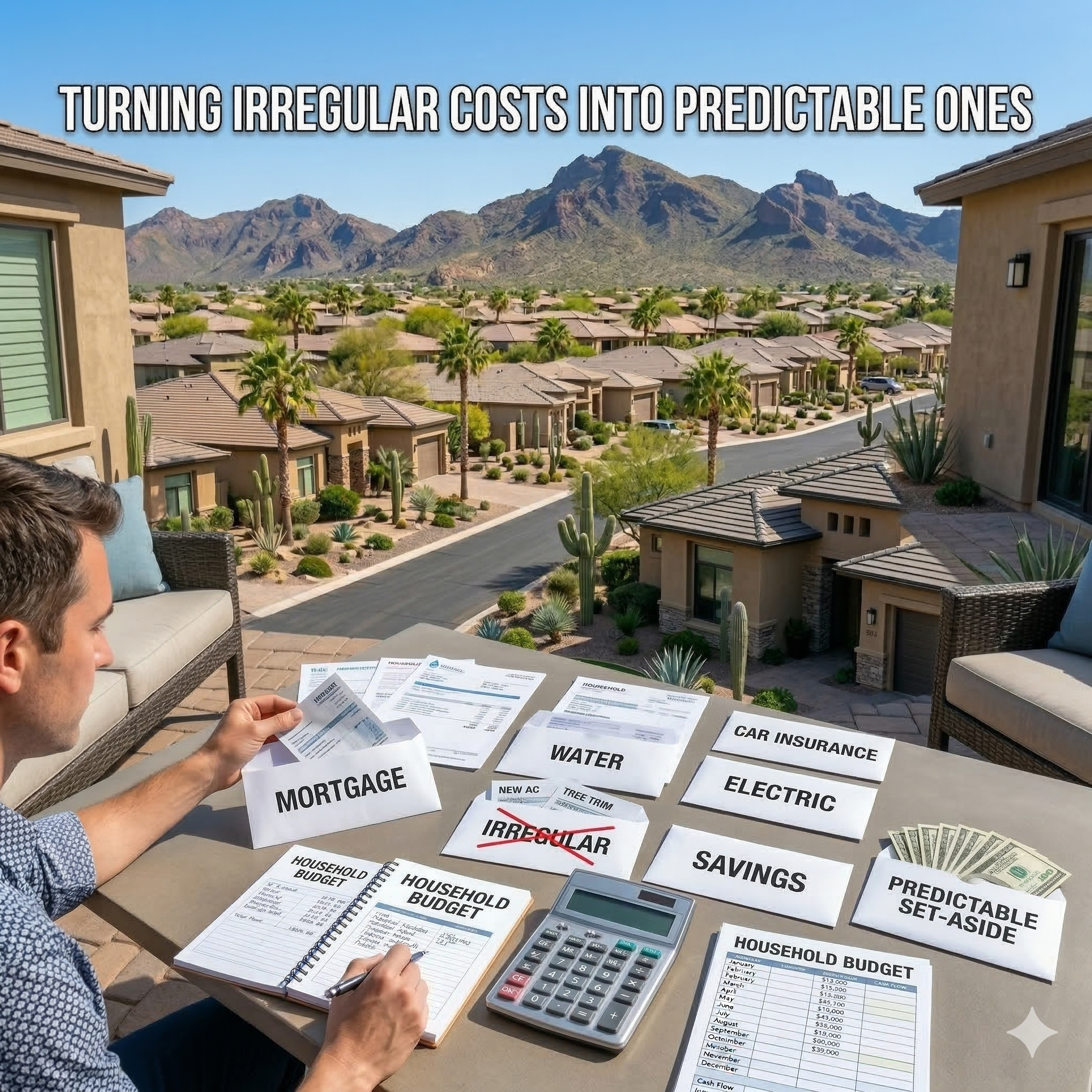
Turning Irregular Costs Into Predictable Ones
-

Budgeting for Ongoing Ownership
-

Repair vs Replace vs Defer Decisions
-

Planning Homeownership Like a Long-Term Asset
-

What Home Expenses You Can Safely Delay
-

Stopping Cost Creep Early
-

Cash Flow vs Net Worth Stress
-

Why “It’s Not That Much” Adds Up
-

Warning Signs Your Ownership Budget Is Tightening
-

The Cumulative Cost of Small Home Repairs
-

Designing Budgets Around Local Conditions
-

Utility Costs Over Time in Desert Climates
-

Insurance Increases Explained for Arizona Homeowners
-

How Inflation Impacts Phoenix Homeownership Costs
-

Avoiding Debt-Driven Homeownership Decisions
-

Replacing Systems on Your Timeline
-

Why Emergency Repairs Cost More
-

Timing Major Expenses Without Financial Shock
-

How Much to Keep in a Phoenix Home Reserve Fund