



This guide is part of our Phoenix Home Buying Process→ [Phoenix Home Buying Process] & for information on selling visit Phoenix Home Selling Process→ [Phoenix Home Selling Process]
Written by: Renee Burke
When you’re in the thick of selling or buying a home here in the Phoenix metro area, timing doesn’t always align perfectly. You might close on your new place in Gilbert before the sellers can pack up their North Phoenix ranch, or need a few extra days in your Ahwatukee home while your next move falls into place. That’s where a post-occupancy agreement comes in — a practical bridge that keeps everyone moving forward without stress.
I’ve helped many families navigate these arrangements over the years, and they’re more common than you might think in our Valley market. It’s simply a written addendum to your purchase contract allowing the seller to stay in the home for a short time after closing, or sometimes the buyer to move in early. Done right, it protects both sides and fits seamlessly into our desert lifestyle transitions.
How Post-Occupancy Agreements Work in Arizona
In Arizona, these are often called post-closing occupancy agreements or “seller rent-back” deals. They’re added as a rider to the standard Arizona Residential Purchase Contract, signed before closing. The terms spell out everything clearly: how long the occupancy lasts (typically up to 60 days, but shorter is ideal), daily or monthly rent (often based on your mortgage payment or prorated sale price), who pays utilities, and maintenance responsibilities.
For stays under 30 days, it’s treated as transient lodging — exempt from the full Arizona Residential Landlord and Tenant Act (ARLTA). Beyond that, it functions more like a short-term lease with added protections. Escrow handles the paperwork, ensuring funds like a security deposit (usually one month’s rent) are held safely. Once signed, title transfers at closing, but possession waits until the agreed date.
This setup is straightforward in Maricopa County, where title companies like Stewart or Chicago Title specialize in these addendums. It’s all about mutual respect — the seller gets breathing room to relocate, while the buyer earns rent and avoids an empty house.
Why They’re Common in Phoenix Real Estate
Our market’s rhythm makes post-occupancy agreements a natural fit. Snowbirds selling before heading back to Minnesota often need 30 days to wrap up affairs. Families upgrading from a Chandler townhome to a larger Queen Creek lot might overlap closings. And with new construction booming in Buckeye and Eastmark, buyers sometimes request early access for custom finishes.
In competitive neighborhoods like Arcadia or Desert Ridge, these agreements sweeten offers — sellers feel secure, buyers show flexibility. During peak winter sales, they prevent rushed moves amid holiday chaos or monsoon prep. It’s practical for our sprawling suburbs, where coordinating moves across the 101 or I-10 can take planning.
Key Terms to Negotiate Thoughtfully
A solid agreement covers the essentials without surprises:
- Duration: 7–30 days is most common; rarely over 60 to avoid landlord-tenant headaches.
- Rent: $1–$2 per day per $1,000 of sale price is standard — so a $600,000 home might run $30–$60 daily.
- Security deposit: Full month’s rent, refundable upon clean handover.
- Utilities and upkeep: Seller pays all until vacate; buyer gets access for repairs if needed.
- Insurance: Buyer’s policy kicks in at closing; seller adds renter’s coverage.
- Holdover penalties: Double rent daily if overstaying, with eviction rights if necessary.
Your agent ensures these align with local norms — like accounting for HOA rules in gated Scottsdale enclaves or pool maintenance in Mesa backyards.
Benefits and Gentle Cautions for Buyers
As the buyer, you gain immediate equity and rental income, plus the seller’s incentive to maintain the property pristine. It’s reassuring knowing they’ll treat it like their own until move-out.
That said, risks exist: what if they damage the AC during a heatwave or refuse to leave? That’s why clear penalties and a walkthrough clause matter. I always advise buyers to confirm seller motivation — empty-nesters downsizing to Sun City are reliable; investors less so. Your homeowner’s insurance adjusts easily, but notify them early.
Benefits and Considerations for Sellers
Sellers love the breathing room to find their next home without double moves or storage fees. You close on your timeline, using sale proceeds for the down payment elsewhere, all while staying in familiar surroundings.
Just know you’re now a tenant: pay rent on time, keep it tidy, and vacate promptly. Delays could cost double fees or legal fees — rare, but possible under ARLTA for longer terms. In Phoenix’s hot summers, proactive AC care prevents disputes.
Phoenix-Specific Nuances to Watch
Valley living adds layers. HOAs in 70% of our communities (think Verrado or DC Ranch) often cap rent-backs at 30 days and require board approval. Monsoon season means addressing roof leaks pre-vacate. For mid-century moderns in Encanto or fixer-uppers in South Tempe, specify cleaning standards for tile floors and evaporative coolers.
New builds from Taylor Morrison might offer buyer possession early, flipping the script. And with Light Rail expansions boosting Central Corridor values, quick rent-backs help sellers capitalize without vacancy.
Making It Work Without Worry
I’ve seen post-occupancy agreements turn potential chaos into smooth handoffs — a seller lingering in Peoria while closing on Peoria Meadows, or buyers settling into Glendale before their old lease ends. Communication is key: weekly check-ins build trust.
Work with pros who know Maricopa County quirks — agents with escrow relationships ensure airtight docs. It’s rarely contentious when terms are fair.
Real-Life Examples from the Valley
Picture a family selling their Foothills home for a Gilbert pool paradise. They needed 21 days post-closing to align kids’ school transitions — rent at $50/day covered the buyer’s holding costs, everyone happy.
Or a retiree in Sun Lakes staying 14 days to pack antiques, leaving the home spotless for its young buyer. These stories remind us: flexibility honors life’s real timelines.
If you’re thinking about making a move in Phoenix, you don’t have to figure it out alone. I’ve crafted countless post-occupancy agreements that protect dreams on both sides, drawing from years right here in the Valley. Whether negotiating terms or easing transition worries, reach out — I’m your steady guide for every step, committed to your confidence now and long into your homeownership journey. Let’s talk soon.
Get the full Phoenix Market Insights → [Market Insights]


-

How the Phoenix Desert Climate Shapes Everyday Life Inside the Home
-

How Phoenix Weather Patterns Shape Everyday Home Routines
-

Why Homes Often Feel More Comfortable After the First Year of Ownership
-

How Living in Phoenix Changes the Way Homeowners Use Their Homes
-

What New Phoenix Homeowners Learn During Their First Year of Ownership
-

How Daily Life Changes After the First Year of Living in a Phoenix Home
-
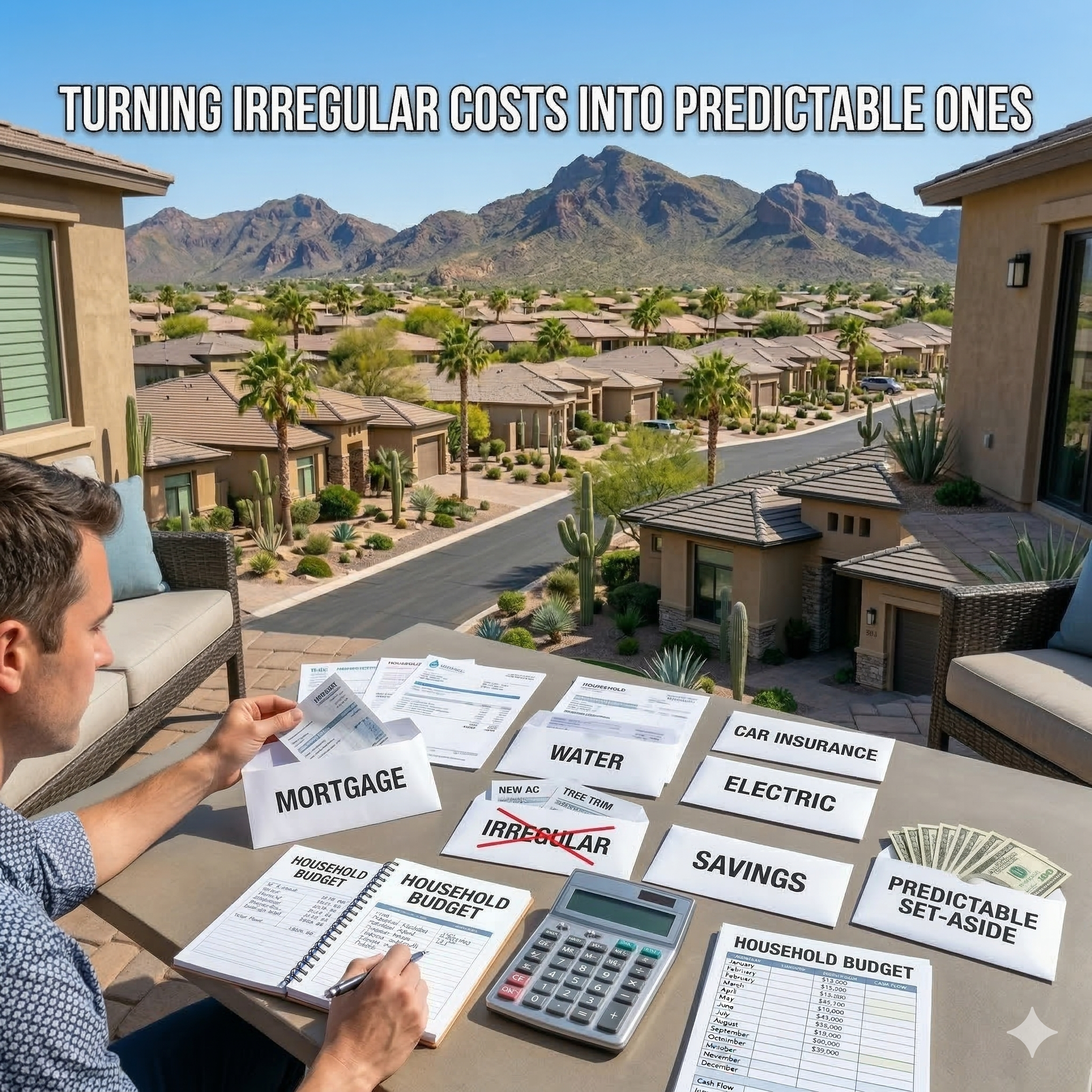
Turning Irregular Costs Into Predictable Ones
-

Budgeting for Ongoing Ownership
-

Repair vs Replace vs Defer Decisions
-

Planning Homeownership Like a Long-Term Asset
-

What Home Expenses You Can Safely Delay
-

Stopping Cost Creep Early
-

Cash Flow vs Net Worth Stress
-

Why “It’s Not That Much” Adds Up
-

Warning Signs Your Ownership Budget Is Tightening
-

The Cumulative Cost of Small Home Repairs
-

Designing Budgets Around Local Conditions
-

Utility Costs Over Time in Desert Climates
-

Insurance Increases Explained for Arizona Homeowners
-

How Inflation Impacts Phoenix Homeownership Costs
-

Avoiding Debt-Driven Homeownership Decisions
-

Replacing Systems on Your Timeline
-

Why Emergency Repairs Cost More
-

Timing Major Expenses Without Financial Shock
-

How Much to Keep in a Phoenix Home Reserve Fund