



This guide is part of our Phoenix Home Buying Process→ [Phoenix Home Buying Process] & for information on selling visit Phoenix Home Selling Process→ [Phoenix Home Selling Process]
Written by: Renee Burke
In the Phoenix metro area, where homes in places like Gilbert or North Phoenix often spark bidding frenzies despite our steady 2026 market, an appraisal gap can feel like a sudden curveball — the moment when your lender’s valuation doesn’t match the price you’ve agreed to pay. It’s simply the difference between the home’s appraised value and your contract price, and it happens when enthusiasm drives offers above what comps support.
I know this can stir worry, especially for families eyeing Chandler schools or Scottsdale trails, fearing the deal might unravel. Rest easy — in Arizona, you have clear paths forward, and I’ve helped dozens navigate them right here in the Valley with calm, practical steps.
Defining the Appraisal Gap in Arizona Terms
Your lender orders an appraisal — an independent assessment using recent sales of similar Valley homes (comps) — to confirm the property justifies their loan amount. If your $550,000 offer on an Ahwatukee gem appraises at $530,000, that’s a $20,000 gap. The bank finances only up to appraised value, leaving you to bridge the rest in cash at closing.
Phoenix specifics play in: Appraisers weigh our desert upgrades like pebble Tec pools, leased solar arrays in Eastmark, or mountain-view lots in Cave Creek against comps from the past 3-6 months. Heat-adjusted HVAC or recent stucco refreshes boost value; dated interiors or soil-shift cracks pull it down.
Gaps arise in hotter segments — sub-$500,000 family homes near Power Ranch or quick-resales in Glendale — where multiple offers push prices past lagging comps.
Why Appraisal Gaps Happen in the Valley Market
Our market blends steady demand from TSMC relocators and local upsizers with rising inventory, but desirable resales still outpace supply in key spots. Buyers ladder offers or escalate, landing above list. Appraisers, bound by data, can’t chase frenzy; they stick to sold comps, not pending bids or list prices.
In 2026, gaps average $10,000-$30,000 on $400,000-$700,000 homes. New Queen Creek builds appraise closer to contract thanks to builder comps; older Mesa tracts gap wider if staging masks wear.
Sellers price strategically; buyers compete on emotion. The disconnect? Appraisals lag our fluid Valley rhythm.
Standard Arizona Contract Protections
The Arizona Association of REALTORS® Residential Resale Contract includes a default appraisal contingency. If the home appraises low, you get a Loan Status Update (LSU) chance to renegotiate price, request seller credits, or cancel with earnest money intact — typically within 5 days of the report.
No gap coverage? You’re protected. But in competitive offers, many waive or modify it to appeal, promising to cover up to $10,000-$20,000 over appraisal.
Strategies to Handle or Avoid Gaps
When the report lands low:
- Negotiate down: Sellers often split the difference, especially if inventory waits. I’ve seen $15,000 gaps close at $7,500 each in balanced Chandler deals.
- Cover the cash gap: If committed, bring extra funds. Pre-approve for this; it’s common for 5-10% gaps.
- Appraisal gap clause: In your offer, pledge “Buyer to pay up to $15,000 over appraised value, not to exceed purchase price.” Strengthens bids without full waiver.
- Challenge the appraisal: Request reconsideration with new comps (e.g., updated North Phoenix sales). Lenders allow it if evidence sways.
Proactive moves: Research comps via your agent, offer at realistic escalations, or pair with inspection credits for seller concessions.
| Scenario | Purchase Price | Appraised Value | Gap | Options |
|---|---|---|---|---|
| Standard Contingency | $500,000 | $480,000 | $20,000 | Renegotiate, cancel, or pay cash |
| Gap Clause ($15k cap) | $500,000 | $485,000 | $15,000 | Buyer pays; deal proceeds |
| Full Waiver | $500,000 | $475,000 | $25,000 | Buyer pays all; no recourse |
| Seller Concession | $500,000 | $480,000 | $20,000 | Split: $10k each via credit |
Seller’s View and Local Nuances
Sellers in Scottsdale or Fountain Hills favor gap coverage — it locks deals. But ethical ones provide pre-appraisal reports or price realistically. Post-gap, they might drop price, add carpet allowances, or repair comp-boosters like fresh roofs.
Phoenix quirks: Solar leases undervalue without transfers; pools inflate if upgraded. Monsoon-damaged exteriors tank numbers. 2026’s buyer-friendly tilt (per Zillow ranks) gives leverage — sellers concede more.
Risks and Real-Life Valley Examples
Risk: Overpaying erodes equity. A $25,000 gap on a $450,000 Gilbert starter hurts if values dip. Emotional FOMO tempts it; regret follows.
Example: Family offers $525,000 on Chandler pool home amid bids. Appraises $505,000. Seller splits $10,000; buyer adds $10,000 cash. Closes smoothly, enjoys East Valley life.
Another: North Phoenix investor waives fully, covers $18,000 gap on flip. Profits later; risk suited their math.
Misconception: “Comps always match offers.” Not here — our year-round sales skew data.
When to Embrace — And When to Walk
Gaps suit cash-rich buyers or those valuing lifestyle over equity (trail access trumps perfection). Families building roots? Negotiate fully.
With more inventory, full contingencies win often. Prioritize fit: Low HOA for Gilbert markets, schools for Avondale.
Your Path Forward With Clarity
Appraisal gaps test resolve but don’t derail informed buyers. They ensure fair lending while letting market passion shine.
If you’re thinking about making a move in Phoenix, you don’t have to figure it out alone. Reach out — let’s map your offer to sidestep surprises and land the home that fits your Valley dreams perfectly.
Get the full Phoenix Market Insights → [Market Insights]


-

Event Impacts on Mesa Evenings
-

Areas Where Cross‑City Trips Feel Heavy
-
Micro‑Mobility Utility by Mesa Area
-

Park‑and‑Ride Options Around Mesa
-

Light Rail and Bus Use Cases in Mesa
-
Key Freeway Connections in Mesa
-

Access to Phoenix‑Mesa Gateway Airport
-

Real‑World Drive Times to Sky Harbor From Mesa
-

Heat and Microclimates in Mesa
-

Airport and Freeway Proximity Within the East Valley
-
Dining Density by Mesa Corridor
-

Real Outdoor Access by Mesa Area
-

Commute Corridors and Directions in Mesa
-
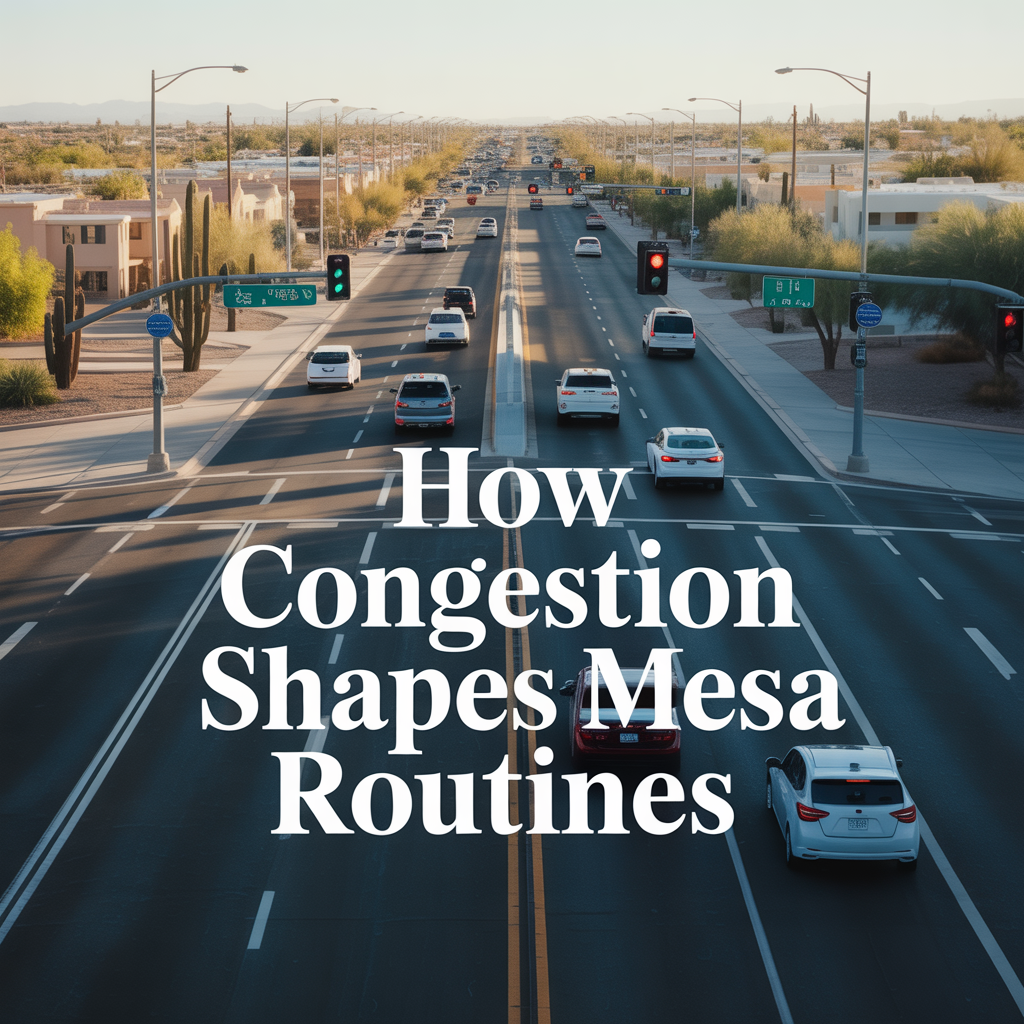
How Congestion Shapes Mesa Routines
-

Tradeoffs of Living Farther East Mesa
-

Remote‑Work Friendly Areas in Mesa
-

Daily Errand Routing Across Mesa
-

Reverse Commutes in Mesa Pros/Cons
-

Mesa Freeway Slowdown Hotspots
-

Peak Traffic Directions in Mesa
-

Season Shifts in Outdoor Time in Mesa
-

Dog and Kid Friendly Parks Mesa
-

Best Mesa Parks for Regular Use
-

Trail Systems That Fit Mesa Life
-

Active Parks vs Passive Greenspace Mesa