


This guide is part of our Phoenix Home Buying Process→ [Phoenix Home Buying Process] & for information on selling visit Phoenix Home Selling Process→ [Phoenix Home Selling Process]
Written by: Renee Burke
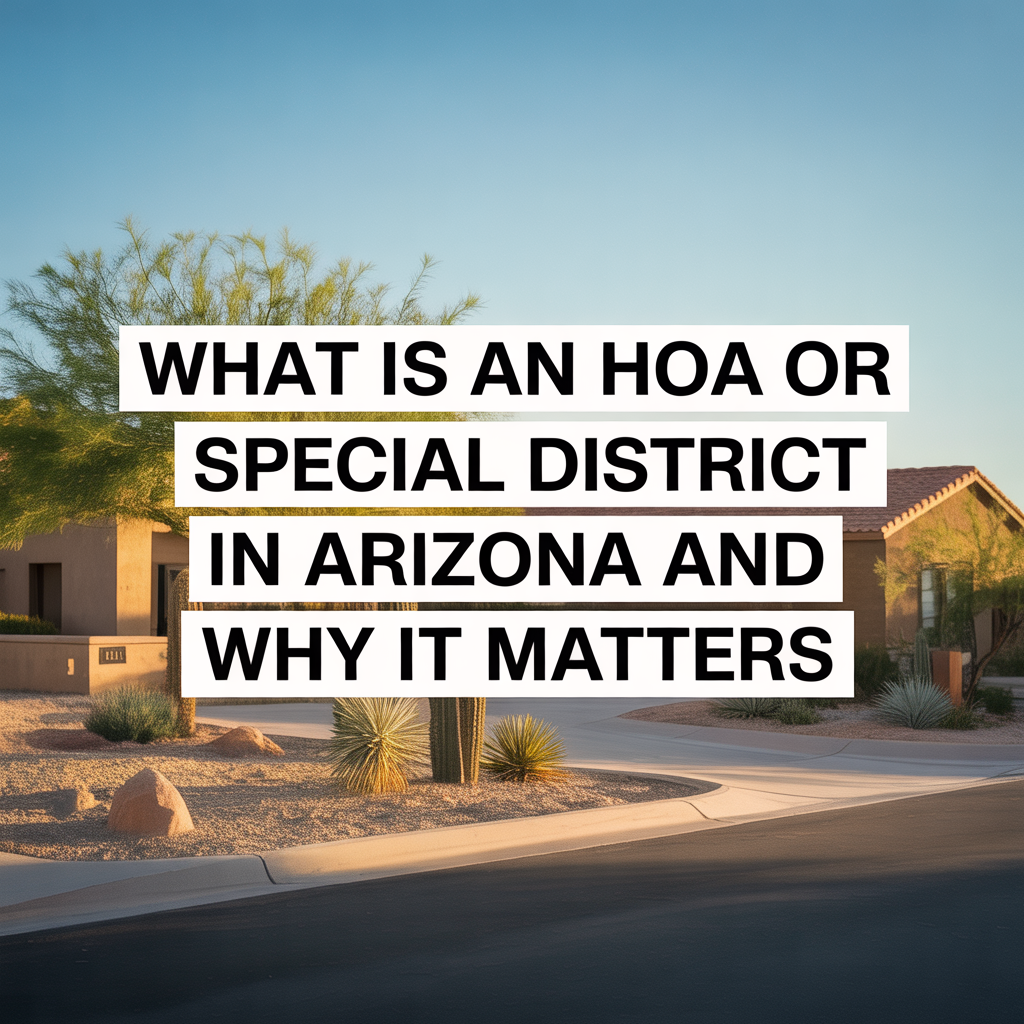
When you’re house hunting in the Phoenix metro area—whether it’s a cozy ranch in Peoria, a modern townhome in Gilbert, or a sprawling estate up in Cave Creek—one detail often jumps out from the listing: HOA. And sometimes, tucked into the fine print, you’ll see mentions of a special district. These aren’t just bureaucratic terms; they’re the quiet forces shaping how your neighborhood looks, feels, and functions every single day.
I get why they can feel overwhelming at first. As someone who’s walked countless buyers through these decisions right here in the Valley, I know the questions that swirl: What do they really control? Will they cramp my style? And most importantly, how do they protect—or impact—my biggest investment? Let’s unpack this gently, step by step, so you can see exactly how they fit into Phoenix living.
Understanding HOAs in Arizona
Here in Arizona, a Homeowners Association, or HOA, is a nonprofit organization created specifically for planned communities—like the master-planned gems of Eastmark in Mesa or Power Ranch in Gilbert. It’s not a government body; it’s formed by developers and then handed over to residents, with all lot owners automatically becoming members when they buy in.
The HOA’s core purpose is straightforward: maintain shared spaces and uphold community standards to protect everyone’s property values. Think community pools at Verrado in Buckeye, manicured medians along Queen Creek roads, or even basic trash enclosure rules in older Chandler subdivisions. They collect monthly or quarterly dues—anywhere from $25 in simpler setups to $200-plus for resort-style perks—to cover landscaping, lighting, clubhouses, and sometimes security patrols.
Governed by documents like the CC&Rs (Covenants, Conditions, and Restrictions), bylaws, and articles of incorporation, HOAs enforce rules on exteriors: paint colors, fence heights, holiday lights duration. These are recorded with the county and bind every owner like a contract. Arizona’s Planned Communities Act sets the legal framework, ensuring transparency in finances, meetings, and disputes.
Special Districts: The Public Side of Community Funding
Now, special districts—sometimes called Community Facilities Districts (CFDs) or Municipal Property Corporations (MPCs) in Arizona—operate a bit differently. They’re government-created entities, often tied to newer developments in places like Buckeye or Surprise, designed to fund big-ticket infrastructure that cities might not cover alone.
Unlike HOAs, which focus on private amenities, special districts handle public services: roads, water lines, parks, even fire stations. In the West Valley’s booming master-plans, you’ll see them financing underground utilities or flood control—essentials in our monsoon-prone climate. Residents pay via a tax assessment on their property bill, separate from HOA dues, often for 20-30 years until bonds are paid off.
What ties them together? Both ensure your neighborhood thrives long-term. An HOA keeps the private pool sparkling; a special district paves the roads leading to it. In Phoenix metro, many communities layer both for that polished, turnkey feel.
Why HOAs Matter in Phoenix Living
Living under an HOA isn’t just about rules—it’s about the lifestyle they create. In our fast-growing Valley, where Gilbert’s family-friendly vibe or Scottsdale’s upscale polish draws buyers from everywhere, HOAs foster uniformity that boosts resale appeal. A well-kept community signals stability to the next owner, often translating to 5-10% higher values over time.
They address real fears too—like the neighbor in West Mesa who lets palms overhang the sidewalk, or unkempt yards in older Glendale pockets that drag down the block. HOAs step in with fines or fixes, creating harmony. For frequent travelers (plenty of us snowbirds’ kids), they watch vacant homes and handle common-area surprises, like a burst irrigation line after a rare freeze.
But I hear the concerns: “Will they dictate my sunset lights or RV parking?” Most Valley HOAs are resident-led boards—volunteers from your own street—focused on fairness under Arizona law. They can’t touch your indoor decor or politics, and state rules require due process: notices, hearings, even mediation via the Arizona Department of Real Estate’s HOA Dispute Process.
The Real Impact of Special Districts
Special districts shine where growth meets geography. Think Buckeye’s expansive new builds: without them, developers couldn’t afford the water infrastructure for our desert boom. Your tax assessment—say, $1,000-3,000 yearly—funds streetlights that stay on during power outages or parks where kids play safely.
The why-it-matters part? They prevent the patchwork infrastructure you see in pre-HOA-era Central Phoenix, where alleys flood or roads crumble. In return, your home appreciates as the area matures. Downsides? Those assessments add to escrow, and if you’re on a fixed income in Sun Lakes, they sting. But they’re finite—unlike property taxes—and often grandfather in existing owners.
Rights, Responsibilities, and Misconceptions
Arizona law empowers homeowners beautifully. HOAs must provide financial records annually, hold open meetings, and give 30 days’ notice before foreclosing on liens (only after $1,200+ in unpaid dues or a year’s delinquency). You can’t opt out—buying in means joining—but selling exits you cleanly.
A common fear: overreach. Truth is, boards can’t foreclose without chances to pay or appeal, and fines need CC&R backing. Special districts? Transparent via annual reports, with oversight from city councils.
Misconception cleared: They’re not “for the rich.” Basic HOAs in Mesa start cheap, protecting modest ranchos just as fiercely.
Costs and Value in the Valley Context
Expect HOA dues reflecting amenities: $50/month in Chandler for basic landscaping, $300 in North Scottsdale for golf and spas. Special district fees? $0.50-$2 per $100 assessed value, baked into taxes.
The trade-off math: Save on no HOA? Sure, but budget $500-1,000 yearly for your own xeriscape or fence touch-ups. Resale data shows HOA homes sell 20% faster here, per local trends. In Queen Creek’s family boom, that uniformity reassures out-of-state buyers.
Finding Your Fit in Phoenix Metro
East Valley? HOAs dominate new Gilbert builds for playgrounds and events. West Valley mixes both, with CFDs fueling Surprise’s growth. Central cores like Arcadia offer lighter-touch versions amid historic charm.
Ask: Do you crave resort perks or solo freedom? Travel much? Family-focused? The right combo aligns with your days—poolside barbecues in Peoria or quiet desert nights in Cave Creek.
A Thoughtful Next Step
Phoenix’s neighborhoods are as varied as our sunsets, and whether it’s an HOA maintaining that Gilbert greenbelt or a special district lighting Buckeye boulevards, these structures quietly elevate our quality of life. I’ve guided families through these details for years, watching relief wash over them once the pieces click.
If you’re thinking about making a move in Phoenix, you don’t have to figure it out alone. Reach out—let’s chat about your must-haves, review those CC&Rs together, and ensure your new address feels like the perfect fit. You’ve got this, and I’ve got your back.
Get the full Phoenix Market Insights → [Market Insights]


-
Cost of Living in Rhode Island: Housing, Taxes, Utilities, and Everyday Expenses
-

What If My Commute Becomes Worse Than Expected?
-

How Aging Home Systems Affect Property Value
-

Energy Efficiency Upgrades for Phoenix Homes
-
How to Plan for Major Home System Replacements
-

When Phoenix Homeowners Should Replace Water Heaters
-

Repair vs Replace Decisions for Phoenix HVAC Systems
-
Creating a Long-Term Home Maintenance Plan
-
How Often Phoenix Homes Should Be Professionally Inspected
-
Early Warning Signs of Major Home System Failures
-

How Preventative Maintenance Protects Phoenix Property Value
-

The Best Annual Home Maintenance Plan for Phoenix Homes
-

Electrical Safety Inspections for Older Phoenix Homes
-
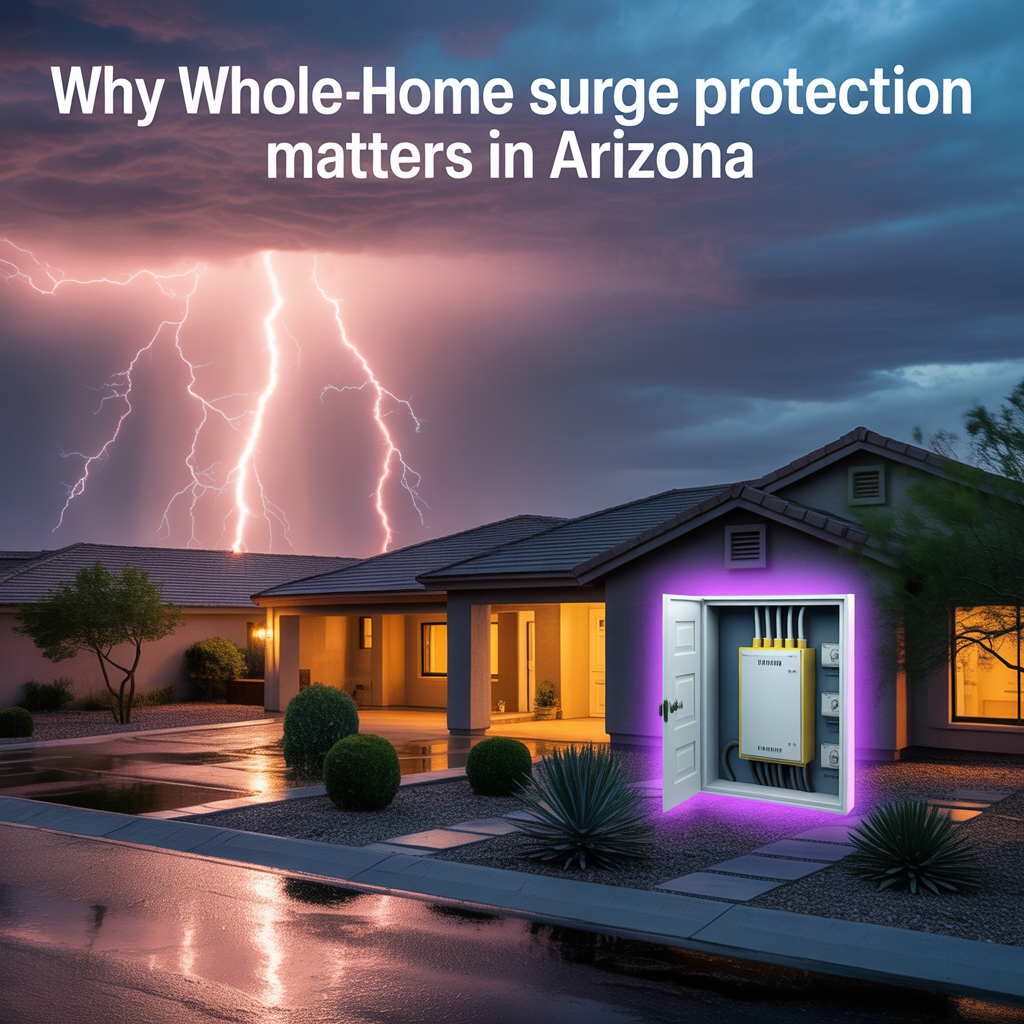
Why Whole-Home Surge Protection Matters in Arizona
-

Preparing a Phoenix Home for Electric Vehicle Charging
-

Signs Your Home’s Electrical System Is Overloaded
-
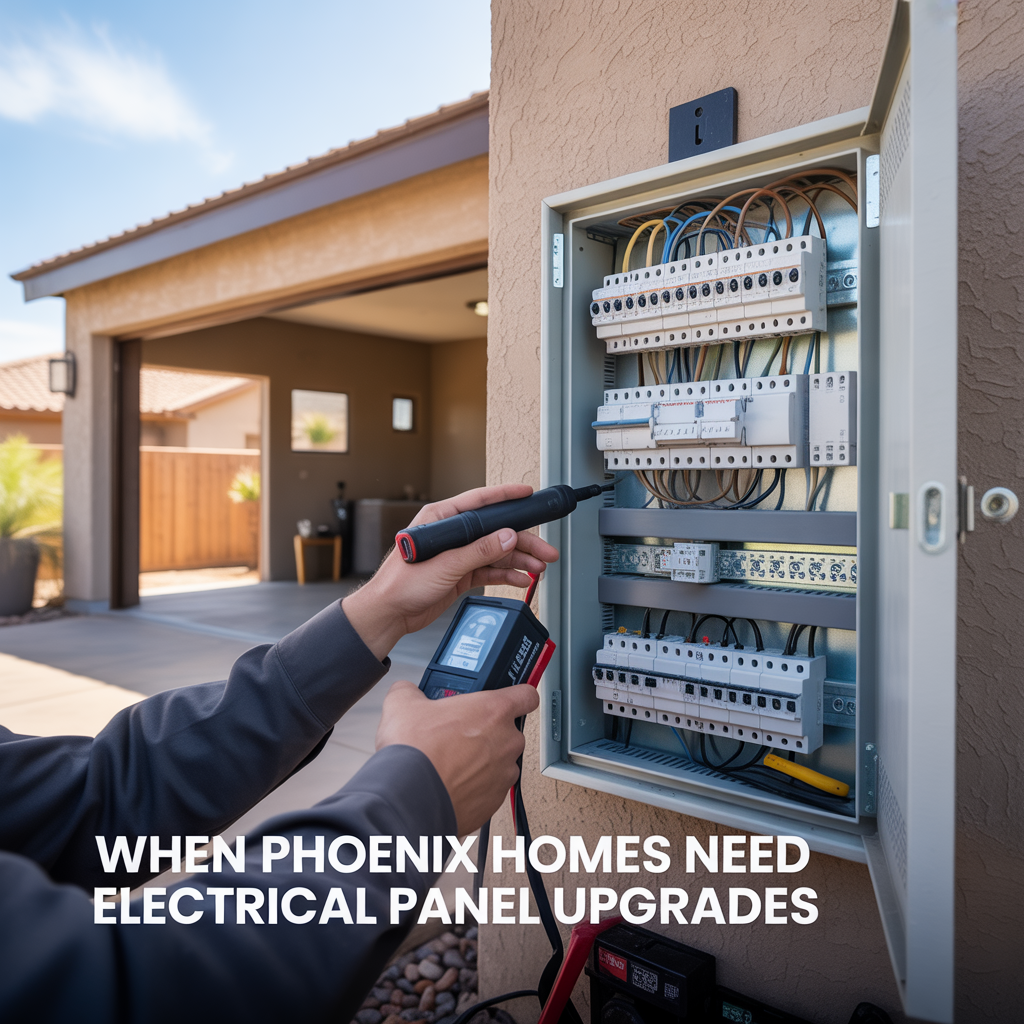
When Phoenix Homes Need Electrical Panel Upgrades
-

Water Pressure Problems in Phoenix Homes Explained
-
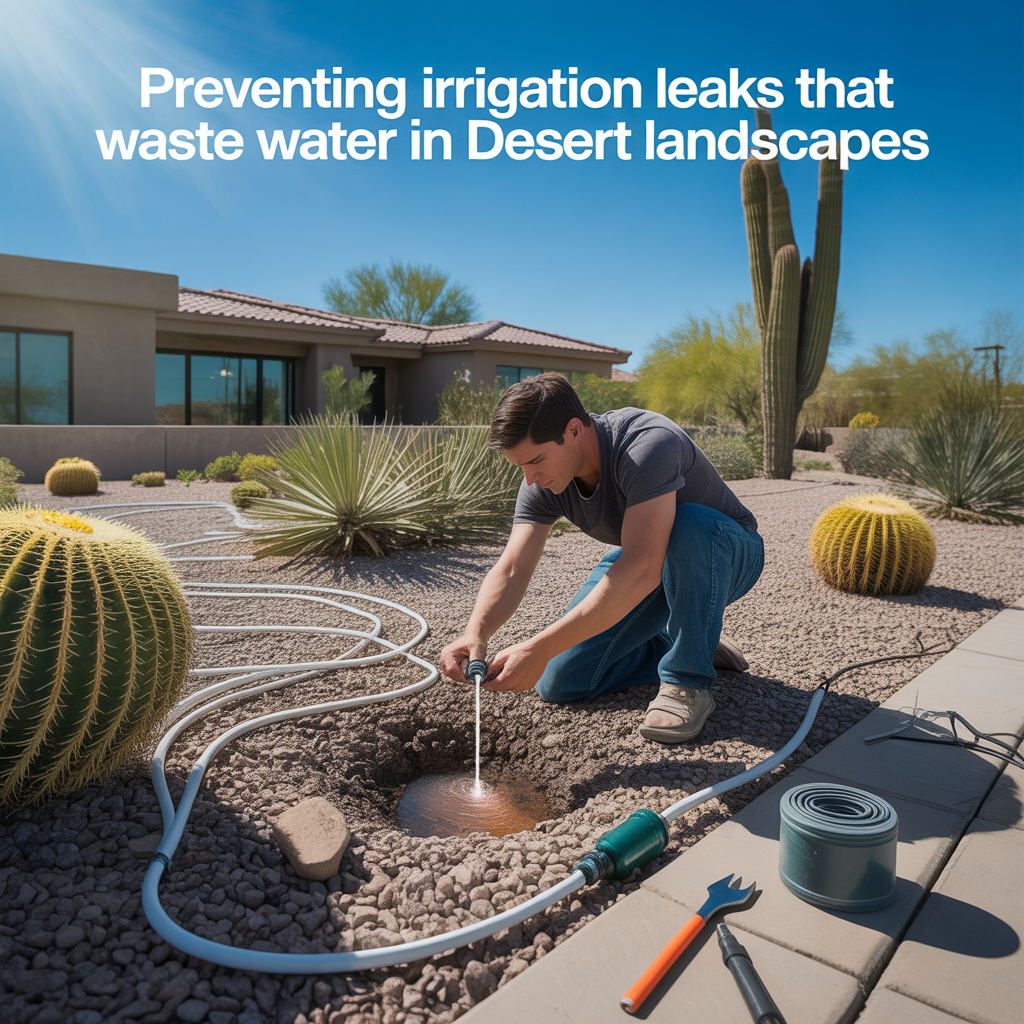
Preventing Irrigation Leaks That Waste Water in Desert Landscapes
-

Signs of Hidden Plumbing Leaks in Phoenix Houses
-

How Long Water Heaters Last in Arizona Homes
-

How Hard Water Affects Plumbing Systems in Phoenix Homes
-

Preventing Water Damage in Phoenix Homes During Storms
-

Roof Maintenance Tips Before Phoenix Monsoon Season
-
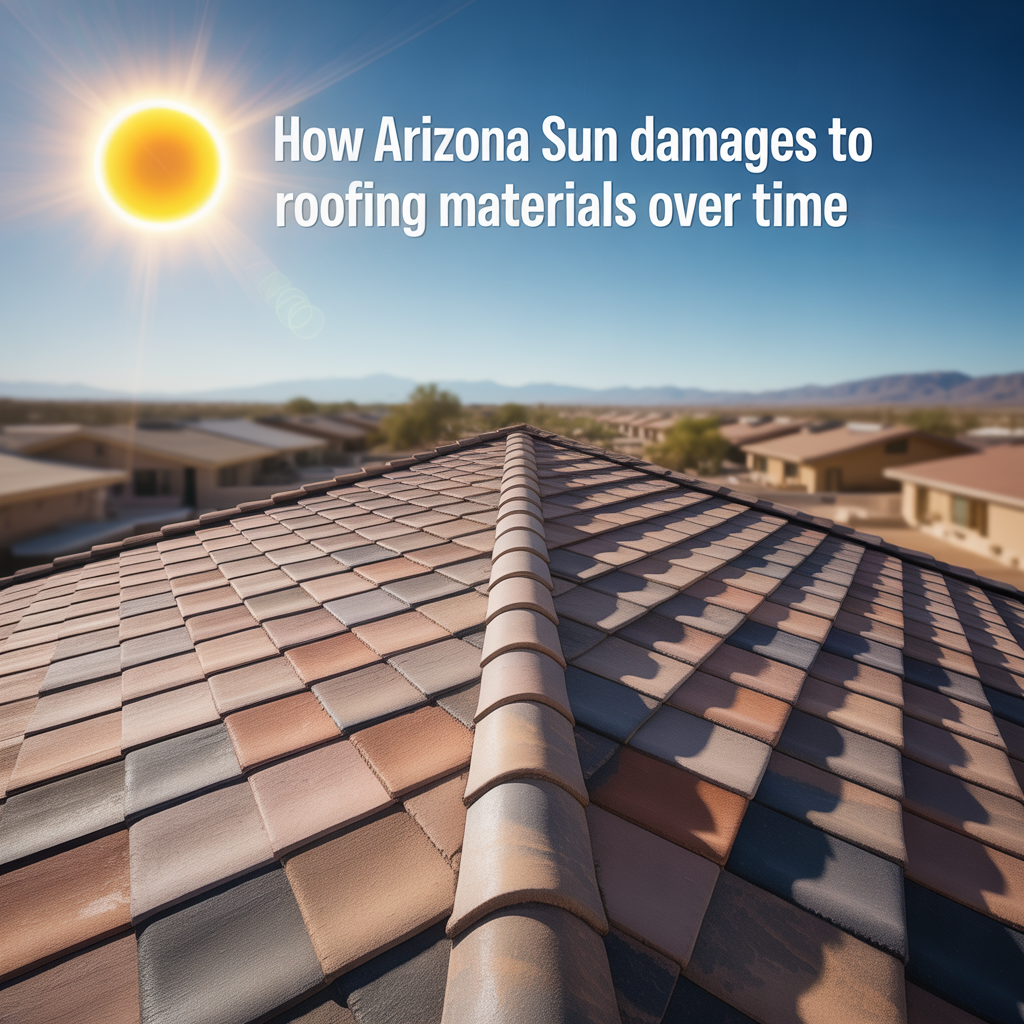
How Arizona Sun Damages Roofing Materials Over Time