



This guide is part of our Phoenix Home Buying Process→ [Phoenix Home Buying Process] & for information on selling visit Phoenix Home Selling Process→ [Phoenix Home Selling Process]
Written by: Renee Burke
When you’re navigating a home purchase in the Phoenix metro area, earnest money is one of those terms that pops up early and often — a tangible sign of your commitment that helps keep everything moving forward smoothly. It’s not just another line item on the contract; it’s the buyer’s way of saying, “I’m serious about this home,” while giving the seller peace of mind in our fast-paced Valley market.
Many first-time buyers I work with in places like Chandler or North Phoenix worry it might tie them down too tightly or vanish if things don’t go as planned. Rest assured, in Arizona, earnest money is designed with protections in place, handled through our standard AAR contracts. Let me guide you through it step by step, just as I do with my clients.
The Basics of Earnest Money in Arizona
Earnest money, often called a “good faith deposit,” is the initial sum a buyer submits shortly after their offer is accepted. In Arizona’s Residential Resale Real Estate Purchase Contract, it’s typically due within a few days — often three business days — and deposited with a neutral escrow agent or title company, like those we rely on here in Phoenix such as First American or Chicago Title.
This deposit demonstrates sincerity. For a $500,000 home in Gilbert’s popular Eastmark community, it might range from $5,000 to $15,000, or about 1-3% of the purchase price. It’s not a down payment — think of it more like a security deposit that gets credited back to you at closing toward your closing costs or down payment.
What reassures buyers most? It’s fully refundable if you cancel for legitimate reasons outlined in the contract, like a failed inspection or financing snag. Sellers appreciate it because it compensates them for taking their home off the market during your due diligence.
How Earnest Money Flows in a Phoenix Transaction
Once your offer on that dream home in Ahwatukee is accepted, you wire or deliver the check to the designated escrow holder. The funds sit safely there — untouchable until closing or cancellation.
During the contingency periods (inspections, appraisal, etc.), if all goes well, the earnest money rolls seamlessly into your final costs. If issues arise — say, a termite report reveals damage from our monsoon humidity or the appraisal falls short in a cooling Scottsdale market — you can walk away, and the deposit returns to you, usually within a few days after written notice.
In our local market, where homes in high-demand areas like Power Ranch can see multiple offers, a stronger earnest money amount (say, 2-3%) signals to sellers you’re a low-risk buyer. But it’s negotiable — I’ve seen clients sweeten theirs to stand out without overcommitting.
Common Amounts and What’s “Normal” in the Valley
There’s no state-mandated amount in Arizona; it depends on the home’s price, market heat, and negotiation. For entry-level homes under $400,000 in Mesa or Glendale, $1,000-$5,000 is common. Move up to a $700,000+ resale in North Phoenix, and expect $10,000-$20,000 to feel competitive.
In hotter segments — think family homes near top Chandler schools or quick-move-in new builds in Queen Creek — sellers might request higher deposits or quicker delivery to filter serious offers. During slower seasons, like our post-summer lull, buyers gain leverage to keep it modest.
The key? Balance. Too low, and your offer might not shine; too high, and you’re at risk if the deal sours outside contingencies. I always advise clients to align it with their comfort level and the property’s local comps.
When You Might Lose Your Earnest Money — And How to Protect It
The fear of forfeiting earnest money keeps many buyers up at night, but Arizona’s contract structure minimizes that. You keep it if:
- Inspections reveal issues (our 10-day period is generous for desert-specific checks like HVAC strain from 110-degree summers).
- Financing falls through despite good efforts (submit those Loan Status Updates promptly).
- Title or HOA reviews uncover surprises, like undisclosed CC&Rs in a Fountain Hills gated community.
You risk it only if you breach the contract — backing out without cause after contingencies expire, or missing deadlines. Even then, sellers must prove damages in rare disputes, often through mediation first.
Pro tip from years in the trenches: Increase protection with a longer escrow hold or personal checks (they’re easier to recover than wires). And always, always document everything.
Earnest Money from the Seller’s Side
Sellers in Phoenix, especially those relocating within the Valley or downsizing from Arcadia, value earnest money as proof a buyer won’t ghost them. It covers their holding costs — utilities, HOA fees, staging — while your inspections proceed.
If the deal collapses justifiably, they get nothing but move on quickly in our fluid market. If not, they may claim it, but our AAR forms require mutual agreement or arbitration, keeping things civil.
In move-up scenarios, like selling in Gilbert to buy in Cave Creek, I’ve coordinated earnest money releases to facilitate smooth chains — a small courtesy that builds goodwill.
Why It Matters in Phoenix’s Unique Market
Our Valley’s blend of transplants, tech growth (hello, TSMC in north Phoenix), and lifestyle perks means earnest money helps cut through noise. In bidding wars for low-HOA pool homes near hiking trails, it differentiates dreamers from doers. Yet with 2026’s stabilizing inventory, buyers hold more cards — use earnest money strategically, not reactively.
It’s also tied to our desert realities: Buyers need buffer for pool inspections or solar lease transfers, common here. Sellers know a solid deposit means fewer last-minute flakes amid our year-round selling season.
Handling Disputes and Misconceptions Calmly
Misconception: “Earnest money is non-refundable.” Not true — contingencies make it buyer-friendly. Another: “Wires are safest.” Actually, for locals, checks via escrow work fine and reverse easier.
Disputes? Rare, but they happen — like a buyer nitpicking a roof cert in monsoon-prone Chandler. Arizona law favors quick resolution through escrow agents, avoiding court.
My advice: Communicate early. A quick call often preserves the deposit and the deal.
Everyday Examples from Valley Deals
Picture this: A young family eyes a $425,000 townhome in South Chandler. They offer $5,000 earnest — standard, safe. Seller accepts; inspections pass; it credits at closing. Smooth.
Or, in competitive North Phoenix: Investor ups to $15,000 on a $650,000 flip, waives minor contingencies. Wins the bid, closes fast.
These aren’t hypotheticals — they’re the rhythms of our market, blending financial savvy with lifestyle fit.
Let’s Make Your Deal Feel Secure
Earnest money isn’t a hurdle; it’s a bridge to confidence in Arizona real estate. It protects both sides, funds your future home, and lets you focus on what matters — settling into Phoenix’s sunny, vibrant life.
If you’re thinking about making a move in Phoenix, you don’t have to figure it out alone. Reach out with your questions — I’m here as your steady local guide, ready to ensure every step feels right.
Get the full Phoenix Market Insights → [Market Insights]


-
Cost of Living in Rhode Island: Housing, Taxes, Utilities, and Everyday Expenses
-

What If My Commute Becomes Worse Than Expected?
-

How Aging Home Systems Affect Property Value
-

Energy Efficiency Upgrades for Phoenix Homes
-
How to Plan for Major Home System Replacements
-

When Phoenix Homeowners Should Replace Water Heaters
-

Repair vs Replace Decisions for Phoenix HVAC Systems
-
Creating a Long-Term Home Maintenance Plan
-

How Often Phoenix Homes Should Be Professionally Inspected
-
Early Warning Signs of Major Home System Failures
-

How Preventative Maintenance Protects Phoenix Property Value
-

The Best Annual Home Maintenance Plan for Phoenix Homes
-

Electrical Safety Inspections for Older Phoenix Homes
-
Why Whole-Home Surge Protection Matters in Arizona
-

Preparing a Phoenix Home for Electric Vehicle Charging
-

Signs Your Home’s Electrical System Is Overloaded
-
When Phoenix Homes Need Electrical Panel Upgrades
-

Water Pressure Problems in Phoenix Homes Explained
-
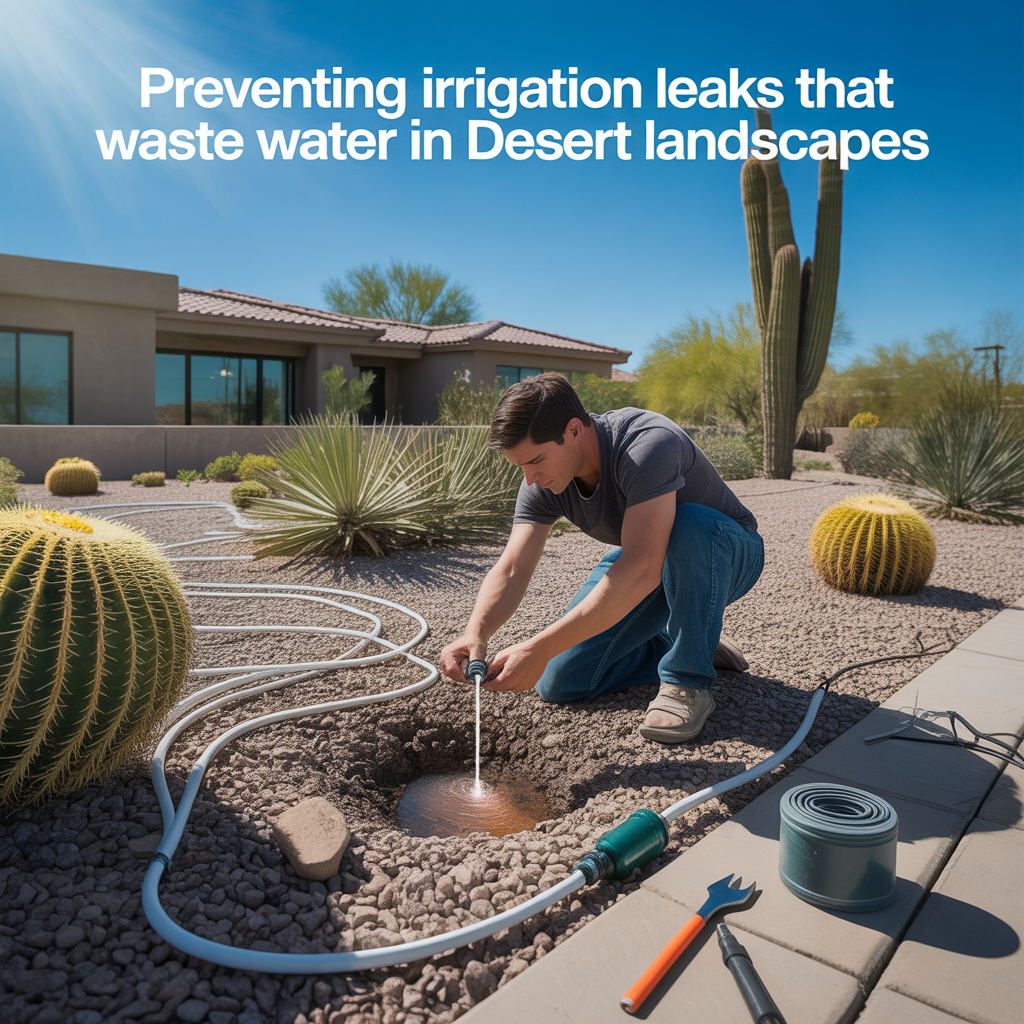
Preventing Irrigation Leaks That Waste Water in Desert Landscapes
-

Signs of Hidden Plumbing Leaks in Phoenix Houses
-

How Long Water Heaters Last in Arizona Homes
-

How Hard Water Affects Plumbing Systems in Phoenix Homes
-

Preventing Water Damage in Phoenix Homes During Storms
-

Roof Maintenance Tips Before Phoenix Monsoon Season
-
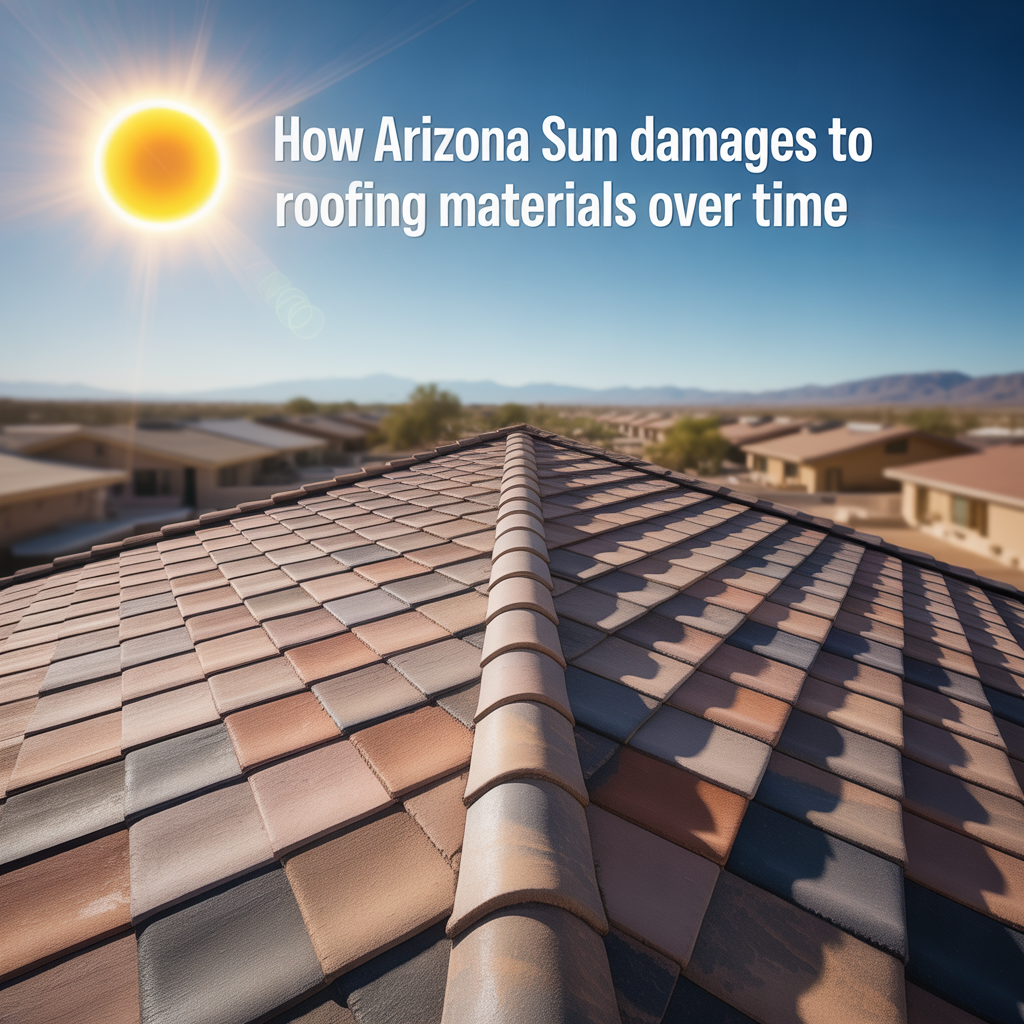
How Arizona Sun Damages Roofing Materials Over Time