


This guide is part of our Phoenix Investors Guide → [Phoenix Investors Guide]
Written by: Renee Burke
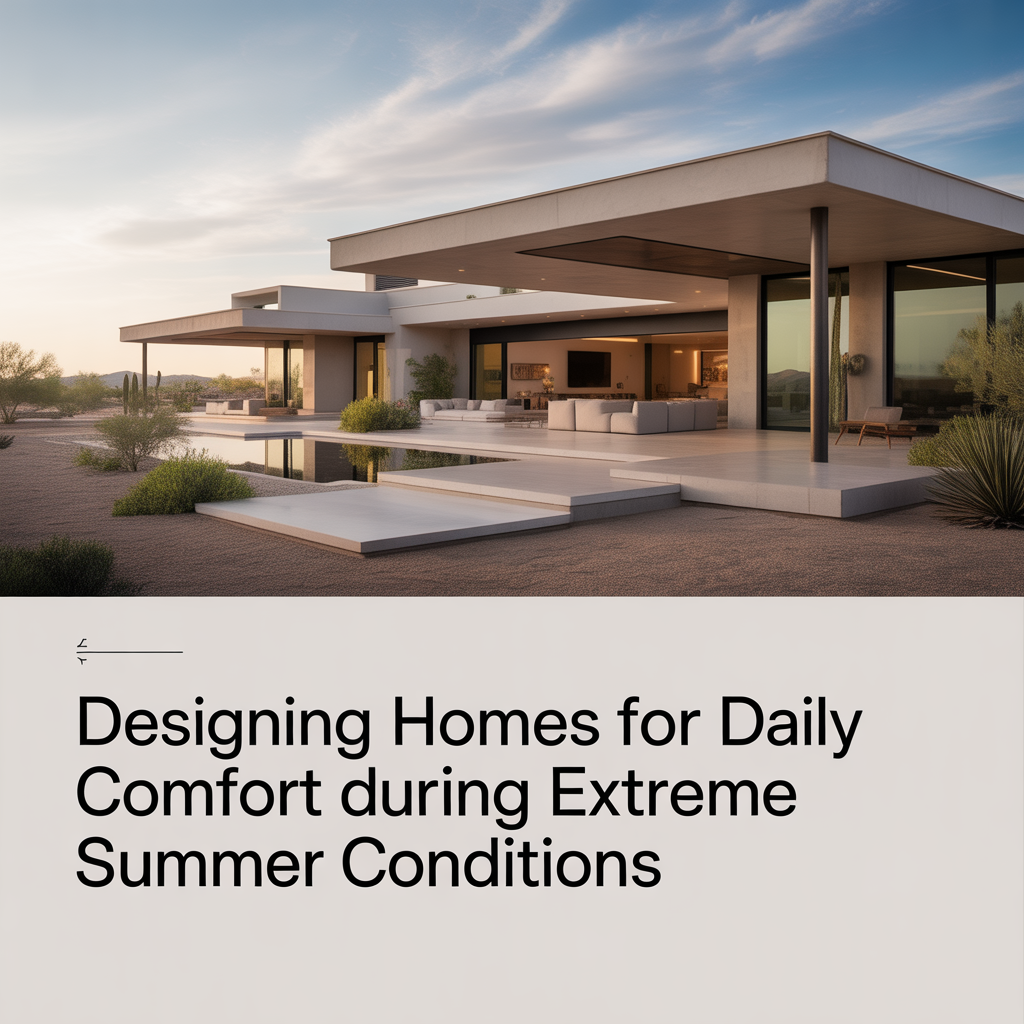
Phoenix summers demand homes that don’t just endure 110-degree heat — they create cool havens where daily life flows without constant battle. Thoughtful design turns our harshest season into one of quiet retreat, with features that keep interiors 20 degrees cooler, patios usable past noon, and energy bills from spiking.
I’ve walked clients through enough Valley properties to know the difference between surviving July and thriving through it. These strategies blend passive cooling, material wisdom, and layout smarts, making comfort instinctive rather than expensive. Let’s explore what truly works here.
Strategic Orientation and Shading
North-south layouts shine brightest, positioning backyards north for all-day shade while east windows catch gentle morning light. Deep roof overhangs — 4-6 feet on south faces — block high summer sun yet welcome low winter rays. In Paradise Valley customs, these drop patio temps 15-20 degrees, letting families grill without sweat.
Ramadas, pergolas with slatted roofs, and motorized awnings layer protection, syncing with sun paths via apps. West exposures get vertical fins or solar screens, softening brutal afternoon glare into golden glow. Buyers test this on midday tours — cool stone underfoot reassures immediate.
Thermal Mass Materials That Breathe
Adobe block, rammed earth, or concrete walls absorb daytime heat, releasing it slowly after sunset when desert nights dip to 80s. Light-colored stucco exteriors reflect 70% of solar rays, keeping surfaces 30 degrees cooler than dark tones.
High ceilings — 12-14 feet — let hot air stratify above living zones, with fans pushing it toward roof vents. Saltillo tiles or polished concrete floors stay chill underfoot, wicking heat upward. North Scottsdale moderns layer these with interior courtyards, creating microclimates 10 degrees below ambient.
Passive Ventilation Paths
Cross-breezes flush heat naturally: operable clerestory windows high on opposite walls pull rising air out as evening cools. Breezeways between wings channel monsoon winds, evaporative coolers amplifying flow without full AC reliance.
Stack ventilation rises through atria or light wells, drawing cool night air deep inside pre-dawn. Gilbert ranches retrofit these successfully — open windows at dusk, close by 10 a.m., slashing compressor runtime 40%. It’s ancestral desert wisdom, modernized.
Advanced Window Systems
Low-E dual-pane glass with argon fill blocks 80% of UV while diffusing soft light. Between-glass motorized shades or integral blinds auto-adjust, sealing tight against drafts. Pivot sliders to patios use compression seals, minimizing cooled air loss.
Tinted films on west glass cut glare without darkening rooms — essential for home offices enduring afternoon bake. In Ahwatukee, these recoup costs via $1,500 yearly savings, blending seamlessly with clean desert aesthetics.
Insulation Beyond Code Minimums
Attic spray foam hits R-60, radiant barriers reflecting 97% of roof heat before it penetrates. Rim joist sealing and air barriers at garages prevent hot infiltration. Exterior insulation layers — rigid foam over block — eliminate thermal bridging, stabilizing temps year-round.
DC Ranch mandates prove prescient: these envelopes hold 72 degrees inside at 115 outside, with mini-splits handling peaks only. Buyers request blower-door reports — under 3 ACH50 signals excellence.
Zoned Cooling Precision
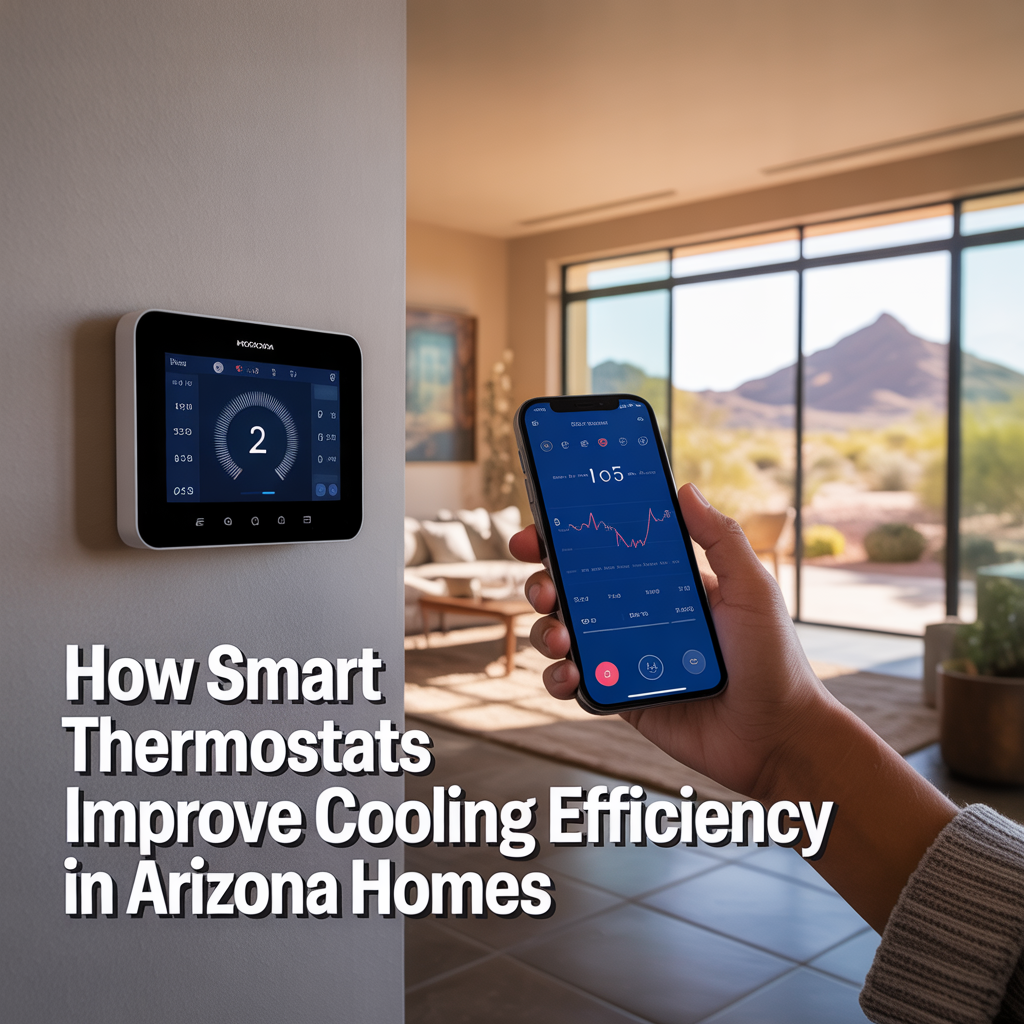
Variable-speed heat pumps zone via dampers — living areas chill to 68, unused wings idle at 78. Evaporative “swamp” coolers pair north patios with interiors, sipping water while dropping wet-bulb temps dramatically. Smart thermostats pre-cool via geofencing, learning your return.
Ductless minis serve casitas or offices independently, avoiding main-house pull. Queen Creek new builds integrate these flawlessly — comfort without compromise.
Outdoor Oasis Engineering
Pools add evaporative cooling — a 20×40 surface drops ambient 5-10 degrees nearby. Baja ledges and raised walls maximize splash zones; variable pumps sip 80% less power. Misters on ramadas pulse high-efficiency fog, chilling patios to 85 at peak heat.
Xeriscape hardscape reflects less heat than grass; gravel rivers and boulder features stay walkable. Fire misters double evening utility when temps plunge.
Interior Comfort Layers
Soft roller shades in woven woods filter light beautifully, programmed for sun arcs. Matte finishes on cabinets and floors avoid glare traps. Acoustic panels in great rooms muffle fan hum, preserving oasis calm.
Ceiling fans everywhere — quiet, reversible blades — create wind chill without noise. Wellness seekers layer air purifiers capturing monsoon dust.
Microclimate Site Mastery
Palo verde trees shade east/west exposures at peak angles; vines on trellises cool south walls. Elevated building pads capture breezes; sunken courtyards trap cool air overnight. North Central gardens use this artfully — patios 8 degrees below street level.
Earth berms buffer west winds, landscape anchoring heat sinks.
Daily Routine Alignment
Mornings: east gyms glow softly, patios brew coffee shaded. Afternoons: north offices steady, pools beckon silently. Evenings: west decks catch color without oven heat, cross-breezes cleanse the day.
Layouts zone accordingly — no hot hallways, every space serves its solar hour.
Long-Term Assurance
These designs endure: lower bills through rate hikes, resale premiums in balanced markets, joy undimmed by decades. SRP rebates stack with federal credits, erasing upfront costs fast.
A Warm Invitation
If you’re thinking about making a move in Phoenix, you don’t have to figure it out alone. I’ve guided families to summer sanctuaries where heat became background hum, from shaded Scottsdale retreats to cool Gilbert gems. Whether auditing comfort or envisioning yours, I’m here as your local confidante.
Reach out anytime — let’s craft a home that stays blissfully cool through every Valley scorcher.
Get the full Phoenix Market Insights → [Market Insights]


-
How Smart Thermostats Improve Cooling Efficiency in Arizona Homes
-
Why AC Systems Struggle During Extreme Phoenix Heat Waves
-
How Long Air Conditioning Units Last in Phoenix Homes