



Market and Timing Fears→ [Market and Timing Fears] & For more info on other fears Phoenix Real Estate → [Phoenix Real Estate Fears Guide]
Written by: Renee Burke
I’ve walked countless clients through the ups and downs of Phoenix’s real estate cycles, and one truth always surfaces: interest rates don’t just change numbers on a page—they shift how we feel about our choices. Whether rates are climbing or easing, the decision to buy a home here in the Valley comes down to more than monthly payments. It’s about timing your life’s next chapter with the subtle rhythms of our local market. Let’s gently unpack what it means to buy during rising rates versus falling ones, so you can move forward with quiet confidence.
Rising Rates: Opportunities in the Quiet Moments
When mortgage rates tick upward—say from the mid-5s toward 6.5% or higher—many buyers pause, and that’s completely natural. Here in Phoenix, a half-point increase can add a few hundred dollars to your payment on a $500,000 home, nudging some toward renting longer or rethinking neighborhoods. But this is often when the smartest moves happen, especially if you’re not in a rush.
In rising-rate environments, our market tends to breathe easier. Sellers who’ve been holding out list more freely, inventory builds in pockets like the Southeast Valley or West Valley suburbs, and negotiations open up. You might find a well-maintained single-family in Gilbert or Chandler trading at 97-98% of list, with room to ask for closing costs or minor repairs. It’s not a fire sale, but it’s a buyer’s gentle advantage—more choices, less frenzy.
What I love about these phases for my clients is the focus on fit over FOMO. Without the pressure of multiple-offer weekends, you can tour homes in Arcadia or North Central at a relaxed pace, picture your mornings by the pool or evenings walking to local spots, and lock in before any potential rebound. Phoenix’s steady influx of newcomers—from tech professionals to retirees—keeps demand resilient, so values don’t crater. They stabilize, rewarding those who buy for the long horizon.
Falling Rates: The Surge of Possibility
On the flip side, when rates dip—perhaps back toward 5% or lower—a wave of energy ripples through the Valley. Buyers who sidelined themselves re-enter, drawn by suddenly affordable payments. On that same $500,000 home, dropping from 6.5% to 5.5% saves about $250 monthly, freeing budget for upgrades or a step-up neighborhood.
This is when Phoenix shines in its vibrancy. Showings multiply, especially in family-friendly areas like Ahwatukee or parts of Scottsdale. Well-priced homes in Desirable spots like McCormick Ranch or Kierland can see three or more offers again, pushing sale-to-list ratios toward 100% or better. Sellers hold firm on price, knowing competition is back, and new construction communities in Queen Creek or Buckeye buzz with activity.
Yet here’s the thoughtful pause I always share: excitement brings competition, so preparation matters. Get your pre-approval polished, know your must-haves—like proximity to hiking in the McDowells or schools in top-rated districts—and be ready to write a clean, compelling offer. Falling rates amplify Phoenix’s appeal as a lifestyle destination, but they reward the decisive.
Key Differences in Strategy and Mindset
Understanding these dynamics side-by-side helps demystify the choice. Here’s how they play out practically in our metro area:
Rising rates favor the measured buyer building equity patiently; falling ones suit the prepared one seizing momentum. In both, Phoenix’s desert lifestyle—endless sun, community vibes, resort-style backyards—holds its value beautifully.
Lifestyle Realities Beyond the Numbers
Rates influence affordability, but Phoenix real estate is deeply personal. During rising rates, I guide clients toward homes that pencil out today and appreciate tomorrow—think energy-efficient builds in sustainable communities or view properties in foothill enclaves. Falling rates? We target turnkey moves near wellness hubs like the Biltmore or Agritopia’s farm-to-table charm, where daily joy compounds.
Buyers often fear “locking in high” during climbs or “missing out” in drops. The reassuring reality: our market’s fundamentals—job growth at places like TSMC, endless migration, limited developable land—support long-term wins. A 2025 analysis noted Phoenix rebounding from rate hikes within 12-18 months, proving resilience.
Emotional Timing and Long-Term Peace
I’ve seen families thrive buying in both scenarios because they aligned with life, not headlines. Rising rates let you negotiate a Coronado charmer without frenzy; falling ones secure a DC Ranch estate before it’s gone. Either way, focus on your why—proximity to family, that perfect saguaro-framed sunset view, or space for hobbies.
Rates will fluctuate, but your home’s role in your story endures. In early 2026, with rates steady around 6%, we’re in a balanced sweet spot—enough inventory for choice, enough demand for stability.
If you’re thinking about making a move in Phoenix—whether rates are rising, falling, or holding steady—you don’t have to figure it out alone. I’m here as your local guide, ready to map the realities of your neighborhood, your budget, and your dreams. Reach out when you’re ready; let’s find the right path together, step by thoughtful step.
Get the full Phoenix Market Insights → [Market Insights]


-
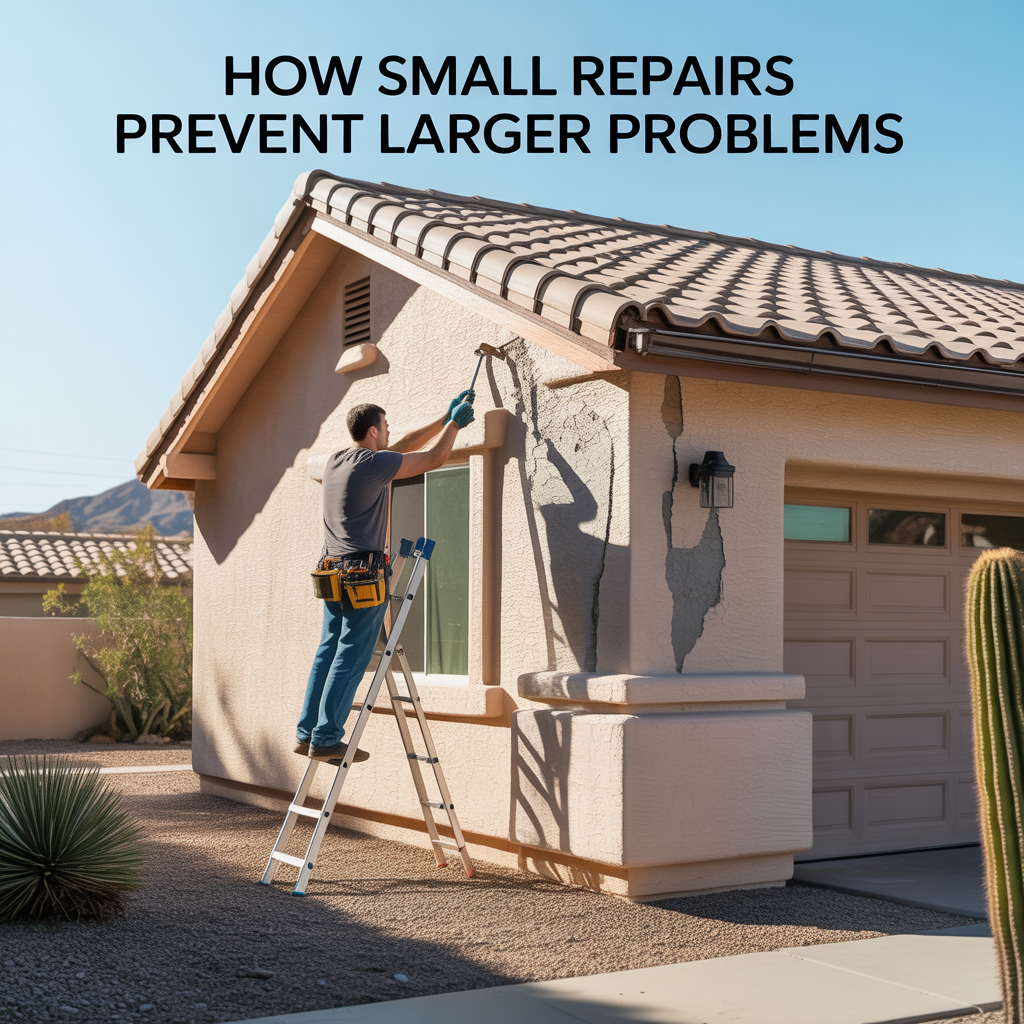
How Small Repairs Prevent Larger Problems
-

Protecting Older Phoenix Homes
-
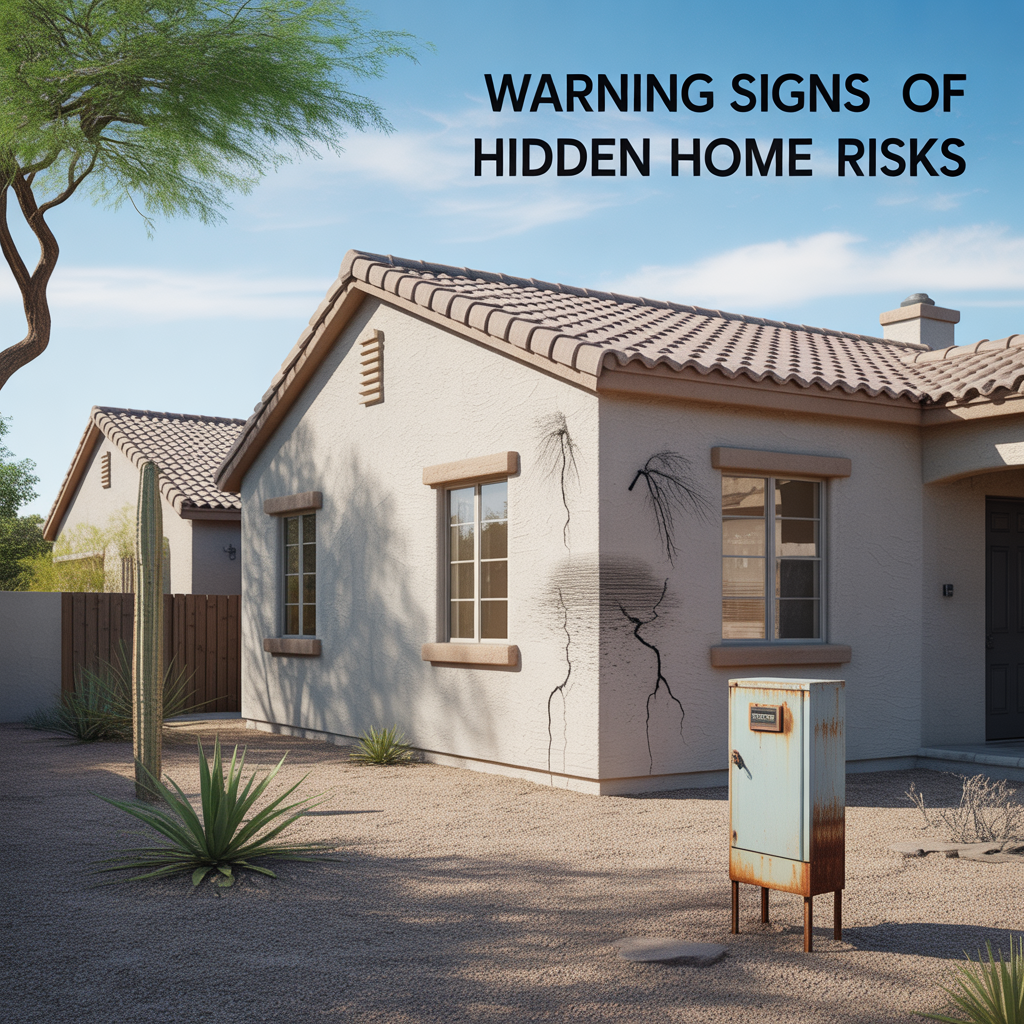
Warning Signs of Hidden Home Risks