



Long-Term & Exit Strategy Fear→ [Long-Term & Exit Strategy Fear] & For more info on other fears Phoenix Real Estate → [Phoenix Real Estate Fears Guide]
Written by: Renee Burke
You step into a sunlit kitchen, envisioning mornings with coffee and mountain views. The listing photos glow with promise — fresh counters, sparkling pool, that perfect desert palette. But as we tour homes across the Valley, I always pause to remind buyers: some of the biggest costs hide in plain sight, far from the staged perfection.
Insurance premiums that climb with rebuild costs. HVAC systems straining against endless 110-degree days. Roofs quietly aging under relentless UV and monsoon fury. These realities of Phoenix living don’t photogenic themselves, but they shape your monthly rhythm more than any fixture upgrade.
Having guided families through these details for years, let’s uncover them together — calmly, so you can budget with eyes wide open and choose a home that serves you through every season.
The Insurance Reality in Phoenix
Homeowners insurance here averages around $2,700 annually for $300,000 dwelling coverage with a $1,000 deductible — reasonable compared to coastal markets, but rising steadily. Arizona saw some of the nation’s sharpest increases from 2019-2024 due to rebuild inflation, hail claims, and dust storm scrutiny. Premiums now claim a larger slice of monthly housing costs, especially as property values climb.
Your rate hinges on roof age (tile fares best), claims history, and location risks like microburst flooding in Ahwatukee washes or wind in far North Phoenix. Bundling auto coverage or raising deductibles to $2,500 softens the blow, but expect $200–$400 monthly escrow bumps in HOA communities with shared walls. Shop carriers like State Farm or American Family — local agents know our heat-driven nuances.
It’s not alarmist; it’s awareness. Understanding this upfront lets you negotiate seller credits for roof certifications or solar incentives that trim future bills.
Heat’s Toll on Your Major Systems
Our climate doesn’t just warm patios — it accelerates wear. Air conditioning runs 4,000+ hours yearly here, compressing a decade’s work elsewhere into five intense Valley summers. Expect compressor replacements every 10–12 years ($5,000–$8,000), even with annual tune-ups.
Roofs face dual threats: UV degradation cracks foam or shingles, while monsoon debris clogs drains, stressing underlayment. Tile systems last 25–40 years with maintenance, but flat roofs often need recoating by year 15 ($8,000–$15,000). Windows seal failures from expansion/contraction add slow leaks; dual-pane upgrades pay back in cooler interiors and lower premiums.
Pool owners, note chemical balances shift faster in heat — pumps and heaters demand $1,000–$3,000 refreshes every 7–10 years. These aren’t “if” costs; they’re “when,” timed by smart inspections revealing remaining life.
Water and Plumbing: The Silent Budget Busters
Irony of desert life: water issues top claim lists. Hard water scales pipes, water heaters fail spectacularly (average $1,200–$2,500 every 8–12 years), and slab leaks from settling clay soil sneak up on older homes. Monsoon humidity breeds unnoticed mold if AC falters.
East Valley caliche soil shifts less than West Valley expanses, but any pre-1990s build warrants a full re-pipe review ($7,000–$12,000 if needed). Proactive softeners and tankless units cut long-term math, especially with rising water rates.
These hide during walkthroughs — until the first humid July reveals a struggling swamp cooler or pinhole drip.
Exterior and Landscaping Wear
Stucco cracks from freeze-thaw cycles (rare but real in winter dips), elastomeric paint fades in 6–8 years ($4,000–$7,000 full refresh), and desert plants demand pruning to avoid fire risks or overgrowth fines. Concrete driveways spiderweb from heat expansion; sealing buys 3–5 years.
HOA rules amplify this — uniform xeriscape prevents “wild” yards that scare insurers. Mature shade trees (mesquite, palo verde) save $200–$400 yearly on cooling but drop debris, stressing gutters. Balance beauty with low-maintenance: gravel over grass, drip irrigation, no thirsty lawns.
Budgeting Wisely From Day One
Layer these into your math before love blinds you:
- Annual reserves: $3,000–$5,000 beyond mortgage PITI for HVAC/insurance flux.
- Home warranty: $500–$800/year covers appliances/systems first year post-close.
- Efficiency audits: $300–$500 reveals insulation gaps or duct leaks slashing bills 20%.
- Solar evaluation: Tax credits offset $20,000 installs; net-zero cooling transforms costs.
| Hidden Cost | Phoenix Avg. Lifespan | Est. Replacement | Prevention Tip |
|---|---|---|---|
| HVAC Compressor | 10–12 yrs | $5k–$8k | Annual tune-up ($150) |
| Roof Recoat | 15 yrs (flat) | $8k–$15k | Post-monsoon clear ($200) |
| Water Heater | 8–12 yrs | $1.2k–$2.5k | Flush yearly; upgrade tankless |
| Stucco Paint | 6–8 yrs | $4k–$7k | Elastomeric coating |
| Pool Pump | 7–10 yrs | $1k–$3k | Balance chemicals monthly |
How Sellers Mask — And You Spot — The Truth
Listings gloss over these: “Newer systems!” means 2018 HVAC at end-of-life now. Ask for service records, last roof inspection, insurance quotes. Thermal imaging during inspection ($400 add-on) reveals hidden leaks or poor insulation.
Neighborhood comps matter — West Valley wind zones pay 10–20% more insurance. North Scottsdale wildfire buffers raise rates too. A trusted inspector knows Valley quirks: caliche cracks, foam roof hail vulnerability.
Long-Term Strategies That Pay
Prevent overreact:
- Orientation check: North/south exposure cuts solar gain 30%, easing HVAC load.
- Material wisdom: Tile roofs, spray foam insulation, low-E glass endure.
- Annual walk-throughs: Spot issues early; $500 fixes beat $5,000 emergencies.
- Insurance refresh: Quote yearly; discounts for security cams, new roofs abound.
Phoenix rewards stewardship. These costs aren’t punishments — they’re the price of paradise, softened by foresight.
A Gentle Closing Thought
Behind every flawless photo lies a home that breathes, sweats, and settles under our relentless sun. Embracing those truths doesn’t dim the dream — it deepens it, letting you own with quiet strength rather than surprise.
Choose wisely, maintain gently, budget patiently. Your Valley haven will reward you with years of golden light and genuine comfort.
A Warm Invitation
If you’re thinking about making a move in Phoenix and want to unpack how insurance and system costs play out in specific neighborhoods or homes, you don’t have to figure it out alone. I’ll connect you with inspectors and agents who see beyond the photos to real-life math.
Reach out anytime. Together, we’ll find a property that shines in sunlight — and stands strong through every summer.
Get the full Phoenix Market Insights → [Market Insights]


-
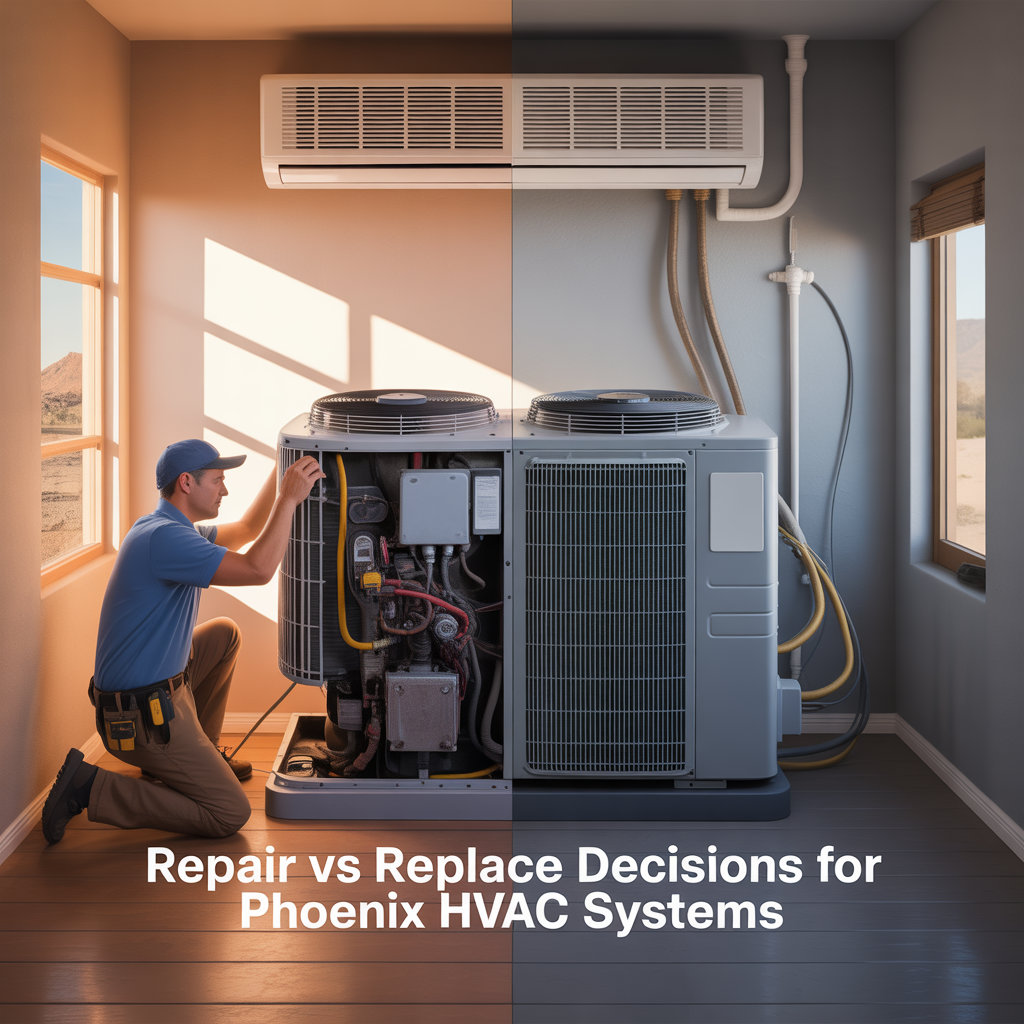
Repair vs Replace Decisions for Phoenix HVAC Systems
-
Creating a Long-Term Home Maintenance Plan
-
How Often Phoenix Homes Should Be Professionally Inspected