



Market and Timing Fears→ [Market and Timing Fears] & For more info on other fears Phoenix Real Estate → [Phoenix Real Estate Fears Guide]
Written by: Renee Burke
There’s a funny thing that happens when you live and work in a place as dynamic as the Phoenix metro area: you learn to read between the lines. Every few weeks, another big, bold real estate headline grabs attention — “Phoenix Home Prices Cooling Fast” or “Buyers Gain Upper Hand in Valley Market.” They make for easy conversation starters, but they rarely reflect what’s truly happening in our neighborhoods.
That disconnect — between the way things look from a distance and how they actually feel on the ground — is something every homeowner, investor, or soon-to-be buyer in Phoenix should understand. Because the truth about local real estate is never captured in one sweeping statement. It lives in the rhythms of individual communities, in the pace of a single street, and in the subtle shifts only a deeply rooted local notices.
Headlines Love Drama. Neighborhoods Run on Nuance.
We all know why sensational headlines catch fire — they simplify complex movements into bite-sized “hot takes.” But the Phoenix real estate market doesn’t behave like one big, synchronized organism. It’s a mosaic of micro-markets, each with its own story.
While one article may declare “inventory is surging,” that might be true in pockets of north Peoria or parts of Queen Creek but completely irrelevant in Arcadia, where homes still receive multiple offers if priced with precision.
When media outlets look at metro-wide averages, they flatten the remarkable diversity that makes our city unique. Neighborhoods like Cactus Corridor in Scottsdale or tucked-away mountain enclaves in Ahwatukee don’t respond to price shifts the same way as big new developments on the edges of the Valley.
The Story Beneath the Statistics
Numbers matter — but they always need context. For instance, a report might say “home prices dropped 3% across the metro.” That sounds alarming until you realize that high-end new builds in one submarket spiked the prior quarter, pulling up the average. When those ultra-luxury transactions slow, the “decline” looks worse than it feels.
In neighborhoods like North Central Phoenix or Biltmore, values tend to stabilize even when headlines predict turbulence. That’s because buyers there aren’t chasing short-term market trends — they’re buying into lifestyle, school districts, proximity to culture, and long-term desirability. Those qualities don’t suddenly lose value when interest rates tick up a quarter point.
Think of it as weather versus climate: headlines describe a sudden gust of wind, while neighborhoods reflect the steady seasons. One may make you grab an umbrella, but the other determines how you live.
How Perception Shapes Behavior
I’ve often seen buyers hesitate because a national or local story made them think they “missed their window.” Others rush in because they heard “bidding wars are back,” only to find that competition varies greatly from one zip code to the next. Both reactions come from focusing on broad narratives instead of local truths.
The best buyers and sellers in Phoenix are the ones who slow down and ask better questions:
- What’s the actual demand in my specific neighborhood?
- Are listings sitting longer, or are well-priced homes still selling fast?
- How have nearby renovations or new builds shifted buyer expectations?
The answers often tell a very different story than the headlines do.
The Phoenix Metro is Not One Market
Those of us who work daily in these communities know there is no “Phoenix market” — only collections of highly specific ones. North Scottsdale isn’t South Scottsdale. Gilbert isn’t Chandler, even though they share a border. The buyer who falls in love with a modern farmhouse in Arcadia may not even glance at something 20 minutes west, no matter the price.
Lifestyle defines our micro-markets here. A buyer who wants walkability and character gravitates toward historic Encanto or Willo. Someone seeking privacy and Sonoran desert views looks toward Desert Mountain or Silverleaf. Others want newer construction and convenient commutes from places like Eastmark or Vistancia.
Each of those ecosystems behaves on its own cycle — influenced by school calendars, community growth, investor demand, and even seasonal weather shifts. When national reporters summarize us with a single sentence, all that nuance disappears.
Real People, Real Decisions
If you’ve ever driven through McCormick Ranch on a quiet June morning, or wandered Coronado on a Sunday when the local coffee shop line spills out the door, you know that real estate here is more than numbers. It’s stories. It’s families trading spaces as seasons of life change.
The couple downsizing from Paradise Valley might sell their home to someone relocating from out of state, who in turn lists their North Scottsdale home to a local family moving up. These human chains of transition keep our real estate ecosystem thriving — often invisibly — even when headlines suggest otherwise.
And because our population continues to grow, those local stories keep weaving together, cushioning market dips that other regions can’t recover from as quickly.
The Emotional Side of Market Noise
It’s easy to feel overwhelmed by conflicting data or opinions. Buyers worry they’ll overpay; sellers fear they’ll mistime the market. Here’s the quiet truth: timing matters less than alignment.
If the home suits your lifestyle, finances, and long-term goals, it’s the right time for you. Neighborhoods have a way of rewarding people who think beyond trends. In places like Arcadia Lite, Sunnyslope, or Kierland, the long-game buyers — those who choose for love of location, not headlines — are almost always the ones smiling in a few years.
How to Read Between the Lines
Having a clear, local perspective helps cut through the noise. Here’s how I advise clients to ground themselves when the next “Phoenix market alert” hits:
- Zoom in before reacting. Ask what part of the metro the data represents. Trends vary drastically from one community to another.
- Watch active listings, not just sold data. The pace of new listings and price adjustments gives clearer insight into real momentum.
- Talk to boots-on-the-ground professionals. Agents, appraisers, and lenders who live here notice patterns weeks before they show up in quarterly reports.
- Remember why you started. If your goal is to raise a family near top-rated schools or downsize closer to dining and hiking, no headline can quantify that value.
The Ground Reality in Early 2026
Right now, we’re seeing a Phoenix market defined by balance. Inventory has improved, yet many areas remain undersupplied relative to population growth. Mortgage rates have fluctuated but are gradually stabilizing, giving buyers more predictability — and sellers more realistic expectations.
Communities with strong amenities, proximity to lifestyle hubs, and architectural integrity are holding value best. Think Uptown, Arcadia, McDowell Mountain Ranch, and Agritopia. Meanwhile, newer outer areas are finding their steady rhythm after years of rapid appreciation.
It’s an encouraging environment for well-informed decisions. But those decisions must come from a local lens — not a headline ticker.
Trust the Ground You’re Standing On
When you live here long enough, you develop an intuitive rhythm for how this valley evolves. You feel when momentum shifts — sometimes before the numbers confirm it. And that’s what national writers can’t replicate from afar.
So the next time a sensational headline claims Phoenix is “cooling,” “surging,” or “unstable,” take a breath. Step outside. Look around your street, your community, your city. Notice the homes being painted, the Teslas and trucks sharing driveways, the local builders breaking ground again. The real story of our market isn’t written in capital letters — it’s unfolding quietly, right outside your front door.
If you’re thinking about making a move in Phoenix — whether buying your first home, selling a long-time residence, or simply exploring possibilities — you don’t have to figure it out alone. I’d be honored to help you understand what’s really happening in your neighborhood, in your price point, and in your timing. My door (and inbox) are always open when you’re ready to talk about what’s best for you.
Get the full Phoenix Market Insights → [Market Insights]


-
Cost of Living in Rhode Island: Housing, Taxes, Utilities, and Everyday Expenses
-

What If My Commute Becomes Worse Than Expected?
-
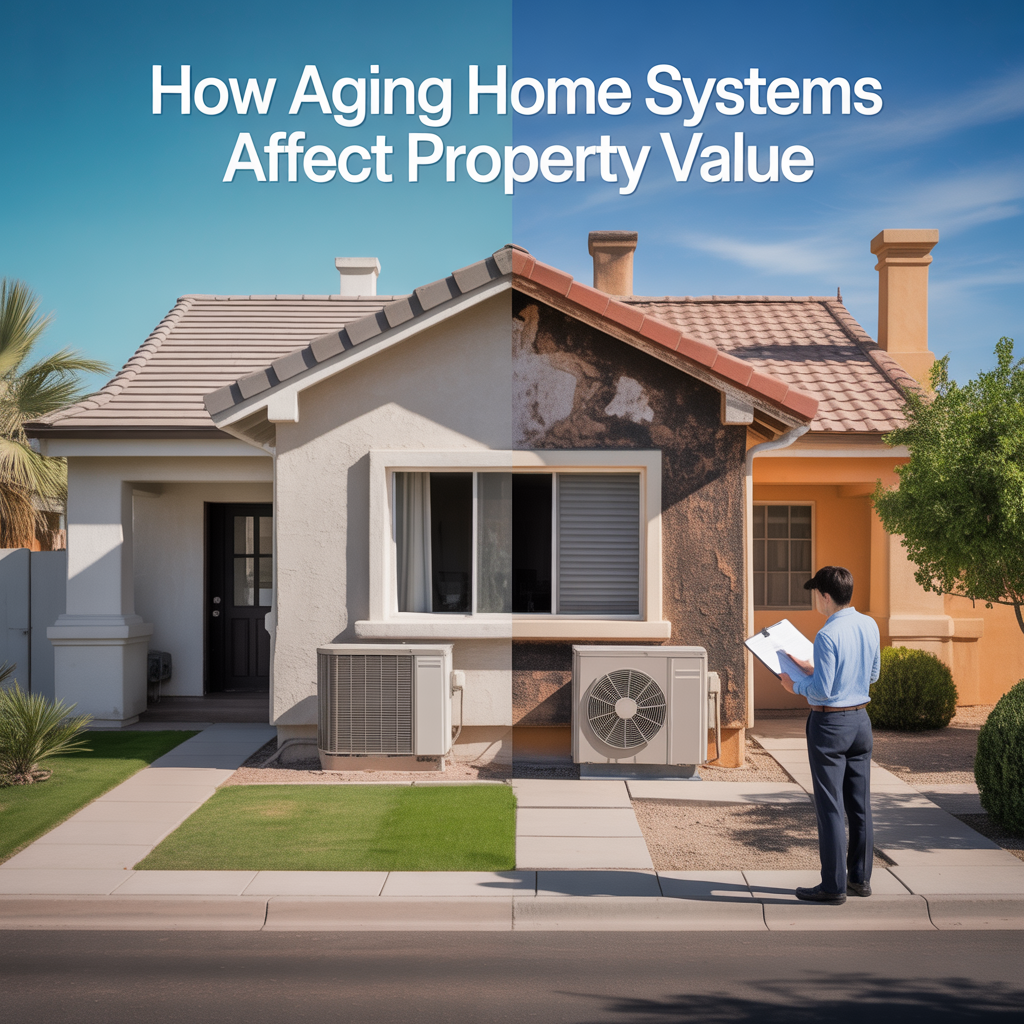
How Aging Home Systems Affect Property Value