


Long-Term & Exit Strategy Fear→ [Long-Term & Exit Strategy Fear] & For more info on other fears Phoenix Real Estate → [Phoenix Real Estate Fears Guide]
Written by: Renee Burke
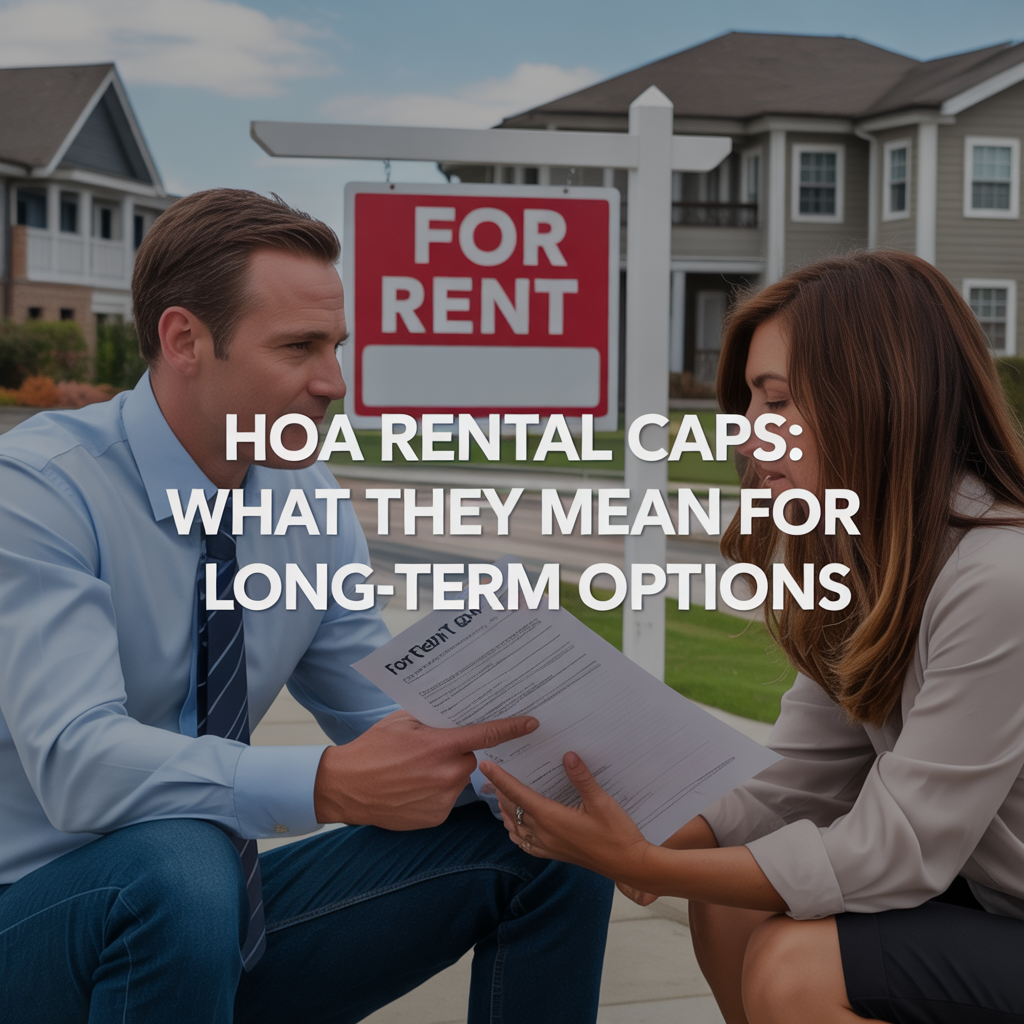
You find the perfect townhome in a gated Gilbert community—sparkling pool, mature citrus trees, walking distance to schools. The numbers work, the lifestyle fits. Then you spot it in the fine print: “Rental cap reached. No further rentals permitted.”
It’s a detail that feels distant when you’re buying to live in. But life has a way of changing plans—job offers across the Valley, family needs in Fountain Hills, empty-nesting dreams of travel. Suddenly, that cap isn’t abstract; it’s your flexibility shrinking.
In Phoenix, where HOAs govern nearly half our communities, rental caps quietly shape your long-term options more than most buyers realize. Let’s unpack what they mean, and how to navigate them wisely.
What Rental Caps Actually Are
HOAs set rental caps to preserve “owner-occupancy” ratios—typically 25–50% of units can rent at any time. Once reached, no new leases until an existing rental sells to an owner-occupant.
Common in:
- Townhome/condo complexes in South Tempe, Central Phoenix, East Valley master-plans.
- Gated 55+ communities in Sun City, Surprise, Peoria.
- Upscale townhomes near DC Ranch or North Scottsdale corridors.
Caps sound reasonable—protecting neighborhood stability, deterring investor flips. But they bind your choices when life pivots.
The Immediate Impact: Flexibility Freeze
If you need to relocate temporarily: Corporate transfer to California? Family emergency? You can’t rent it out. Sell in a down market or sit empty, paying mortgage + HOA fees.
Empty-nest transition: Kids gone, ready to downsize—but market soft? No rental income bridge while you search.
Financial safety net: Job loss, medical bills, divorce. Can’t generate cash flow from your largest asset. Equity sits trapped.
In Phoenix’s fluid job market—tech growth in Roosevelt Row, medical hubs in North Phoenix—these scenarios aren’t rare. Caps amplify risk.
Long-Term Value Erosion
Rental caps affect resale too:
- Shrinks buyer pool. Investors (20–30% of our market) walk immediately. Relocators needing a rental “test drive” vanish.
- Softens offers. “Love it, but can’t rent if plans change” becomes the polite no.
- Neighborhood precedent. Caps often tighten over time—40% today becomes 25% tomorrow as boards react to complaints.
Buyers notice. A $600K cap-free townhome in Eastmark sells for full price in 20 days. Its capped twin? $25K less, 60+ days on market.
The Psychology of “Locked In”
Caps create quiet stress. You second-guess vacations (“What if we love it too much to return?”). Career risks feel riskier. Even positive changes—promotions requiring moves—carry hesitation.
Phoenix thrives on opportunity: TSMC expansion, downtown revitalization, snowbird influx. Caps tether you to one spot when our Valley rewards agility.
Spotting Caps Before You Buy
Review CC&Rs thoroughly (not just summary pages). Look for:
- “Maximum rentals” language.
- Current ratio (18/40 rented? Red flag).
- Amendment history—did they tighten recently?
Ask the HOA directly: “How many units rented? Waitlist? Recent cap votes?” Get minutes from last two meetings.
Check ARMLS notes: Agents flag “rental cap” or “no rentals” explicitly.
Percentage rule: Under 20% rented = green light. 30%+ = proceed carefully.
Phoenix-Specific Hotspots to Watch
- Gilbert/Chandler townhomes ($400K–$800K): Family-heavy, caps common (35% max). Great schools, but relocation risk.
- North Central condos ($500K–$1M): Urban appeal, 25–40% caps. Walkability trades against flexibility.
- West Valley 55+ ($350K–$600K): Retirement havens, strictest caps (often 20%). Perfect if staying put.
- Southeast spec-townhomes ($600K+): Newer builds, investor-friendly until HOA matures and caps hit.
Single-family neighborhoods rarely cap—your buffer.
Workarounds (With Caveats)
House hack creatively: Primary residence + long-term roommate (if CC&Rs allow). Beats vacancy.
Lease-option deals: Rare, legally tricky. Buyer leases with option to buy—helps seller, but cap-compliant?
Sell to corporate relocators: They often buy furnished, lease back to you short-term. Niche, not scalable.
Buy cap-free alternatives: Prioritize non-HOA or high-cap communities. Trade amenities for freedom.
None fully solve “what if” peace of mind.
The Investor vs. Lifestyle Buyer Divide
Investors avoid caps religiously—cash flow dies. Lifestyle buyers overlook them, then regret.
Ask: “Do I need this asset to generate income ever?” If yes, cap-free. If “probably not,” weigh community benefits.
Timing Your Purchase Around Caps
Buy when ratios low: Post-HOA meeting cycles often reveal direction.
Avoid summer buys: Thinner pools amplify cap scrutiny.
Spring (Feb–May): Peak buyer depth tolerates minor restrictions better.
Protecting Yourself Contractually
Add cap contingency: Rare, but “seller discloses current rental status; buyer walk-right if over X%.”
Title review: Confirm no pending amendments.
Local agent intel: I track HOA shifts neighborhood-by-neighborhood.
The Freedom Trade-Off
HOAs offer security—pools, landscaping, enforcement. Caps trade personal optionality for collective stability.
Neither’s “wrong.” Clarity prevents regret.
Phoenix rewards informed trade-offs. Know yours before keys exchange.
Let’s Review Your Options Together
If you’re thinking about making a move in Phoenix, you don’t have to figure it out alone. Whether it’s decoding HOA fine print, finding cap-free flexibility, or weighing lifestyle against long-term security—I’m here with steady insight tailored to your neighborhood and needs.
Reach out when you’re ready. We’ll find the fit that gives you peace today and freedom tomorrow.
Get the full Phoenix Market Insights → [Market Insights]


-
Cost of Living in Rhode Island: Housing, Taxes, Utilities, and Everyday Expenses
-

What If My Commute Becomes Worse Than Expected?
-
How Aging Home Systems Affect Property Value