


Long-Term & Exit Strategy Fear→ [Long-Term & Exit Strategy Fear] & For more info on other fears Phoenix Real Estate → [Phoenix Real Estate Fears Guide]
Written by: Renee Burke
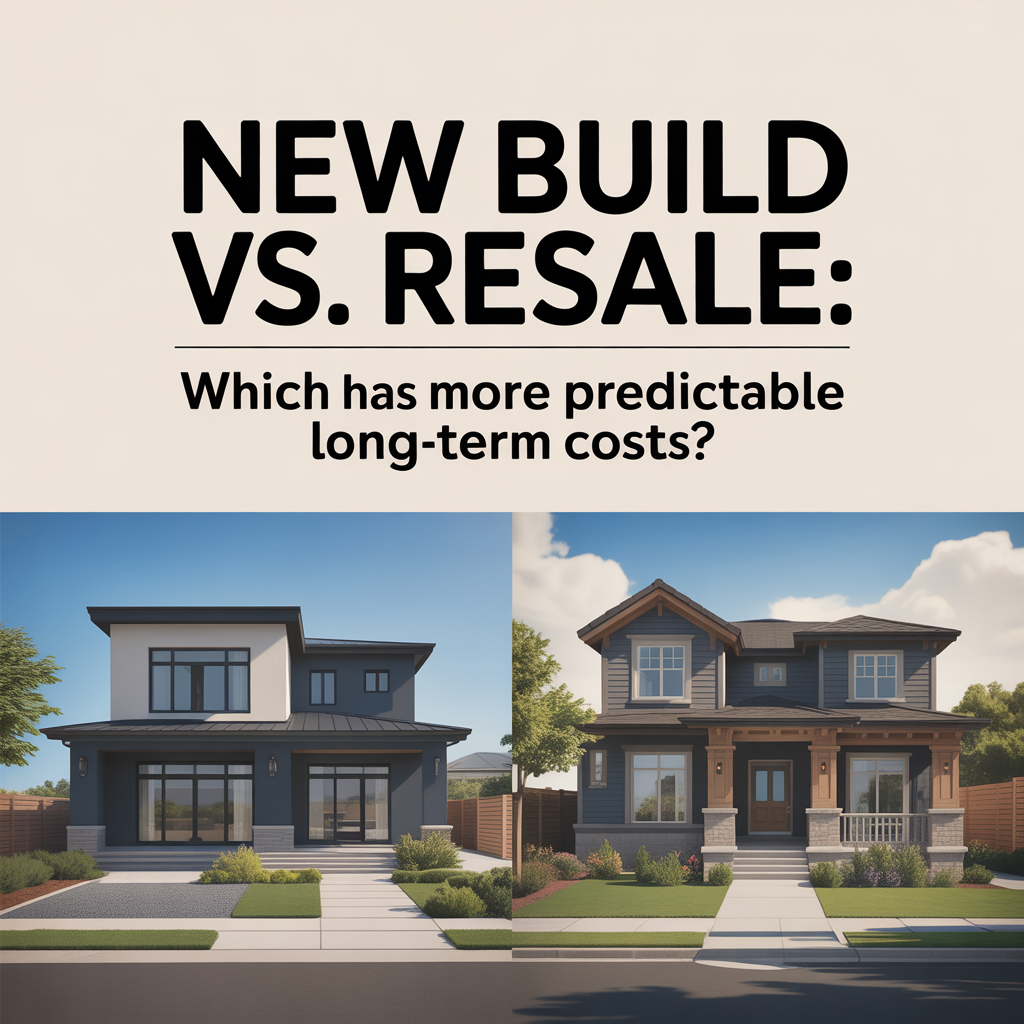
When you’re deciding between a new build and a resale home in the Phoenix metro, it’s natural to focus on the obvious differences: finishes, layouts, and that “never lived in” feeling versus mature neighborhoods and established landscaping. But underneath all of that is a quieter, more important question: which one gives you more predictable long-term costs?
In our desert market—where heat, sun, and growth patterns all shape how homes age—that question matters a lot. And the answer isn’t one-size-fits-all. It depends on how you think about risk, maintenance, and the kind of lifestyle you want here in the Valley.
How New Builds Typically Behave Over Time
New construction in Phoenix usually offers something buyers crave: a stretch of years with relatively low surprise expenses.
Most builders and warranty programs here follow a structure along these lines:
- About 1 year of coverage for general workmanship and materials.
- 2 years (or more, depending on the program) for key systems like electrical, plumbing, and HVAC.
- 8–10 years of structural coverage backed by a third-party warranty provider in many cases.
Arizona law also recognizes an implied warranty of workmanship and habitability, which means builders are expected to meet certain standards even beyond what’s written in the contract.
In plain terms, for the first several years:
- Major systems are new and built to current codes.
- Big-ticket items like HVAC, roof, and plumbing have very low failure risk.
- Energy efficiency is generally higher, which helps stabilize monthly bills.
That combination tends to make your near-term costs more predictable:
- Lower routine maintenance, often in the range of a few hundred to low thousands per year if you’re simply servicing systems and addressing small issues early.
- Fewer emergency repairs that derail your budget.
The trade-off is that new builds often come with:
- A higher price per square foot.
- Potentially higher HOA dues in amenity-rich, master-planned communities.
- Upgrade and lot premiums that sneak up quickly if you’re not careful.
So for many families, a new build offers predictable maintenance costs but not always predictable total costs if they get swept up in upgrades.
How Resale Homes Typically Behave Over Time
Resale homes in Phoenix are all about nuance. Two 20-year-old homes can have completely different cost profiles depending on how they were cared for and updated.
In general, older homes carry:
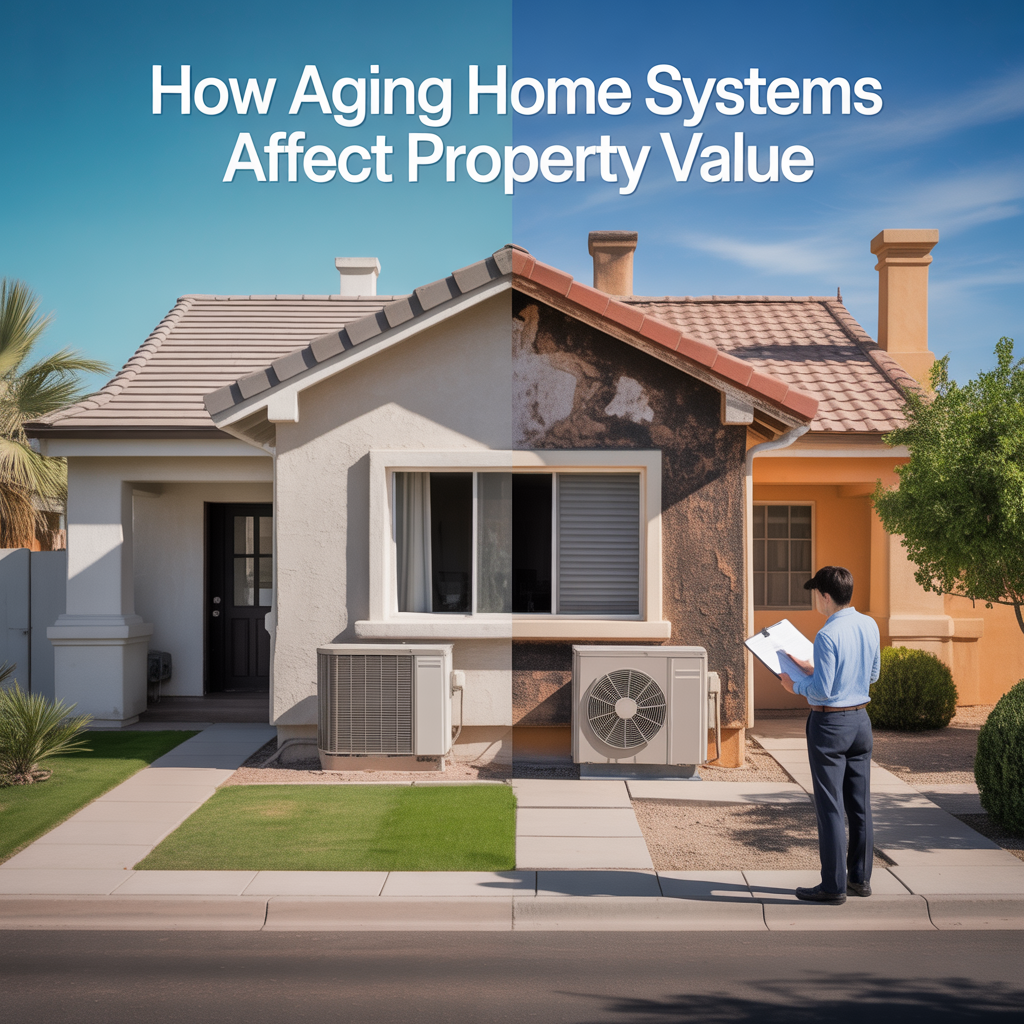
- Higher likelihood of near-term spending on big-ticket items like roofs, HVAC systems, water heaters, or pool equipment.
- Greater variation in insulation, window quality, and ductwork, which can affect utility costs.
- More variability in insurance premiums, especially if systems are dated or the roof is near the end of its life.
Industry cost comparisons often estimate:
- Newer homes: maintenance in the ballpark of $500–$1,500 per year in early years.
- Older resales: maintenance more commonly in the $2,000–$10,000+ range in the first few years of ownership, depending on what’s due for replacement.
However, resale homes also bring some cost advantages:
- A lower purchase price than comparable new builds in many Phoenix submarkets, especially when land and amenity premiums are high.
- Mature landscaping and established neighborhoods, which can mean fewer “extras” to pay for after closing.
- Prior owners may already have absorbed major upgrades—new roof, newer AC, dual-pane windows—which can drastically smooth your next decade of costs if documented well.
Resale costs are often less predictable on paper but can be managed very well with careful inspection, strong negotiation, and a realistic improvement plan.
Insurance and Risk: Where Predictability Really Shows Up
Insurance is one of the biggest “hidden” levers in long-term cost predictability, and it behaves differently for new and older homes.
In Arizona:
- Newer homes tend to be cheaper to insure because they’re built to current codes, use more resilient materials, and have modern electrical and plumbing systems.
- Older homes often carry higher premiums due to increased risk of water damage, electrical issues, and roof claims, especially if key systems haven’t been updated.
One national analysis showed that, on a price-per-square-foot basis, insurance on older homes can cost hundreds more per year than insuring a comparable new home, simply because of the increased risk profile. That difference may not make or break your decision on its own, but it absolutely impacts the stability of your monthly costs over time.
For Phoenix buyers, this means:
- New builds generally deliver more predictable insurance costs in the first decade.
- Resales can be very manageable if the home has updated systems and a clean claim history—otherwise, premiums and coverage options can be more variable.
Where New Builds Win on Predictability
If your top priority is smoothing out the first 5–10 years of ownership, new construction usually has the edge in predictability:
- Clear warranty timelines that tell you exactly what’s covered and for how long.
- Lower expected maintenance costs early on, as long as you keep up with basic servicing.
- More stable insurance costs thanks to newer systems and materials.
This can be especially comforting if:
- You’re moving from out of state and don’t yet fully understand how Phoenix’s heat affects homes.
- You prefer to focus on lifestyle—work, family, travel—rather than a long to-do list on the house.
- You want a cleaner, more linear budget in the early years of owning here.
Just remember that builder communities often introduce other variables: future phases of construction, evolving HOA policies, and changing amenity levels that can influence long-term feel and costs.
Where Resale Wins on Predictability
It might sound counterintuitive, but a well-chosen resale can offer very predictable long-term costs if you approach it intentionally.
A resale starts to shine when:
- Major items have already been replaced with documentation—newer roof, updated HVAC, modern water heater, upgraded windows.
- The neighborhood is fully built out, so taxes, traffic patterns, and HOA dynamics are more stable.
- You pair a thorough inspection with realistic budgeting for updates you know you’ll tackle in the first few years.
Resale predictability doesn’t come from warranties; it comes from clarity:
- You can see how materials have aged in our climate.
- You can compare utility histories and talk to neighbors about the realities of living there.
- You can layer in upgrades at your pace instead of paying builder premiums all at once.
If we do the homework upfront—reviewing inspection findings, getting contractor estimates, and stress-testing your budget—resale ownership can feel very steady, even if it’s not as “clean” on paper as a new home.
So Which One Is Truly More Predictable?
In Phoenix, the honest answer is:
- New builds are usually more predictable in the short to medium term because of warranties, new systems, and insurance advantages.
- Resales can be just as predictable—or even more so—over the long term if they’ve been thoughtfully updated and you go in with eyes wide open.
Predictability isn’t only about age; it’s about information, condition, and planning.
I look at three questions with clients:
- What are the likely big expenses in the next 10 years?
- How much of that is already built into the price versus coming later as projects?
- How comfortable are you with surprises versus scheduled improvements?
Once we answer those, the “right” path—new build or resale—usually becomes much clearer.
You Don’t Have to Decide This in a Vacuum
If you’re torn between a shiny new build in a growing part of the Valley and a beautifully located resale with some age on it, you are not alone. This is one of the most common crossroads Phoenix buyers face—and it’s not something you should have to figure out purely from online listings.
I spend a lot of time sitting with clients, side by side, comparing the real 5–10 year cost picture of specific new and resale options: projected maintenance, insurance, HOA dues, likely upgrades, and how all of that fits into their lives here. Often, the best choice becomes obvious once we put everything on the table calmly and honestly.
If you’re thinking about making a move in Phoenix, you don’t have to figure it out alone. Reach out, and we’ll walk through your options together—new build, resale, or even a mix of both—so you can choose not just the home you love, but the cost path that helps you feel secure for years to come.
Get the full Phoenix Market Insights → [Market Insights]


-
Cost of Living in Rhode Island: Housing, Taxes, Utilities, and Everyday Expenses
-

What If My Commute Becomes Worse Than Expected?
-
How Aging Home Systems Affect Property Value