



Local Politics and Housing→ [Local Politics and Housing] & For more info on National Politics and Housing → [National Politics and Housing]
Written by: Renee Burke
In the Phoenix metro area, where families crave that perfect mix of space, convenience, and desert sunshine, build-to-rent (BTR) communities are emerging as a game-changer. These aren’t your traditional apartments—they’re single-family style homes designed from the ground up for renters, complete with backyards, garages, and that sense of rootedness many seek in places like north Phoenix or the East Valley. But as developers break ground on projects from Maricopa to Buckeye, a wave of political pushback from local officials and neighborhoods is creating real tension.
I’ve seen this unfold with clients who love the idea of renting without buying hassles, yet worry about community impacts or long-term values. It’s a valid concern in our fast-evolving Valley. Let’s walk through what’s driving the growth, where the resistance is strongest, and how it shapes your decisions—calmly and clearly.
What Build-To-Rent Means Here
Build-to-rent flips the script on housing. Instead of building to sell, developers create entire neighborhoods of rental homes—think three-bedroom duplexes with private yards in Maricopa’s Stonegate or row homes along the Loop 303 corridor. Projects like Dominium’s Saddleback Village (215 units) and Lincoln Avenue’s Ranches at Gunsmoke (271 units) target families earning up to 60% of area median income, offering granite counters, walk-in closets, and amenities like playgrounds—all at rents around $1,400-$1,800 monthly.
In Maricopa County, this model thrives on lower-density zoning (10-12 units per acre), letting builders use land once eyed for sparse subdivisions. It’s a nod to our lifestyle: barbecues in fenced yards, bike storage for Salt River trails, without the commitment of ownership. For renters priced out of buying—amid our stubborn inventory shortage—BTR provides stability and appeal.
Phoenix-area growth fuels it: Maricopa’s family boom, Surprise’s master-planned expansions, and Buckeye’s projected surges make these spots ideal. Developers like Dominium plan 35 BTR communities statewide, with more in the pipeline.
The Rapid Expansion Across the County
From West Phoenix’s La Esperanza Terrace (96 affordable units) to Casa Grande’s 278-unit plays, BTR is scaling fast. Financing blends low-income housing tax credits, ARPA funds, and private loans, keeping costs in check—often comparable to multifamily per unit. Saddleback Village, a $110 million duplex-heavy project, finishes in 2026, drawing families with outdoor rec spaces like ping-pong courts.
East Valley investors eye Queen Creek infill; north county spots like Cave Creek test luxury BTR with saguaro-shaded pools. It’s not just affordable—market-rate versions pop up in Gilbert, blending wellness features like community gardens with easy Loop 202 access. This expansion eases pressure on for-sale inventory, stabilizing prices in hot zones like South Tempe.
For sellers, it’s a boon: nearby BTR boosts rental comps, making flips viable. Buyers-turned-renters appreciate the trial run before committing nearby.
Where Political Pushback Is Heating Up
Here’s the rub—success breeds scrutiny. In Shalimar Golf Course debates, Paradise Valley-area neighbors rallied against BB Living and Cachet Homes’ BTR proposal, fearing density spikes and “rental sprawl” eroding single-family charm. Cities grapple with zoning quirks: Is it apartments or homes? Permitting lags 8-10 months, frustrating timelines.
Maricopa County supervisors applaud affordable wins like La Esperanza but face NIMBY voices in established tracts—parking woes, school strains, transient vibes. Buckeye and Surprise see council pushback on density variances; even pro-growth Gilbert tweaks ordinances for stricter HOA alignments. Pushback isn’t anti-housing—it’s about pace and fit.
Misconceptions fuel it: “BTR turns neighborhoods into motels.” Reality? Lower density than apartments, with long-term family focus. Still, 2026 town halls signal more resistance, especially as tax credit deals spotlight “subsidized” labels.
Real Impacts on Buyers, Sellers, and Investors
If you’re selling in a BTR-adjacent zone like Laveen, values hold firm—renters sustain demand. Buyers benefit from rental alternatives, easing bidding wars on spec homes. Investors? BTR offers steady yields (5-7% cap rates) with less vacancy risk, but political delays hike soft costs.
Concerns like “Will it lower my property values?” are common. Data shows the opposite in compliant projects: amenities enhance appeal, drawing stable tenants. In growth corridors, BTR precedes infrastructure, softening sprawl critiques. For luxury plays in Scottsdale shadows, it’s premium backyard living without ownership upkeep.
Phoenix’s wellness ethos shines—solar arrays covering 60-70% energy, fitness centers evoking Desert Ridge vibes. It blends market smarts with lifestyle: rent a home near Papago, hike worry-free.
Navigating the Pushback Thoughtfully
Fears of overreach are real—“Politicians will halt everything.” Not likely; state housing goals and ARPA momentum push forward. Developers adapt: community meetings early, density tweaks, bonds for investor comfort. Challenges like financing oddities resolve as models mature—expect smoother sails by late 2026.
I guide clients to see upside: BTR diversifies portfolios, supports appreciation in Maricopa’s family hubs. No oversimplifying—zoning battles demand vigilance, but wins like Stonegate prove viability.
Looking Ahead in Maricopa
Next 12-24 months? More shovels in ground—Surprise’s 304 units, Buckeye’s 200. Political heat tempers pace but not trajectory; incentives for “good neighbor” BTR (green spaces, traffic studies) emerge. Countywide, it positions us for sustainable growth, balancing families with fiscal smarts.
Our Valley adapts—BTR fits the dream of saguaro-lined streets, golf sunsets, without full buy-in.
Your Path Forward
Build-to-rent’s rise amid pushback underscores Phoenix’s dynamic market—opportunity wrapped in evolution. It adds choices, stabilizes rents, and enhances livability without upending values.
If you’re thinking about making a move in Phoenix—exploring BTR investments, selling near expansions, or renting as a bridge—you don’t have to figure it out alone.
I’ve helped locals through these shifts, from zoning chats to deal-closing. My door’s open for your questions; let’s map your next step with clarity and care—together.
Get the full Phoenix Market Insights → [Market Insights]


-

Heat and Microclimates in Chandler
-

Airport and Freeway Proximity Within the East Valley
-
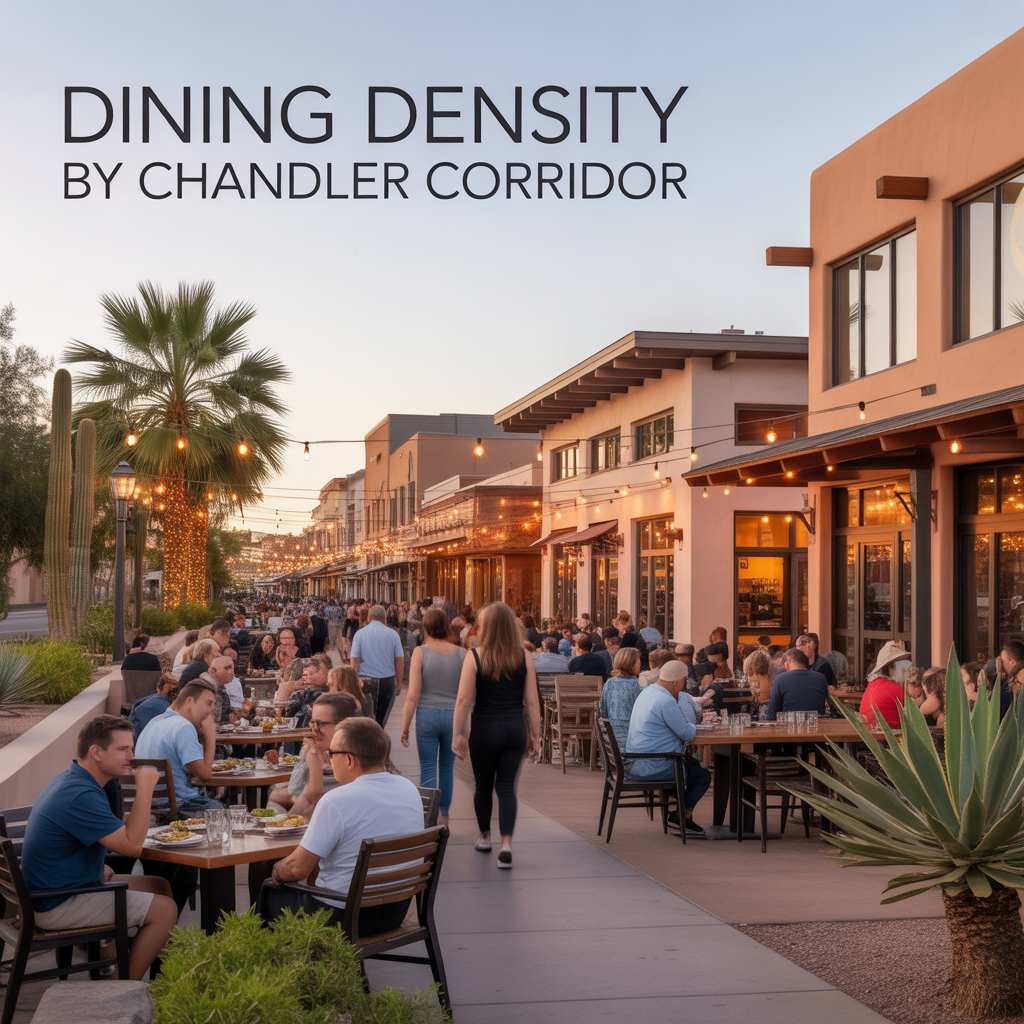
Dining Density by Chandler Corridor