



Local Politics and Housing→ [Local Politics and Housing] & For more info on National Politics and Housing → [National Politics and Housing]
Written by: Renee Burke
Phoenix sits in a “higher-than-average but not extreme” band for property-related insurance costs, with both renters and landlord coverage running above national averages but still below some coastal and Gulf states. For context, renters in Arizona are now averaging roughly the mid-teens per month for basic coverage, while more robust policies and higher limits push that figure into the twenties and low thirties.
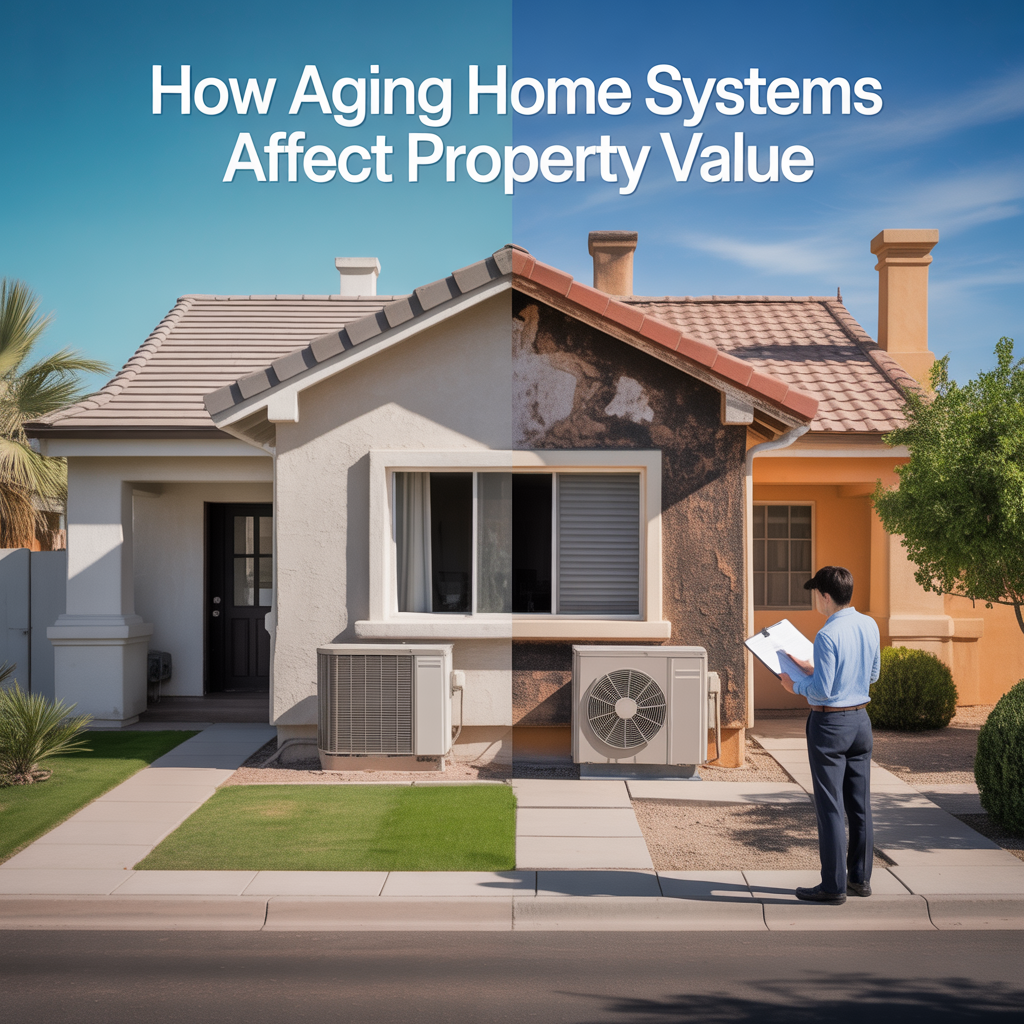
For landlords, the story is similar but magnified: landlord (DP) policies typically cost about a quarter more than standard homeowners insurance because the risk profile is higher—tenant-occupied, potential for vacancy, and more frequent claims. In Maricopa County, that gets layered with our local realities: extreme heat, monsoon-related water damage, occasional hail, and an aging stock of block and stucco homes that sometimes haven’t had their systems updated as quickly as insurers would like.
Underneath all of that, carriers are quietly tightening their underwriting. They’re pricing more aggressively for older roofs, outdated electrical, and homes in pockets they view as higher-risk for theft or weather damage. That’s why two similar-looking Phoenix properties on paper can end up with noticeably different premiums.
The Phoenix Factors Driving Premiums
When you zoom in to the neighborhood level, you can see why Phoenix behaves a little differently from national charts. A few local factors show up again and again in insurance pricing:
- Heat and monsoon exposure. Prolonged high temps stress roofs, AC units, and plumbing, and monsoon microbursts drive claims for water intrusion, roof damage, and falling debris.
- Crime and density pockets. Certain corridors with higher property crime and tighter density see higher renters and landlord premiums, even if they’re only a few miles from calmer streets.
- Construction type and age. Block construction, newer roofs, and updated systems often get better treatment than older frame builds with original mechanicals.
- Short‑term vs. long‑term use. A property heavily used as a short‑term rental can be rated differently than a traditional long‑term lease, even if the ZIP code and square footage are identical.
For investors, this means insurance isn’t just a fixed “cost of doing business”—it’s a line item you can shape through how you buy, renovate, and even how you describe your use and risk profile.
How Policy Structure Changes What You Pay
Beyond the property itself, the way you structure your policy has a direct impact on premiums. Insurers are looking at a fairly consistent set of levers:
- Coverage limits. Higher dwelling and liability limits mean higher premiums, but there’s a sweet spot between underinsuring and paying for coverage you’ll never need.
- Deductible. Raising your deductible is one of the simplest ways to bring the annual cost down, as long as you’re comfortable covering smaller losses yourself.
- Peril coverage. Some carriers charge noticeably more when you add or expand certain coverages—water backup, ordinance and law, or extended replacement cost.
- Bundling. Landlords who bundle their auto, personal home, and rentals with one carrier often see notable discounts, sometimes approaching 20–30% on the total package.
This is where thoughtful, calm policy conversations matter. When you sit down with an agent and say, “My priority is protecting against catastrophic loss while keeping small, nuisance claims off the table,” you’re signaling that you understand how the math works. That alone can change the tone of the meeting—and often the outcome.
How Conversations With Insurers Shape Premiums
Most investors underestimate how much their side of the conversation influences underwriting decisions. While the rating models are algorithmic, there’s still a human layer in how your risk is presented, documented, and shopped.
Here are a few ways your approach can move the needle:
- Leading with your maintenance story.
When you can clearly explain recent upgrades—new roof, updated electrical, replaced polybutylene lines, added water sensors—you’re not just chatting, you’re handing the carrier reasons to consider your property a better risk. A quiet, organized description of what you’ve done and when can justify better pricing or broader coverage. - Framing your claim philosophy.
Carriers pay close attention to whether an investor treats insurance as a maintenance plan or a true backstop. If you emphasize that you don’t file small claims, and your history backs that up, you’re more likely to avoid the kind of premium creep that often follows frequent, low-dollar claims. - Clarifying usage honestly but thoughtfully.
Being upfront about whether the property is strictly long-term rental, occasional personal use, or short-term is crucial. Mislabeling use can cause headaches later. But the way you describe tenant screening, lease terms, and occupancy expectations can help underwriters feel more comfortable with your risk. - Shopping with structure, not desperation.
When you or your broker flood the market with rushed quote requests, it can give the impression of instability. A more measured process—requesting quotes from a few carefully chosen carriers with a clean, complete submission—usually leads to better long-term relationships and more stable rates. - Asking for alignment, not just a discount.
Instead of “Can you make it cheaper?” try “Given how I operate, where do you see opportunities to right-size coverage without adding risk?” That opens the door for an advisor-style conversation rather than a tug-of-war over price.
Examples of Investor–Insurer Dialogue That Help
Let me give you a simple, Phoenix‑specific example.
Imagine you own a single‑family rental in Ahwatukee built in 1998. The prior owner never replaced the original tile roof. You decide to do the roof now, upgrade the HVAC, and install leak sensors near the water heater and under the kitchen sink. When renewal time comes, instead of just emailing for a quote, you call your agent and say something like:
“We completed a full roof replacement in 2025 with a licensed contractor, upgraded the HVAC to a higher‑efficiency unit, and installed water sensors in key areas. We hold a $2,500 deductible and don’t file small claims. I’d like the policy to reflect those improvements and keep the focus on catastrophic protection.”
That conversation paints a different picture than, “What’s the cheapest you can do this for?” It signals stewardship—and carriers price stewardship more favorably over time.
For multifamily owners around Uptown or West Phoenix, the same principle applies, just with more moving pieces: fire suppression maintenance, security cameras, lighting, tenant screening, and written procedures for emergencies all form part of the risk narrative. When your broker can package that into a clean story, you’re no longer just another apartment building—you’re a managed risk.
Balancing Cost, Coverage, and Sleep at Night
Premiums matter. In a tight cash-flow environment, a few hundred dollars per door adds up quickly. But insurance is also what allows you to sleep when the radar shows a big monsoon cell lining up over the Valley.
The art is in striking a balance:
- High enough limits that a major loss doesn’t derail your portfolio.
- A deductible that discourages small claims but doesn’t put you in a bind for mid‑size events.
- Thoughtful use of endorsements where Phoenix‑specific risks justify them—like water backup or extended replacement, given construction and labor costs.
In my experience, the investors who fare best over the long run aren’t the ones who always chase the lowest premium. They’re the ones who create a consistent narrative: well‑maintained properties, low claim frequency, clear communication, and calm, informed conversations with their advisors.
A Warm Path Forward
If you own or are buying rentals anywhere across the Phoenix metro—whether that’s a Midtown condo, a Peoria single‑family, or a small multifamily in Mesa—this is a good season to sit down and really look at how your insurance is structured. Not just the price, but the story your policies are telling about how you manage risk.
You don’t have to untangle that alone. This is exactly the kind of quiet, behind‑the‑scenes work I do with investors all the time: reviewing coverages, translating carrier language into plain English, and making sure your policies match the reality of how you own and operate in Phoenix.
If you’re thinking about making a move in Phoenix, you don’t have to figure it out alone.
Get the full Phoenix Market Insights → [Market Insights]


-
Cost of Living in Rhode Island: Housing, Taxes, Utilities, and Everyday Expenses
-

What If My Commute Becomes Worse Than Expected?
-
How Aging Home Systems Affect Property Value