



National Politics and Housing → [National Politics and Housing] & For more info on Local Politics and Housing→ [Local Politics and Housing]
Written by: Renee Burke
Watching investors reposition portfolios across the Valley — from cash-flow quadplexes in Maryvale to appreciation plays in Buckeye — it’s clear that federal lending guidelines and tax policy continuity are steering decisions more than ever in 2026. Families doubling as landlords in Gilbert or high-net-worth relocators from California often confide their caution: “Will D.C. changes upend my returns before I even settle in?”
You lean on me for the grounded view, and here it is: with mortgage rates stabilizing around 6% and bonus depreciation restored, investors are pivoting confidently toward long-term holds, short-term rental conversions, and tax-advantaged rehabs that blend cash flow with equity growth in our growth corridors.
Lending Stability Fuels Portfolio Expansion
Federal lending signals — steady Fannie/Freddie overlays, no GSE shrinkage — encourage leverage. Investors who hesitated at 7.5% peaks now deploy DSCR loans at 6.25% for Verrado fourplexes, targeting 7% yields with 25% down. Debt service coverage ratios below 1.15 unlock multifamily in Avondale, where job growth at Lucid sustains 95% occupancy.
Builder incentives tie in too: 3.99% rate buydowns on new-construction rentals in Queen Creek make spec buys pencil at 8-10% IRR, drawing East Coast funds wary of coastal cap rate compression. No aggressive tightening from the Fed means investors ladder purchases through spring, front-loading West Valley before Loop 303 fully opens.
Tax Policy as the Ultimate Behavior Shaper
Bonus depreciation’s return to 100% mid-2025 — via reconciliation permanence — turbocharges cost segregation. A $1.2M Chandler portfolio sheds $400K in year-one deductions, sheltering active income while Arizona’s flat 2.5% bites minimally. Investors stack this with 1031s from legacy markets into Phoenix OZs near TSMC, deferring gains indefinitely on properties primed for 5% annual lifts.
Short-term rental (STR) interest surges: qualified trades via 20% QBI plus accelerated HVAC/personal property write-offs yield 25% effective tax cuts. Roosevelt Row artists-turned-owners and Paradise Valley snowbirds convert guesthouses, navigating SB 1076 caps with professional management now standard for absentee plays. No capital gains hikes proposed; married couples shelter $500K on flips, fueling serial investors in South Phoenix revitalization.
Key Behavior Shifts in the Valley
- Long-Hold Pivot: 70% of transactions now 7-10 year horizons, per local MLS trends. Stability favors buy-and-hold over flips; Maryvale quadplexes at $450K/unit hold 6% cash-on-cash, immune to rate blips.
- STR and Mid-Term Surge: Downtown and Westgate vicinity see 15% portfolio allocation to Airbnb-adjacent, blending lifestyle rents with tax perks. Compliance-first managers handle 90-day notices, preserving ROI.
- Luxury Income Plays: Scottsdale HNW chase furnished leases at $15K/month, using CRTs to deduct appreciated stock while banking depreciation on $3M+ estates.
- New Construction Bets: Goodyear BTR communities exempt from institutional scrutiny draw REITs at 5.5% cap rates, leveraging federal energy credits for solar-ready builds.
Phoenix investors outperform nationally: 4-5% rental yields beat Sun Belt averages, with appreciation layered via infrastructure proximity.
Neighborhood Hotspots and Cautions
West Valley leads: El Mirage value-adds offer 9% returns post-rehab, tax-optimized for 1031 ladders. East Valley families layer rentals atop primaries in Gilbert, capturing school-driven demand. Avoid over-leveraged condos downtown — defect reforms help, but STR saturation caps upside.
Concerns like “lock-in stifles supply”? True for retail, but investors trade up via bridges. “Tax cliffs loom?” Not with permanence signaled; QBI endures through 2028 at minimum.
Why These Trends Endure
Federal predictability — no FHA overhauls, steady QM rules — lets investors model 10-year pro formas without black swans. Arizona amplifies: low property taxes (0.62% effective), water assurances, and Prop 400-funded roads boost accessibility premiums 3-5%. Combine with 2.5% population growth, and Phoenix becomes the low-risk, high-reward anchor for diversified portfolios.
Lifestyle weaves through: STR owners enjoy passive valley weekends; long-hold families build generational equity near top-rated Chandler schools.
Positioning for What’s Next
Layer tax strategies now — cost seg by Q2 locks 2026 deductions. Favor DSCR over recourse debt. Target 1.25x coverage for stress tests. Sellers of investment properties: disclose depreciation schedules early for seamless 1031 handoffs.
A Personal Note
If you’re thinking about making a move in Phoenix — rebalancing your portfolio with these federal tailwinds, layering tax-efficient rentals, or timing buys amid investor shifts — you don’t have to figure it out alone.
I’ve walked dozens through lending pivots and tax optimizations, always tailoring to your Valley life and returns. My role isn’t to push volume; it’s to be your steady guide seeing policy through a local lens.
Reach out with questions on DSCR plays, STR compliance, or your portfolio’s next step. Together, we’ll align federal trends to decisions that grow wealth quietly and surely.
Because in Phoenix real estate, smart investor moves amid stable policy build legacies that weather any horizon.
Get the full Phoenix Market Insights → [Market Insights]


-
Cost of Living in Rhode Island: Housing, Taxes, Utilities, and Everyday Expenses
-

What If My Commute Becomes Worse Than Expected?
-
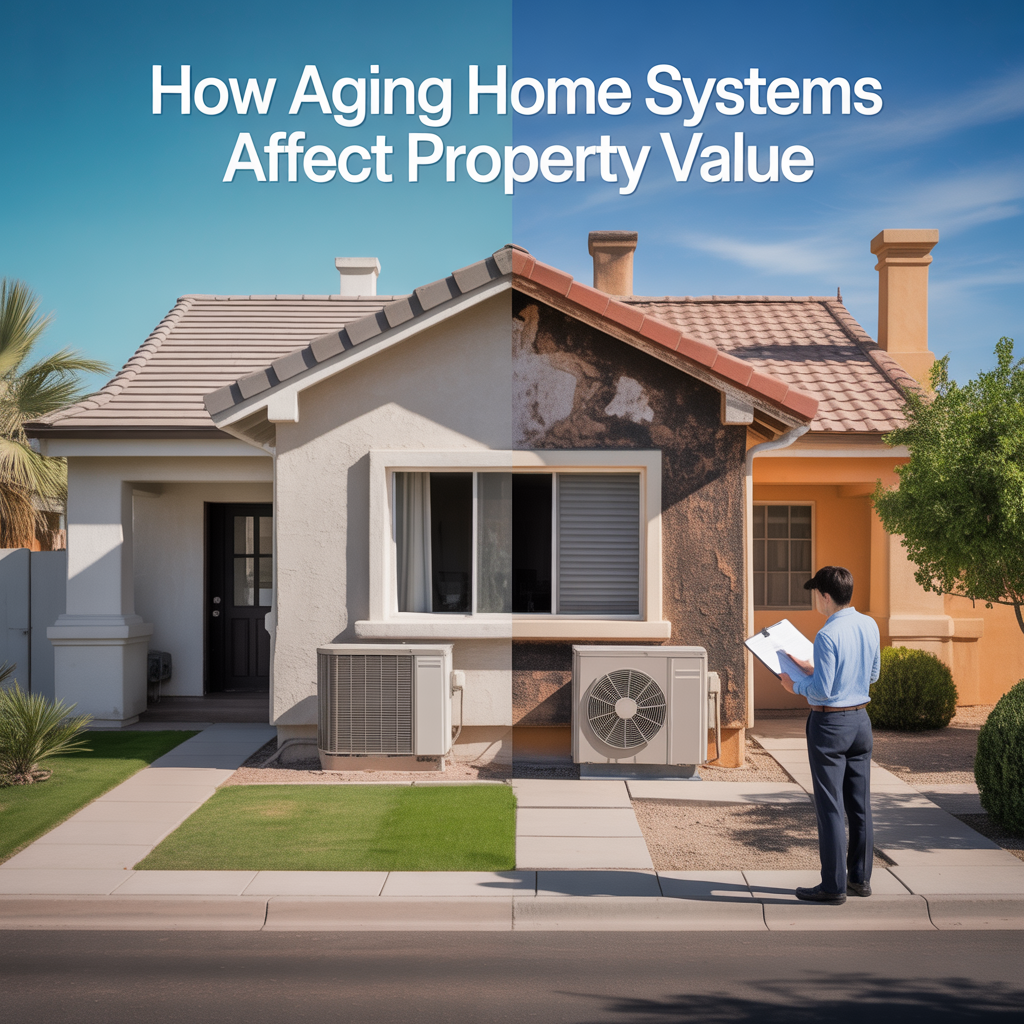
How Aging Home Systems Affect Property Value